
In the modern landscape of personal finance, the “subscription economy” has transformed from a niche convenience into a significant pillar of the average household budget. At the center of this ecosystem lies Amazon Prime, a service that has evolved from a simple free-shipping membership into a multi-faceted digital asset. Deciding how and when to renew Amazon Prime is no longer just a technical checkbox; it is a strategic financial decision. For the savvy consumer, the renewal process is an opportunity to audit spending habits, evaluate return on investment (ROI), and optimize digital overhead.

This guide treats the renewal of Amazon Prime through the lens of personal finance management, ensuring that every dollar spent contributes to your overall financial well-being.
The Economics of Amazon Prime: Is the Renewal Worth the Investment?
Before navigating to the renewal page, a rigorous cost-benefit analysis is essential. As of the current fiscal period, the standard cost of an annual Amazon Prime membership stands at $139, while the monthly alternative is priced at $14.99. From a purely mathematical standpoint, the annual commitment offers a significant discount, but the “value” of the service is subjective and depends entirely on individual consumption patterns.
Evaluating the Cost-to-Benefit Ratio
To determine if the renewal is financially sound, you must quantify the benefits. If you are using Prime primarily for shipping, the break-even point is typically reached after approximately 20 to 25 orders per year, assuming an average shipping cost of $5 to $7 per non-Prime order. However, the Prime ecosystem extends into media, cloud storage, and grocery discounts at Whole Foods Market.
To conduct a personal audit, look at your “Year in Review” data or your order history from the previous twelve months. If your total savings on shipping and exclusive discounts do not exceed the $139 annual fee, you are effectively paying a premium for convenience. For those who utilize Prime Video or Amazon Music as their primary entertainment sources, the value proposition shifts, potentially replacing other high-cost cable or streaming packages and consolidating your entertainment budget.
Understanding the Impact on Your Monthly Budget
For many individuals practicing zero-based budgeting, a $139 lump sum can be a disruptive expense. When planning your renewal, it is vital to treat this as a “sinking fund” item. By setting aside roughly $11.60 each month throughout the year, the annual renewal becomes a non-event for your cash flow. If your budget is tighter on a month-to-month basis, the $14.99 monthly plan, despite being more expensive over a year (totaling $179.88), may offer the liquidity and flexibility needed to manage short-term financial obligations.
Navigating the Renewal Process: Step-by-Step Financial Management
Renewing your membership is a straightforward process, but it requires attention to detail regarding payment sources and renewal dates to avoid unintended overdrafts or high-interest credit card charges.
Manual vs. Automatic Renewal: Managing Cash Flow
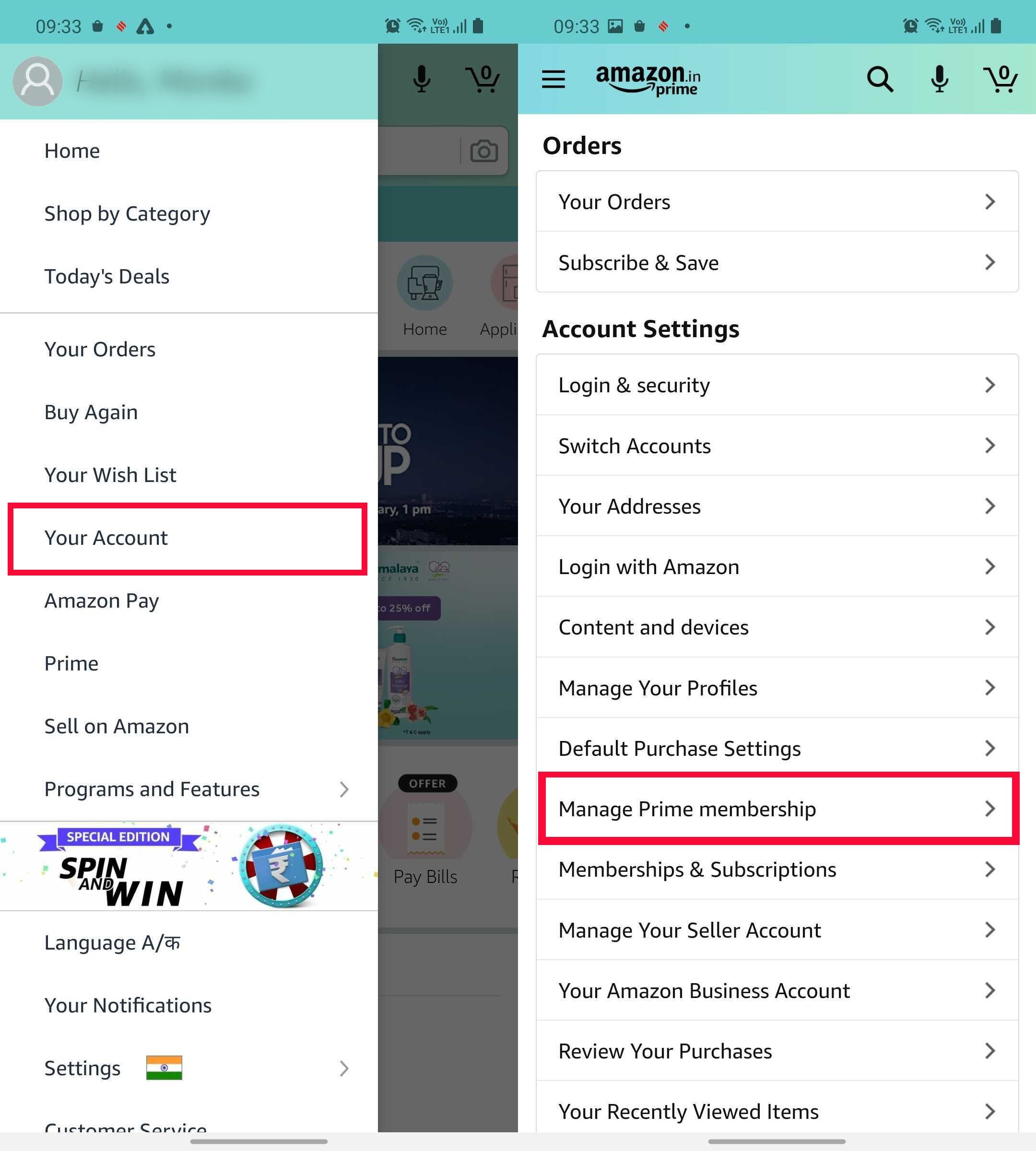
Amazon defaults all accounts to “Auto-Renew.” While convenient, this can be a pitfall for those who do not track their subscription dates. To manage your renewal strategically:
-
Access Membership Settings: Navigate to the ‘Account & Lists’ menu and select ‘Prime Membership.’
-
Review Renewal Date: Identify the exact date the charge will occur. Mark this on your financial calendar at least seven days in advance.
-
Update Renewal Preferences: If you are undecided about the value of the service, you can opt to receive a reminder email three days before your membership renews. This provides a window to cancel if your financial priorities have shifted.
Choosing to “Update, Cancel and More” allows you to end the membership at the end of the current cycle, ensuring you aren’t charged for a year you don’t intend to use.
Updating Payment Methods for Financial Security
A critical part of the renewal process is selecting the right payment instrument. Using a credit card with a high interest rate is counterproductive if you cannot pay off the balance immediately. Conversely, using a dedicated “rewards” card can effectively reduce the cost of the membership. For instance, using an Amazon-branded credit card often yields 5% back on Amazon purchases, which can be applied toward the cost of the next year’s renewal. Ensure your “Backup Payment Method” is also updated to avoid service interruptions that might occur if your primary card has expired or reached its limit.
Strategies to Lower Your Membership Costs
Financial optimization is about more than just saying “yes” or “no” to a service; it is about accessing that service at the lowest possible price point. Several programs exist to make Amazon Prime more accessible to different demographics.

Student and Assistance Discounts
One of the most effective ways to reduce your digital overhead is to check for eligibility in discounted programs.
-
Prime Student: Currently offered at a fraction of the standard cost, this tier includes a six-month trial followed by a significantly reduced monthly or annual rate. This is an essential tool for students looking to minimize their cost of living while maintaining access to educational resources and essentials.
-
Qualified Government Assistance: Individuals with a valid EBT card or those on Medicaid may qualify for “Prime Access,” which offers the full suite of Prime benefits at a steep discount (currently $6.99 per month). For households on a strict budget, this 50% reduction in cost can free up capital for other essential expenses like utilities or savings.
The Annual vs. Monthly Debate: Optimizing Long-Term Savings
As previously noted, the annual plan saves the consumer approximately $40 per year. In the world of investing, a $40 return on a $139 outlay is nearly a 28% “return” on your capital. If you have the liquidity, paying annually is one of the simplest “guaranteed returns” you can find in your personal finances. However, the monthly plan is a strategic choice for seasonal users—those who only need Prime during the holiday shopping season or when a specific series is airing on Prime Video.
Leveraging Rewards Points and Cashback
Before the renewal hit your statement, check your various financial portals. Many credit card issuers (such as Amex or Chase) occasionally offer “Points for Purchase” promotions or “Merchant Offers” where spending a certain amount at Amazon triggers a $10 or $20 statement credit. Applying these offers specifically to your renewal month can further subsidize the cost of the membership.
The Opportunity Cost of the Prime Ecosystem
In financial theory, opportunity cost refers to the loss of potential gain from other alternatives when one alternative is chosen. When you renew Prime, you aren’t just spending $139; you are choosing to stay within the Amazon ecosystem.
Implicit Spending: The “Prime Effect” on Consumption Habits
Data from various consumer behavior studies suggest that Prime members spend significantly more annually on Amazon than non-members. The “free” two-day shipping removes the psychological “friction” of a purchase. When renewing, you must be honest about whether the membership encourages impulsive spending. If the convenience of Prime leads to $1,000 in unnecessary annual purchases, the real “cost” of the membership is far higher than the subscription fee.
To mitigate this, use the renewal period to set new financial boundaries, such as the “24-hour rule” (waiting 24 hours before hitting ‘Buy Now’) to ensure your Prime membership remains a tool for savings rather than a catalyst for debt.
Diversifying Your Digital Assets
While Prime offers a comprehensive package, it is important not to let “subscription creep” take over. During your renewal audit, compare Prime Video with other services like Netflix or Hulu, and Prime Music with Spotify or Apple Music. If you are paying for multiple services that overlap, the renewal of Prime should be the catalyst for canceling redundant, higher-priced alternatives.
Long-term Financial Planning and Subscription Auditing
The renewal of a major service like Amazon Prime should serve as a quarterly or annual “financial physical.” It is a moment to look at your entire digital footprint and ensure your money is working as hard as possible for you.
The Rule of Subscription Stacking
Subscription stacking occurs when multiple small monthly fees accumulate into a large, unmanaged annual sum. A professional approach to finance involves listing every recurring charge. If Amazon Prime is your “anchor” subscription because of its multifaceted utility, you might find that you can eliminate three or four smaller, more niche subscriptions, thereby net-saving money even with the Prime renewal.
When to Cancel Instead of Renewing
There is no financial shame in letting a subscription lapse. If you find that your shipping needs have decreased, or if you have shifted your shopping to local businesses or specialized online retailers, the $139 may be better served in a High-Yield Savings Account (HYSA) or an index fund. If you cancel, your account remains active until the end of the current billing cycle, giving you time to transition your data and habits. You can always re-subscribe later if your financial situation or consumer needs change.
By treating the renewal of Amazon Prime as a strategic financial event rather than a passive automated charge, you maintain control over your capital. Whether you choose to renew annually to capture the 28% savings, utilize a discounted tier, or cancel to curb impulsive spending, the goal is the same: ensuring that your digital tools serve your long-term wealth-building goals.
aViewFromTheCave is a participant in the Amazon Services LLC Associates Program, an affiliate advertising program designed to provide a means for sites to earn advertising fees by advertising and linking to Amazon.com. Amazon, the Amazon logo, AmazonSupply, and the AmazonSupply logo are trademarks of Amazon.com, Inc. or its affiliates. As an Amazon Associate we earn affiliate commissions from qualifying purchases.