
For many seniors living on a fixed income, every monthly subscription and recurring expense undergoes rigorous scrutiny. Amazon Prime, once seen as a luxury for rapid delivery, has evolved into a multi-faceted utility that can significantly impact a household budget. The central question for many retirees is not just “how much does it cost?” but rather “is the financial return worth the investment?” While Amazon does not offer a discount based strictly on age, there are several strategic ways for seniors to access the service at a lower price point and leverage its features to reduce overall living expenses.
Understanding the Pricing Structure: From Standard to Discounted Rates
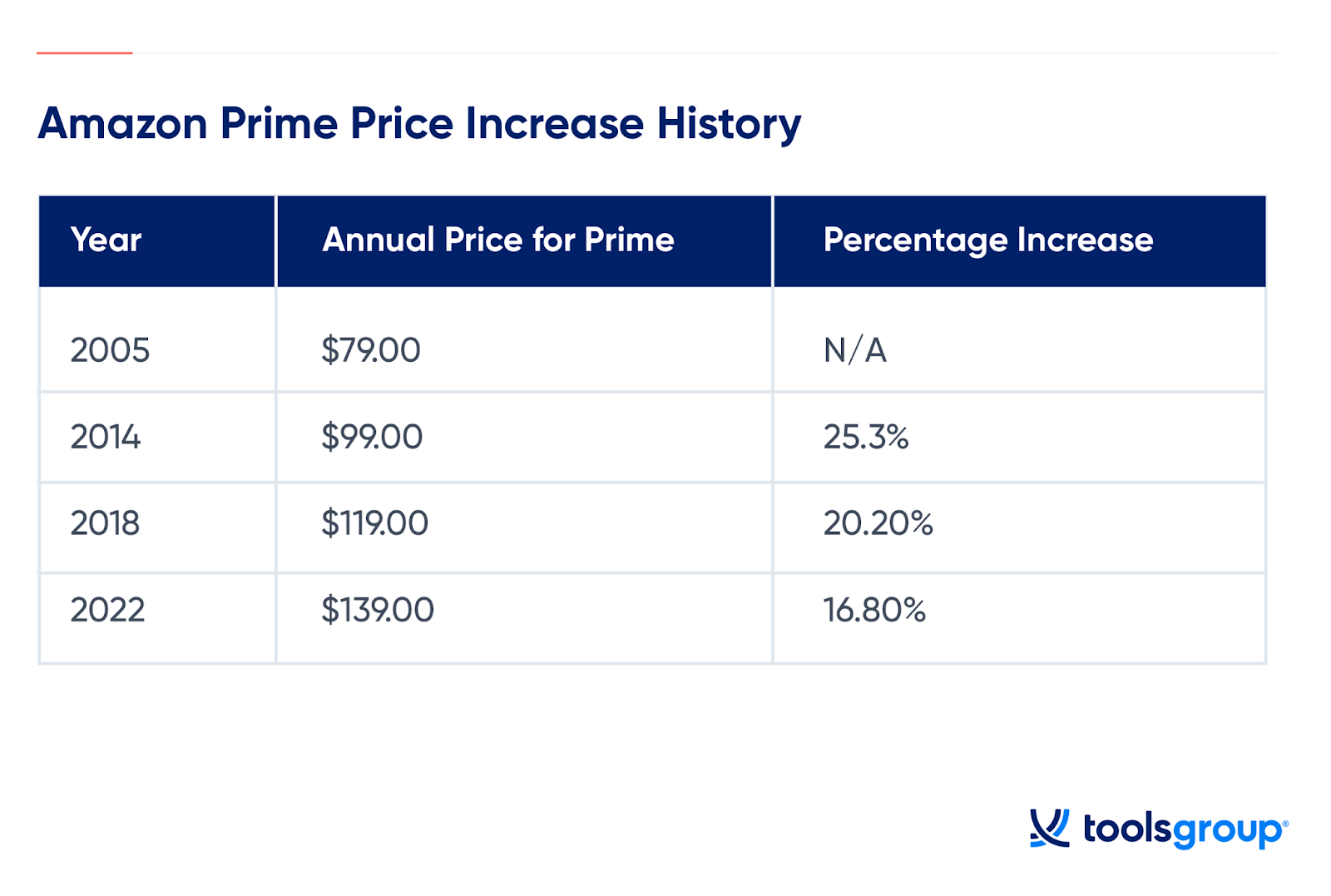
As of the current fiscal year, the standard Amazon Prime membership is priced at $14.99 per month or $139 per year. For a senior citizen managing a retirement portfolio or relying on Social Security, this $139 annual fee represents a significant line item. However, the retail giant offers a specific program called Prime Access, which is designed to make the service more affordable for low-income individuals, including many seniors.
The Prime Access Program
Prime Access is a discounted membership tier priced at $6.99 per month. This represents a savings of over 50% compared to the standard monthly rate. To qualify for this rate, an individual must provide proof of participation in certain government assistance programs. For seniors, the most common qualifying programs include:
-
Supplemental Security Income (SSI): Not to be confused with standard Social Security, SSI is a needs-based program for seniors with limited income and resources.
-
SNAP (Supplemental Nutrition Assistance Program): Formerly known as food stamps.
-
Medicaid: Many seniors qualify for both Medicare and Medicaid (dual eligibility), which grants them access to the $6.99 rate.
-
NAP (Nutrition Assistance Grant): Available for residents of Puerto Rico and other territories.
Annual vs. Monthly Financial Commitment
For those who do not qualify for Prime Access, the choice between the $139 annual fee and the $14.99 monthly fee is a matter of cash flow management. Opting for the annual payment saves approximately $40 per year. For a senior with a healthy emergency fund, the annual payment is the more fiscally responsible choice. However, for those who only use Amazon during specific times of the year—such as the holiday season or during a period of recovery from surgery—paying for three individual months might be more cost-effective than a year-long commitment.
Strategic Financial Benefits Beyond Free Shipping
To truly evaluate the cost of an Amazon Prime membership for seniors, one must look past the delivery perks and examine the ancillary services that can offset other monthly costs. When used strategically, Prime can act as a consolidation tool for various financial obligations.
Savings on Healthcare and Prescriptions
One of the most significant financial burdens for the aging population is the cost of medication. Amazon Pharmacy, integrated with Prime, offers the “RxPass” feature. For an additional $5 per month, Prime members can receive all their eligible generic medications delivered to their door. For a senior taking multiple maintenance medications for blood pressure, cholesterol, or diabetes, this can result in hundreds of dollars in annual savings compared to traditional pharmacy co-pays. Furthermore, the Prime member discount at the pharmacy counter (when not using insurance) can sometimes outperform Medicare Part D pricing on specific generics.
Grocery Budget Optimization
With the integration of Whole Foods Market and Amazon Fresh, Prime members gain access to exclusive discounts on groceries. Seniors can benefit from an additional 10% off sale items at Whole Foods. Additionally, the “Subscribe & Save” feature allows for a 15% discount on recurring deliveries of household essentials like paper products, pet food, and non-perishable pantry items. For seniors with limited mobility, the elimination of transportation costs (gas, wear and tear on a vehicle, or paratransit fees) to visit a grocery store can represent a hidden but substantial financial gain.
Digital Entertainment as a Budgeting Tool
The average cable bill for a senior household often exceeds $100 per month. Prime Video, included in the membership, offers a massive library of films and television shows. By leveraging Prime Video alongside a low-cost internet plan, many seniors are “cutting the cord,” effectively trading a $1,200 annual cable expense for a $139 annual Prime membership. When combined with Prime Reading (free e-books) and Amazon Music, the membership serves as an all-in-one entertainment budget.
Comparative Analysis: Is the Membership Worth the Investment?

A professional financial assessment requires a “break-even” analysis. To justify the $139 annual cost (or the $83.88 Prime Access cost), a senior must determine if the tangible savings exceed the price of admission.
Calculating the Break-Even Point
Consider a senior who shops on Amazon twice a month. Without Prime, shipping fees for smaller orders can range from $5.99 to $9.99. Over a year, 24 orders could result in $144 to $240 in shipping costs alone. In this scenario, the membership pays for itself through shipping savings before even considering the value of streaming or pharmacy discounts.
Comparing with Competitors: Walmart+ and Costco
In the realm of personal finance, it is essential to compare alternatives. Walmart+ is priced similarly at $98 per year or $12.95 per month. While Walmart+ offers gas discounts—a perk for mobile seniors—Amazon Prime often provides a more robust digital entertainment package. Costco, with a $65 basic membership, requires physical travel and bulk purchasing, which may not be ideal for a one- or two-person senior household with limited storage space. For the homebound senior or the one looking to minimize errands, Amazon’s ecosystem often provides a more comprehensive return on investment.
Maximizing the Membership: Financial Pro-Tips for Seniors
Once a senior decides to invest in a Prime membership, there are several “power user” strategies to ensure they are squeezing every cent of value out of the subscription.
The Amazon Store Card and Cashback
For seniors with a solid credit profile, the Amazon Prime Store Card or the Amazon Visa offers 5% back on all Amazon.com and Whole Foods purchases. If a senior spends $3,000 a year on groceries and household goods through Amazon, they would earn $150 in cashback—effectively making the Prime membership free and providing a $11 surplus. However, this strategy is only recommended for those who pay their balance in full each month to avoid high-interest charges.
Sharing Benefits via Amazon Household
Amazon allows two adults to share a single Prime membership through “Amazon Household.” A senior can share their membership with a spouse or a grown child living in the same residence. This allows two people to enjoy the benefits of free shipping and streaming for a single fee. Alternatively, a senior can be “added” to a child’s household account, allowing the senior to enjoy the benefits at zero cost to their personal budget, provided the child is willing to cover the primary membership.
Monitoring “Digital Subscriptions”
Seniors should be wary of “Prime Video Channels.” While Prime includes a lot of content, it also makes it very easy to accidentally subscribe to add-on channels like Paramount+ or MLB.TV. From a financial management perspective, it is vital to regularly review the “Memberships & Subscriptions” tab in the Amazon account settings to ensure no unauthorized or unneeded monthly fees are draining the bank account.

How to Apply for the Senior-Friendly Discount
Navigating the verification process for Prime Access is straightforward but requires digital documentation. For a senior looking to secure the $6.99 rate, the process follows these steps:
-
Preparation of Documentation: Have a digital photo or scan of your EBT card, Medicaid card, or an eligibility letter from the Social Security Administration for SSI.
-
Verification Portal: Visit the Amazon Prime Access page. The system uses a third-party verification service to confirm the validity of the government assistance.
-
Renewal Requirements: It is important to note that this discounted rate must be re-verified every 12 months. Seniors should keep their documentation handy to ensure there is no lapse in the discounted pricing.
From a personal finance perspective, Amazon Prime is no longer just a shopping club; it is a sophisticated financial tool that can help seniors manage their cost of living. While the lack of a “flat-rate” senior discount based on age might be disappointing, the existence of Prime Access and the depth of the Rx and grocery benefits provide ample opportunity for budget optimization. By calculating their specific usage patterns and utilizing the available discounts, seniors can turn a Prime membership from a recurring expense into a strategic asset for their retirement years.
aViewFromTheCave is a participant in the Amazon Services LLC Associates Program, an affiliate advertising program designed to provide a means for sites to earn advertising fees by advertising and linking to Amazon.com. Amazon, the Amazon logo, AmazonSupply, and the AmazonSupply logo are trademarks of Amazon.com, Inc. or its affiliates. As an Amazon Associate we earn affiliate commissions from qualifying purchases.