
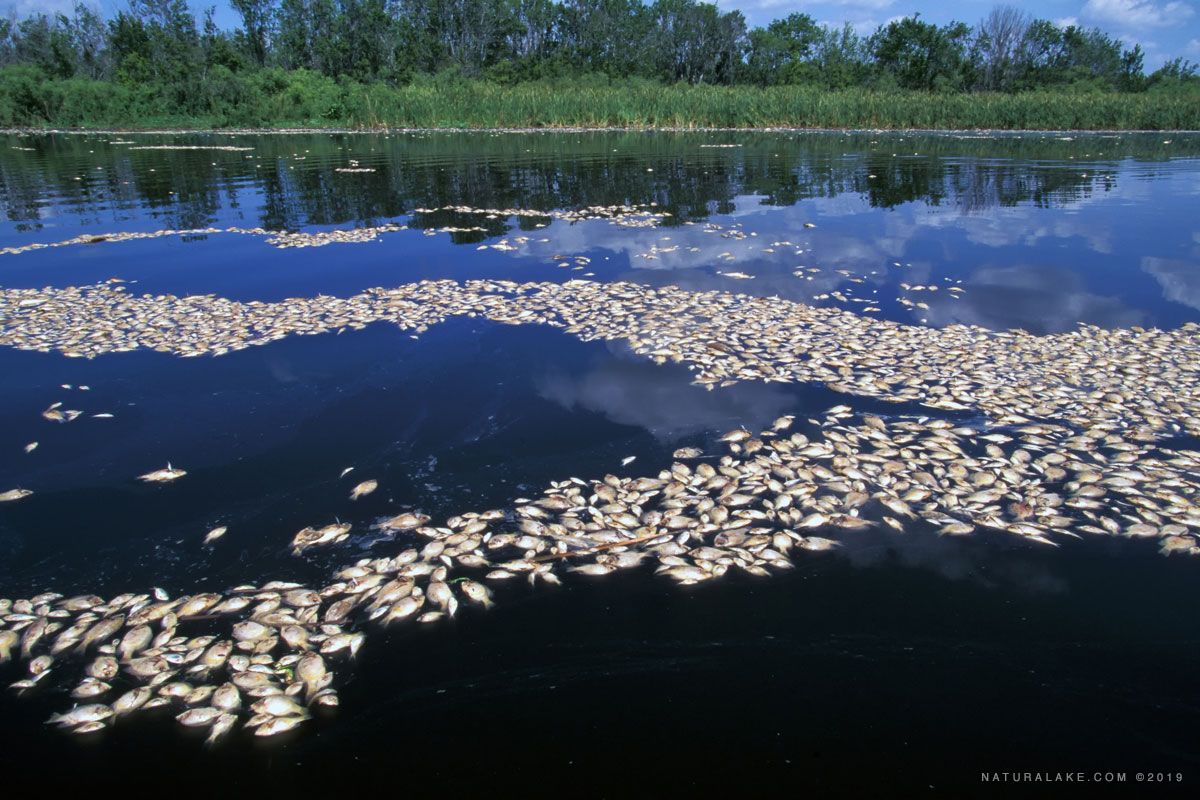
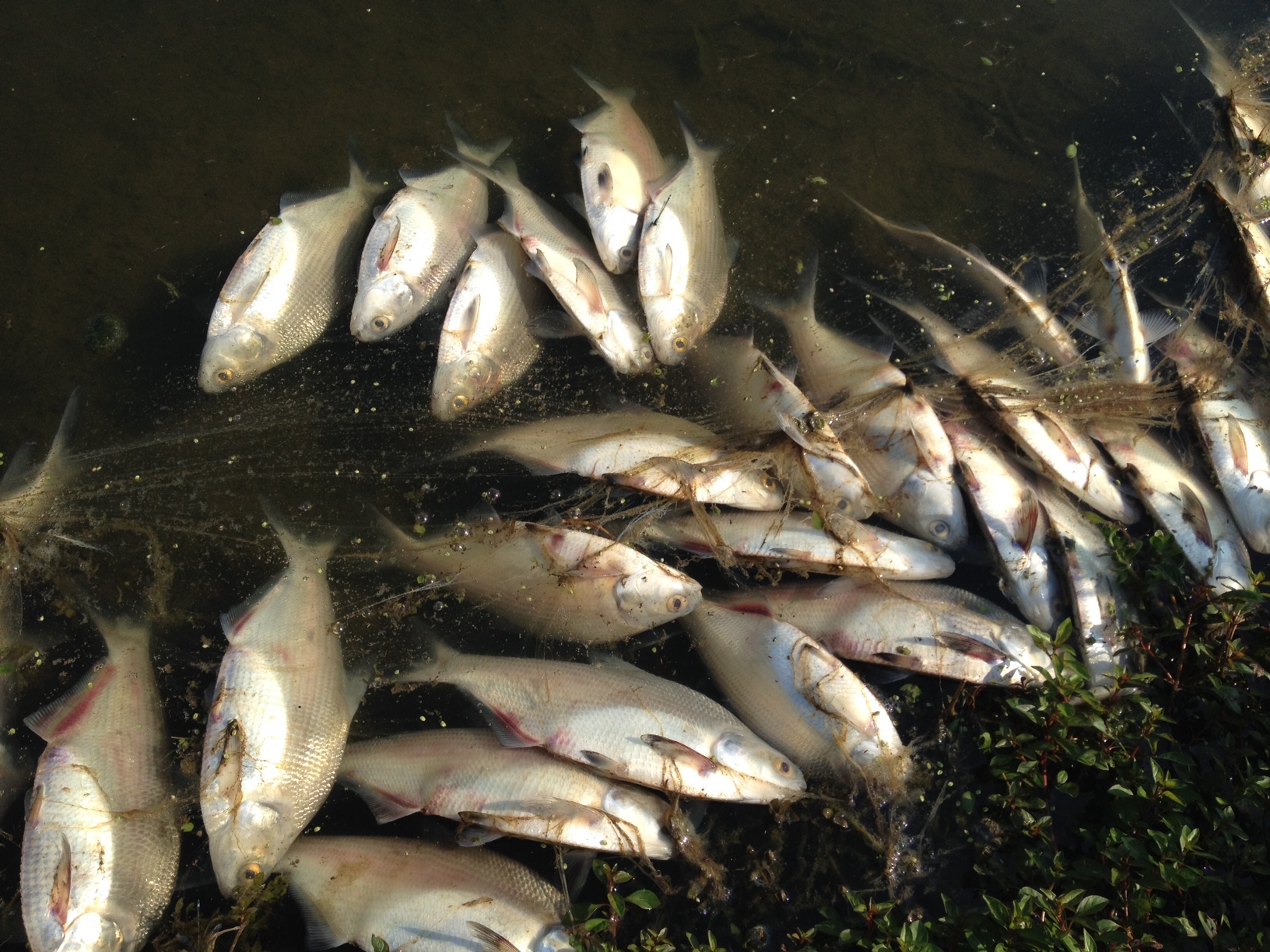
A “fish kill” is a stark and often alarming event, referring to the sudden and widespread death of a significant number of fish in a particular body of water. While the term itself is straightforward, the underlying causes, ecological ramifications, and even potential technological and economic implications are far more complex. This phenomenon isn’t merely an unfortunate occurrence for aquatic life; it can ripple through ecosystems, impact industries, and even present challenges and opportunities for technological innovation and financial planning.
Understanding the Drivers of Fish Kills
Fish kills are rarely a singular event caused by one isolated factor. Instead, they are often the result of a confluence of environmental stressors, exacerbated by human activities. Pinpointing the precise cause requires a detailed investigation, but several key categories consistently emerge as primary culprits.

Acute Environmental Stressors
These are the immediate, often dramatic, changes in water conditions that overwhelm the physiological limits of fish, leading to rapid mortality.
Dissolved Oxygen Depletion (Hypoxia and Anoxia)
This is arguably the most common cause of fish kills. Fish, like all aerobic organisms, require dissolved oxygen (DO) in the water to breathe. When DO levels drop too low – a condition known as hypoxia – fish struggle to survive. If the levels drop to zero, it’s called anoxia, leading to mass death. Several factors contribute to DO depletion:
- Eutrophication and Algal Blooms: This is a significant driver in many aquatic systems. Eutrophication is the excessive enrichment of water bodies with nutrients, primarily nitrogen and phosphorus, often from agricultural runoff, sewage discharge, and industrial wastewater. These nutrients fuel rapid growth of algae and other aquatic plants, creating dense blooms. When these blooms die, their decomposition by bacteria consumes vast amounts of dissolved oxygen. In warmer water, which holds less DO and has higher metabolic rates for decomposers, this effect is amplified.
- Thermal Stratification: In lakes and reservoirs, especially during summer, warm water can form a layer on top of colder, denser water. This stratification prevents mixing of the surface (oxygenated) water with the deeper layers. If decomposition is occurring in the deeper, oxygen-poor layers, fish can become trapped in these zones as they seek cooler temperatures, eventually suffocating.
- Drought and Low Water Levels: Reduced water volume concentrates pollutants and can lead to increased water temperatures, both contributing to lower DO. Stagnant water conditions also hinder oxygen replenishment from the atmosphere.
- Ice Cover: During winter, ice can prevent atmospheric oxygen from dissolving into the water. If there’s a significant amount of organic matter decomposing beneath the ice, it can consume the available DO, leading to winter kill.
Extreme Temperatures
Fish are ectothermic, meaning their body temperature is regulated by their environment. They have specific temperature ranges in which they can survive and thrive.
- Heat Waves: Sudden spikes in water temperature, particularly during prolonged heat waves, can exceed a fish species’ thermal tolerance. This can lead to physiological stress, increased metabolic rates (consuming more oxygen), and direct death.
- Cold Snaps: While less common for widespread kills, extreme cold can also shock and kill fish, especially species not adapted to such conditions or those already weakened by other stressors.
Chemical Contamination
The introduction of toxic substances into waterways can have devastating effects on fish populations.
- Pesticides and Herbicides: Runoff from agricultural lands carrying these chemicals can be highly toxic to fish, disrupting their nervous systems, respiratory functions, and reproductive capabilities.
- Industrial Discharges: Pollutants from factories, such as heavy metals, acids, or organic compounds, can directly poison fish or create a toxic environment.
- Oil Spills: Oil can coat fish gills, preventing them from breathing, and can also be toxic if ingested.
- Pharmaceuticals and Personal Care Products (PPCPs): Emerging contaminants found in wastewater, such as hormones and antidepressants, can have sub-lethal effects on fish, impacting their behavior, reproduction, and immune systems, potentially leading to increased vulnerability and mortality over time.
Disease Outbreaks
While not always triggered by environmental factors, disease can spread rapidly through fish populations, especially when they are already stressed by poor water quality or overcrowding.
- Bacterial and Viral Infections: These can decimate fish populations, sometimes appearing spontaneously but often exacerbated by weakened immune systems due to environmental stress.
- Parasitic Infestations: High densities of fish in polluted or warm waters can provide ideal conditions for parasitic organisms to thrive, leading to severe debilitation and death.
Chronic Stressors and Long-Term Impacts
Beyond acute events, ongoing environmental degradation can weaken fish populations, making them more susceptible to even minor disturbances.
Habitat Degradation
The loss or degradation of essential fish habitats, such as spawning grounds, nursery areas, and feeding grounds, due to urbanization, deforestation, and pollution, reduces the overall health and resilience of fish populations.
- Sedimentation: Erosion from development and agriculture can fill in gravel beds crucial for spawning and smother aquatic vegetation, impacting food sources and shelter.
- Loss of Riparian Vegetation: Trees and shrubs along riverbanks stabilize soil, filter runoff, and provide shade, moderating water temperatures. Their removal can lead to increased water temperatures, erosion, and pollutant loads.
Invasive Species
The introduction of non-native species can disrupt existing food webs and ecosystems.
- Competition: Invasive species can outcompete native fish for food and habitat.
- Predation: Some invasive species are voracious predators of native fish.
- Disease Transmission: Invasive species can carry diseases that native populations have no immunity to.
The Ripple Effect: Ecological and Economic Consequences
Fish kills are not isolated incidents of aquatic death; they have profound and far-reaching consequences that extend beyond the immediate loss of life.
Ecological Impacts
The death of a significant portion of a fish population can disrupt the delicate balance of an aquatic ecosystem.
- Food Web Disruption: Fish are integral components of aquatic food webs, serving as both prey and predators. Their removal can have cascading effects, impacting populations of organisms that feed on them, as well as those they prey upon. For example, a decline in small fish can lead to an increase in their invertebrate prey, while a loss of larger predatory fish could allow herbivorous populations to boom, potentially leading to overgrazing of aquatic vegetation.
- Nutrient Cycling Alterations: Decomposing fish carcasses release nutrients back into the water. While this can sometimes provide a temporary boost to primary producers, a massive influx of nutrients from a large fish kill can also contribute to eutrophication, creating a vicious cycle.
- Biodiversity Loss: Repeated or severe fish kills can lead to a decline in the diversity of fish species within an ecosystem, making it less resilient to future environmental changes.
- Impact on Other Wildlife: Birds, mammals, and other animals that rely on fish as a food source will be negatively impacted by a significant reduction in their prey.
Economic Impacts
The consequences of fish kills extend into human economies, affecting industries and livelihoods.
- Commercial and Recreational Fishing Industries: Fish kills can devastate local fishing economies, leading to significant financial losses for fishermen, seafood processors, and related businesses. The recreational fishing sector, which contributes billions to economies through tourism, licenses, and equipment sales, can also suffer immensely from the inability to catch fish.
- Aquaculture: Fish farms are particularly vulnerable. A disease outbreak or pollution event can wipe out entire stocks, resulting in catastrophic financial losses for farmers.
- Tourism and Recreation: Lakes, rivers, and coastal areas known for their healthy fish populations attract tourists for activities like fishing, boating, and wildlife viewing. Fish kills can tarnish the reputation of these areas, deterring visitors and impacting local economies that depend on tourism revenue.
- Water Treatment Costs: In severe cases, fish kills can necessitate increased water treatment efforts to remove carcasses and mitigate potential health risks, adding to municipal expenses.
- Property Values: Homes and properties located near waterways that experience frequent fish kills may see a decline in their market value due to aesthetic issues, odor, and reduced recreational appeal.
Technological Innovations and Financial Strategies in Response to Fish Kills
The recurring challenge of fish kills, with their significant ecological and economic tolls, has spurred innovation and the development of strategic approaches, often leveraging technology and financial planning.
Technological Solutions for Monitoring and Prevention
The increasing sophistication of technology offers new avenues for understanding, predicting, and mitigating fish kills.
- Environmental Monitoring Systems: Advanced sensors deployed in waterways can continuously collect data on crucial parameters such as dissolved oxygen, temperature, pH, nutrient levels, and turbidity. This real-time data is essential for early detection of conditions that could lead to a fish kill.
- AI-Powered Predictive Analytics: Machine learning algorithms can analyze vast datasets from monitoring systems, historical records, and weather patterns to identify trends and predict the likelihood of a fish kill event. This allows for proactive intervention, such as temporary water management strategies or alerts to local authorities and stakeholders.
- Satellite and Drone Imagery: Remote sensing technologies can be used to map algal blooms, identify areas of stressed vegetation, and monitor water quality over large areas, providing valuable insights for identifying potential problem zones.
- Water Quality Improvement Technologies:
- Aeration Systems: Artificial aeration systems, such as diffusers and fountains, can actively introduce oxygen into the water, counteracting low DO levels. These can be deployed in high-risk areas or during critical periods.
- Bioremediation: Utilizing beneficial microorganisms to break down pollutants and excess organic matter can help improve water quality and reduce the oxygen demand associated with decomposition.
- Algae Control Technologies: While challenging, research is ongoing into methods for controlling excessive algal growth, including UV treatment, ultrasonic devices, and targeted nutrient reduction strategies.
- Early Warning Systems and Communication Platforms: Integrated systems that combine sensor data with predictive analytics can trigger automated alerts to relevant agencies, water managers, and the public. This rapid dissemination of information is crucial for enabling swift responses.
Financial and Economic Strategies
Addressing fish kills also involves strategic financial planning and economic resilience.
- Investment in Infrastructure and Conservation: Governments and private organizations can invest in upgrading wastewater treatment plants, promoting sustainable agricultural practices to reduce runoff, and protecting riparian buffers. These long-term investments address the root causes of many fish kills.
- Insurance and Risk Management: For industries heavily reliant on healthy aquatic environments, such as aquaculture and commercial fishing, specialized insurance policies can help mitigate financial losses incurred from fish kills. Risk management strategies include diversification of operations, adherence to strict water quality protocols, and contingency planning.
- Economic Diversification: Coastal and lakeside communities heavily dependent on fishing or tourism can benefit from diversifying their economic base to reduce vulnerability to fish kill events.
- Funding for Research and Development: Allocating funds for research into the causes and impacts of fish kills, as well as the development of innovative solutions, is crucial for long-term environmental health and economic stability.
- Carbon Markets and Ecosystem Services: Emerging financial mechanisms, such as those related to carbon sequestration or the valuation of ecosystem services, could potentially incentivize land management practices that improve water quality and reduce the risk of fish kills.
Conclusion: A Call for Integrated Action
Fish kills are a complex environmental issue with profound ecological and economic consequences. They serve as critical indicators of the health of our aquatic ecosystems and highlight the interconnectedness of human activities and the natural world. Addressing this challenge requires a multi-faceted approach that integrates technological innovation, sound environmental policy, responsible land and water management, and robust financial strategies. By fostering collaboration between scientists, engineers, policymakers, industry stakeholders, and the public, we can work towards preventing future fish kills and ensuring the vitality of our precious aquatic resources for generations to come.
aViewFromTheCave is a participant in the Amazon Services LLC Associates Program, an affiliate advertising program designed to provide a means for sites to earn advertising fees by advertising and linking to Amazon.com. Amazon, the Amazon logo, AmazonSupply, and the AmazonSupply logo are trademarks of Amazon.com, Inc. or its affiliates. As an Amazon Associate we earn affiliate commissions from qualifying purchases.