
A fever in a 5-month-old can be a source of significant anxiety for parents. Understanding what constitutes a fever, its potential causes, and when to seek medical attention is crucial for ensuring your baby’s well-being. While traditional advice has always been paramount, the digital age offers a wealth of information and tools that can assist parents in monitoring and managing their infant’s health. This article will delve into the nuances of fever in infants, and how technology and a well-informed approach can help you navigate these concerns.
Understanding Fever in Infants: More Than Just a Number
The term “fever” itself is a signal from the body that it’s fighting off something, often an infection. For adults, a fever is generally considered a temperature above 100.4°F (38°C). However, for infants, especially those as young as 5 months old, the threshold and implications can be slightly different, demanding a more cautious approach. The body’s core temperature is tightly regulated, and an elevated temperature is a sign that this system is working harder than usual. This elevated temperature can be a defense mechanism, making it harder for viruses and bacteria to thrive. However, it also signifies that the infant’s immune system is actively engaged.
Defining Fever in a 5-Month-Old: What the Thermometer Says
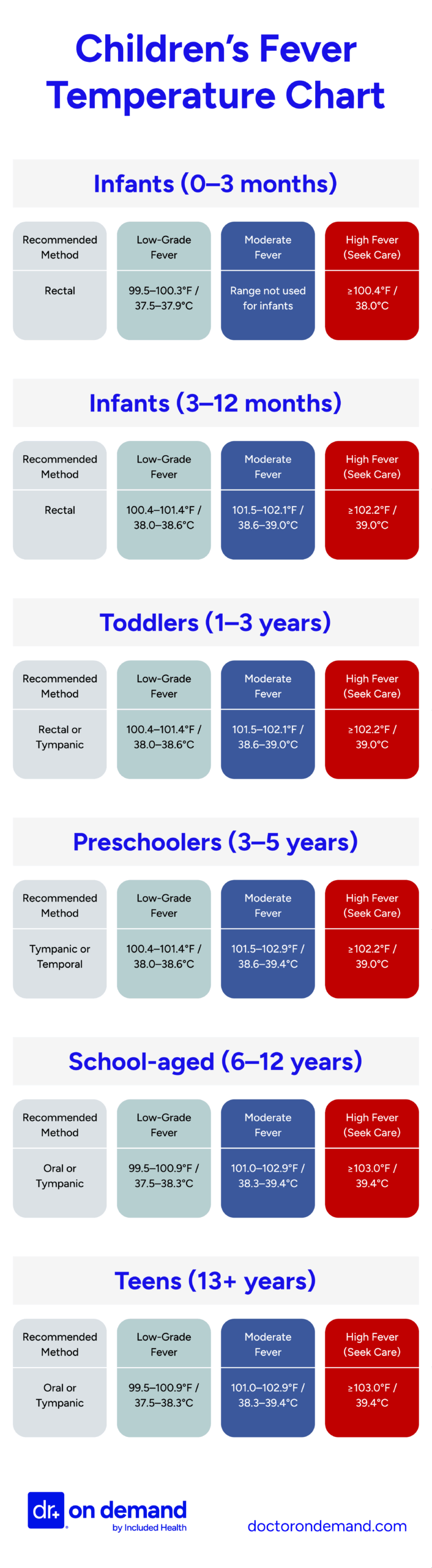
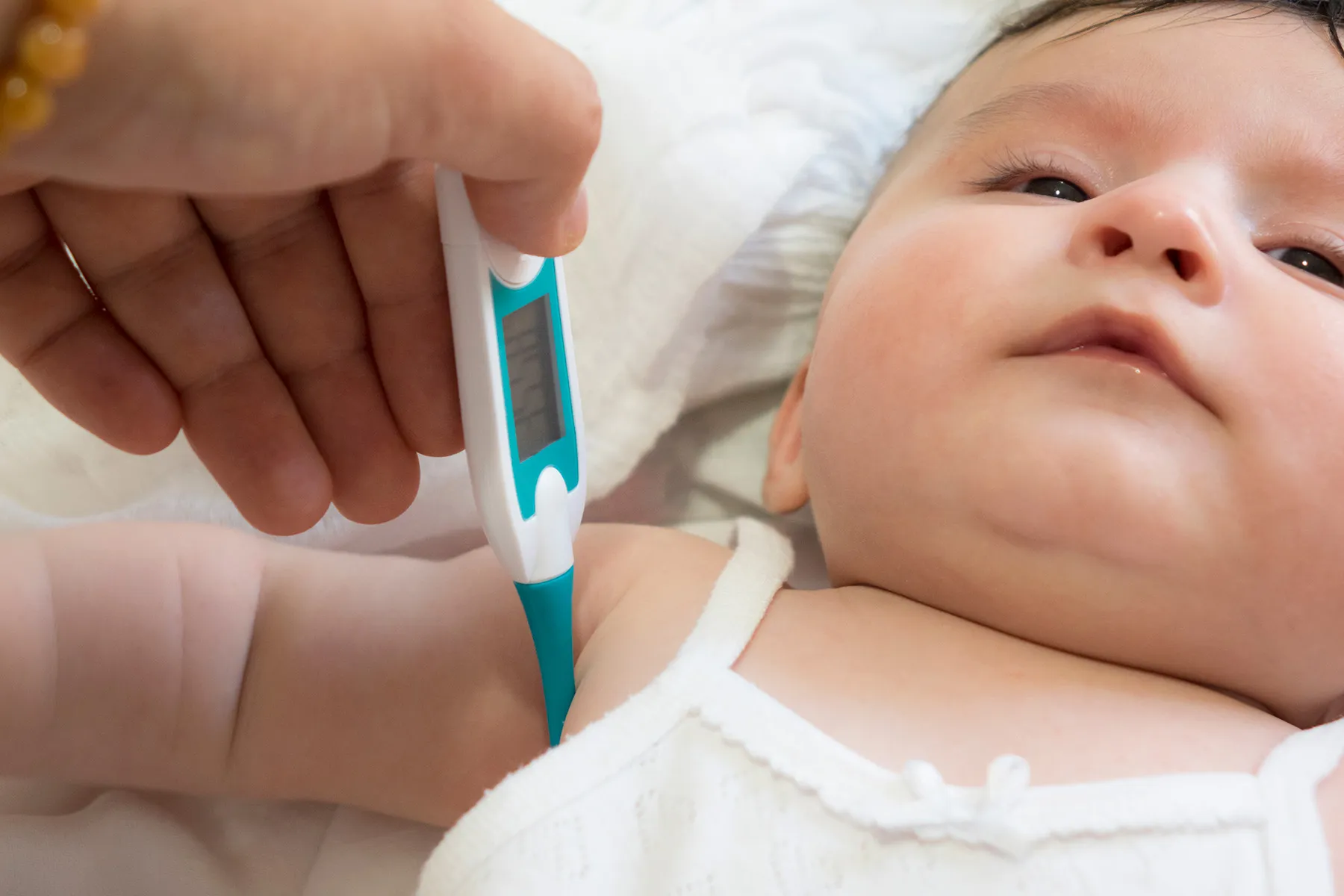
For a 5-month-old, any rectal temperature of 100.4°F (38°C) or higher is generally considered a fever. It’s essential to emphasize the rectal method for accurate temperature readings in infants. Oral thermometers can be unreliable for this age group due to their inability to keep the thermometer under their tongue properly. Ear and forehead thermometers can also be less accurate, especially in very young infants, due to factors like earwax or improper placement. Therefore, a digital rectal thermometer is the gold standard for accurately assessing fever in a 5-month-old.
It’s important to note that a single reading of 100.4°F or higher doesn’t automatically mean there’s a serious problem. Babies’ temperatures can fluctuate slightly due to external factors like being overdressed or the room temperature. However, any persistently elevated temperature, or one that rises quickly, warrants attention. The key is to observe not just the number on the thermometer but also your baby’s overall behavior and other symptoms.
Differentiating Fever from Normal Temperature Fluctuations
It’s easy to panic when you see a slightly elevated temperature on the thermometer. However, understanding what constitutes a normal temperature range for an infant is important. A baby’s normal body temperature typically ranges from 97°F to 100.3°F (36.1°C to 37.9°C). This range can fluctuate throughout the day, influenced by factors such as:
- Activity Level: A very active baby might have a slightly higher temperature.
- Environmental Temperature: Being in a warm room or overdressed can temporarily increase body temperature.
- Recent Feeding: A warm feeding can also slightly influence oral temperature readings, reinforcing the need for rectal measurements in infants.
- Teething: While teething is often blamed for fevers, it’s more likely to cause a slight rise in temperature, not a high fever. If your baby has a significant fever and is teething, it’s crucial to consider other potential causes.
A fever, as defined above, is a deviation from this normal range and indicates the body is responding to a challenge. The importance lies in recognizing when these fluctuations cross the threshold into a true fever and understanding what that signifies.
Common Causes of Fever in 5-Month-Olds: Identifying the Culprits
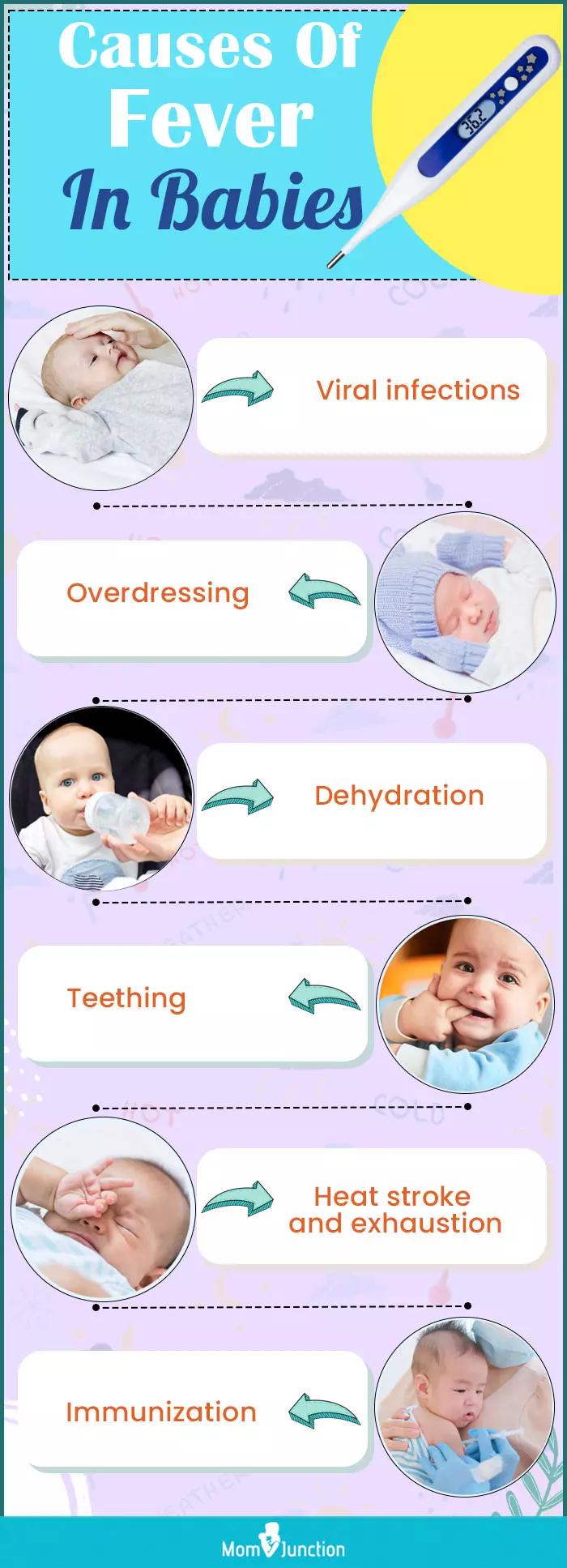
Fever in infants is most commonly a sign that their tiny bodies are battling an infection. The immune system is a remarkable defense mechanism, and fever is one of its primary tools. Understanding the usual suspects can help parents feel more prepared and less overwhelmed.
Viral Infections: The Usual Suspects
The vast majority of fevers in infants are caused by viruses. These can range from common colds to more specific viral illnesses.
- Common Cold: Symptoms include a runny nose, congestion, cough, and sometimes a mild fever. While seemingly minor in adults, a cold in an infant can be more concerning due to their smaller airways and less developed immune systems.
- Respiratory Syncytial Virus (RSV): This is a very common respiratory virus that usually causes mild, cold-like symptoms. However, in infants and young children, RSV can cause serious respiratory illness, including bronchiolitis and pneumonia, often accompanied by fever.
- Influenza (Flu): The flu can cause a sudden onset of fever, cough, body aches, and fatigue. Vaccination is highly recommended for infants once they reach 6 months of age, but younger infants are still vulnerable.
- Roseola: This is a common childhood illness that typically affects babies and young children. It starts with a high fever, which can last for several days, followed by a rash that appears once the fever breaks.
- Hand, Foot, and Mouth Disease: Caused by a virus, this illness presents with fever, sore throat, and a rash with blisters on the hands, feet, and mouth.
The challenge with viral infections is that there are no specific medications to kill the viruses themselves. Treatment focuses on supportive care to manage symptoms and allow the infant’s immune system to fight off the infection.
Bacterial Infections: Requiring Medical Intervention
While less common than viral causes, bacterial infections can also lead to fever in infants and often require prompt medical attention and antibiotic treatment.
- Urinary Tract Infections (UTIs): UTIs are more common in infants than many people realize and can present with fever as the primary symptom. Other signs might include fussiness, poor feeding, vomiting, or changes in urine odor.
- Ear Infections (Otitis Media): Bacterial ear infections are frequent in this age group. While older children might pull at their ears, infants may primarily show symptoms like fever, irritability, and difficulty sleeping.
- Pneumonia: This lung infection can be caused by both viruses and bacteria. Bacterial pneumonia typically requires antibiotics and can manifest with fever, rapid breathing, and cough.
- Meningitis: This is a serious infection of the membranes surrounding the brain and spinal cord. Fever is a key symptom, along with lethargy, irritability, vomiting, and a stiff neck (though this can be difficult to assess in a young infant). Bacterial meningitis is a medical emergency.
When a bacterial infection is suspected, a pediatrician will likely perform diagnostic tests, such as urine cultures or blood tests, to identify the bacteria and prescribe appropriate antibiotics.
Post-Vaccination Fevers: A Normal Immune Response
It’s not uncommon for babies to develop a low-grade fever after receiving vaccinations. This is a normal and expected sign that their immune system is responding to the vaccine, building protection against potentially serious diseases.
- Understanding the Response: Vaccines introduce a weakened or inactive form of a virus or bacteria, or parts of them, to stimulate an immune response. The fever is a sign that the body is learning to recognize and fight off the pathogen.
- Duration and Severity: Post-vaccination fevers are usually mild, typically not exceeding 101°F (38.3°C), and resolve within 24-48 hours. They are generally not a cause for alarm.
- Distinguishing from Other Illnesses: While a post-vaccination fever is usually benign, it’s important to monitor your baby. If the fever is high, persistent, or accompanied by other concerning symptoms, it’s crucial to consult your pediatrician to rule out other causes. The timing of vaccinations means that sometimes a fever might coincide with the onset of another illness, making careful observation key.
When to Seek Medical Attention: Recognizing Red Flags
While most fevers in 5-month-olds are not serious and resolve on their own, there are crucial times when professional medical advice is essential. Trusting your parental instincts is vital, and when in doubt, it’s always best to err on the side of caution and contact your pediatrician.
Key Indicators for Contacting a Pediatrician Immediately
Certain symptoms and circumstances accompanying a fever in a 5-month-old warrant immediate medical attention. These red flags suggest the possibility of a more serious underlying condition that requires prompt diagnosis and treatment.
- Fever of 102.2°F (39°C) or Higher: Any rectal temperature reaching this level in a 5-month-old is considered high and requires immediate evaluation by a healthcare professional.
- Lethargy or Extreme Irritability: If your baby is unusually sleepy, difficult to wake, unresponsive, or inconsolable with extreme irritability, this is a significant cause for concern, regardless of the exact temperature.
- Difficulty Breathing or Rapid Breathing: Signs like grunting with each breath, flaring nostrils, retractions (skin pulling in between the ribs or at the base of the neck when breathing), or breathing much faster than usual need urgent medical assessment.
- Rash: While some fevers are accompanied by benign rashes (like in roseola), a rash that appears suddenly, is purplish or red, or doesn’t fade when pressed (non-blanching rash) can be a sign of a serious infection like meningitis and requires immediate medical attention.
- Signs of Dehydration: Look for a decreased number of wet diapers (fewer than 4-6 in 24 hours), sunken eyes, a sunken soft spot on the top of the head (fontanelle), absence of tears when crying, or a dry mouth and tongue. Dehydration can quickly become serious in infants.
- Seizures: Any seizure activity in an infant, whether accompanied by fever or not, is a medical emergency.
- Vomiting or Diarrhea: While mild vomiting or diarrhea can sometimes accompany a viral illness, persistent vomiting, forceful vomiting, or bloody diarrhea can indicate a more serious issue.
- Refusal to Feed: If your baby is refusing to nurse or take a bottle, this can be a sign of illness and can lead to dehydration.
- Underlying Medical Conditions: If your 5-month-old has any chronic health conditions or a weakened immune system, even a mild fever might require a more cautious approach and prompt consultation with their specialist.
Monitoring Your Baby: The Power of Observation
Beyond specific red flags, consistent and careful observation of your baby’s general well-being is paramount. Technology can play a supporting role here, but the human element of parental observation remains irreplaceable.
- Behavioral Changes: Is your baby acting differently than usual? Are they less playful, more clingy, or generally “off”? These subtle changes can be the earliest indicators of illness.
- Feeding Habits: A noticeable decrease in appetite or a struggle to feed can be concerning.
- Activity Levels: Is your baby sleeping more or less than usual? Are they interacting with their environment less?
- Comfort Measures: How does your baby respond to comfort? Are they easily soothed, or are they inconsolable even with your best efforts?
Leveraging Technology for Support and Information
In today’s digital age, parents have access to a wealth of resources that can aid in managing infant health concerns, including fevers. However, it’s crucial to use these tools wisely and always prioritize professional medical advice.
- Temperature Monitoring Apps and Smart Devices: While not a substitute for a thermometer, some apps can help you track temperature readings over time, noting patterns and fluctuations. Smart thermometers can also provide real-time data, which can be useful when communicating with your pediatrician. However, always rely on a validated, accurate thermometer for initial readings.
- Reputable Online Health Resources: Websites from trusted medical organizations (like the American Academy of Pediatrics, Mayo Clinic, or your country’s national health service) offer evidence-based information on infant health, fevers, and when to seek help. Be wary of anecdotal advice or unverified information found on forums.
- Telehealth Services: Many pediatric practices now offer telehealth appointments, allowing you to discuss your concerns with a doctor remotely. This can be particularly helpful for non-urgent questions or to get initial guidance before deciding whether an in-person visit is necessary.
- Parenting Communities (with Caution): Online parenting groups can offer a sense of community and shared experience. However, it’s crucial to remember that advice from other parents is not a substitute for professional medical guidance. Use these platforms for emotional support and to gather general perspectives, but always consult your doctor for specific health concerns.
Managing Fever in a 5-Month-Old: Comfort and Care
Once you’ve confirmed your baby has a fever and have assessed the situation, your focus shifts to providing comfort and ensuring they stay hydrated. The primary goal isn’t necessarily to eliminate the fever entirely but to manage any discomfort it causes and monitor for worsening symptoms.
Hydration: The Cornerstone of Infant Care
Dehydration is a significant concern when an infant has a fever, as they can lose fluids more quickly. Maintaining adequate hydration is paramount for their recovery and overall well-being.
- Breastfeeding/Formula Feeding: Continue to offer breast milk or formula frequently. For breastfed babies, this might mean offering the breast more often, even if they only feed for short periods. For formula-fed babies, ensure they are taking their usual amounts.
- Signs of Effective Hydration: Monitor the number of wet diapers. A baby who is well-hydrated will typically have at least 4-6 wet diapers in a 24-hour period. Look for clear or pale yellow urine.
- When to Supplement: If your baby is having difficulty feeding or vomiting, discuss with your pediatrician whether oral rehydration solutions might be appropriate. Do not give water or juice to a baby under 6 months old unless specifically advised by a doctor.
Fever-Reducing Medications: When and How to Use Them
For a 5-month-old, the only recommended fever-reducing medication is acetaminophen (Tylenol). Ibuprofen (Advil, Motrin) is generally not recommended for infants under 6 months of age unless specifically directed by a pediatrician.
- Dosage is Key: It is absolutely critical to use the correct dosage of acetaminophen based on your baby’s weight, not their age. Always use the measuring device that comes with the medication. Overdosing can be dangerous.
- Consult Your Pediatrician: Before administering any medication, it is always best to consult with your pediatrician. They can advise you on the appropriate dosage, frequency, and whether fever reducers are even necessary. Some pediatricians prefer to let mild fevers run their course as a sign of the immune system working.
- Not a Cure: Remember that fever reducers manage the symptom of fever but do not treat the underlying cause of the illness.
Comfort Measures: Soothing Your Baby
Beyond medical interventions, providing comfort can significantly help your baby feel better.
- Dress Lightly: Avoid overdressing your baby, as this can trap heat. Dress them in lightweight clothing.
- Lukewarm Baths: A lukewarm (not cold) sponge bath or bath can help bring down a fever and offer comfort. Never use cold water or alcohol rubs, as these can cause dangerous temperature drops or skin irritation.
- Rest: Ensure your baby has plenty of opportunities for rest. A tired baby is often a more uncomfortable baby.
- Cuddles and Reassurance: Your presence and affection can be incredibly soothing for a sick infant.
The Role of Parental Instinct and Technology in Brand Building
As a parent navigating infant health, you are effectively building the “brand” of your child’s well-being. This involves a proactive and informed approach that can be supported by technological tools and strategies. Think of your child’s health as a long-term project requiring consistent monitoring, informed decision-making, and reliable information.
- Personal Branding of Parenthood: Your approach to your child’s health is part of your personal brand as a parent. Demonstrating calm, informed, and responsible decision-making during health challenges builds trust and confidence, both for yourself and for those who may be observing your parenting journey (e.g., family, friends, and in the future, your child themselves).
- Leveraging Digital Tools for Brand Building: Utilizing apps for tracking fevers, accessing reputable health information, and even using telehealth services are all ways you are proactively managing your child’s health narrative. This creates a digital footprint of responsible care.
- Brand Reputation of Your Pediatrician: The relationship you build with your pediatrician is also a form of brand loyalty. Choosing a practice with good communication, accessibility, and a strong reputation for care contributes to your overall peace of mind. Relying on their expertise builds a trusted relationship, much like a consumer builds loyalty with a trusted brand.
- Financial Preparedness (Money Aspect): While not directly related to the fever itself, ensuring you have adequate health insurance and understanding your coverage are crucial financial aspects of managing infant health. This proactive financial planning can be considered part of building a secure “brand” for your child’s future, encompassing their health and well-being.
In conclusion, understanding what constitutes a fever for a 5-month-old is crucial for all parents. By recognizing the signs, understanding the common causes, and knowing when to seek professional help, you can navigate these challenging moments with greater confidence. In our increasingly digital world, technology can be a valuable ally in this journey, offering tools and information to support your informed decision-making. However, remember that the most important tool remains your love, observation, and the trusted guidance of your pediatrician.
aViewFromTheCave is a participant in the Amazon Services LLC Associates Program, an affiliate advertising program designed to provide a means for sites to earn advertising fees by advertising and linking to Amazon.com. Amazon, the Amazon logo, AmazonSupply, and the AmazonSupply logo are trademarks of Amazon.com, Inc. or its affiliates. As an Amazon Associate we earn affiliate commissions from qualifying purchases.