
The digital streaming landscape has undergone a radical transformation over the last decade, transitioning from a luxury add-on to a primary source of entertainment for millions. At the center of this evolution is Amazon Prime Video, a platform that has redefined the “all-in-one” digital ecosystem. However, for many users, the pricing structure remains complex due to its dual nature as both a standalone software service and a component of the broader Amazon Prime membership. Understanding the cost of an Amazon Video subscription requires a deep dive into the technical tiers, the value of the integrated software features, and how it compares to the competitive tech market.
The Multi-Tiered Architecture of Amazon Video Pricing
Amazon’s approach to subscription modeling is unique in the tech world. Unlike platforms that offer a single entry point, Amazon provides multiple pathways to access its video library, tailored to different user requirements and hardware ecosystems.
The Full Amazon Prime Membership
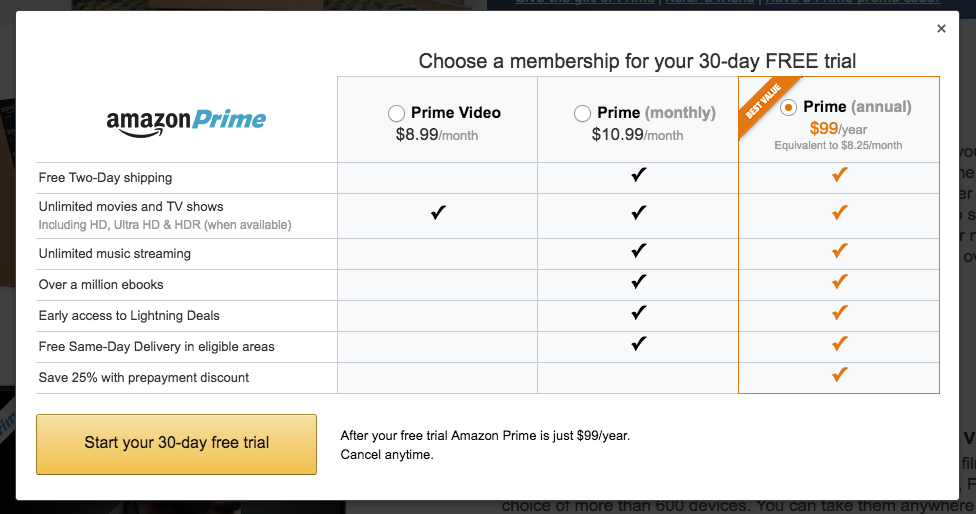
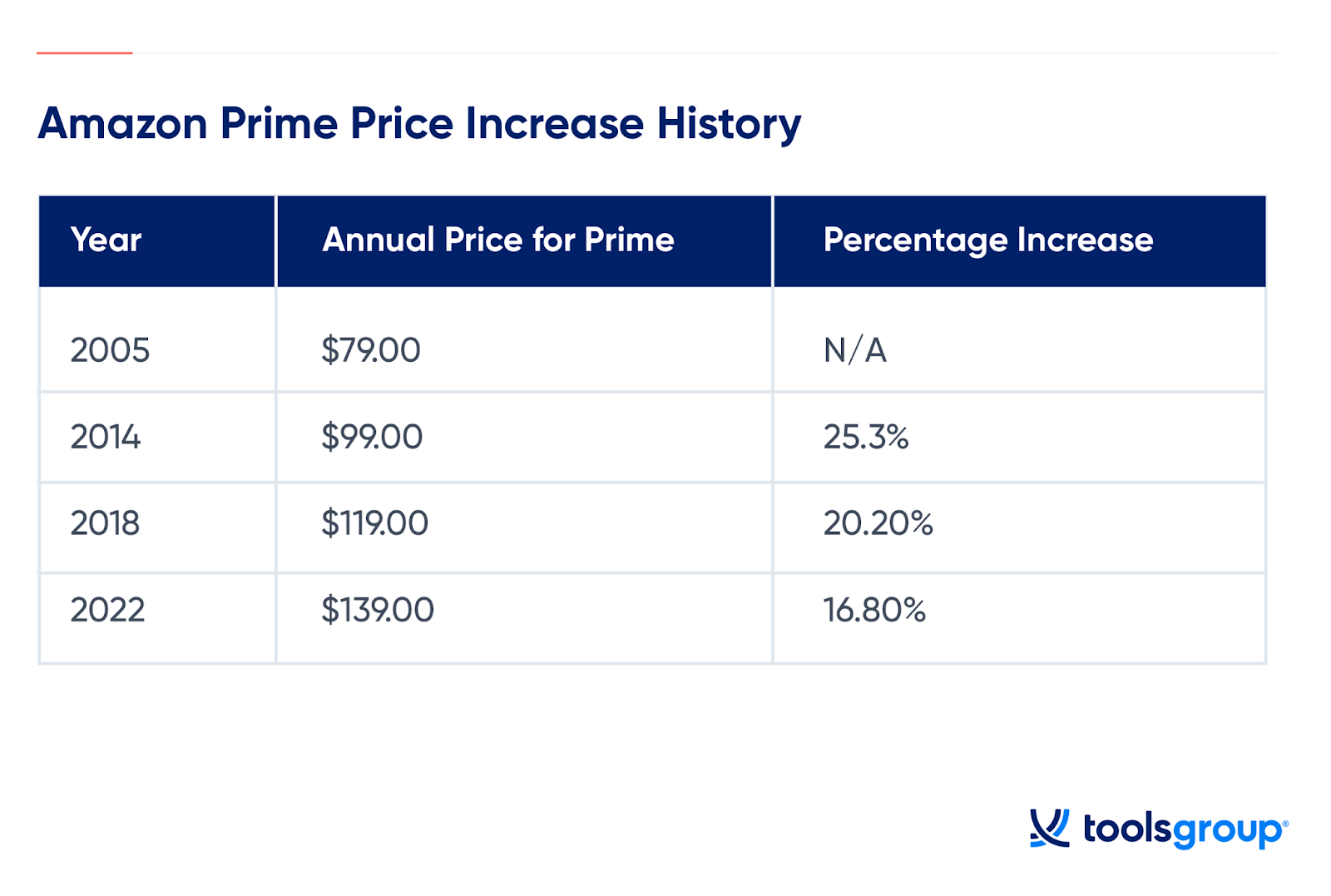
The most common way to access Prime Video is through the comprehensive Amazon Prime membership. As of the latest update, this costs $14.99 per month or $139 per year. From a technical standpoint, this is not just a video subscription; it is a license to a suite of digital services. The annual payment offers a significant discount over the monthly recurring billing, appealing to long-term users who utilize the platform’s integrated features, such as Amazon Music, Prime Gaming, and unlimited photo storage. For students, Amazon offers a highly subsidized tier at $7.49 per month, recognizing the importance of capturing a younger demographic within their software ecosystem.
The Standalone Prime Video Subscription
For users who do not require the logistics and shipping benefits of a full Prime membership, Amazon offers a standalone Prime Video subscription. This is priced at $8.99 per month. This tier focuses exclusively on the streaming app’s capabilities, providing access to the full library of licensed and original content without the additional fluff of the broader retail ecosystem. This is a strategic move to compete directly with specialized streaming apps like Netflix or Disney+, offering a lower-cost entry point for the “cord-cutter” demographic.
The Shift to Ad-Supported and Ad-Free Tiers
In a significant shift in the streaming software industry, Amazon recently introduced an ad-supported model as the default for its subscribers. To remove advertisements and access higher-tier technical features, users must now pay an additional $2.99 per month. This “Ad-Free” upgrade is a growing trend in digital media, allowing platforms to subsidize content costs through advertising revenue while providing a premium, uninterrupted experience for those willing to pay the technical surcharge.
Technical Features and Platform Performance: The Value Beyond the Monthly Fee
When evaluating the cost of a subscription, it is essential to consider the technical specifications and proprietary software features that Amazon provides. Prime Video is not merely a content repository; it is a sophisticated piece of streaming technology powered by the Amazon Web Services (AWS) backbone.
X-Ray Technology and IMDb Integration
One of the most distinctive technical features included in the subscription is “X-Ray.” Powered by IMDb (an Amazon subsidiary), this feature uses metadata synchronization to provide real-time information on actors, soundtracks, and trivia while a video is playing. This interactive layer is unique to Amazon’s software architecture, utilizing deep-link API calls to enhance the user experience. For cinephiles and tech enthusiasts, this functionality adds immense value that is often absent in competing applications.
4K UHD, HDR, and High-Fidelity Audio
Amazon has been a pioneer in pushing high-fidelity streaming standards. Most Prime Video titles are available in 4K Ultra HD (UHD) at no additional cost—a feature that platforms like Netflix often gate behind their most expensive monthly tiers. The service supports High Dynamic Range (HDR) formats including HDR10, HDR10+, and Dolby Vision. On the audio front, the platform utilizes Dolby Atmos for a spatial audio experience, provided the user’s hardware supports the codec. This commitment to high-bitrate streaming ensures that the subscription cost translates into a high-quality visual and auditory experience.
User Interface and Recommendation Algorithms
The Prime Video UI (User Interface) has seen significant technical overhauls to improve discoverability. Leveraging machine learning and AWS-driven algorithms, the platform analyzes viewing habits to provide personalized recommendations. The software also supports up to six user profiles and three concurrent streams, making it a robust option for multi-user households.
Cross-Platform Compatibility and Hardware Integration

A subscription to Amazon Video is only as valuable as its accessibility across devices. Amazon has built a massive footprint in the hardware market, which creates a seamless synergy with its video software.
The Fire TV Ecosystem
Amazon’s proprietary hardware—the Fire TV Stick, Fire Cube, and Fire Omni Series TVs—are designed to be the “native” environment for Prime Video. The integration is deep; the Fire OS home screen prioritizes Prime content, uses Alexa for voice-activated content searches, and provides system-level optimizations for the Prime Video app. For users within this hardware ecosystem, the subscription fee provides a streamlined, low-latency experience that is difficult to replicate on third-party devices.
Mobile and Desktop Optimization
The Prime Video app is available across iOS, Android, and Windows. A critical technical feature of the mobile app is the “Download” functionality. Users can download content for offline viewing, with the app offering various quality settings (Data Saver, Good, Better, Best) to manage device storage and data usage. This level of control is essential for mobile users who need to balance visual fidelity with bandwidth constraints.
Game Consoles and Smart TVs
Beyond its own hardware, Amazon maintains high-performance apps for PlayStation, Xbox, and virtually every major Smart TV brand (Samsung, LG, Sony, etc.). The technical challenge of maintaining feature parity across such a diverse array of chipsets and operating systems is significant, and it is part of what the subscription fee covers. Whether you are using a 10-year-old console or the latest OLED display, the app’s ability to decode high-resolution streams consistently is a testament to its technical engineering.
Aggregated Content Hubs: The Technical Logic of Prime Video Channels
One of the most innovative aspects of the Amazon Video subscription is its role as a “digital mall” for other streaming services. This is managed through “Prime Video Channels.”
Seamless Integration of Third-Party Apps
Instead of maintaining separate apps and billing cycles for services like Paramount+, Max, or MGM+, users can subscribe to these channels directly within the Prime Video interface. This creates a centralized technical hub where all content is accessible through a single UI and a single billing statement. From a software management perspective, this reduces “subscription fatigue” and allows the Prime Video app to function as a primary OS for all entertainment needs.
Live Sports and Event Streaming
Amazon has invested heavily in the infrastructure required to stream high-stakes live events, such as the NFL’s Thursday Night Football. Streaming live sports at scale requires massive server capacity and ultra-low latency to prevent delays between the broadcast and social media updates. The subscription cost contributes to the maintenance of this high-bandwidth infrastructure, ensuring that millions of concurrent viewers can stream in HD without server crashes.
Managing the Digital Subscription Ecosystem and Data Security
In an era of digital vulnerability, the security features associated with an Amazon Video subscription are paramount. The platform leverages Amazon’s enterprise-grade security protocols to protect user data and payment information.
Parental Controls and Profile Management
The software includes robust parental control settings, allowing users to set “PIN” restrictions for content ratings. This is managed at the account level, ensuring that settings sync across all logged-in devices. Technologically, this involves real-time permission checks against the content’s metadata, ensuring a safe environment for younger viewers.
Privacy and Data Usage
Amazon provides users with transparency tools to manage their data. Within the account settings, users can view their watch history, manage personalized recommendations, and control how their viewing data is used for advertising. Additionally, the app offers technical tools to monitor data consumption, which is crucial for users on capped internet plans or those using mobile hotspots.
Subscription Management and Security
Managing the financial aspect of the subscription is handled through the “Your Memberships & Subscriptions” portal. Here, users can toggle auto-renewal, update payment methods, and monitor their billing history. The use of Two-Factor Authentication (2FA) adds a layer of security to the subscription, preventing unauthorized access to the account and the sensitive payment data stored within the Amazon ecosystem.
By analyzing the “How much is Amazon Video subscription” query through a technical lens, it becomes clear that the price is not just for the content itself, but for the sophisticated delivery system, the cross-hardware compatibility, and the innovative software features like X-Ray and 4K integration. Whether opting for the standalone $8.99 tier or the full $14.99 Prime experience, users are investing in one of the most technologically advanced media platforms currently available.
aViewFromTheCave is a participant in the Amazon Services LLC Associates Program, an affiliate advertising program designed to provide a means for sites to earn advertising fees by advertising and linking to Amazon.com. Amazon, the Amazon logo, AmazonSupply, and the AmazonSupply logo are trademarks of Amazon.com, Inc. or its affiliates. As an Amazon Associate we earn affiliate commissions from qualifying purchases.