
In the contemporary digital landscape, the phrase “Amazon TV” has become a shorthand for a complex intersection of software services, hardware integrations, and content delivery networks. For users asking about the monthly cost, the answer involves more than a simple flat fee; it requires an understanding of the Amazon Prime Video software architecture, the hardware ecosystem of Fire TV devices, and the technical tiers that define the modern streaming experience. As Amazon continues to pivot toward an ad-supported model while simultaneously pushing the boundaries of 4K streaming technology, the “cost” is increasingly measured in both subscription dollars and technical specifications.
Decoding the Amazon Streaming Infrastructure: Prime Video vs. Standalone Access
The primary gateway to Amazon’s television content is Prime Video. Unlike many of its competitors, Amazon offers two distinct technical pathways to access its library, each with its own pricing structure and feature set. Understanding the difference between these tiers is essential for any user looking to optimize their home theater setup.
The Software Architecture of Prime Video
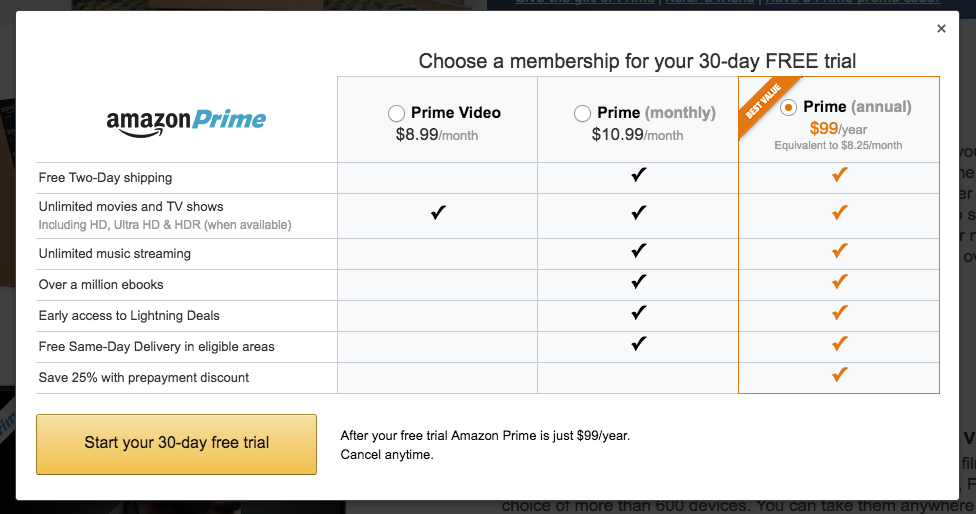
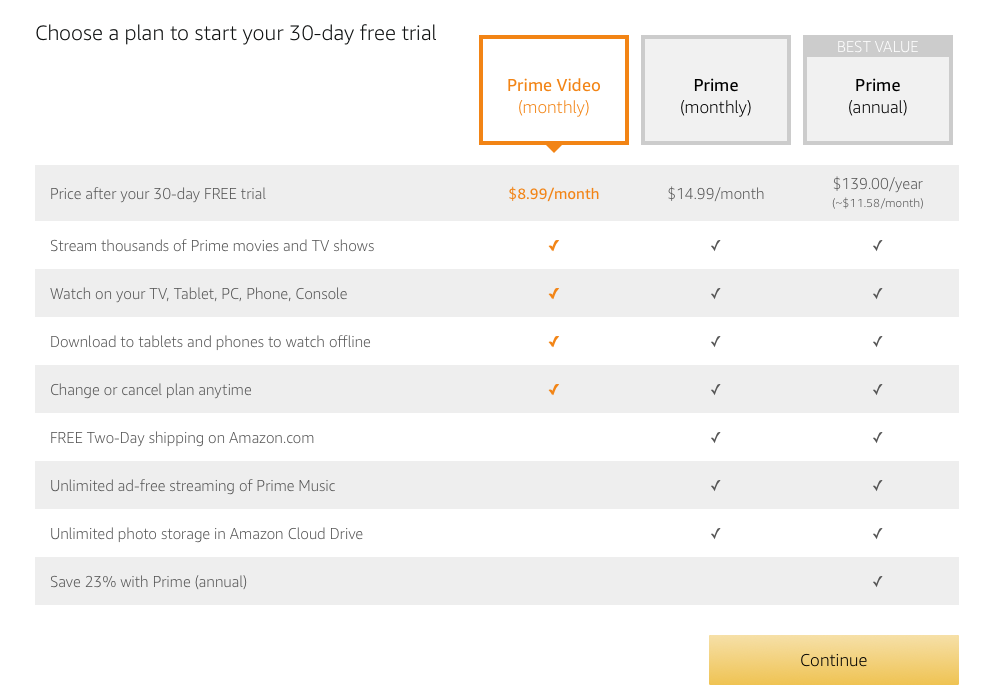
At its core, Prime Video is a sophisticated Video on Demand (VOD) platform. For most users, access is bundled with a full Amazon Prime membership, which currently costs $14.99 per month or $139 per year. From a technical standpoint, this membership grants access to the Prime Video app across virtually all operating systems, including iOS, Android, and various smart TV platforms.
However, for those who do not require the logistical benefits of Prime (such as expedited shipping), Amazon offers a standalone Prime Video subscription for $8.99 per month. While the content library remains identical, the technical integration is streamlined. This tier is designed specifically for the “cord-cutter” demographic—users who rely on high-speed internet and app-based consumption rather than traditional cable or a broader retail ecosystem.
Ad-Supported vs. Ad-Free Tiers: The Technical Trade-off
In early 2024, Amazon implemented a significant shift in its streaming tech stack by introducing advertisements into its standard Prime Video playback. This change was not merely a business decision but a reconfiguration of the streaming engine. To opt out of these advertisements and regain an uninterrupted stream, users must pay an additional $2.99 per month.
From a software perspective, the ad-supported tier utilizes dynamic ad insertion (DAI) technology. This allows Amazon to serve personalized advertisements in real-time, based on user metadata and viewing habits. The $2.99 “tech premium” for ad-free viewing essentially removes these insertion points from the stream’s manifest file, providing a lower-latency, more seamless viewing experience. For home theater enthusiasts, the ad-free tier is often considered mandatory, as it frequently correlates with the highest available bitrates and audio formats.
The Hardware Component: Fire TV Devices and Integration
While the software provides the content, the “Amazon TV” experience is often defined by the hardware that delivers it. Amazon’s Fire TV lineup represents some of the most ubiquitous streaming gadgets on the market, and their cost must be factored into the overall monthly investment in the ecosystem.
Fire TV Stick vs. Fire TV Cube: Performance Metrics
The hardware choice significantly impacts the technical quality of the stream. The Fire TV Stick 4K Max, for instance, supports Wi-Fi 6E, a crucial technical standard for reducing congestion in high-density environments. This device, typically a one-time purchase ranging from $30 to $60, acts as the “brain” of the television, handling the decoding of H.265 (HEVC) and VP9 video codecs.
For users seeking a more robust tech stack, the Fire TV Cube offers an integrated hexa-core processor and dedicated Ethernet ports. This is a critical distinction for users who prioritize 4K UHD playback without the jitter or buffering associated with wireless interference. While these are hardware costs rather than monthly fees, they are the technical prerequisites for maximizing a monthly Prime Video subscription.
Smart TV Integration and OS Updates
Amazon has also licensed its Fire TV OS to manufacturers like Toshiba, Insignia, and even its own “Omni Series” televisions. In these cases, the cost of “Amazon TV” is built into the hardware of the set itself. The technical benefit here is the deep integration of the Alexa Voice Remote and the Fire TV dashboard. These sets receive regular firmware updates that optimize the UI and improve the efficiency of the streaming apps. Maintaining these devices requires no monthly fee beyond the Prime subscription, but their longevity depends on Amazon’s continued software support for the underlying Android-based architecture.
Technical Specs and Streaming Quality Requirements
The cost of Amazon TV per month is also indirectly influenced by the infrastructure required to support its highest technical tiers. High-definition and 4K streaming are data-intensive processes that demand specific hardware and internet capabilities.
Bandwidth Demands for 4K UHD and HDR
To stream Amazon’s “Originals” in 4K Ultra HD, the Prime Video app requires a minimum consistent download speed of 15 Mbps. However, for a buffer-free experience that accommodates HDR10+ or Dolby Vision, a 25 Mbps overhead is recommended. When calculating the “per month” cost, users must ensure their ISP (Internet Service Provider) provides a data plan capable of handling the high throughput required by Amazon’s servers.
Amazon utilizes adaptive bitrate streaming (ABS), which adjusts the video quality in real-time based on the user’s network conditions. From a technical standpoint, this prevents the stream from stopping entirely, but it can lead to “pixelation” if the bandwidth drops. For power users, the “cost” of the high-end Amazon TV experience includes the monthly price of a premium high-speed internet plan.
Audio Standards: Dolby Atmos and Surround Sound Support
A significant part of the technical value proposition of Prime Video is its support for advanced audio codecs. Amazon TV content often features Dolby Atmos, an object-based audio format that provides a three-dimensional soundstage. Accessing this tech requires both the ad-free subscription tier and compatible hardware, such as an eARC-enabled soundbar or an AV receiver. The technical synergy between the Prime Video app and the hardware’s ability to decode these streams is what differentiates a standard viewing experience from a professional-grade home cinema.
Expanding the Tech Stack: Prime Video Channels and Add-ons
Amazon TV is not a monolithic service; it functions as an aggregator or a “hub” for other streaming technologies. Through “Prime Video Channels,” Amazon allows users to integrate third-party software services into a single interface.
API Integration for Third-Party Networks
Channels like Paramount+, Max, and MGM+ can be added to the Amazon interface for additional monthly fees, ranging from $5.99 to $15.99. The technical advantage of this system is the unified API. Instead of switching between different apps—each with its own UI, login credentials, and video player—users can access all content through the Prime Video player. This centralization reduces “app fatigue” and leverages Amazon’s robust Content Delivery Network (CDN) to ensure consistent playback across different networks.
Managing Multiple Subscriptions within One Interface
For the modern tech-savvy consumer, the ability to manage billing and access through one dashboard is a significant feature. Amazon’s backend handles the entitlements for these various services, ensuring that when you subscribe to a channel, the content is instantly unlocked across all Fire TV and Prime Video-enabled devices. This “hub-and-spoke” model is a masterclass in software ecosystem design, although it can quickly escalate the total monthly expenditure.
The Future of Amazon’s Entertainment Technology
As we look at the monthly cost of Amazon TV, we must also consider the ongoing technological innovations that are being integrated into the platform. Amazon is moving beyond simple video playback toward a more interactive and AI-driven ecosystem.
AI-Driven Personalization and X-Ray Features
One of the standout technical features of Amazon TV is “X-Ray,” powered by IMDb. This real-time metadata overlay provides information on actors, music, and trivia during playback. This requires a sophisticated synchronization between the video stream and a cloud-based database. Furthermore, Amazon is increasingly utilizing machine learning (ML) to improve its recommendation engine. By analyzing petabytes of viewing data, the platform tailors the UI for each individual user, a technical feat that adds immense value to the monthly subscription.
The Shift Toward Live Sports Streaming Tech
Amazon’s acquisition of “Thursday Night Football” rights has forced a massive upgrade in its live-streaming infrastructure. Live sports present a unique technical challenge: minimizing latency so that the “spoiler” from a mobile notification doesn’t arrive before the play on the screen. Amazon has invested heavily in low-latency streaming protocols and edge computing to ensure that its live broadcasts are as close to real-time as possible. This technical robustness is part of what users are paying for when they subscribe to Prime.
In conclusion, the cost of “Amazon TV” is a multi-tiered calculation. While the base software access starts at $8.99 or $14.99 per month, the total technical investment includes ad-free upgrades, hardware like the Fire TV Stick, and the necessary high-speed internet infrastructure. For the tech enthusiast, Amazon TV represents one of the most comprehensive and technologically advanced entertainment ecosystems available, blending high-end video codecs, AI-driven features, and a versatile hardware-software synergy.
aViewFromTheCave is a participant in the Amazon Services LLC Associates Program, an affiliate advertising program designed to provide a means for sites to earn advertising fees by advertising and linking to Amazon.com. Amazon, the Amazon logo, AmazonSupply, and the AmazonSupply logo are trademarks of Amazon.com, Inc. or its affiliates. As an Amazon Associate we earn affiliate commissions from qualifying purchases.