
The melodic dance of words, the resonant echo that lingers long after the last syllable fades – these are the hallmarks of poetry. At the heart of this auditory artistry lies a fundamental building block, a technique that has shaped verse for centuries: the end rhyme. While often seen as a purely literary device, understanding end rhyme offers surprising insights and practical applications for creators across the diverse landscapes of technology, branding, and even finance. This article delves into the essence of end rhyme, exploring its mechanics, its impact on poetic expression, and its unexpected relevance in the digital age.
The Mechanics and Magic of End Rhyme
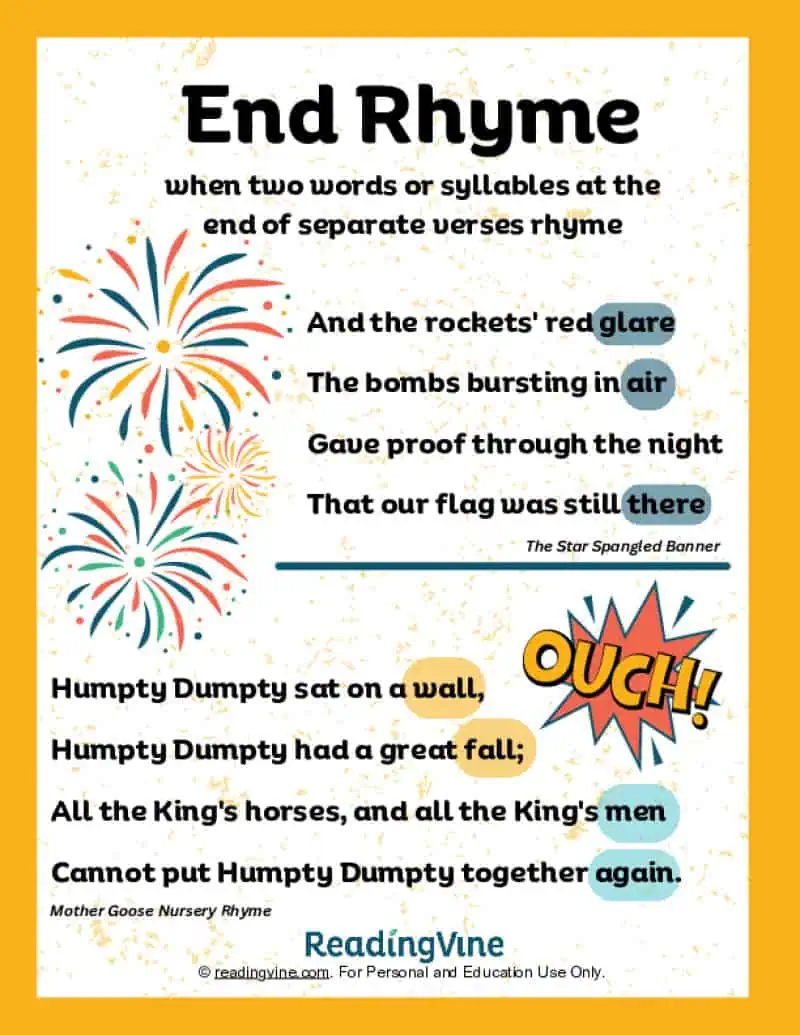
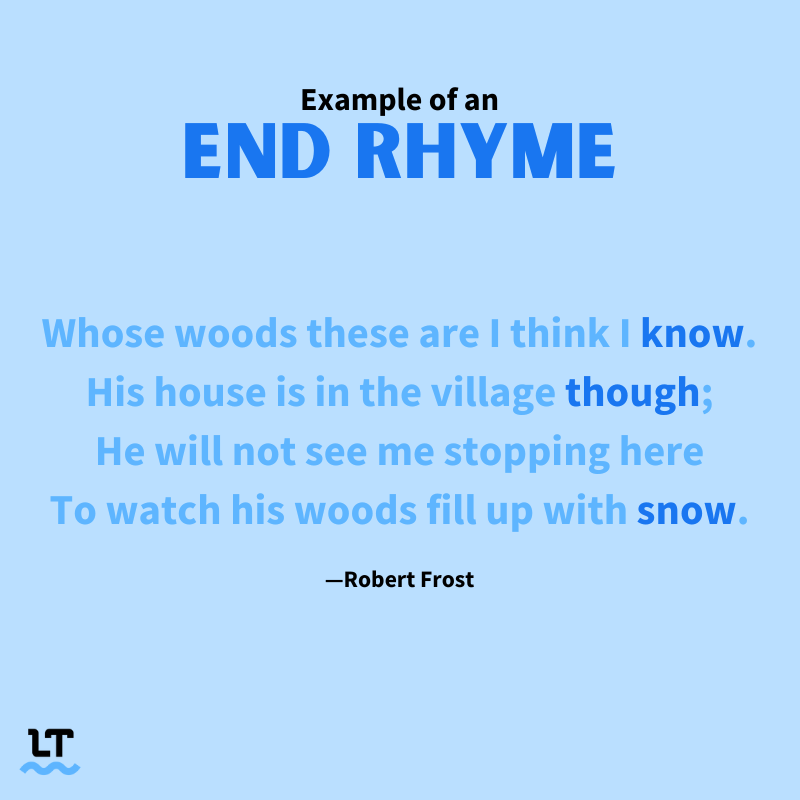
At its simplest, an end rhyme is the repetition of similar sounds at the end of two or more lines of poetry. This similarity usually occurs from the last stressed vowel sound onwards. It’s not just about identical spellings; it’s about the sonic connection that binds lines together, creating a sense of unity and musicality.
Defining the Rhyme: From Perfect to Slant
While the core concept is straightforward, the nuances of end rhyme are vast. The most common and impactful form is the perfect rhyme, where the final stressed vowel and all subsequent sounds are identical. Think of classic pairs like “day” and “play,” “night” and “light,” or “heart” and “start.” These create a strong, satisfying resolution that signals the end of a phrase or thought.
However, poetry isn’t always so neat and tidy. Slant rhyme, also known as near rhyme, half rhyme, or imperfect rhyme, offers a subtler sonic connection. Here, the sounds are similar but not identical. Examples include “soul” and “all,” “shape” and “keep,” or “door” and “more.” Slant rhymes can create a more understated, sophisticated, or even unsettling effect, adding depth and avoiding predictability.
Beyond these, we encounter eye rhyme, where words look like they should rhyme based on their spelling but don’t in pronunciation (e.g., “love” and “move,” “cough” and “bough”). While less common in contemporary poetry, it historically played a role in establishing poetic conventions.
The Impact on Poetic Structure and Emotion
End rhyme isn’t merely decorative; it’s a powerful tool that influences how a poem is structured, how it flows, and the emotional landscape it evokes.
- Rhythm and Meter: Rhyme often works in tandem with meter, the pattern of stressed and unstressed syllables. A consistent rhyme scheme (like AABB, ABAB, or ABCB) can reinforce the poem’s rhythmic pulse, making it more memorable and pleasing to the ear. This predictable pattern can guide the reader through the poem, offering a sense of order and anticipation.
- Memorability and Musicality: The sonic resonance of end rhyme makes poetry inherently more memorable. This is why nursery rhymes and folk songs, often rich in rhyme, are so deeply ingrained in our cultural consciousness. The musical quality of rhyme can transform spoken words into something akin to song, enhancing their emotional impact.
- Thematic Reinforcement: Rhyming words can subtly highlight connections between ideas or images. When two lines end with rhyming words, the reader’s ear is drawn to the shared sound, prompting them to consider the relationship between the concepts presented in those lines. This can be a powerful way to emphasize key themes or develop a central argument.
- Emotional Resonance: The resolution offered by a perfect rhyme can create a sense of closure, satisfaction, or even inevitability. Conversely, the slight dissonance of a slant rhyme can evoke a feeling of unease, surprise, or contemplation. The poet’s choice of rhyme, or even the deliberate absence of it, can significantly shape the reader’s emotional journey.
Beyond the Bard: End Rhyme in the Digital Age

While poetry might seem like an ancient art form, the principles of clear communication, memorable messaging, and impactful storytelling, all fostered by techniques like end rhyme, are more relevant than ever in our hyper-connected world. The skills honed by understanding poetic devices can translate surprisingly well into the domains of technology, branding, and even personal finance.
2.1. End Rhyme and the Art of Branding: Crafting Memorable Identities
In the crowded digital marketplace, where brands vie for attention, memorability is currency. This is where the principles of end rhyme, albeit metaphorically, find their footing in the world of brand strategy and personal branding.
- Slogans and Taglines: Think of iconic slogans: “Snap, Crackle, Pop!” or “The Ultimate Driving Machine.” While not always strict end rhymes, they utilize sonic devices and rhythmic repetition that resonate with the principles of rhyme. A well-crafted tagline, much like a rhyming couplet, aims for a memorable, easily repeatable phrase that encapsulates the essence of a brand. The sonic quality makes it stick, just as an end rhyme sticks in the mind. For example, a tech company developing innovative software might aim for a tagline that is concise and has a satisfying cadence, perhaps even employing a subtle internal rhyme or assonance that mimics the effect of end rhyme.
- Brand Names and Product Names: The choice of brand names and product names is crucial for recall. Names that are easy to pronounce, have a pleasing sound, and perhaps even a rhythmic quality, are more likely to be remembered. While direct end rhymes might be too playful for some corporate identities, the underlying principle of sonic harmony and memorability is directly applicable. Consider the success of brands like “Google” or “Spotify” – their names have a certain sonic appeal and are easily recalled, echoing the effectiveness of rhyming couplets in making information stick.
- Marketing Campaigns and Storytelling: Effective marketing often involves storytelling, and just as poets use rhyme to guide the narrative and create emotional impact, brands can use similar techniques to craft compelling narratives. Repetition, rhythm, and sonic cues in advertising copy or video scripts can make a campaign more engaging and memorable. A well-executed marketing campaign can create an emotional connection with the audience, much like a poem that uses rhyme to touch the heart.
- Personal Branding and “Brand Rhyme”: For individuals looking to establish a strong personal brand, the concept of a “brand rhyme” can be a useful framework. What are the core elements of your professional identity that you want to repeat and reinforce? What is the overarching message or promise you want to convey? Just as end rhymes create a satisfying conclusion to a poetic line, a clear and consistent personal brand offers a sense of completion and understanding for those who encounter it. This could manifest in your online presence, your elevator pitch, or even the way you articulate your expertise. The goal is for your key attributes to “rhyme” in the audience’s mind, creating a cohesive and memorable impression.
2.2. Technology and the Rhythmic Flow of Information
The world of technology, with its rapid innovation and complex systems, might seem distant from the lyrical world of poetry. However, the principles of clarity, efficiency, and the creation of intuitive user experiences share a surprising kinship with the art of rhyme.
- User Interface (UI) and User Experience (UX) Design: In UI/UX design, the goal is to create interfaces that are not only functional but also intuitive and aesthetically pleasing. This involves a form of “rhythm” and “flow” that can be analogous to poetic meter and rhyme. Clear, consistent design patterns and predictable navigation create a sense of order and ease, much like a well-structured poem. When elements “rhyme” visually – through consistent styling, color palettes, or interactive feedback – users can navigate an application or website more effectively. Think of how a well-placed button or a consistent menu bar creates a predictable “rhyme” in the user’s interaction, guiding them seamlessly.
- Code Readability and Maintainability: For software developers, writing readable and maintainable code is paramount. This involves structuring code in a logical, consistent manner, where functions and modules perform predictable actions – a form of sonic and logical “rhyme” within the codebase. When different parts of the code “rhyme” in their structure and purpose, it becomes easier for developers to understand, debug, and extend. Poorly structured code, on the other hand, is like a poem with chaotic meter and jarring rhymes, making it difficult to follow and prone to errors.
- AI and Natural Language Processing (NLP): Artificial intelligence, particularly in the realm of NLP, directly engages with language. AI models are trained to recognize patterns, predict sequences, and understand the nuances of human communication. The ability of NLP to identify and generate rhyming patterns, or to mimic the sonic and thematic connections of rhyme, is a testament to the underlying mathematical and statistical structures of language that poets have intuitively harnessed for centuries. AI can analyze vast datasets to identify effective rhyming schemes and predict how different word choices will resonate, mirroring the poet’s careful selection of words.
- Digital Security and Memorability: Even in digital security, where abstract concepts often dominate, the principle of memorability plays a role. Strong passwords, while ideally complex, are often easier to recall when they have a certain rhythm or a familiar pattern, even if it’s a personal one. While we advise against predictable patterns for security reasons, the inherent human tendency to favor memorable sequences, much like rhyming lines, is a factor. Developers of security tools also strive for intuitive interfaces and clear communication, ensuring that the “language” of cybersecurity is accessible and understandable.
2.3. Money and the Rhythmic Cadence of Financial Literacy
While finance might seem like a purely analytical domain, the principles of clear communication, planning, and the creation of achievable goals have parallels with the structure and impact of rhyme.
- Financial Planning and Goal Setting: Just as a poem builds towards a resolution, financial planning involves setting clear goals and outlining a path to achieve them. The steps in a financial plan can be seen as “lines” that lead to a desired outcome – a comfortable retirement, a down payment on a home, or financial independence. The consistent application of savings strategies, investment plans, and budgeting practices creates a predictable “rhythm” that leads to financial stability. Missing a “rhyme” – a missed savings opportunity or an unexpected expense – can disrupt the flow, highlighting the importance of consistent effort.
- Investment Strategies and “Rhyming” Returns: In investing, a successful strategy often involves diversification and a consistent approach. Different asset classes can be thought of as different “voices” in a portfolio, and when they perform in a way that complements each other, they create a harmonious “rhyme” of returns over time. While market fluctuations are inevitable, a well-constructed portfolio aims for a predictable, albeit not always perfect, cadence of growth. Investors look for patterns and correlations, seeking a “rhyme” in the market’s behavior that can inform their decisions.
- Personal Finance Communication and Clarity: Explaining complex financial concepts to the general public requires clarity and conciseness. Just as poets use rhyme to make their messages accessible and engaging, financial educators strive to simplify jargon and present information in a way that is easily understood and remembered. A clear, compelling explanation of a financial product or a savings strategy can have the same impact as a well-crafted poem – it resonates, it educates, and it inspires action. The “language” of finance needs to be accessible, and sometimes, a bit of rhythmic phrasing or a memorable analogy can achieve this, akin to the effectiveness of a good rhyme.
- Online Income and Side Hustles: For those pursuing online income or side hustles, building a sustainable revenue stream often involves repeating successful strategies and iterating on what works. This creates a consistent “rhythm” of effort and reward. Identifying effective marketing channels, creating compelling content, or delivering reliable services – these are the “rhymes” that build a successful online enterprise. The ability to consistently “rhyme” your efforts with desired outcomes is key to long-term success.
Conclusion: The Enduring Echo of End Rhyme
From the sonnets of Shakespeare to the jingles in our favorite commercials, end rhyme has proven its enduring power to captivate, to clarify, and to connect. While its explicit use in contemporary poetry might vary, the underlying principles of sonic resonance, rhythmic structure, and memorable communication are woven into the fabric of our digital and material lives.
Whether you are a poet crafting your next verse, a brand manager aiming for indelible recognition, a technologist designing intuitive interfaces, or an individual navigating the complexities of personal finance, understanding the mechanics and the magic of end rhyme offers a valuable lens. It reminds us that even in the most technical or pragmatic fields, the art of language, with its inherent musicality and capacity for connection, plays a vital role in shaping our understanding, our engagement, and our ultimate success. The echo of a well-placed rhyme, whether literal or metaphorical, is a testament to its timeless influence.
aViewFromTheCave is a participant in the Amazon Services LLC Associates Program, an affiliate advertising program designed to provide a means for sites to earn advertising fees by advertising and linking to Amazon.com. Amazon, the Amazon logo, AmazonSupply, and the AmazonSupply logo are trademarks of Amazon.com, Inc. or its affiliates. As an Amazon Associate we earn affiliate commissions from qualifying purchases.