
If you have ever checked your Bank of America mobile app after a weekend of travel or a simple trip to the gas station, you may have noticed a discrepancy between your “Total Balance” and your “Available Balance.” This gap is often caused by a debit hold—a common but frequently misunderstood financial mechanism used by merchants and financial institutions to ensure funds are available for a transaction before it is officially processed.
For Bank of America customers, understanding how these holds work is essential for effective cash flow management. A debit hold, also known as an authorization hold, can temporarily tie up your funds, potentially leading to declined transactions or unexpected overdrafts if you are not tracking your spending closely. To navigate your personal finances with confidence, it is important to deconstruct why these holds occur, how long they last, and what you can do to minimize their impact on your daily liquidity.

The Mechanics of a Debit Hold: Why Your Balance Doesn’t Match
At its core, a debit hold is a temporary freeze placed on a specific portion of your checking account funds. When you swipe or insert your Bank of America debit card, the merchant’s system communicates with the bank to verify that your account is active and has sufficient funds to cover the anticipated cost of the goods or services.
Authorization vs. Settlement
The lifecycle of a debit card transaction consists of two primary stages: authorization and settlement. The “hold” occurs during the authorization stage. When a merchant requests authorization, Bank of America immediately lowers your available balance by the requested amount. This ensures that you cannot spend those funds elsewhere before the merchant claims them.
The settlement stage occurs when the merchant sends the final transaction details to the bank, usually in a “batch” at the end of the business day. Once the bank receives this final confirmation, the hold is removed, and the actual funds are deducted from your total balance. The confusion for many consumers arises when the authorization amount does not match the final settlement amount, or when the hold remains active longer than expected.
The Gap Between Total Balance and Available Balance
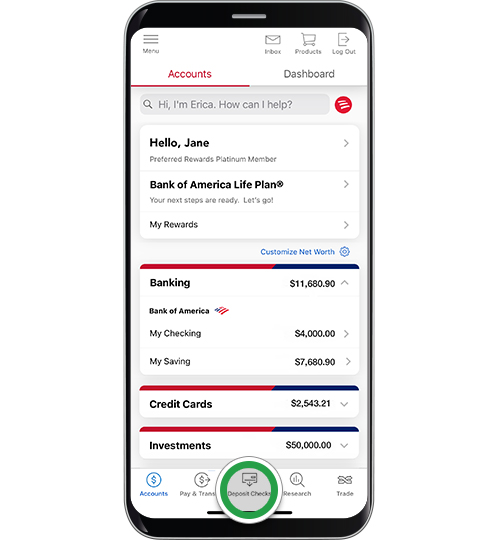
Bank of America distinguishes between two different balance figures in your account overview. The “Total Balance” (sometimes called the “Current Balance” or “Ledger Balance”) represents the actual amount of money in your account at the start of the business day, including all transactions that have fully cleared.
The “Available Balance,” however, is the figure that truly matters for your day-to-day spending. This is your Total Balance minus any pending debit holds and any “holds” placed on deposited checks. When a debit hold is active, your Available Balance will be lower than your Total Balance. If you attempt to make a purchase that exceeds your Available Balance—even if your Total Balance looks sufficient—the transaction may be declined, or you may incur an overdraft fee depending on your account settings.
Common Scenarios for Bank of America Debit Holds
Debit holds are most common in industries where the final transaction amount is unknown at the time the card is first swiped. Merchants use these holds as a form of insurance to protect themselves against non-payment.
Gas Stations and “Pay at the Pump”
Gas stations are perhaps the most frequent source of debit hold confusion. When you swipe your card at the pump, the station doesn’t know if you are going to buy $5 worth of fuel or $100. To protect themselves, many stations request a pre-authorization hold. While some stations only hold $1 to verify the card is active, others may place a hold of $75, $100, or even $150. This hold can stay on your Bank of America account for several days, even if you only purchased a small amount of gas.
Hotels and Travel Accommodations
Hotels routinely place holds on debit cards to cover the cost of the room, taxes, and a predetermined amount for “incidentals” (such as room service, minibar use, or damages). Because the final bill isn’t calculated until checkout, a hotel might place a hold for several hundred dollars above the actual room rate. For a Bank of America customer on a budget, this can significantly reduce the amount of money available for food and entertainment during a trip.
Restaurants and Tipping Dynamics
When you dine at a restaurant, the initial authorization is often for the amount of the bill before the tip is added. However, some restaurant systems are programmed to automatically add a percentage (often 20%) to the authorization request to ensure there is enough room for a gratuity. If you leave a cash tip but the system held funds for a digital tip, your available balance will remain restricted until the transaction settles, which can take 24 to 72 hours.
Car Rentals and Security Deposits
Car rental agencies are among the most aggressive users of debit holds. Because they are entrusting you with a high-value asset, they often place a hold that covers the estimated rental cost plus a substantial security deposit. These holds can range from $200 to $500 or more. Unlike a gas station hold which might clear in a day, rental car holds often persist until the vehicle is returned and inspected, which can tie up your funds for over a week.
How Long Does a Bank of America Debit Hold Last?
The duration of a hold is not entirely within Bank of America’s control; it is largely dictated by the merchant and the payment processor they use. However, there are general timeframes that Bank of America customers should expect.
Standard Processing Timeframes
For most everyday purchases, such as groceries or retail items, a hold typically lasts for one to three business days. If the transaction occurs over a weekend or a federal holiday, the hold may persist longer because banks do not process settlements on non-business days. In the case of hotels and car rentals, the hold can legally last for up to 15 days, though most are released within three to five business days after the final transaction is processed.
Factors That Delay Hold Releases
Several factors can lead to a hold staying on your account longer than necessary. One common issue is “orphan holds.” This happens when a merchant sends an authorization request but fails to send the matching settlement request correctly. For example, if a hotel clerk swipes your card for a hold but then manually enters a different transaction for the final bill, Bank of America may see these as two separate events. The actual payment will go through, but the original hold may sit on your account until it naturally expires after the bank’s maximum hold period.
Proactive Strategies to Manage and Prevent Debit Holds
While you cannot always avoid debit holds, you can take steps to ensure they don’t disrupt your financial life. Managing your Bank of America account effectively requires a combination of digital monitoring and strategic payment choices.
Monitoring Your Mobile App and Alerts
The Bank of America mobile app is the most powerful tool for tracking holds. By checking the “Pending” section of your transaction history, you can see exactly which merchants have placed holds on your funds. Additionally, you can set up real-time alerts. By enabling notifications for “Low Balance” or “Transactions exceeding a certain amount,” you can receive an immediate text or email when a large hold is placed, allowing you to adjust your spending plans accordingly.
Strategic Use of Credit vs. Debit
In the world of personal finance, one of the most effective ways to handle holds is to use a credit card instead of a debit card for “high-hold” industries like travel and fuel. When a hotel places a $500 hold on a credit card, it reduces your available credit limit, but it does not touch your actual cash. When they place that same hold on a Bank of America debit card, that money is effectively gone from your checking account until the hold is released. If you have the discipline to pay off the balance, using credit for gas and travel is a superior way to preserve your liquid cash.
Communicating with Merchants for Early Release
If you find yourself in a situation where a large hold is causing financial distress, you can contact the merchant directly. Banks generally cannot remove a hold without a formal release from the merchant. If you have already paid the final bill and the hold is still showing as pending, the merchant’s accounting department can sometimes send a “foster release” or a “letter of release” to Bank of America to speed up the process.
Navigating Overdrafts and Fees Related to Holds
One of the most frustrating aspects of debit holds is their potential to trigger fees. Bank of America has updated many of its policies in recent years to be more consumer-friendly, including the elimination of non-sufficient funds (NSF) fees, but it is still vital to understand how holds interact with overdraft protection.
The Impact of “Shadow” Holds on Transaction Sequencing
If your Available Balance is pushed into the negative by a pending hold, subsequent transactions may be affected. Even if the hold is eventually released or lowered, any transactions that attempted to clear while the hold was active could trigger an overdraft event. Bank of America typically processes transactions in a specific order—usually deposits first, then withdrawals—but a pending hold sits in a state of limbo that can make this sequencing unpredictable for the user.
Bank of America’s Policies on Overdraft Protection
Bank of America offers a “Balance Connect” service which links your checking account to another account (like a savings account or a second checking account) to cover transactions that exceed your Available Balance. If a debit hold at a gas station temporarily puts you over your limit, Balance Connect can automatically transfer funds to prevent a declined transaction. Understanding these settings within your online banking portal is crucial for ensuring that a temporary merchant hold doesn’t lead to a cascade of payment failures.
Ultimately, a debit hold is a tool used by the financial ecosystem to maintain security and guarantee payment. While it may feel like the bank is “taking” your money, it is actually a protective measure that, when understood, can be managed with ease. By keeping a buffer in your checking account, using credit for travel, and monitoring your Bank of America mobile app, you can ensure that your money remains available when you need it most.
aViewFromTheCave is a participant in the Amazon Services LLC Associates Program, an affiliate advertising program designed to provide a means for sites to earn advertising fees by advertising and linking to Amazon.com. Amazon, the Amazon logo, AmazonSupply, and the AmazonSupply logo are trademarks of Amazon.com, Inc. or its affiliates. As an Amazon Associate we earn affiliate commissions from qualifying purchases.