
In the complex landscape of American finance, few names carry as much weight as PNC. To the casual observer, it is a ubiquitous logo seen on corner branches and ATMs across the country. To the investor, it represents one of the largest diversified financial services institutions in the United States. However, to truly understand what PNC Bank means, one must look beyond the three letters and into the historical mergers, the strategic financial innovations, and the specific role it plays in the modern personal finance ecosystem.

For millions of customers, the meaning of PNC is synonymous with the transition from traditional brick-and-mortar banking to a tech-forward, consumer-centric financial experience. By examining its origins, its growth through strategic acquisitions, and its unique approach to money management, we can uncover the deeper significance of this institution in today’s economy.
Decoding the Acronym: The Foundation of a Banking Legacy
The literal meaning of “PNC” is rooted in a landmark merger that occurred in 1982. The initials stand for Pittsburgh National Corporation and Provident National Corporation. This union was not merely a marriage of two regional banks; it was a strategic move that set the stage for what would become a “super-regional” banking model.
The 1982 Merger and Regional Dominance
Before the acronym became a household name, Pittsburgh National and Provident National (based in Philadelphia) were powerhouses in their respective halves of Pennsylvania. When they joined forces, they created a banking entity with roughly $10.3 billion in assets. At the time, it was one of the largest bank mergers in U.S. history. For the residents of Pennsylvania, the “meaning” of the new PNC was a unified financial powerhouse that could compete with the heavy hitters in New York and Chicago while maintaining a deep understanding of the local industrial and commercial landscape.
Evolution into a National Identity
Over the decades, the bank dropped the full names in favor of the initials, a move that reflected its aspirations beyond the borders of Pennsylvania. By the 1990s and early 2000s, PNC began a series of aggressive acquisitions that redefined its footprint. It moved into Ohio, Kentucky, New Jersey, and Maryland. What the name “PNC” means today is far removed from its strictly Pennsylvanian roots; it represents a national presence that bridges the gap between the massive “Big Four” banks and the smaller community banks.
The Consumer Perspective: Financial Tools and Personal Banking Innovation
For the average individual, a bank is defined by the tools it provides to manage daily life. In this regard, PNC has carved out a niche as a pioneer in digital personal finance. When people ask what PNC means in the context of their own wallets, the answer often lies in the bank’s signature “Virtual Wallet” and its commitment to reducing consumer friction.
Virtual Wallet and the Evolution of Modern Money Management
Introduced in 2008, the PNC Virtual Wallet was a revolutionary approach to retail banking. Instead of viewing a checking and savings account as separate, static silos, the Virtual Wallet integrated them into a visual interface designed to help users see their “Spend,” “Reserve,” and “Growth” accounts simultaneously.
For the modern consumer, this meant a shift in how they interacted with their money. It introduced features like the “Calendar” view for tracking upcoming bills and the “Money Bar,” which showed how much cash was truly available after obligations were met. In the realm of personal finance, PNC became the “meaning” of intuitive, visual banking, pushing the entire industry to prioritize user experience over traditional ledger-style displays.
Low Cash Mode and Consumer Advocacy
In recent years, the meaning of PNC has evolved to include a focus on financial health and the elimination of punitive fees. The introduction of “Low Cash Mode” in 2021 was a watershed moment for the bank and the industry. By providing users with a 24-hour grace period to bring their account balance above zero before being charged an overdraft fee, PNC addressed one of the most significant pain points in personal finance. For the customer living paycheck to paycheck, PNC means a level of flexibility and transparency that was previously rare in the high-stakes world of commercial banking.
Strategic Growth: How PNC Became a National Leader
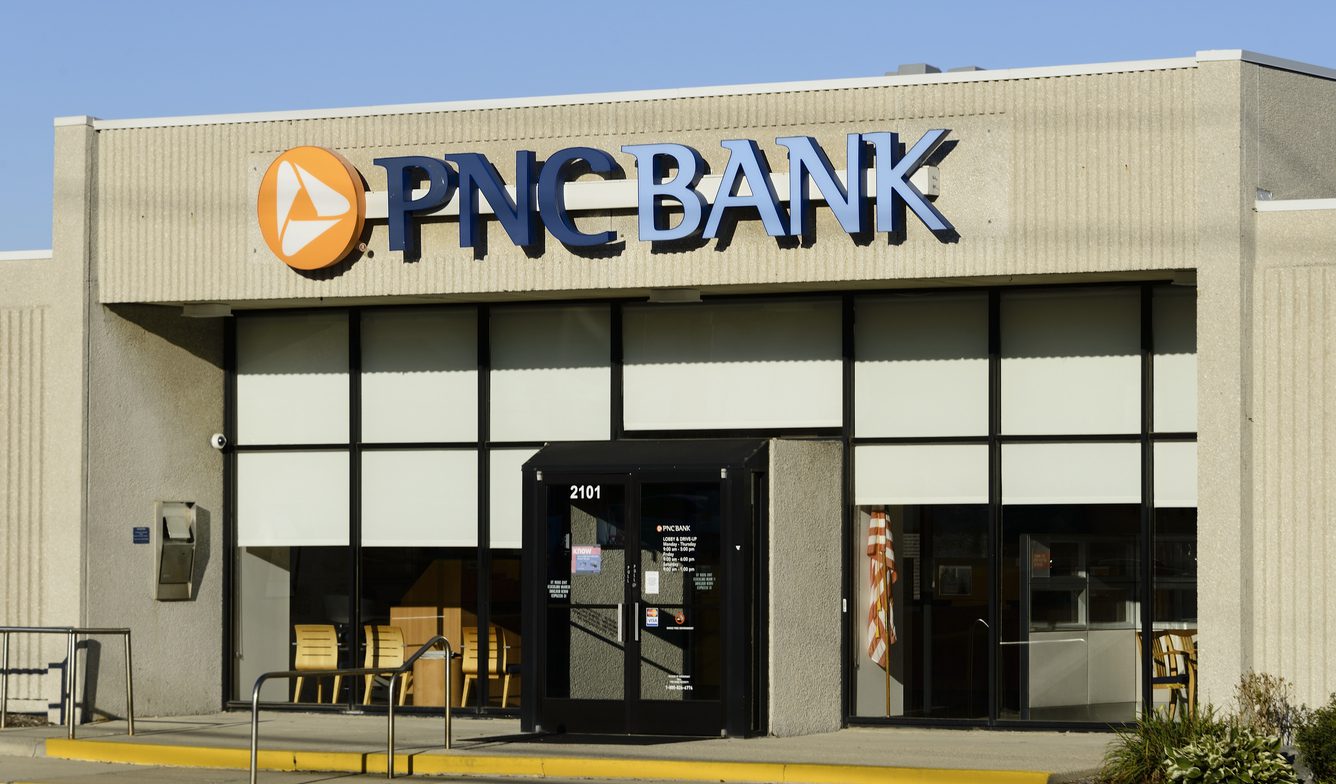
Beyond personal banking, the meaning of PNC is defined by its massive scale and its ability to absorb other institutions to strengthen its market position. The bank’s growth strategy has been calculated and remarkably successful, particularly during periods of economic volatility.
The BBVA USA Acquisition
One of the most significant moments in the bank’s recent history was the 2021 acquisition of BBVA USA. This $11.6 billion deal catapulted PNC into the position of the sixth-largest bank in the United States by assets. For the financial markets, this move signified that PNC was no longer a regional player but a truly national contender with a presence in 29 of the top 30 U.S. markets.
This expansion meant that the “PNC” brand reached the Sunbelt—Texas, Arizona, and California—providing a massive new customer base with access to its technology and lending power. For these new customers, PNC meant the arrival of a sophisticated East Coast institution bringing high-yield savings options and robust commercial lending to their local communities.
Commercial Lending and Wealth Management
PNC also holds significant meaning for business owners and high-net-worth individuals. Through its Corporate & Institutional Banking and Asset Management Group, it provides the capital necessary for mid-sized businesses to scale. In the world of business finance, PNC is known for its “Main Street” values combined with “Wall Street” capabilities. It offers sophisticated treasury management, capital markets advisory, and specialized lending in sectors like healthcare, real estate, and energy.
Financial Stability and the Economic Significance of PNC
In the wake of various banking crises over the last twenty years, the “meaning” of a bank is often tied to its stability and risk management. PNC has consistently maintained a reputation as one of the more conservative and well-capitalized institutions in the country.
Weathering the Storms
During the 2008 financial crisis, while many other banks were struggling or requiring massive bailouts, PNC was in a position of strength. It famously acquired National City Corporation during the height of the crisis, a move that doubled its size and expanded its reach into the Midwest. This ability to act as a “stabilizer” in the economy is a core part of what the bank means to the broader financial system.
Rankings and Economic Health
As of the current fiscal landscape, PNC consistently ranks among the top-tier banks in terms of Tier 1 capital ratios and asset quality. For investors and deposit-holders, the name PNC means security. It is a “Systemically Important Financial Institution” (SIFI), meaning it is subject to rigorous stress testing and oversight by the Federal Reserve. This level of scrutiny ensures that the bank remains a bedrock of the American financial infrastructure.
The Future of Banking: Innovation and Community Investment
To understand what PNC will mean in the future, one must look at its commitment to “Total Rewards” for employees and its significant investments in community development. The bank has pledged billions of dollars toward environmental, social, and governance (ESG) goals, focusing on affordable housing, small business lending in underserved areas, and renewable energy financing.
The Integration of AI and Fintech
Like many leaders in the money space, PNC is heavily investing in artificial intelligence and machine learning to improve fraud detection and personalize financial advice. The future meaning of PNC will likely be defined by “autonomous finance”—systems that can proactively suggest ways for customers to save, invest, or pay down debt based on real-time data.
Conclusion: A Multi-Faceted Financial Institution
Ultimately, asking “what does PNC bank mean” yields different answers depending on who you ask. To a historian, it is the legacy of Pittsburgh and Philadelphia’s industrial growth. To a young professional, it is a mobile app that prevents them from overspending. To a corporation, it is a source of billion-dollar credit lines.
PNC has successfully navigated over 160 years of financial history by evolving from a regional lender into a national powerhouse. It represents the successful integration of traditional banking values—security, stability, and service—with the fast-paced demands of the digital age. As the financial world continues to shift toward more integrated and ethical models, PNC remains a primary example of how a bank can grow in size while remaining deeply rooted in the financial well-being of its individual and corporate clients.
aViewFromTheCave is a participant in the Amazon Services LLC Associates Program, an affiliate advertising program designed to provide a means for sites to earn advertising fees by advertising and linking to Amazon.com. Amazon, the Amazon logo, AmazonSupply, and the AmazonSupply logo are trademarks of Amazon.com, Inc. or its affiliates. As an Amazon Associate we earn affiliate commissions from qualifying purchases.