
The term “delta landform” might sound like it belongs solely to geography textbooks, but understanding its formation and characteristics can offer fascinating insights, even for those more inclined towards technology, business, or finance. While not directly about the latest AI breakthrough or a new investment strategy, the principles behind delta formation – the interplay of forces, deposition, and shaping – can be viewed through analogous lenses in our modern digital and economic landscapes. Think of it as a natural system exhibiting emergent properties, much like a complex software algorithm or a thriving market.
At its core, a delta is a landform created by the deposition of sediment carried by a river as that river flows into a slower-moving or standing body of water, such as an ocean, sea, lake, or even another, larger river. The word “delta” itself originates from the Greek letter delta (Δ), so named because many deltas, when viewed from above, resemble the triangular shape of that letter. However, not all deltas are perfectly triangular; their shapes are influenced by a multitude of factors, including the amount of sediment carried by the river, the type of sediment, the strength of the waves and currents in the receiving body of water, and the tidal range.
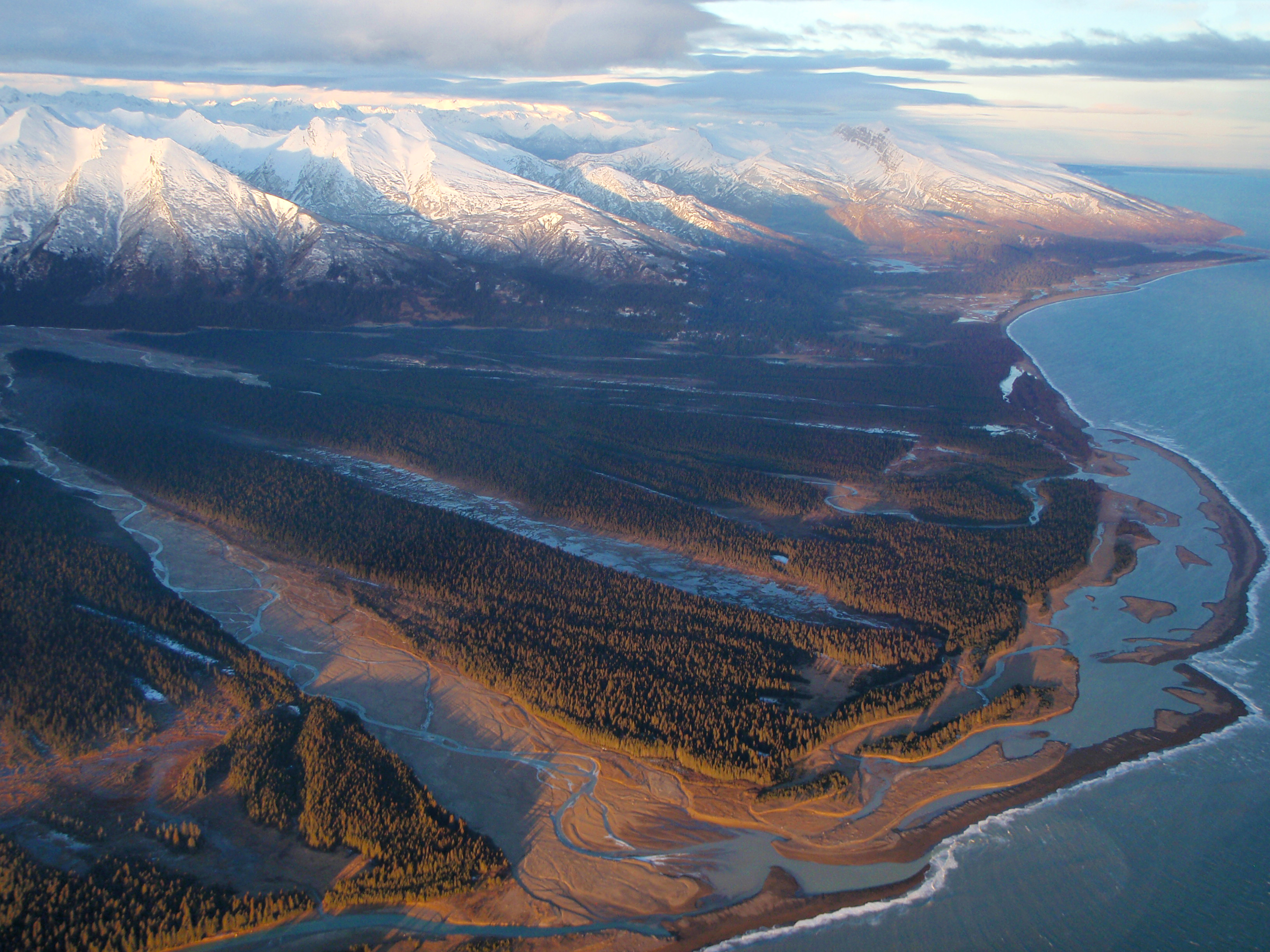
The formation of a delta is a dynamic process, a continuous cycle of deposition and erosion. Rivers, by their very nature, carry a load of sediment – sand, silt, and clay – eroded from the land upstream. As a river approaches its mouth, its velocity decreases significantly. This sudden drop in speed reduces the river’s ability to transport its sediment load. Consequently, the sediment begins to settle out and accumulate at the river’s mouth, gradually building up new land. This accumulation is the birth of a delta.
The Engineering of Sediment: Deposition and Accumulation
The process of sediment deposition is the fundamental engine behind delta formation. Imagine a river as a conveyor belt of earth. This belt moves at a certain speed, capable of carrying a specific weight. When the river encounters a much larger, slower-moving body of water, it’s like the conveyor belt suddenly entering a vast warehouse where its cargo can no longer be easily carried.
Natural Sediment Transport: A River’s Journey
Rivers are incredibly effective agents of erosion and transport. Over geological timescales, they carve valleys, shape landscapes, and carry vast quantities of material from higher elevations to lower ones. This material, known as sediment, can range from fine clay particles, invisible to the naked eye, to larger sand grains and even pebbles. The amount of sediment a river carries is influenced by several factors:
- Catchment Area Size and Geology: Rivers draining large areas with easily erodible rock or soil will carry more sediment.
- Rainfall and Runoff: Periods of heavy rain and snowmelt increase river flow, leading to greater erosion and sediment transport.
- Slope of the Riverbed: Steeper slopes provide more energy for the river to pick up and carry sediment.
- Vegetation Cover: A lack of vegetation can lead to increased soil erosion, feeding more sediment into the river.
The Terminal Drop: When Velocity Fades
As a river nears its mouth, it typically flows into a much larger, calmer body of water. This transition causes a dramatic decrease in the river’s velocity. This reduction in speed is critical because a river’s capacity to carry sediment is directly proportional to its velocity. When the velocity drops, the river can no longer suspend its sediment load. Heavier particles, like sand and gravel, settle out first, while lighter particles, like silt and clay, are carried further before eventually settling.
This deposition doesn’t happen all at once. Instead, it occurs progressively along the river’s path as it enters the receiving water body. Over time, these accumulated sediments build up, creating the characteristic landforms of a delta. This continuous process is analogous to how a company might gradually build its reputation or market share through consistent, strategic actions – each deposit of effort or investment contributing to the larger whole.
Building New Land: The Delta’s Structure
The accumulated sediment forms distinct layers and structures within the delta. The main channel of the river often bifurcates, or splits, into several smaller distributary channels as it spreads out across the delta plain. These distributaries carry water and sediment across the newly formed land, further extending the delta. This branching pattern is a hallmark of many deltas.
The deposited sediments are typically sorted by size. Coarser materials tend to be deposited closer to the river mouth, while finer silts and clays are carried further out into the receiving water body. This sorting contributes to the layering found within deltaic deposits.
Factors Shaping Deltaic Landscapes: A Multifaceted Environment
While the fundamental process of sediment deposition drives delta formation, the specific characteristics and shapes of deltas are sculpted by a complex interplay of environmental factors. These forces can be broadly categorized into fluvial (river-related) and marine (ocean-related) influences. Understanding these influences is key to appreciating the diversity of deltaic landforms.
The River’s Dominance: Fluvial Processes
The river itself plays a dominant role in shaping the delta. The sheer volume of sediment a river carries is a primary determinant of delta size and type. Rivers with very high sediment loads, like the Ganges-Brahmaputra or the Mississippi, tend to build large, extensive deltas.
- Sediment Load: A higher sediment load means more material is available for deposition, leading to more rapid delta growth.
- Discharge Variations: Rivers that experience significant fluctuations in flow (e.g., due to seasonal monsoons or snowmelt) can deposit sediment in distinct layers, creating different types of deltaic structures.
- River Channel Pattern: The way the river branches into distributaries significantly influences the delta’s shape. Straight distributaries might lead to a more fan-shaped delta, while more meandering or braided channels can create more complex patterns.
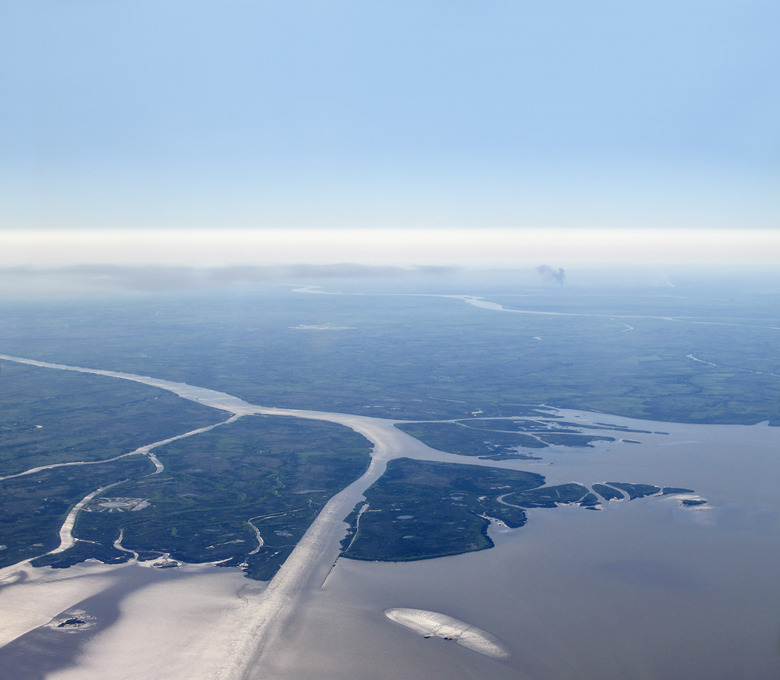
The Ocean’s Influence: Marine and Lacustrine Processes
The body of water into which the river empties exerts its own powerful forces that can modify or even counteract the river’s depositional efforts.
- Wave Action: Waves can redistribute sediment along the delta front, smoothing out the coastline and creating beaches and barrier islands. Strong wave action can prevent the river from extending its delta far into the sea, leading to a more arcuate (curved) or lobate (lobe-shaped) delta.
- Tidal Currents: Tides can move sediment parallel to the coast, influencing the distribution of deposited materials. In areas with strong tides, sediment might be swept away from the immediate river mouth, leading to a more elongated or estuarine-like delta.
- Longshore Drift: This is the movement of sediment along the coastline by waves and currents. It can carry away fine sediments deposited by the river, shaping the delta’s outer margins.
- Subsidence: The weight of accumulating sediment can cause the underlying land to sink, a process known as subsidence. This can counteract delta growth and even lead to the inundation of deltaic areas.
The Dance of Forces: Diverse Delta Types
The relative strength of these fluvial and marine processes gives rise to a variety of delta shapes and types:
- Arcuate Deltas: Characterized by a smooth, convex coastline, these deltas are formed when wave action is strong enough to redistribute the sediment and smooth the delta front. The Nile Delta is a classic example.
- Cuspate Deltas: These deltas have a pointed or toothed shape, formed when sediment is deposited directly into the path of strong, unidirectional wave action. The Tiber Delta is an example.
- Lobate Deltas: These deltas have a series of rounded lobes, often formed by sediment being deposited into relatively calm waters with limited wave action, allowing the river to build out in distinct fan-like extensions. The Mississippi Delta is a prime example.
- Bird’s Foot Deltas: A subtype of lobate delta, these are characterized by long, finger-like distributaries that extend far into the receiving water body, resembling a bird’s foot. The Mississippi Delta at its mouth exhibits this morphology.
- Estuarine Deltas: Formed in areas where the river meets a large estuary, these deltas often have a more irregular shape due to the mixing of river water and tidal influence.
From a technological perspective, understanding these forces and their interactions can be compared to optimizing algorithms. Different inputs (sediment load, wave strength) produce different outputs (delta shapes). Developers and engineers constantly tweak parameters to achieve desired outcomes, much like nature sculpts its deltas.
The Economic and Environmental Significance of Deltas
Deltas are far more than just geological curiosities; they are vital ecosystems and crucial human environments with immense economic and ecological importance. Their fertile soils, abundant water resources, and strategic locations have made them centers of human civilization and biodiversity.
Fertility and Agriculture: The Breadbaskets of the World
The fine silts and clays deposited by rivers are rich in nutrients. When deposited and reworked by natural processes, these sediments create exceptionally fertile soils, making delta regions prime agricultural land. Many of the world’s most productive agricultural areas are located in deltas, supporting vast populations and contributing significantly to global food security.
- Alluvial Soils: The continuous replenishment of nutrients through seasonal flooding and sediment deposition creates rich alluvial soils, ideal for a wide range of crops.
- Rice Cultivation: Many deltaic regions are ideally suited for rice cultivation due to the availability of water and fertile land.
- Fishing and Aquaculture: The nutrient-rich waters of deltas support thriving fisheries and are often used for aquaculture, providing important sources of protein and income.
Viewing this through a “Money” lens, deltas represent significant economic engines. They are natural capital, providing resources and opportunities for wealth creation through agriculture, fishing, and other related industries. Just as a well-managed investment portfolio grows over time, deltas are built and sustained by the continuous inflow of resources.
Biodiversity Hotspots: Nurseries of Life
Deltas are dynamic and highly productive environments, supporting an extraordinary diversity of plant and animal life. The transition from freshwater to saltwater, the abundant food sources, and the complex network of channels and wetlands create unique habitats.
- Wetlands and Marshes: These areas are critical breeding grounds and nurseries for many fish species, as well as important habitats for birds, amphibians, and invertebrates.
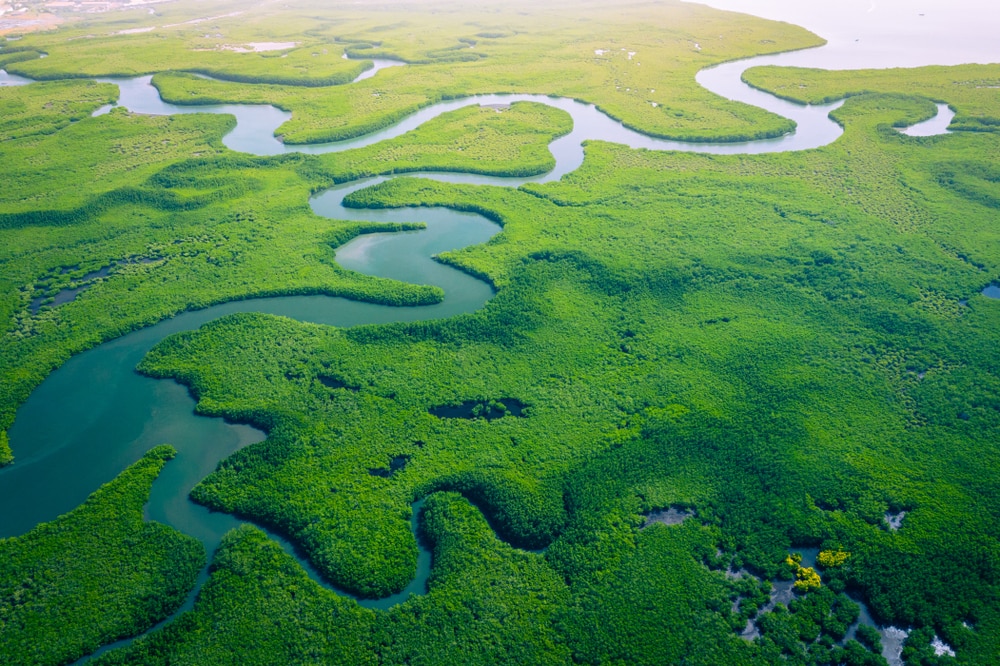
- Mangrove Forests: In tropical and subtropical deltas, dense mangrove forests thrive, providing crucial coastal protection, supporting unique wildlife, and acting as carbon sinks.
- Migratory Bird Flyways: Deltas often lie along major migratory bird flyways, serving as essential stopover points for refueling and resting.
The ecological services provided by deltas are immense. They act as natural filters, improving water quality, and play a vital role in coastal protection, buffering shorelines from storm surges. This mirrors the importance of robust digital infrastructure or sound corporate branding in protecting a business from online threats or market fluctuations.
Challenges and Vulnerabilities: The Precarious Balance
Despite their immense value, deltas are also among the most vulnerable environments on Earth. They face a growing array of threats, many of which are exacerbated by human activities and climate change.
- Sea-Level Rise: As global temperatures rise, sea levels are increasing, threatening to inundate low-lying deltaic areas and increasing saltwater intrusion into freshwater sources.
- Subsidence and Erosion: Natural subsidence, coupled with human activities like groundwater extraction and dam construction upstream (which reduces sediment supply), can lead to land loss and increased erosion.
- Pollution: Agricultural runoff, industrial discharge, and urban waste can pollute deltaic waters, harming ecosystems and human health.
- Coastal Development: Increasing human development in delta regions can disrupt natural processes, damage habitats, and increase vulnerability to natural hazards.
The challenges faced by deltas highlight the need for careful management and sustainable practices. This is akin to the ongoing need for cybersecurity in the tech world, robust brand management in marketing, or sound financial planning in business. Neglecting these aspects can lead to significant losses and the degradation of valuable assets. Understanding the complex interplay of forces that create and sustain deltas, and the threats they face, provides a powerful analogy for managing the complex systems we encounter in technology, brand building, and finance.
aViewFromTheCave is a participant in the Amazon Services LLC Associates Program, an affiliate advertising program designed to provide a means for sites to earn advertising fees by advertising and linking to Amazon.com. Amazon, the Amazon logo, AmazonSupply, and the AmazonSupply logo are trademarks of Amazon.com, Inc. or its affiliates. As an Amazon Associate we earn affiliate commissions from qualifying purchases.