
In the complex landscape of charitable giving, the impulse to help often manifests in a trip to the local grocery store to clear out the canned goods aisle. While these gestures are born of genuine altruism, the financial reality of modern food pantries suggests that traditional methods of donation are not always the most efficient. To understand what food pantries truly need, one must look past the physical shelves and into the balance sheets, supply chain logistics, and fiscal strategies that sustain these essential community organizations.
From a financial perspective, a food pantry is an exercise in resource optimization. Whether you are an individual donor looking to maximize the tax benefits of your gift or a business owner aligning your corporate social responsibility budget with local needs, understanding the economic framework of food insecurity is the first step toward making a meaningful difference.
The Economics of Giving: Why Cash is Often King
The most common misconception in charitable giving is that physical goods are more valuable than cash. In the context of food security, the opposite is frequently true. When a donor gives a bag of groceries, they are giving items purchased at retail prices. When a donor gives the equivalent cash value, they are providing the pantry with the leverage of wholesale purchasing power.
Purchasing Power and Wholesale Relationships
Most food pantries and regional food banks operate within a network that allows them to purchase food at a fraction of the cost paid by the average consumer. Through partnerships with agricultural producers, large-scale manufacturers, and government programs, these organizations can often turn a $1 donation into $5, $10, or even $20 worth of food.
This “multiplier effect” is a cornerstone of nonprofit finance. By donating cash, you are effectively investing in a fund that has a guaranteed high return on impact. For example, while a consumer might pay $2.50 for a single jar of peanut butter, a well-connected food pantry might acquire a whole case for a similar price through bulk procurement or specialized grants. From a financial management standpoint, cash allows the pantry to fill specific inventory gaps—such as fresh protein, dairy, or produce—that are rarely provided by individual door-to-door drives.
Lowering Logistical Overhead
Physical donations come with hidden costs that can drain a pantry’s operational budget. Every can of soup donated by a community member must be handled multiple times: it must be collected, transported, inspected for expiration dates, sorted by category, and shelved. This requires significant man-hours, which often translates to higher labor costs or a heavy reliance on a volatile volunteer workforce.
In contrast, cash donations carry almost zero logistical overhead. They can be allocated instantly to where they are needed most, whether that is purchasing a pallet of eggs or paying the electricity bill for the industrial freezers. When we analyze the “all-in” cost of a donation, cash is consistently the more efficient asset.
Optimizing Your Personal Finances through Charitable Contributions
Philanthropy is not just a moral endeavor; it is a critical component of personal financial planning. For those in a position to give, understanding how to structure donations can lead to significant tax advantages, effectively allowing the government to subsidize a portion of your generosity.
Understanding Tax Deductions and Documentation
To maximize the financial benefit of your donation, it is essential to give to organizations that hold 501(c)(3) status. Cash donations are generally deductible up to 60% of your adjusted gross income (AGI), though these limits can vary based on current tax law and the type of organization.
For high-net-worth individuals or those looking to offset a high-income year, keeping meticulous records is vital. Every donation should be accompanied by a receipt or a written acknowledgment from the pantry. If you are donating physical goods, you must determine the “fair market value” of the items, which is usually the price they would sell for in their current condition. However, because determining the value of used or assorted goods can be a bureaucratic headache, cash remains the “cleanest” asset from an accounting perspective.
Strategic Timing and Donor-Advised Funds
Strategic financial giving often involves more than just writing a check in December. Savvy donors utilize Donor-Advised Funds (DAFs) to manage their charitable giving. A DAF allows you to make a large contribution to a fund, take an immediate tax deduction, and then distribute those funds to food pantries over several years. This is particularly useful for individuals who have experienced a “liquidity event,” such as the sale of a business or a large bonus, and want to lock in a tax benefit while ensuring a steady stream of support for their chosen pantry.
By treating charitable giving as a line item in a budget rather than an afterthought, donors can ensure their financial stability while providing the pantry with the predictable revenue it needs to plan for the future.
The Hidden Costs of In-Kind Donations
While the sentiment behind a “food drive” is powerful for community building, the financial reality is that in-kind donations (physical goods) can sometimes be a liability. To truly help, donors must understand the operational challenges these pantries face.

The Labor Expense of Sorting and Vetting
Nonprofits operate on thin margins. When a pantry receives a large influx of unsorted items, it must pivot its resources toward processing those items. If a pantry has to hire staff to manage a warehouse full of miscellaneous cans, the “cost per meal” increases. Furthermore, many in-kind donations are near or past their expiration dates. Disposal costs for expired or damaged goods are a direct hit to the pantry’s bottom line—money that could have been spent on fresh food is instead spent on waste management.
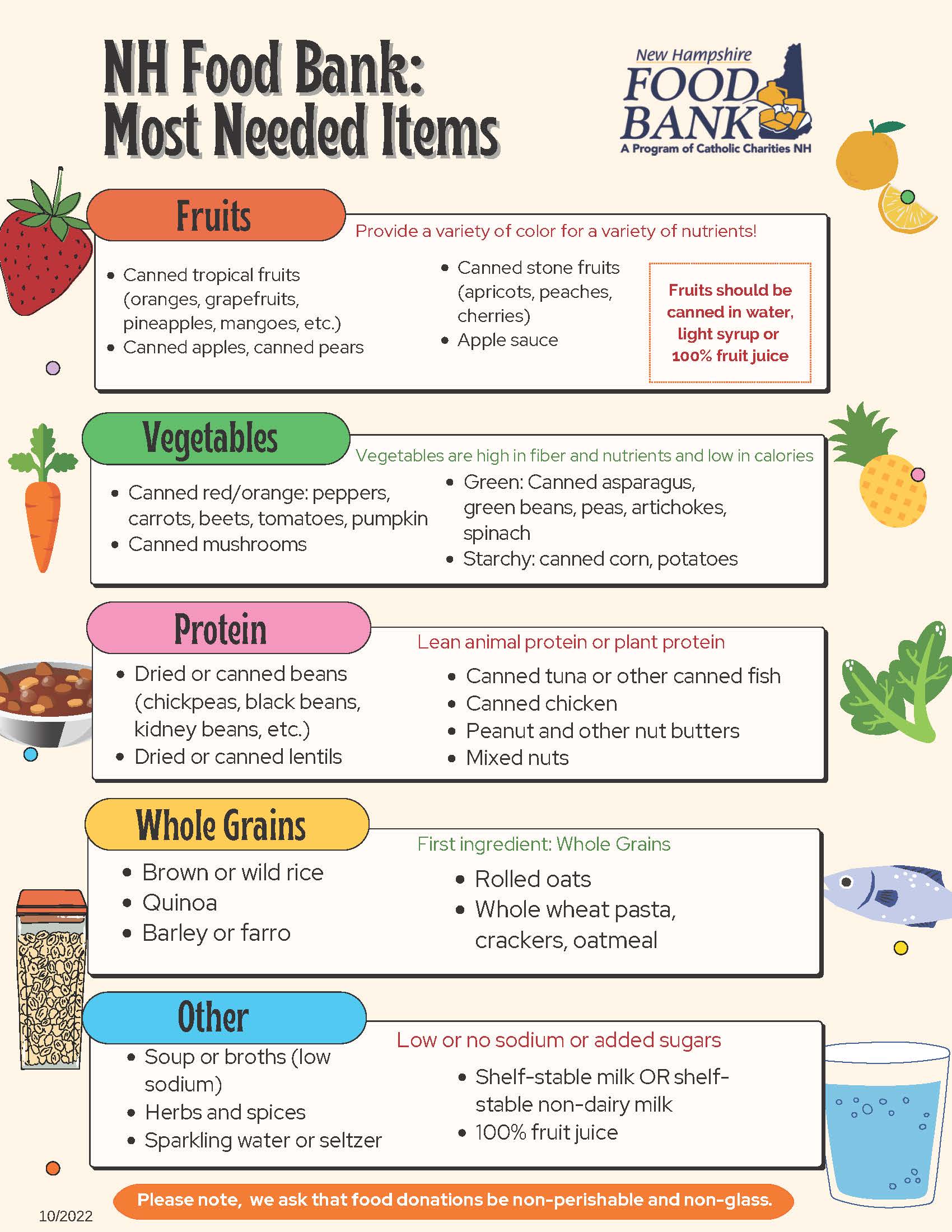
If you are committed to donating physical items, the most financially responsible approach is to ask the pantry for a “needs list.” Often, these lists include high-cost, high-demand items that rarely get donated, such as infant formula, diapers, or feminine hygiene products. These items are expensive for families in need and are often not covered by government assistance programs like SNAP.
Balancing Inventory and Shelf-Life Risks
From a business inventory perspective, a food pantry must manage “turnover.” Fresh produce and dairy have high turnover needs but offer high nutritional value. Canned goods have low turnover needs but take up valuable real estate in a warehouse. A pantry that is overstocked with green beans but has no milk is facing an inventory imbalance that cash could easily solve. Financial donors provide the liquidity needed to rebalance this inventory in real-time based on the actual needs of the clients they serve.
Building a Sustainable Business Model for Community Support
Food pantries are, in many ways, small businesses that provide a critical service. For them to remain viable, they need more than just one-off donations; they need a sustainable financial model that can weather economic downturns.
Diversifying Income Streams for Nonprofits
A financially healthy food pantry does not rely on a single source of income. They utilize a mix of individual donations, corporate sponsorships, government grants, and sometimes even social enterprise models. For example, some larger food banks operate “choice pantries” that look like grocery stores, which has been shown to reduce waste and improve client dignity—but these models require significant upfront capital and higher operational budgets.
Investors in the community should look for pantries that demonstrate “fiscal transparency.” A pantry that can clearly articulate its cost-per-meal and its administrative-to-programmatic expense ratio is usually a better steward of your financial resources.
The Role of Corporate Social Responsibility (CSR) Budgets
For business owners, food pantries offer a unique opportunity for corporate alignment. Beyond writing a check, businesses can provide “pro bono” professional services. A local accounting firm can help a pantry optimize its tax filings; a logistics company can help streamline its delivery routes; a marketing agency can help build a brand that attracts more donors.
When a business integrates pantry support into its CSR budget, it creates a symbiotic relationship. The pantry gains professional-grade operational support, and the business gains community goodwill and potential tax write-offs for their services and contributions. This “resource giving” is often just as valuable as cash.
Smart Philanthropy: Long-Term Financial Stability over Short-Term Fixes
As we look toward the future of food security, the focus must shift from “crisis management” to “financial sustainability.” This requires a shift in how the public perceives the “needs” of a food pantry.
Recurring Donations as Predictable Revenue
The greatest gift a donor can give a food pantry is predictability. In the world of finance, recurring revenue is the gold standard. It allows an organization to sign leases, hire staff, and enter into long-term contracts with suppliers.
A $20 monthly donation is often more valuable to a pantry’s budget than a one-time $300 donation. Why? Because it allows the financial manager to forecast. When a pantry knows exactly how much capital it will have in six months, it can make strategic investments—like buying a refrigerated truck—that will ultimately lower its operational costs and allow it to serve more people.

The Impact of Inflation on Food Insecurity
Finally, we must consider the macroeconomic environment. Inflation does not just affect the donor’s wallet; it hits the pantry twice. First, as the cost of food rises, the pantry’s purchasing power decreases. Second, as the cost of living increases, more people find themselves in need of the pantry’s services.
In inflationary periods, food pantries need “inflation-adjusted” giving. If your donation has remained the same for three years, its actual impact has likely decreased by 15-20%. To truly support what pantries need, donors must view their contributions through the lens of current economic data, ensuring that their level of support keeps pace with the rising costs of staples like grain, fuel, and labor.
What food pantries need, ultimately, is a partnership with a financially literate public. By prioritizing cash over cans, understanding the tax implications of giving, and focusing on the long-term sustainability of these organizations, we can move the needle on food insecurity. Strategic, informed, and consistent financial support is the engine that allows a pantry to transition from a temporary safety net to a cornerstone of community resilience.
aViewFromTheCave is a participant in the Amazon Services LLC Associates Program, an affiliate advertising program designed to provide a means for sites to earn advertising fees by advertising and linking to Amazon.com. Amazon, the Amazon logo, AmazonSupply, and the AmazonSupply logo are trademarks of Amazon.com, Inc. or its affiliates. As an Amazon Associate we earn affiliate commissions from qualifying purchases.