
In an era dominated by instant wire transfers, mobile payment apps, and contactless credit cards, the traditional paper check remains a resilient and necessary tool in the financial landscape. For Bank of America (BoA) customers, understanding the nuances of writing a check is more than just a lesson in nostalgia—it is a fundamental skill for managing personal and business finances. Whether you are paying rent to a landlord who prefers physical documentation, settling a large debt where credit card fees are prohibitive, or sending a gift through the mail, a correctly filled-out check ensures that your funds reach their destination securely and professionally.

While the basic structure of a check has remained largely unchanged for decades, the security protocols and digital integration surrounding them have evolved. This guide provides a deep dive into how to write a Bank of America check, the security measures you should employ, and how to manage your checking account effectively in a modern economy.
Understanding the Fundamentals of Your Bank of America Check
Before putting pen to paper, it is essential to understand the anatomy of a Bank of America check. Each section of the check serves a specific legal and administrative purpose. If any part is filled out incorrectly, the bank may refuse to honor the document, potentially leading to late fees, service charges, or a “bounced” check status that can negatively impact your credit standing.
The Layout of a Standard BoA Check
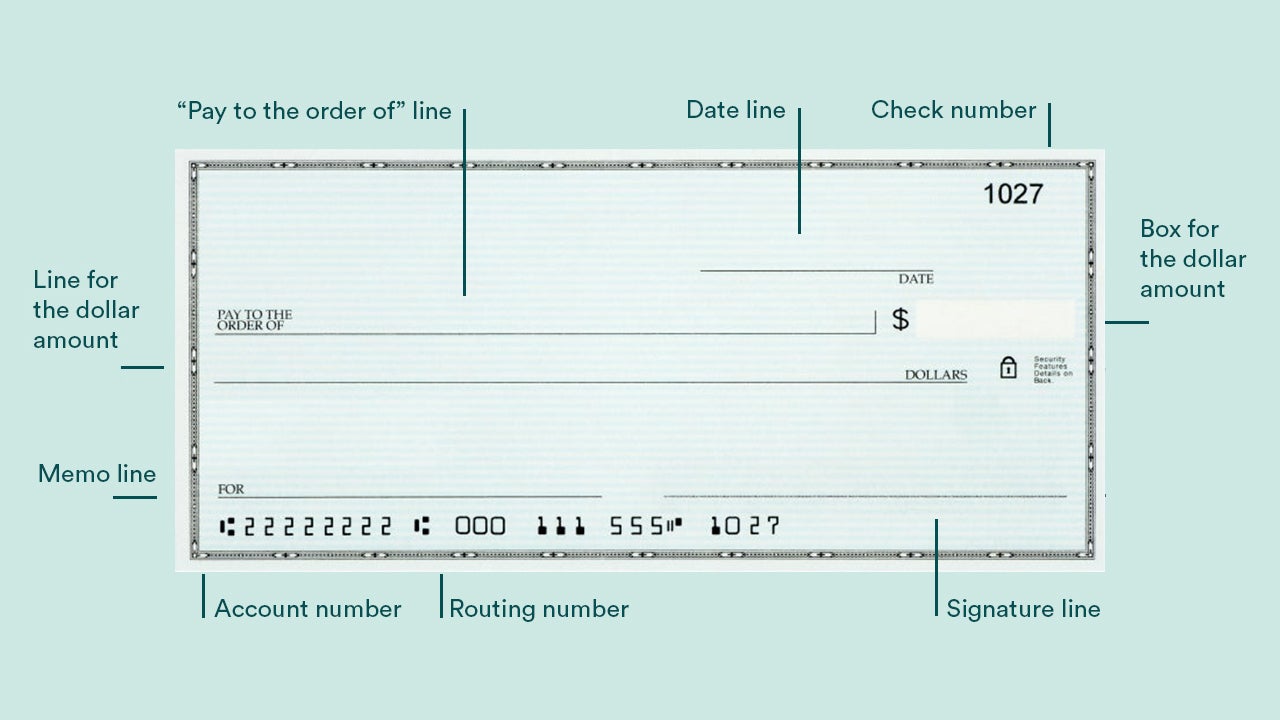
A standard Bank of America check is divided into several key zones. In the top left corner, you will find your personal information: your name and the address associated with your account. In the top right, there is a check number, which is used for tracking and reconciliation. The middle section contains the “Pay to the Order Of” line, the date line, and the amount boxes.
At the very bottom of the check, you will notice a series of numbers printed in a unique font. This is known as MICR (Magnetic Ink Character Recognition) encoding. The first set of numbers is your nine-digit Bank of America routing number, which identifies the specific financial institution. The second set is your unique account number, and the third set usually matches the check number in the top right corner. Understanding these numbers is vital, especially if you ever need to set up direct deposit or electronic bill payments.
Why Check-Writing Skills Still Matter in a Digital Age
You might wonder why physical checks are still in circulation. The primary reason is the “paper trail.” For many legal transactions, a physical check provides a clear, undeniable record of payment. Furthermore, checks allow you to send money without needing the recipient to be on the same digital platform as you. Unlike some peer-to-peer apps that have daily or weekly limits, checks allow for the transfer of much larger sums, provided the funds are available in your account. For Bank of America customers, the check remains a versatile instrument that bridges the gap between traditional banking and the digital future.
Step-by-Step Instructions: How to Write Your BoA Check Correctly
Accuracy is the most important factor when writing a check. Small errors, such as a mismatched written amount and numeric amount, can cause the check to be voided. Follow these steps to ensure every check you write is valid and professional.
Step 1: The Date Line
In the upper right-hand corner, you will see a line for the date. It is standard practice to write the current date (Month, Day, Year). However, some people “post-date” checks, meaning they write a future date with the intention that the recipient will not deposit it until that time. While this is common in some industries, Bank of America and other institutions are generally not legally required to honor post-dating and may process the check as soon as it is presented. It is always best to ensure funds are available the moment you hand the check over.
Step 2: Pay to the Order Of
This line is where you designate the recipient. Write the full name of the individual or the legal name of the business. Avoid using nicknames or abbreviations that might confuse a teller or an automated processing system. If you are unsure of the exact name, it is better to ask the recipient rather than guessing, as an incorrect name can lead to the check being rejected during deposit.
Step 3: The Numeric Amount Box
To the right of the recipient line, there is a small box preceded by a currency symbol ($). Here, you should write the amount of the check in numerical form (e.g., 1,250.50). Ensure that you write the numbers clearly and start as far to the left of the box as possible to prevent anyone from inserting an extra digit at the beginning to alter the value.
Step 4: The Written Amount Line
This is perhaps the most critical part of the check. Just below the recipient line, you must write out the amount in words. For example, $1,250.50 would be written as “One thousand two hundred fifty and 50/100.” The fraction “50/100” represents the cents. If there are no cents, write “no/100” or “00/100.” After writing the amount, draw a straight line through the remaining blank space to the end of the row. This is a security measure to prevent anyone from adding additional words to change the value of the check.
Step 5: The Memo Line
The memo line in the bottom left corner is optional but highly recommended. This is where you record the purpose of the payment, such as “June Rent,” “Account #12345,” or “Birthday Gift.” Bank of America keeps digital copies of your cleared checks, so having a detailed memo line can be incredibly helpful for tax purposes or personal budgeting when you review your transaction history online.

Step 6: The Signature Line
A check is not a legal document until it is signed. Your signature should match the one Bank of America has on file. Sign your name clearly on the line in the bottom right corner. Never sign a check before you have filled out all the other sections. A “blank check” that is signed is essentially cash and can be filled out by anyone for any amount if it is lost or stolen.
Essential Security Best Practices for Physical Checks
Because checks contain your routing and account numbers, they are sensitive documents. If they fall into the wrong hands, they can be used for fraudulent activities. Protecting your Bank of America account requires a proactive approach to check security.
Preventing Check Fraud and Alterations
Always use a pen with permanent ink—preferably black or blue—when writing a check. Avoid using pencils or erasable pens, as these make it easy for fraudsters to alter the amount or the recipient. When filling out the amount, ensure there are no large gaps between numbers or words. As mentioned earlier, drawing a line through empty spaces on the written amount line is one of the simplest yet most effective ways to prevent “check washing” or unauthorized alterations.
Proper Check Storage and Disposal
Keep your checkbook in a secure, locked location when not in use. Do not leave it in your car or an unsecured desk drawer. If you make a mistake while writing a check, do not simply throw it away. Write “VOID” in large letters across the front of the check and then shred it. This ensures that the check cannot be recovered and used. Similarly, if you close your Bank of America account, shred all remaining checks immediately.
Using the Bank of America Mobile App for Remote Deposits
One of the best ways to handle checks you receive is through the Bank of America Mobile Banking app. Instead of carrying a physical check to a branch or ATM, you can use the “Mobile Check Deposit” feature. This allows you to take a photo of the front and back of the check and deposit it instantly. Once the deposit is confirmed, you should write “VOID” on the back of the physical check and keep it for a few days until the funds have fully cleared, then shred it. This minimizes the time a physical, endorsed check is sitting in your possession.
Balancing Your Checkbook and Managing Your Account
Writing the check is only half the responsibility; the other half is ensuring your Bank of America account remains balanced. Overdrawing an account can lead to expensive “Non-Sufficient Funds” (NSF) fees and can damage your relationship with the bank.
Recording Transactions in Your Check Register
Most checkbooks come with a small ledger called a check register. Every time you write a check, record the check number, the date, the recipient, and the amount. Subtract that amount from your current balance immediately. Do not wait for the check to “clear” before subtracting it. Because some recipients may wait weeks to deposit a check, your online banking balance may appear higher than what you actually have available. Your register is your true financial North Star.
Reconciling Monthly Bank Statements
At the end of each month, compare your check register against your Bank of America statement (available via the mobile app or online banking). Check off each transaction that has cleared. If there are checks you wrote that haven’t appeared on the statement yet, they are “outstanding.” Ensure that your available balance is enough to cover these outstanding checks at all times.
Managing Overdrafts and Insufficient Funds
Bank of America offers various overdraft protection options, such as linking a savings account or a credit card to your checking account. If you write a check for more than you have, the bank can pull funds from the linked account to cover the difference. This is a much better alternative to having a check returned, which can result in penalties from both the bank and the person you were trying to pay.
Modern Alternatives to Physical Checks
While knowing how to write a check is essential, Bank of America provides several digital tools that offer the same benefits with added convenience and speed.
Online Bill Pay and Zelle
Bank of America’s Online Bill Pay allows you to send payments to companies and individuals electronically. If the recipient doesn’t accept electronic transfers, the bank will actually print and mail a physical check on your behalf. This saves you the cost of stamps and the manual effort of writing the check. For smaller, person-to-person transfers, BoA integrates with Zelle, allowing for near-instant transfers using just an email address or mobile phone number.
Wire Transfers vs. ACH Payments
For very large transactions, such as a down payment on a home, a standard check may not be sufficient. In these cases, a wire transfer is the preferred method. While there is usually a fee associated with outgoing wires, the funds are guaranteed and move much faster than a physical check. ACH payments (Automated Clearing House) are another alternative, commonly used for recurring payments like utility bills or gym memberships.
In conclusion, the Bank of America check remains a staple of personal finance for a reason: it is a universally accepted, legal, and traceable way to move money. By mastering the art of writing a check, maintaining rigorous security habits, and utilizing the digital tools provided by BoA, you can manage your money with confidence and precision. Whether you are navigating the complexities of business expenses or simply paying a friend for dinner, your checkbook is a powerful extension of your financial strategy.
aViewFromTheCave is a participant in the Amazon Services LLC Associates Program, an affiliate advertising program designed to provide a means for sites to earn advertising fees by advertising and linking to Amazon.com. Amazon, the Amazon logo, AmazonSupply, and the AmazonSupply logo are trademarks of Amazon.com, Inc. or its affiliates. As an Amazon Associate we earn affiliate commissions from qualifying purchases.