
In the modern financial landscape, your bank account number serves as the foundational “DNA” of your personal economy. It is the unique identifier that allows financial institutions to route funds, process payroll, and facilitate the complex web of digital transactions that define contemporary commerce. Despite its critical importance, many individuals find themselves searching for this number only when a high-stakes situation arises—such as setting up a direct deposit for a new career or initiating a wire transfer for a real estate closing. Understanding how to locate and protect this number is not merely a matter of administrative convenience; it is a fundamental component of financial literacy and security.

The Anatomy of Banking Identifiers: Account vs. Routing Numbers
To effectively manage your personal finances, it is essential to distinguish between the various strings of digits associated with your bank account. While they often appear together on documents and digital interfaces, they serve vastly different purposes within the global monetary system.
The Role of the Account Number
Your account number is a unique identifier assigned specifically to your individual or business relationship with a bank. Unlike a routing number, which is shared by everyone who uses the same financial institution in a specific region, the account number is yours alone. It functions as the specific “address” for your funds. Most domestic account numbers in the United States range from 8 to 12 digits, though this can vary depending on the institution’s internal legacy systems and data architecture.
Deciphering the Routing Number (ABA)
The American Bankers Association (ABA) routing number is a nine-digit code that identifies the specific financial institution responsible for the account. Think of the routing number as the “ZIP code” for the bank. When you initiate an ACH (Automated Clearing House) transfer or an electronic payment, the routing number tells the Federal Reserve system which bank to send the money to, while the account number tells that specific bank which internal ledger to credit. Understanding this distinction is vital for ensuring that transfers are executed without delay or error.
The Importance of Correct Identification for Liquid Management
Mismatches in account or routing numbers are a primary cause of failed transactions. In the context of personal finance, a single transposed digit can lead to a “Return to Sender” status for an incoming paycheck, potentially disrupting your cash flow and liquidity management. For those managing side hustles or small businesses, ensuring that clients have the correct account details is the difference between a seamless billing cycle and an administrative nightmare.
Digital and Physical Methods to Locate Your Account Number
In an era of multi-channel banking, there are several ways to retrieve your account number. Whether you prefer the tactile security of physical documents or the instantaneous access of a smartphone, knowing where to look can save valuable time.
Mobile Banking Apps and Online Portals
The most common way to find an account number today is through a bank’s secure digital platform. Once logged in, you typically navigate to the “Account Details” or “Settings” section. For security reasons, many apps will mask the number (e.g., showing only the last four digits). Look for a “show” or “eye” icon to reveal the full string. This digital access is highly secure, provided you are utilizing multi-factor authentication (MFA) to protect your financial profile.
The MICR Line on Physical Checks
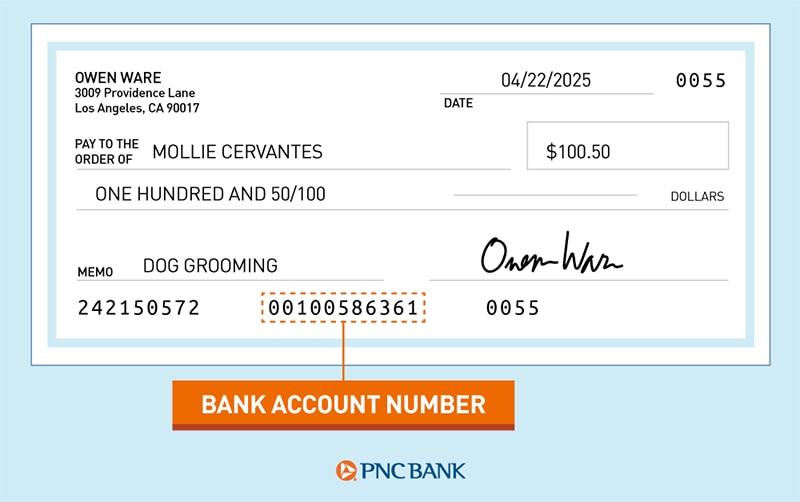
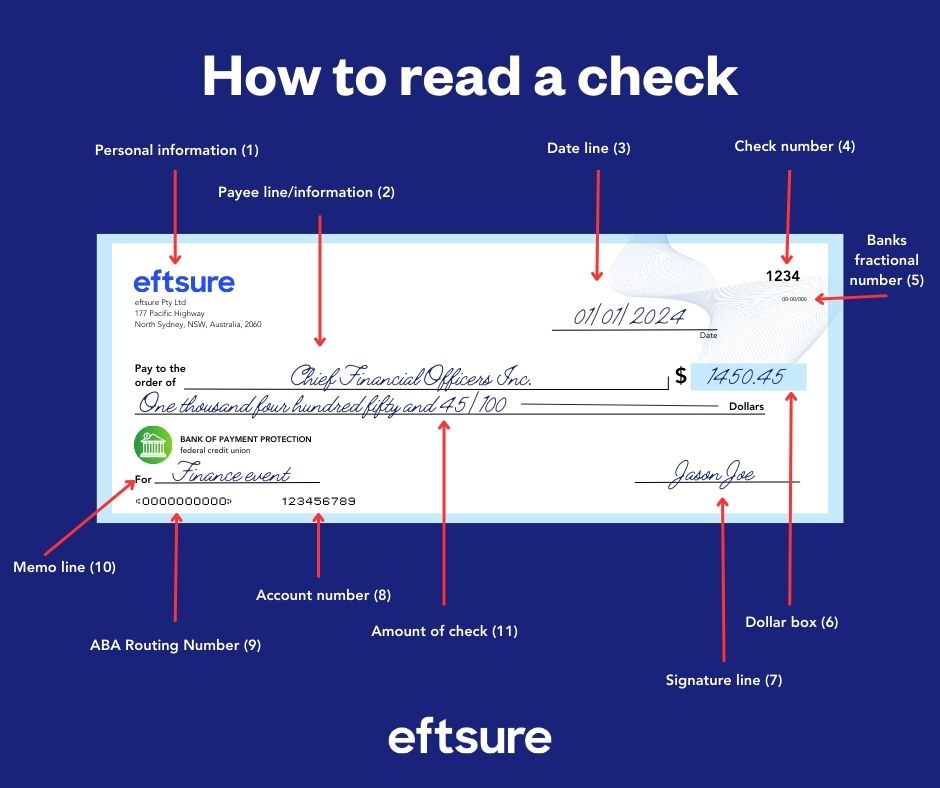
For those who still use paper checks, the account number is printed directly on the bottom of every leaf. At the base of a check, you will see a series of numbers printed in a specialized font known as MICR (Magnetic Ink Character Recognition). This line generally consists of three sets of numbers:
-
The Routing Number: Usually the first nine digits on the left.
-
The Account Number: Typically the middle set of numbers.
-
The Check Number: Usually the final set of digits on the right.
It is important to note that the order can occasionally vary by bank, but the account number is almost always preceded or followed by a specific “transit” or “on-us” symbol that banking scanners use to categorize the data.
Monthly Statements and Tax Documents
Your monthly bank statement—whether delivered via mail or downloaded as a PDF—is a legal record of your financial activity. The full account number is usually prominently displayed at the top of the first page. Similarly, year-end tax documents like the 1099-INT (which reports interest earned) will list the account number associated with those earnings. Keeping an organized archive of these documents is a cornerstone of prudent financial record-keeping.
Account Numbers in the Global Economy: IBAN and SWIFT
As your personal or business finance needs expand beyond domestic borders, the standard account number format evolves. International transactions require a more robust set of identifiers to navigate the complexities of cross-border regulatory frameworks and currency exchanges.
Navigating the IBAN System
If you are sending or receiving money internationally, particularly within Europe or the Middle East, you will likely encounter the IBAN (International Bank Account Number). The IBAN is an alphanumeric string that includes the domestic account number but adds a country code, check digits, and a bank identifier. This standardized format was developed to reduce errors in international communication and ensure that funds reach their destination across different sovereign banking systems.
The SWIFT/BIC Protocol
While the IBAN identifies the specific account, the SWIFT (Society for Worldwide Interbank Financial Telecommunications) code or BIC (Bank Identifier Code) identifies the specific bank branch in a global context. When executing a wire transfer for an international investment or a foreign property purchase, you must provide both your specific account number (often in IBAN format) and the institution’s SWIFT code. Failure to understand these global standards can lead to high intermediary bank fees and significant delays in capital movement.
The Shift Toward Virtual Account Numbers
In the realm of modern fintech and “Neo-banking,” many institutions now offer virtual account numbers. These are temporary or merchant-specific numbers that link back to your primary account but keep the actual account number hidden. This technology is a significant advancement in financial security, allowing consumers to participate in the digital economy while minimizing the risk of their primary financial “address” being compromised in a data breach.
Protecting Your Financial Identity and Managing Your Accounts
Your account number is a “static” credential, meaning it rarely changes over the life of the account. This makes it a high-value target for bad actors. Protecting this number is a critical aspect of personal financial security and identity theft prevention.
Guarding Against Identity Theft and Fraud
Unlike a credit card number, which can be easily canceled and reissued if compromised, changing a bank account number is a labor-intensive process that involves closing the old account, opening a new one, and re-configuring every direct deposit and automatic bill pay. To protect your number:
-
Shred sensitive documents: Never discard bank statements or voided checks in the regular trash.
-
Monitor your accounts regularly: Use your bank’s notification system to receive alerts for any transaction over a certain dollar amount.
-
Be wary of phishing: Legitimate financial institutions will never ask you to provide your full account number via email or an unsolicited text message.
Organizing Multiple Accounts for Growth
Sophisticated financial management often involves the use of multiple accounts—such as a primary checking account for daily expenses, a high-yield savings account for an emergency fund, and perhaps a separate account for tax obligations or business expenses. Knowing each of these account numbers and how they interact is essential for a “bucket” approach to budgeting. By automating transfers between these accounts using their respective numbers, you can ensure that your savings goals are met consistently without manual intervention.
The Role of Account Numbers in Financial Transitions
When you decide to switch banks—a process often driven by the pursuit of better interest rates, lower fees, or superior digital tools—your account number is the anchor of the transition. You must systematically update your account number with your employer’s HR department, subscription services, utility providers, and any automated investment platforms. A missed update can lead to late fees or the interruption of essential services. Creating a “master list” of where your account number is registered can streamline this process and ensure your financial transition is seamless.
Ultimately, knowing your account number is about more than just memorizing a string of digits; it is about mastering the tools of your financial life. Whether you are optimizing your cash flow, expanding into international markets, or hardening your defenses against fraud, a deep understanding of these identifiers empowers you to navigate the world of money with confidence and precision.
aViewFromTheCave is a participant in the Amazon Services LLC Associates Program, an affiliate advertising program designed to provide a means for sites to earn advertising fees by advertising and linking to Amazon.com. Amazon, the Amazon logo, AmazonSupply, and the AmazonSupply logo are trademarks of Amazon.com, Inc. or its affiliates. As an Amazon Associate we earn affiliate commissions from qualifying purchases.