
A credit limit increase is more than just a license to spend more; it is a sophisticated financial tool that, when used correctly, can significantly enhance your credit score and overall financial flexibility. Bank of America, as one of the largest financial institutions in the world, offers a relatively streamlined process for cardholders to request these increases. However, success is not guaranteed. To secure a higher limit, you must understand the underlying mechanics of credit scoring, the specific preferences of Bank of America’s underwriting algorithms, and the optimal timing for your request.
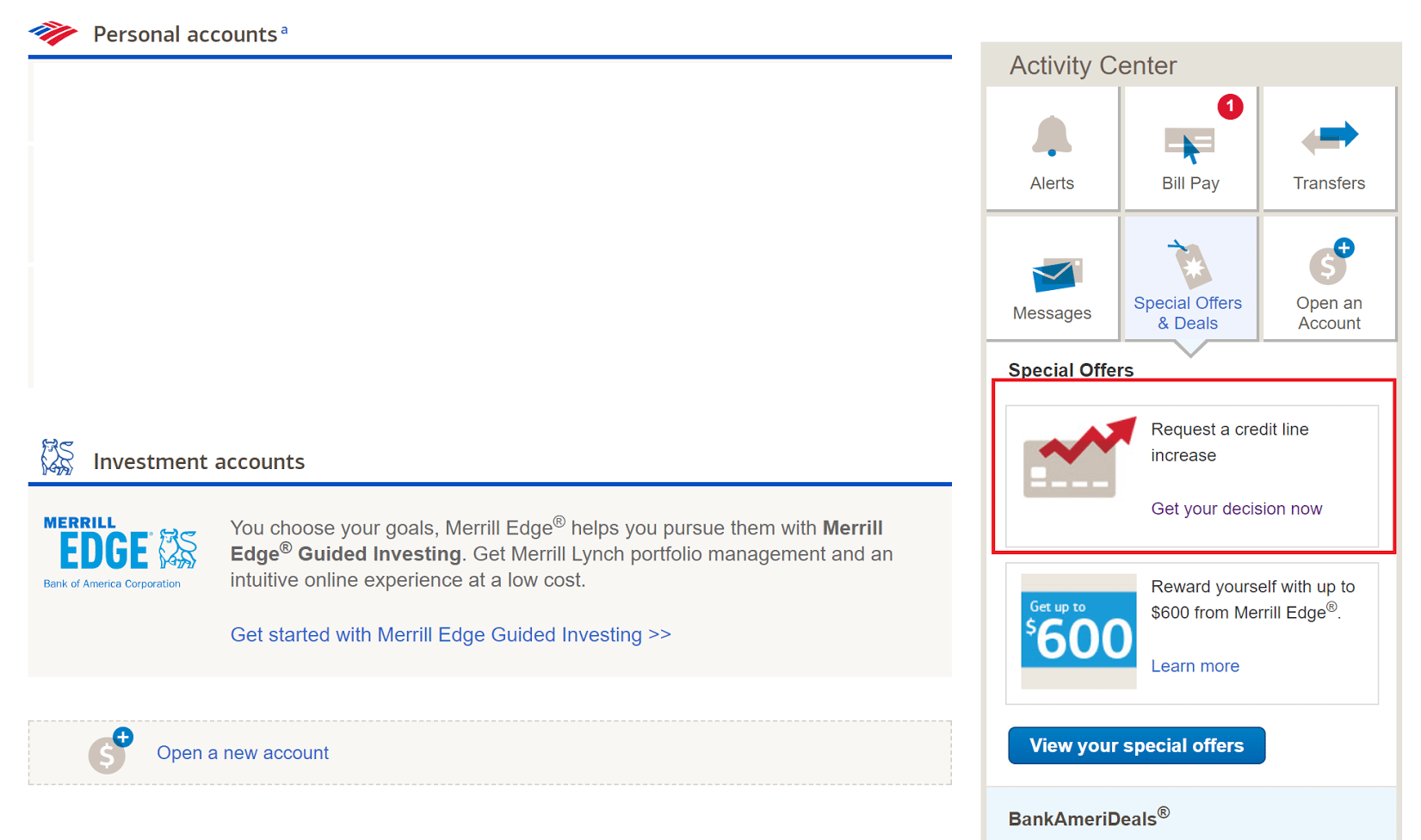
Increasing your credit limit serves two primary purposes. First, it provides a larger safety net for emergencies or significant planned purchases. Second, and perhaps more importantly, it helps lower your credit utilization ratio—the percentage of your total available credit that you are currently using. Since credit utilization is the second most important factor in calculating your FICO score, a higher limit can lead to a higher score, even if your spending habits remain unchanged.
The Mechanics of Bank of America Credit Limit Requests
Bank of America approaches credit limit increases (CLIs) differently than some of its competitors. Understanding these nuances is the first step toward a successful application.
The “Hard Pull” vs. “Soft Pull” Distinction
One of the primary concerns for any borrower is whether a credit limit request will result in a “hard inquiry” on their credit report. A hard inquiry can temporarily dip your credit score by a few points. Historically, Bank of America was known for performing hard pulls for most limit increase requests. However, in recent years, the bank has shifted its policy significantly.
Most requests made through the Bank of America online portal or mobile app now result in a “soft pull,” which does not impact your credit score. This is a major advantage for cardholders, as it allows for periodic “check-ins” on your creditworthiness without the penalty of a score reduction. That said, if you speak to a representative over the phone, they may occasionally inform you that a hard pull is required to process a specific amount. Always clarify this before proceeding.
Automatic vs. Requested Increases
Bank of America frequently monitors account activity and may grant automatic credit limit increases to cardholders who demonstrate responsible usage. These are ideal because they require zero effort and no inquiry. However, these automatic adjustments are often conservative. If you have had a significant change in income or if your credit score has jumped substantially, waiting for the bank to notice might take too long. Initiating a request is the more proactive way to align your credit capacity with your current financial reality.
The Six-Month Rule
While not a strictly codified law, there is a general industry standard—and a specific tendency within Bank of America—to wait at least six months between credit limit adjustments. If you have recently opened the account or recently received an increase, your chances of approval for another hike are slim. The bank needs a sufficient window of data to evaluate your payment behavior and spending patterns under the current limit before they feel comfortable extending more risk.
Strategic Factors That Influence Approval
Winning a credit limit increase is not a matter of luck; it is a matter of presenting a profile that minimizes the bank’s perceived risk. Bank of America looks at several key indicators before clicking the “approve” button.
Updating Your Income Profile
One of the most common reasons for a credit limit increase denial is outdated income information. If you opened your card three years ago when you were an entry-level employee and have since received promotions, the bank is still evaluating you based on your old salary unless you update your profile.
When requesting an increase, you will be asked for your total annual income. Under the Credit CARD Act of 2009, if you are over 21, you can include any income to which you have a “reasonable expectation of access.” This includes not only your base salary but also bonuses, commissions, investment dividends, and even household income from a spouse or partner. Ensuring this number is accurate and current is the single most effective way to justify a higher limit.
The Importance of Credit Utilization
It may seem counterintuitive, but you often need to show that you don’t need the money to get more of it. If your card is currently maxed out, a request for a higher limit looks like a desperate plea for more debt, which signals high risk to the bank. Ideally, your utilization on the specific Bank of America card should be under 30%—and preferably under 10%—before you ask for an increase. This demonstrates that you are using credit as a tool, not a crutch.
Payment History and Internal Standing
Bank of America values its long-term relationships. If you are part of the “Preferred Rewards” program or have other accounts (like a checking or savings account) with the bank, they have a more holistic view of your financial health. A flawless payment history is non-negotiable. Even a single late payment within the last 12 to 24 months can be a deal-breaker for a credit limit increase.
The Step-by-Step Request Process
Bank of America provides multiple channels for requesting an increase. Each has its own benefits depending on your specific situation.
Using the Online Banking Portal
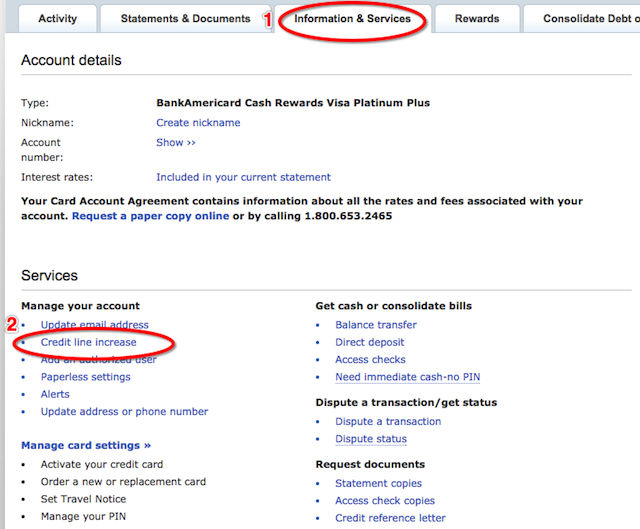
The most efficient way to request an increase is through the Bank of America website. Once logged in, navigate to the specific credit card account. Under the “Card Details” or “Credit Card Settings” tab, look for a link that says “Request a Credit Limit Increase.”
If the link is missing, it may mean your account is too new, or you have recently had an increase. If the link is there, clicking it will take you to a short form asking for your employment status, total annual income, and monthly housing payment. Once submitted, decisions are often instantaneous.
The Mobile App Method
For those who prefer managing finances on the go, the Bank of America mobile app offers the same functionality. By selecting your card and navigating through the menu options, you can find the credit limit increase request section. This method uses the same algorithmic processing as the website and usually results in a soft pull.
The Phone Call Strategy
If the online link is unavailable or if you have a specific reason for the increase (such as an upcoming large purchase or a balance transfer), calling the number on the back of your card is a viable option. Speaking with a representative allows you to provide context that a digital form cannot.
When speaking to a representative, be professional and clear. You might say: “I’ve been a loyal customer for five years and my income has increased significantly since I first opened this account. I’d like to request a limit increase to better reflect my current financial standing and to help keep my utilization low.” This shows you are a savvy consumer who understands credit mechanics.
Maximizing the Benefits of Your New Limit
Once you successfully secure an increase, the work isn’t over. How you manage that new limit will dictate your future financial opportunities.
Maintaining the Utilization Drop
The immediate benefit of a higher limit is the drop in your utilization ratio. For example, if you have a $2,000 balance on a $5,000 limit, your utilization is 40%. If your limit is increased to $10,000, that same $2,000 balance now represents only 20% utilization. This change can provide an immediate boost to your credit score. The key is to resist the urge to fill that new “space” with new purchases. If your spending increases proportionally with your limit, your credit score will not benefit, and you may find yourself in a cycle of mounting debt.
Strategic Spending for Rewards
A higher limit can also make it easier to put large, necessary expenses on your card to maximize rewards points or cash back. If you have a $2,000 limit and need to buy a $1,800 appliance, you would be utilizing 90% of your credit, which could temporarily hurt your score. With a $10,000 limit, that same purchase is only 18% utilization. This allows you to reap the benefits of credit card rewards programs without the negative side effects on your credit profile.

Dealing with a Denial
If Bank of America denies your request, do not take it personally. By law, they must send you an “Adverse Action Notice” explaining the reasons for the denial. This letter is a roadmap for your future financial health. Common reasons include:
-
Too many recent inquiries.
-
Low usage of the current limit (the bank doesn’t see a reason to give you more if you aren’t using what you have).
-
High balances on other credit cards.
-
A recent late payment.
Use this feedback to improve your profile and try again in six months. Often, simply using the card more frequently for small purchases and paying them off immediately can signal to the bank that you are an active, responsible user worthy of a higher limit.
Increasing your Bank of America credit limit is a powerful move in the game of personal finance. It requires a blend of patience, timing, and an understanding of how the bank perceives risk. By maintaining a clean payment history, updating your income, and managing your utilization, you can turn your credit card into a more robust financial instrument that supports your long-term wealth-building goals.
aViewFromTheCave is a participant in the Amazon Services LLC Associates Program, an affiliate advertising program designed to provide a means for sites to earn advertising fees by advertising and linking to Amazon.com. Amazon, the Amazon logo, AmazonSupply, and the AmazonSupply logo are trademarks of Amazon.com, Inc. or its affiliates. As an Amazon Associate we earn affiliate commissions from qualifying purchases.