
In the modern financial landscape, the ability to move money accurately and securely is the cornerstone of personal and business wealth management. Whether you are setting up a direct deposit for a new career opportunity, automating your monthly investment contributions, or initiating a high-value wire transfer for a real estate closing, the “routing number” is a critical piece of data. For Bank of America customers, finding this number is a frequent necessity, but the process involves more than just identifying a nine-digit string. It requires an understanding of how banking infrastructure works and how to navigate the digital and physical tools provided by one of the world’s largest financial institutions.
The routing transit number (RTN), often referred to as an ABA routing number, acts as an address for your bank. Just as a zip code directs mail to a specific region, the routing number directs electronic pulses of capital to the correct financial institution within the Federal Reserve system. Because Bank of America serves tens of millions of customers across various regions, they utilize a variety of routing numbers based on the state where you opened your account and the type of transaction you are performing.
Decoding the Bank of America Routing Number: Purpose and Structure
To manage your finances effectively, it is essential to understand what these numbers represent. The American Bankers Association (ABA) developed the routing number system in 1910 to improve the efficiency of check processing. Today, it remains the standard for the Electronic Fund Transfer (EFT) system, including ACH (Automated Clearing House) and wire transfers.
The Anatomy of the Nine-Digit Number
Every routing number consists of nine digits, each serving a specific purpose. The first two digits indicate the Federal Reserve district where the bank is located. The third digit identifies the specific Federal Reserve check processing center. The fourth digit denotes the state where the bank is headquartered. Digits five through eight represent the specific institution within that district, and the final ninth digit is a “check digit,” a mathematical verification tool used to ensure the number was entered correctly during automated processing.
Why Bank of America Has Multiple Numbers
Unlike smaller community banks, Bank of America has grown through decades of mergers and acquisitions. When Bank of America acquired institutions like FleetBoston or MBNA, it inherited different regional infrastructures. Consequently, the routing number for an account opened in California will differ significantly from one opened in New York or Florida. Furthermore, the bank distinguishes between “Paper” (checks), “Electronic” (ACH), and “Wire” transfers. Using the wrong number can result in delayed payments, rejected transfers, or even fees, making it vital to locate the specific number assigned to your unique account location.
Primary Methods to Locate Your Routing Number
Finding your routing number should not be a hurdle in your financial workflow. Bank of America offers several intuitive pathways to access this information, ranging from digital interfaces to traditional paper documents.
Utilizing the Bank of America Mobile App
For the modern consumer, the mobile app is the most efficient tool for financial oversight. Once logged in, the routing number is readily available:
-
Tap on the specific account (Checking or Savings) for which you need the information.
-
Navigate to the “Account Details” or “Info” tab, usually located near the top of the screen.
-
You will see your account number (masked for security) and the routing number clearly displayed.
The app often provides a “Copy” function, which is highly recommended to avoid manual entry errors when pasting the number into third-party payment platforms or employer payroll portals.
Online Banking via Web Browser
If you are working from a desktop, the Bank of America Online Banking portal provides a similar experience. After logging in, select your account and look for the “Information & Services” tab. This section typically houses the routing number, the bank’s physical address for incoming transfers, and your full account number. This is often the preferred method for business owners who are managing high-volume ACH transfers and need to verify data on a larger screen.
The Physical Check Method
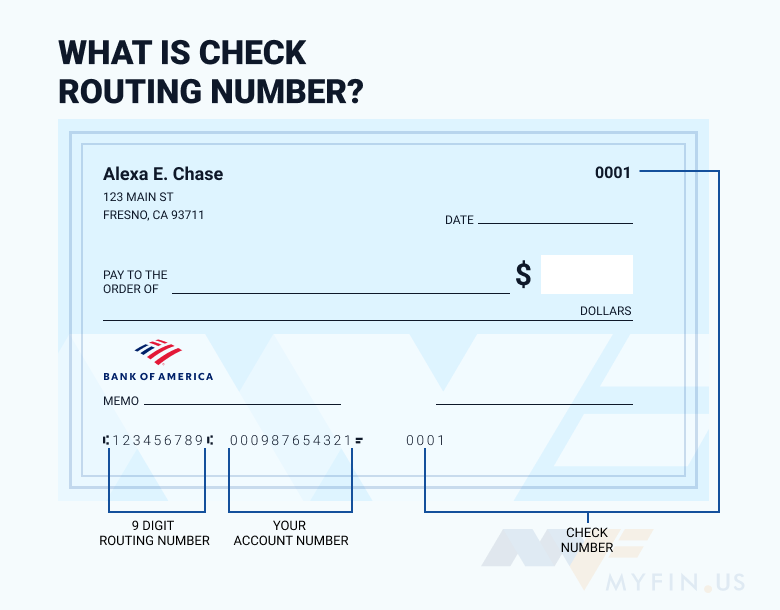
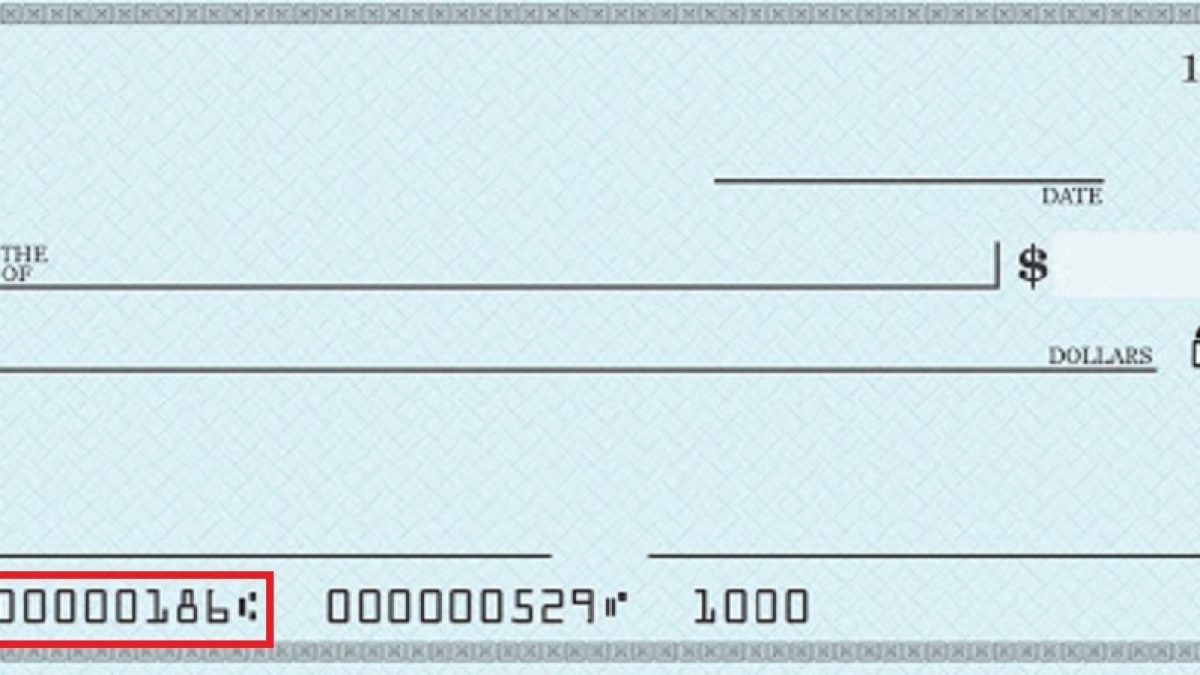
If you have a checkbook associated with your Bank of America account, you have a physical copy of your routing information. At the bottom of every check, there are three sets of numbers printed in MICR (Magnetic Ink Character Recognition) font.
-
The first set of nine digits on the far left is your Routing Number.
-
The middle set of digits is your Account Number.
-
The final set is the Check Number.
It is important to note that the routing number printed on a check is generally the “Paper” routing number. While this works for most direct deposits and bill payments, it may not be the correct number for domestic or international wire transfers.
Monthly Statements
Your monthly bank statement—whether received via mail or downloaded as a PDF—contains your routing number in the header or the “Account Summary” section. Financial professionals often recommend keeping a digital archive of these statements, as they serve as an official record of your account’s standing and routing details for tax and auditing purposes.
Navigating Transaction Types: ACH vs. Wire Transfers
One of the most common mistakes in personal finance management is the failure to distinguish between an ACH routing number and a Wire Transfer routing number. Bank of America often uses different numbers for these two distinct types of movement.
ACH Transfers and Direct Deposits
ACH (Automated Clearing House) is the system used for “Electronic” transfers. This includes your payroll direct deposit, monthly utility payments, and transfers to apps like Venmo or PayPal. When a form asks for an “Electronic Routing Number,” you should use the standard nine-digit number found in your app or on your checks. This system is designed for high-volume, low-cost transfers that typically settle within one to three business days.
Domestic Wire Transfers
Wire transfers are designed for immediate, high-priority movement of funds. Unlike ACH transfers, wires are processed individually and often carry a service fee. Bank of America frequently uses a different routing number for incoming domestic wire transfers. If you provide the ACH routing number for a wire transfer, the transaction may fail or be held in a clearing account, causing significant delays. Always check the “Wire Transfer” section of the Bank of America website or app to confirm the specific routing number for domestic wires.
International Transfers and SWIFT Codes
When moving money across international borders, a nine-digit routing number is often insufficient. Instead, you will need a SWIFT (Society for Worldwide Interbank Financial Telecommunication) code or a BIC (Bank Identifier Code). For Bank of America, the SWIFT code identifies the bank globally. In addition to the SWIFT code, you may need to provide the recipient’s IBAN (International Bank Account Number). Finding these requires navigating to the “International Transfers” section of your online banking dashboard to ensure the currency conversion and routing are handled correctly.
Security Protocols and Financial Accuracy
In the digital age, your routing and account numbers are the keys to your financial vault. While a routing number is not “private” in the same way a password is—after all, it is printed on every check you write—it must still be handled with care to prevent unauthorized ACH withdrawals.
Verifying the Information
Before finalizing any financial setup, double-check every digit. A single transposed number can send your mortgage payment or salary into the “void” of the banking system. When setting up a new link between Bank of America and an external investment account (such as a brokerage or high-yield savings account), many institutions use “micro-deposits” to verify the routing and account numbers. This involves the institution sending two small amounts (e.g., $0.04 and $0.12) to your account, which you then confirm. This is an essential security layer that ensures the bridge between your accounts is stable.
Guarding Against Phishing
Be wary of any email or text message asking you to “verify” your routing number by clicking a link. Legitimate financial institutions like Bank of America will never ask you to provide your full account or routing numbers via an unsecure communication channel. Always navigate directly to the official website or use the verified mobile app to access your banking data.
What to Do if an Error Occurs
If you realize you have provided the wrong Bank of America routing number for a transfer, time is of the essence. For ACH transfers, you can often contact the originating party to cancel the request before it is batched. If the funds have already left the account or have been sent to an incorrect destination, you must contact Bank of America’s fraud and recovery department immediately. While ACH transfers can sometimes be reversed through a “reclamation” process, wire transfers are much harder to claw back once they are settled.

Leveraging Your Routing Information for Financial Growth
Once you have mastered the retrieval and application of your Bank of America routing number, you can use this data to optimize your financial life. Accurate routing is the engine behind several wealth-building strategies:
-
Automated Investing: By linking your Bank of America checking account to a brokerage via the routing number, you can set up recurring transfers to buy index funds or ETFs, utilizing the power of dollar-cost averaging.
-
High-Yield Optimization: Use your routing number to move excess cash from a low-interest Bank of America checking account to a high-yield savings account (HYSA) at another institution, ensuring your liquidity is always earning the maximum possible interest.
-
Streamlined Bill Payment: Moving from manual check writing to ACH-based “Pull” payments (where the utility company pulls funds using your routing number) ensures you never miss a due date, protecting your credit score.
Understanding how to find and use your Bank of America routing number is a fundamental skill in the journey toward financial literacy. By utilizing the digital tools at your disposal and understanding the nuances of different transfer types, you ensure that your capital moves with precision, security, and efficiency.
aViewFromTheCave is a participant in the Amazon Services LLC Associates Program, an affiliate advertising program designed to provide a means for sites to earn advertising fees by advertising and linking to Amazon.com. Amazon, the Amazon logo, AmazonSupply, and the AmazonSupply logo are trademarks of Amazon.com, Inc. or its affiliates. As an Amazon Associate we earn affiliate commissions from qualifying purchases.