
Philanthropy is often viewed through a lens of altruism, but in the realm of sophisticated personal finance, it is also a critical component of a comprehensive wealth management strategy. Donating to a food pantry is not merely a gesture of goodwill; it is an exercise in resource allocation, tax optimization, and community investment. For the financially conscious individual, the question isn’t just how to give, but how to give effectively to ensure that every dollar or asset deployed achieves the maximum possible return on impact.

Integrating charitable giving into your financial plan requires a shift from reactive to proactive behavior. Instead of making sporadic contributions, a strategic approach involves evaluating the fiscal efficiency of different donation methods, understanding the nuances of the tax code, and leveraging financial tools to amplify your reach.
Incorporating Philanthropy into Your Personal Budgeting Framework
The most sustainable way to support food security is to treat charitable giving as a fixed line item within your monthly or annual budget. From a personal finance perspective, this prevents “giving fatigue” and ensures that your contributions do not compromise your long-term savings goals or emergency funds.
The Percentage-Based Approach
Many financial planners recommend the 50/30/20 rule—50% for needs, 30% for wants, and 20% for savings and debt repayment. However, for those focused on social impact, a modified version might include a dedicated 5% to 10% for “Capital for Good.” By automating these contributions, you treat your donation to a food pantry with the same discipline as a 401(k) contribution or a mortgage payment. This consistency allows food pantries, which operate on tight margins and predictable cycles, to forecast their own budgets more accurately.
Sinking Funds for Seasonal Surges
Food pantries often experience a surge in demand during the winter months and traditional holidays. From a cash-flow management perspective, it is wise to utilize “sinking funds.” By setting aside a small amount each month into a high-yield savings account specifically earmarked for year-end giving, you can make a significant lump-sum donation when the community need is highest without disrupting your December cash flow.
The Economics of Giving: Cash vs. Physical Goods
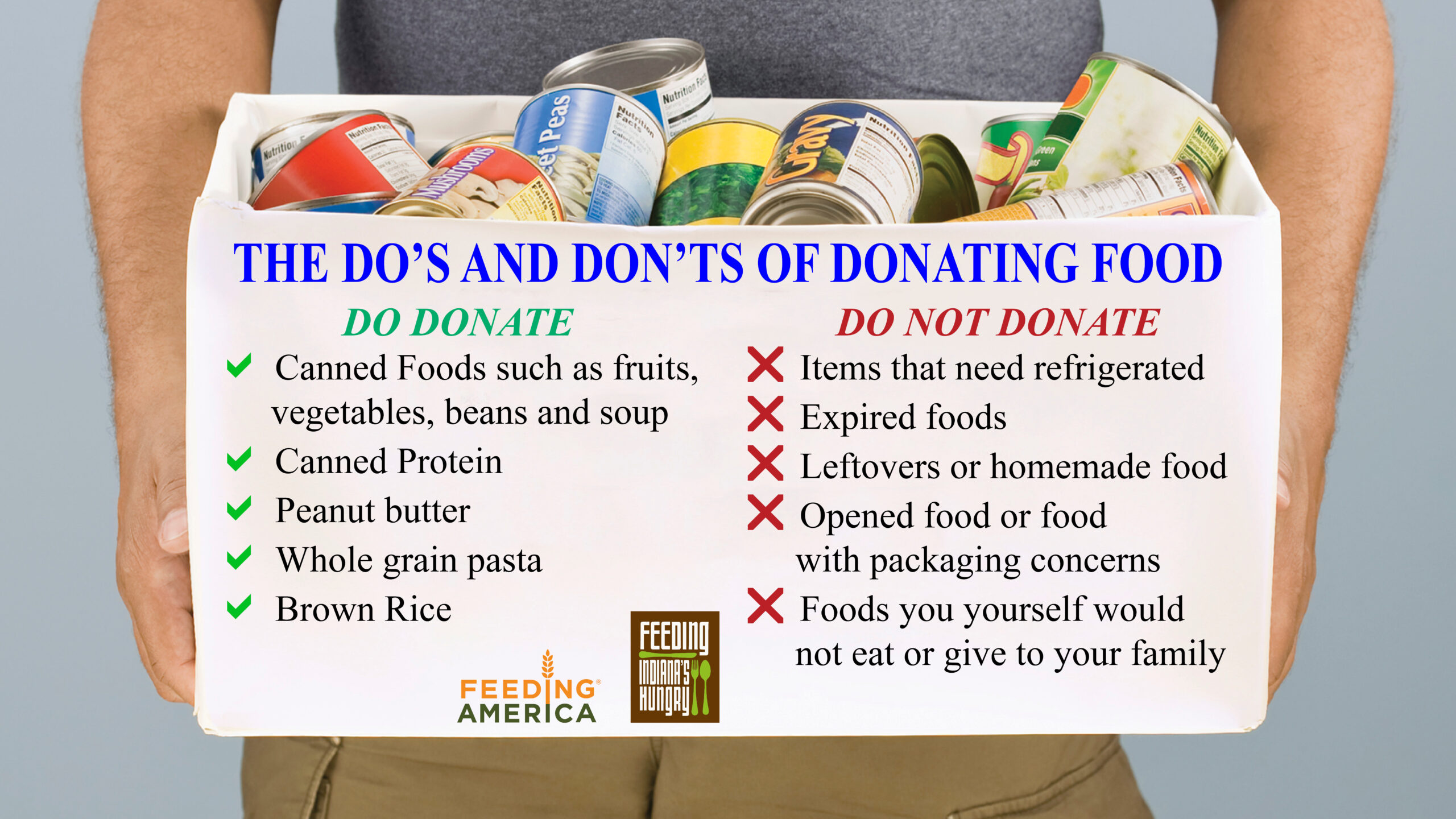
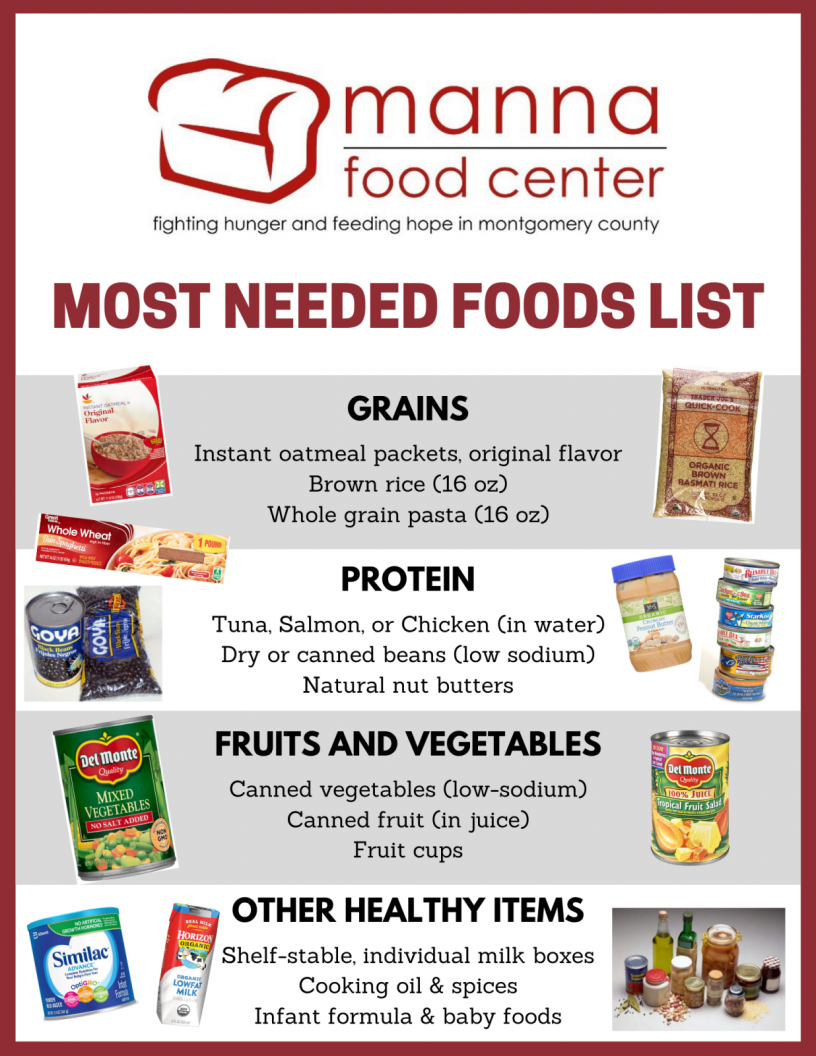
A common dilemma for donors is whether to provide physical food items or direct monetary contributions. While the impulse to clear out a pantry or buy extra canned goods at the grocery store is well-intentioned, the “Money” niche perspective favors cash for its superior purchasing power and logistical efficiency.
Wholesale Purchasing Power and the Multiplier Effect
The most compelling financial argument for cash donations is the “multiplier effect.” Individual consumers purchase food at retail prices. Food banks and pantries, however, operate within a sophisticated supply chain. They have access to wholesale markets, bulk purchasing agreements, and partnerships with agricultural producers.
In many cases, a food bank can turn a $1 cash donation into $5 to $10 worth of food value. When you donate a $2 can of soup, the pantry receives $2 worth of soup. When you donate that same $2 in cash, the pantry might be able to procure five cans of soup or several pounds of fresh produce. From a return-on-investment (ROI) standpoint, cash is the most efficient asset you can provide.
Logistical Costs and Opportunity Loss
Physical donations carry hidden costs. Food pantries must invest man-hours into sorting, checking expiration dates, and categorizing individual cans and boxes. This labor—often provided by volunteers but managed by paid staff—represents an operational expense. Furthermore, the “opportunity cost” of storage space for mismatched items can be high. Cash, by contrast, is liquid. It allows the organization to purchase exactly what they need, when they need it, reducing waste and optimizing their inventory management.
Navigating the Tax Implications of Food Pantry Contributions
For many taxpayers, the financial benefit of donating to a 501(c)(3) food pantry comes in the form of a tax deduction. However, maximizing this benefit requires meticulous record-keeping and an understanding of the current IRS regulations.
Itemizing vs. the Standard Deduction
To deduct charitable contributions, a taxpayer must itemize their deductions on Schedule A (Form 1040). Since the passage of the Tax Cuts and Jobs Act, the standard deduction has increased significantly, meaning fewer individuals see a direct tax break from small donations. To navigate this, some donors use a “bunching” strategy—concentrating several years’ worth of planned donations into a single tax year to exceed the standard deduction threshold, then taking the standard deduction in the “off” years.
Documentation Requirements
The IRS is stringent regarding documentation. For any cash contribution, you must maintain a bank record, credit card statement, or a written communication from the charity. For donations of $250 or more, you must obtain a contemporaneous written acknowledgment from the food pantry that describes the amount given and whether any goods or services were provided in exchange for the gift.
If you are donating physical goods, you can only deduct the “fair market value” of the items, not the original purchase price. For large-scale donations of property or high-volume goods, additional forms and even independent appraisals may be required. Keeping a digital folder of receipts and valuation guides throughout the year is a hallmark of a fiscally responsible donor.
Advanced Giving Strategies: Stocks, DAFs, and Employer Matching
For high-net-worth individuals or those with significant investment portfolios, traditional cash donations may not be the most tax-efficient way to give. Utilizing more advanced financial instruments can increase the size of the gift while providing greater personal tax relief.
Donating Appreciated Securities
If you hold stocks or mutual funds that have appreciated in value over more than a year, donating them directly to a food pantry (or its parent food bank) is an elite financial move. When you sell an appreciated asset, you are liable for capital gains tax. However, if you transfer the shares directly to the charity, you avoid the capital gains tax entirely, and you can deduct the full fair market value of the shares at the time of the transfer. This allows you to give more to the pantry than you would have been able to if you had sold the stock and donated the after-tax cash.
Donor-Advised Funds (DAFs)
A Donor-Advised Fund is essentially a charitable savings account. You contribute to the fund and receive an immediate tax deduction. The assets in the fund can then be invested and grow tax-free. You can recommend grants from the DAF to your local food pantry over time. This is an excellent tool for managing a windfall—such as a bonus or the sale of a business—allowing you to lock in the tax benefit in a high-income year while supporting the pantry for years to come.
Leveraging Corporate Matching Programs
Many corporations offer gift-matching programs as part of their employee benefits package. This is essentially “free money” for the food pantry. In a typical 1:1 match, your $500 donation becomes $1,000 for the organization. From a wealth-building and community-impact perspective, failing to utilize a corporate match is leaving money on the table. Always check with your HR department to see if your food pantry qualifies under the company’s philanthropic guidelines.
Assessing the Financial Health of a Food Pantry
In the world of investing, you wouldn’t buy stock in a company without looking at its balance sheet. The same rigor should be applied to your charitable “investments.” Before making a significant donation, it is prudent to evaluate the financial efficiency and transparency of the food pantry.
Reviewing Form 990
Major food banks and large pantries are required to file Form 990 with the IRS. This document provides a window into the organization’s finances, including executive compensation, administrative overhead, and the percentage of funds that go directly to programs versus fundraising. Look for organizations where “Program Expenses” account for at least 75-80% of total spending.
Utilizing Third-Party Evaluators
Websites like Charity Navigator and GuideStar (now Candid) provide independent analysis of non-profit financial health. These platforms aggregate data to rate organizations on transparency and accountability. A food pantry with a “Platinum Seal of Transparency” on GuideStar or a high star rating on Charity Navigator is generally a safer bet for your capital.
By approaching food pantry donations through the lens of personal finance, you transform a simple act of charity into a strategic component of your financial life. Whether through wholesale-efficient cash gifts, tax-optimized stock transfers, or disciplined budgeting, your ability to provide for those in need is significantly enhanced when backed by sound financial principles. Giving to a food pantry is not just about the food; it is about the effective management and deployment of capital to build a more resilient economic environment for everyone.
aViewFromTheCave is a participant in the Amazon Services LLC Associates Program, an affiliate advertising program designed to provide a means for sites to earn advertising fees by advertising and linking to Amazon.com. Amazon, the Amazon logo, AmazonSupply, and the AmazonSupply logo are trademarks of Amazon.com, Inc. or its affiliates. As an Amazon Associate we earn affiliate commissions from qualifying purchases.