
Navigating the complexities of modern banking requires more than just tracking your spending; it demands a proactive stance toward financial security and accuracy. For Bank of America customers, identifying an unauthorized transaction or a billing error on a statement can be a stressful experience. However, the process of disputing a charge is a fundamental consumer right, protected by federal law and facilitated by the bank’s digital infrastructure. Understanding the nuances of this process—from the initial discovery of an error to the final resolution—is essential for maintaining the integrity of your personal finances.
Understanding the Charge Dispute Process at Bank of America
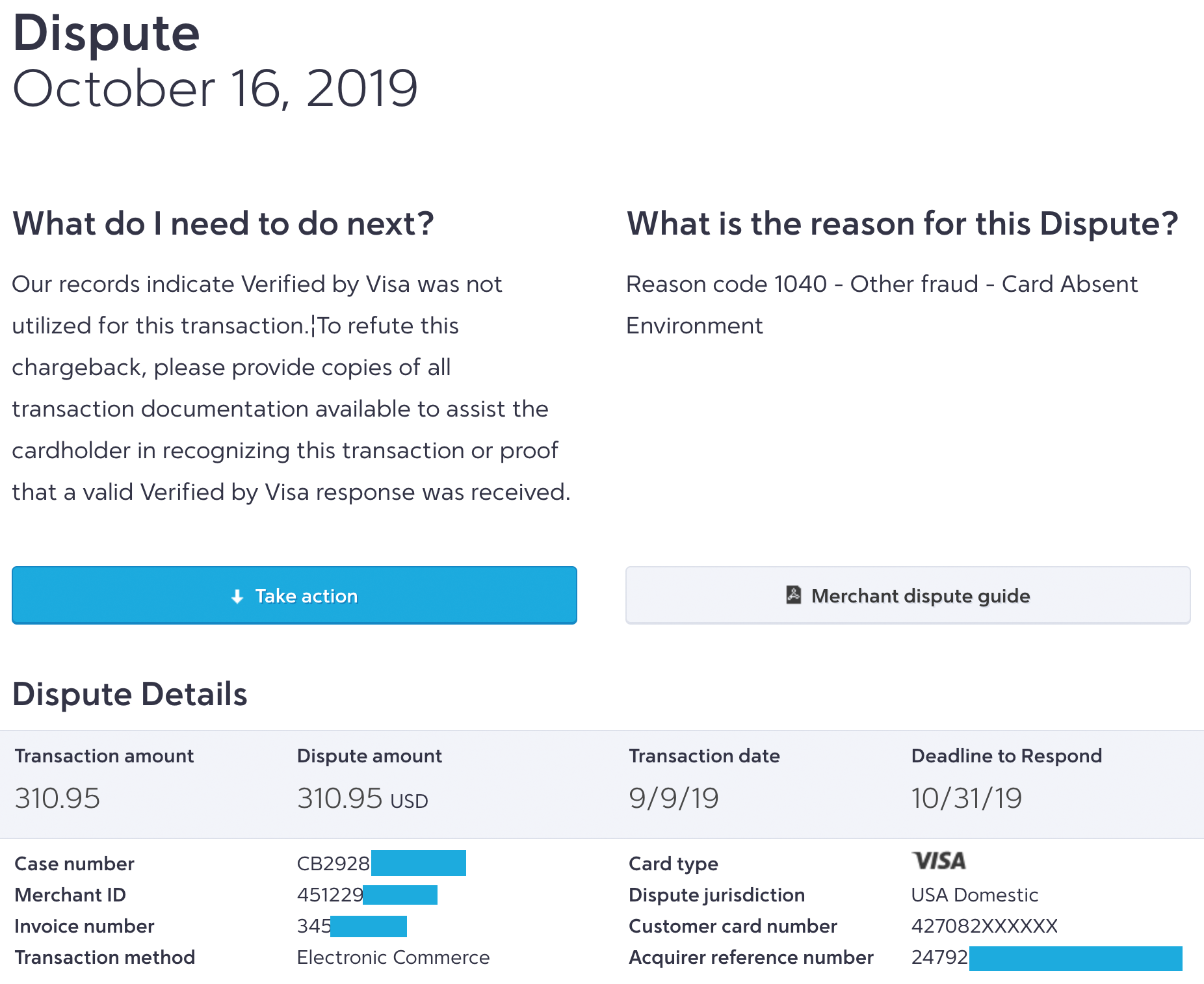
Before initiating a dispute, it is crucial to understand what a dispute actually entails and the legal framework that supports you. A charge dispute, often referred to as a chargeback in the context of credit cards, is a formal request for a bank to review a specific transaction and potentially reverse it. This is not merely a “refund” from the merchant; it is a secondary line of defense when a direct resolution with a merchant fails or when fraudulent activity occurs.
Legitimate Reasons for a Dispute
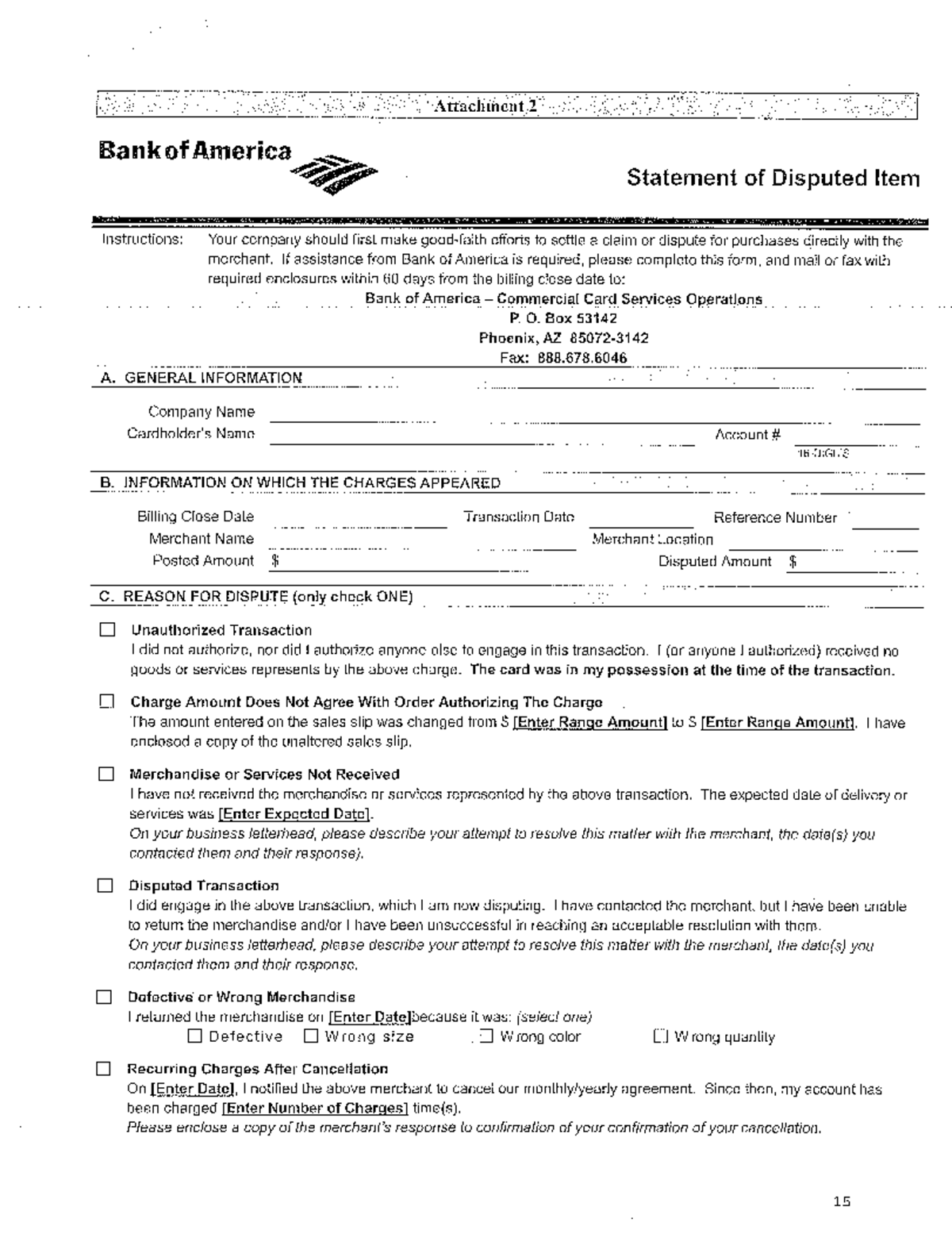
Not every unsatisfactory purchase qualifies for a formal dispute. Bank of America, adhering to industry standards set by networks like Visa and Mastercard, generally recognizes several core categories for disputes:
-
Unauthorized Transactions: This is the most critical category, involving charges you did not authorize, often resulting from identity theft or a compromised card.
-
Billing Errors: This includes being charged the wrong amount, duplicate charges for a single transaction, or being billed for a subscription you previously cancelled.
-
Goods or Services Not Received: If you paid for an item that was never delivered or a service that was never performed, and the merchant refuses to rectify the situation, a dispute is appropriate.
-
Goods or Services Not as Described: This applies when the product received is significantly different from what was advertised or is defective upon arrival.
It is important to note that a dispute should generally be your last resort. Bank of America, like most financial institutions, expects you to attempt to resolve the issue with the merchant first. If you have a receipt or a cancellation confirmation, these will be vital pieces of evidence should the merchant refuse to cooperate.
Timing and Federal Protections
Financial disputes are governed by strict timelines, largely dictated by federal regulations. For credit cards, the Fair Credit Billing Act (FCBA) provides a robust shield for consumers. Under this law, you generally have 60 days from the date the statement containing the error was mailed to you to file a formal dispute.
For debit cards, the Electronic Fund Transfer Act (EFTA) applies. While similar, the protections for debit transactions can be slightly different, particularly regarding your liability for unauthorized charges. If you notify the bank within two business days of discovering a lost or stolen card, your liability is usually limited to $50. If you wait longer, that liability can increase significantly. This highlights the importance of regular account monitoring—a cornerstone of sound personal finance management.
Step-by-Step Guide to Filing a Dispute
Bank of America has streamlined the dispute process, offering multiple channels to accommodate different user preferences. Whether you prefer a digital-first approach or a direct conversation with a representative, the goal remains the same: providing the bank with the necessary facts to investigate the claim.
Using the Bank of America Mobile App
For many, the mobile app is the most convenient tool for managing disputes. The interface is designed to lead you through the process logically.
-
Log In: Securely access your account via biometric or passcode authentication.
-
Select the Account: Choose the specific credit or debit account where the transaction appears.
-
Find the Transaction: Scroll through your activity or use the search function to locate the disputed charge.
-
Initiate Dispute: Tap on the transaction to view its details. Look for the “Dispute Transaction” link or a similar prompt.
-
Provide Details: The app will ask a series of questions. Is this fraud (you didn’t do it) or a billing dispute (you did it, but something is wrong)? Be precise in your answers.
-
Submit: Review your information and submit the request.
Utilizing Online Banking
If you require a larger screen to review multiple documents or statements, the Bank of America online banking portal is highly effective.
-
Sign In: Navigate to the Bank of America website and log into your Online Banking profile.
-
Navigate to Activity: Go to the “Accounts” tab and select the relevant account.
-
Locate the Transaction: Find the charge in your transaction history.
-
Select “Dispute Transaction”: Much like the mobile app, clicking the transaction will reveal a “Dispute Transaction” option.
-
Complete the Form: The online form may allow for more detailed explanations. Ensure you clearly state the reason for the dispute and what outcome you are seeking (e.g., a full refund).
-
Upload Evidence: The web portal often makes it easier to attach digital copies of receipts, emails, or shipping confirmations.
Traditional Phone and Mail Methods
While digital methods are faster, some situations—particularly complex fraud cases or those involving large sums—may benefit from a direct phone call. You can call the customer service number on the back of your card. When speaking with a representative, record the date, time, and the name of the person you spoke with, along with a reference number for the claim.
For the highest level of legal protection under the FCBA, sending a formal letter via certified mail is recommended. This creates a paper trail that is difficult to dispute. Your letter should include your name, account number, the specific dollar amount in question, and a clear explanation of why you believe there is an error.
Documentation and Evidence: Building a Winning Case
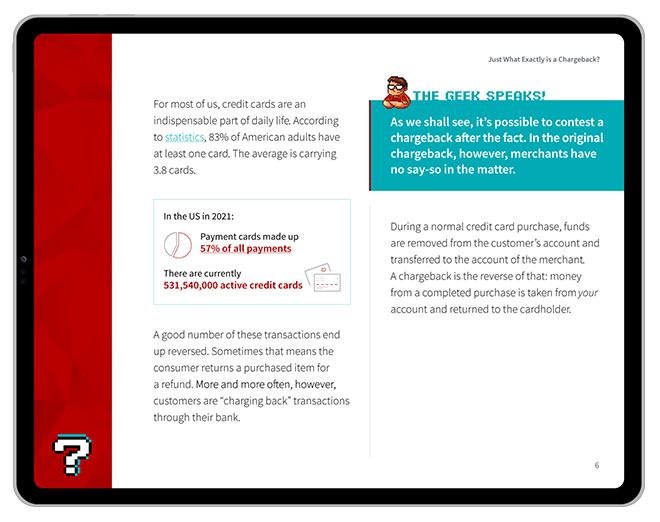
The success of a dispute often hinges on the quality of the evidence provided. Bank of America acts as an intermediary between you and the merchant’s bank. To rule in your favor, they need objective proof that an error occurred or that the merchant failed to meet their obligations.
Types of Evidence to Gather
When preparing your dispute, collect every piece of information related to the transaction. This “evidence locker” should include:
-
Receipts and Invoices: Digital or physical copies showing the agreed-upon price and items.
-
Correspondence: Emails or chat logs with the merchant attempting to resolve the issue. These are crucial for proving you made a “good faith effort” to settle the matter.
-
Cancellation Confirmations: If the charge is for a subscription, a screenshot of the cancellation confirmation page or email is definitive proof.
-
Tracking Information: For items not received, a tracking number showing the item was never delivered (or was delivered to the wrong address) is vital.
-
Photos/Videos: If a product arrived damaged or is significantly different from the description, visual evidence is highly persuasive.
Best Practices for Communication
When describing the reason for your dispute, maintain a professional and factual tone. Avoid emotional language or tangential complaints. Focus on the “who, what, when, and where.” For example, instead of saying “The merchant was rude and the product is terrible,” state “The product received on [Date] does not match the specifications listed on the merchant’s website, and my request for a return was denied on [Date].”
What to Expect After Filing Your Claim
Once a dispute is filed, the investigation phase begins. Bank of America will contact the merchant and their bank to hear their side of the story. This process is not instantaneous; it requires patience and continued monitoring of your account.
The Investigation Timeline
Typically, a bank has about 10 business days to investigate a claim for debit cards, though this can be extended to 45 or even 90 days in certain circumstances. For credit cards, the investigation must generally be completed within two complete billing cycles (but not more than 90 days). During this time, the bank is reviewing the evidence from both the consumer and the merchant.
Provisional Credits
In many cases, particularly with unauthorized charges or significant billing errors, Bank of America may issue a “provisional credit.” This is a temporary deposit of the disputed amount back into your account while the investigation is ongoing. It allows you to maintain your cash flow and pay your bills.
However, it is vital to remember that this credit is provisional. If the bank ultimately decides the charge was valid (e.g., the merchant provides proof that you did indeed receive the item), the bank will withdraw that credit from your account. Always keep the disputed amount “set aside” in your mind until the case is officially closed.
Final Resolutions and Appeals
At the end of the investigation, you will receive a formal notification of the outcome. If the dispute is resolved in your favor, the provisional credit becomes permanent. If the claim is denied, the bank will provide an explanation. If you disagree with the denial and have new evidence that was not previously considered, you can often request an appeal or a re-investigation.
Proactive Financial Management and Fraud Prevention
While knowing how to dispute a charge is a vital skill, the ultimate goal in personal finance is to minimize the need for disputes through proactive management and robust security.
Monitoring Accounts and Setting Alerts
The faster you spot an error, the easier it is to resolve. In the “Money” niche of personal finance, high-frequency monitoring is a “power user” habit.
-
Check Daily: Spend two minutes every morning reviewing your transactions in the Bank of America app.
-
Enable Push Notifications: Set up alerts for any transaction over a certain dollar amount or for any “card-not-present” (online) transactions. Bank of America offers customizable alerts that can be sent via text, email, or app notification.
Strengthening Security
Protecting your financial tools is the first step in preventing unauthorized charges.
-
Use Multi-Factor Authentication (MFA): Always enable MFA on your banking apps and any email accounts linked to your financial life.
-
Digital Wallets: Using Apple Pay, Google Pay, or Samsung Pay adds a layer of security through tokenization, meaning your actual card number is never shared with the merchant.
-
Virtual Cards: For online subscriptions or unfamiliar websites, consider using services that provide virtual card numbers, which can be easily paused or deleted.
By mastering the dispute process and implementing proactive security measures, you transition from a passive consumer to an active steward of your financial health. Bank of America provides the tools, but your vigilance and understanding of your rights are the true safeguards of your wealth.
aViewFromTheCave is a participant in the Amazon Services LLC Associates Program, an affiliate advertising program designed to provide a means for sites to earn advertising fees by advertising and linking to Amazon.com. Amazon, the Amazon logo, AmazonSupply, and the AmazonSupply logo are trademarks of Amazon.com, Inc. or its affiliates. As an Amazon Associate we earn affiliate commissions from qualifying purchases.