
In the modern financial landscape, your credit score is more than just a number; it is a vital indicator of your fiscal reputation and a key that unlocks various opportunities, from securing a mortgage to obtaining favorable interest rates on auto loans. For customers of Bank of America, staying on top of this metric has become significantly easier thanks to integrated digital tools. Understanding how to check your credit score through your Bank of America account is the first step toward proactive financial management. This guide explores the technical steps to access your score, the nuances of the FICO model used, and how to leverage this information to strengthen your overall financial position.

Navigating the Digital Interface: Accessing Your FICO Score
Bank of America provides its customers with free access to their FICO Score, which is updated monthly. This transparency allows users to monitor their credit health without the need for third-party subscriptions that might charge fees. Accessing this information is streamlined across both the mobile app and the desktop online banking portal.
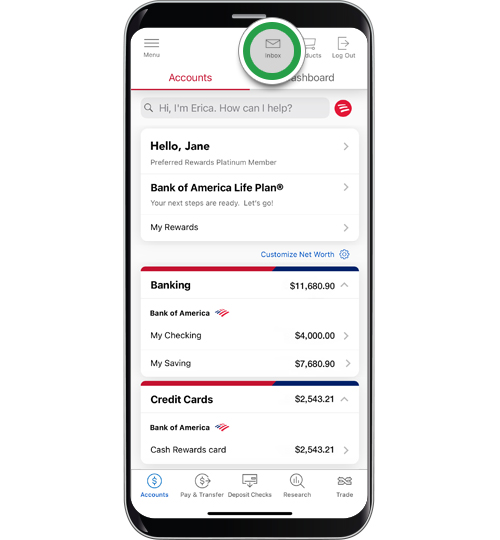
Accessing via the Bank of America Mobile App
For most users, the mobile application is the most convenient way to keep tabs on credit health. To find your score, follow these steps:
-
Log In: Open the Bank of America mobile app and authenticate using your credentials or biometric ID.
-
Navigate to the Menu: Tap the menu icon (often represented by three horizontal lines) or look for the “Accounts” tab.
-
Locate the Credit Score Section: Scroll down until you see the “FICO Score” option. In newer versions of the app, this may also be integrated within the “Life Plan” or “Financial Tools” sections.
-
View Details: Once you tap the score, you will be presented with your current three-digit number, the date it was last updated, and a historical trend chart showing how your score has changed over time.
Accessing via Online Banking on Desktop
If you prefer a larger screen to analyze your financial data, the online banking portal offers a comprehensive view:
-
Sign In: Visit the Bank of America website and log into your online banking account.
-
Select Your Account: Choose one of your primary accounts (checking or credit card).
-
Find the FICO Score Link: On the right-hand sidebar or under the “Tools & Resources” tab, you will find a link titled “View your FICO Score.”
-
Review Your Insights: Clicking this will open a dedicated dashboard that provides your score and detailed explanations of the factors influencing it.
Enrollment and Eligibility
It is important to note that you must opt-in to this service. While it is free, Bank of America requires your consent to pull this data from TransUnion. Once you agree to the terms and conditions, your score will typically appear immediately, with subsequent updates occurring once per billing cycle.
Understanding the FICO Score 8 Model
When you check your credit score through Bank of America, you are viewing your FICO Score 8, based on data from TransUnion. Understanding what this specific model entails is crucial because different lenders may use different versions or even different scoring models entirely, such as VantageScore.
Why FICO Score 8?
FICO Score 8 is the most widely used version by lenders today. It was designed to be more sensitive to high credit card utilization while being more forgiving toward occasional late payments if the overall credit history is strong. By providing this specific model, Bank of America gives you a “lender’s eye view” of your creditworthiness.
The Source: TransUnion
There are three major credit bureaus: Equifax, Experian, and TransUnion. Bank of America partners with TransUnion for its FICO Score delivery. While your scores across the three bureaus are often similar, they are rarely identical because not all lenders report to all three bureaus. Regularly checking your TransUnion-based FICO score via your bank helps you spot discrepancies that might exist in one report but not others.
The Impact of “Soft” Inquiries
A common concern among consumers is whether checking their own credit score will lower it. When Bank of America retrieves your score for your viewing, it is considered a “soft inquiry.” Unlike a “hard inquiry”—which occurs when you apply for a new line of credit—soft inquiries have zero impact on your credit score. You can check your score through the app as often as you like without fear of penalization.
Analyzing the Factors That Shape Your Score
Simply knowing the number is only half the battle. To improve or maintain a high score, you must understand the components that Bank of America’s dashboard highlights. The FICO model is generally composed of five key categories, each weighted differently.
Payment History (35%)
This is the single most important factor. It tracks whether you have paid your past credit accounts on time. The Bank of America interface often highlights “Key Factors” that are helping or hurting your score; “No late payments” is frequently listed as a top positive driver. Even one payment that is 30 days late can cause a significant drop in your score.
Amounts Owed and Credit Utilization (30%)
This category looks at your credit utilization ratio—the amount of credit you are using compared to your total available limits. For example, if you have a credit limit of $10,000 and a balance of $3,000, your utilization is 30%. Financial experts generally recommend keeping this ratio below 30%, and ideally below 10% for the highest scores.
Length of Credit History (15%)
This considers the age of your oldest account, the age of your newest account, and the average age of all your accounts. A longer credit history provides more data for lenders to evaluate your behavior over time. This is why it is often advised not to close old credit card accounts, even if you no longer use them frequently.
Credit Mix (10%)
Lenders like to see that you can handle different types of credit, such as “revolving” credit (credit cards) and “installment” loans (mortgages, auto loans, or student loans). While not the most critical factor, having a diverse portfolio can provide a small boost to your score.
New Credit (10%)
Opening several new credit accounts in a short period represents a higher risk for lenders. Each hard inquiry can shave a few points off your score temporarily. Bank of America’s tool can help you see when these inquiries fall off your report, which typically happens after two years.
Leveraging Bank of America’s Educational Resources
Bank of America does more than just provide a number; it offers a suite of educational tools designed to help you build better money habits. Utilizing these resources can turn a static score into a roadmap for financial growth.
The “Better Money Habits” Platform
In partnership with Khan Academy, Bank of America offers the “Better Money Habits” resource center. This platform provides videos, articles, and calculators that explain complex financial concepts in simple terms. Users can learn about the nuances of credit building, debt consolidation, and how to prepare for major life purchases.
FICO Score Trends and Tracking
The historical chart provided in the banking app is an invaluable tool for long-term planning. By viewing your score over 12 months, you can correlate dips or spikes with specific financial actions you took, such as paying off a large loan or opening a new retail credit card. This visual feedback loop is essential for reinforcing positive financial behaviors.
Setting Up Alerts and Notifications
To stay proactive, you can set up alerts within the Bank of America system. While these alerts are often used for balance transfers or large purchases, they also serve as a security measure. If you see a sudden, unexplained drop in your FICO score on your monthly update, it may be an early warning sign of identity theft or an error on your credit report.
Proactive Steps for Credit Optimization
Once you have established the habit of checking your credit score via Bank of America, the next step is optimization. Using the data provided, you can implement strategies to ensure your credit profile remains robust.
Disputing Inaccuracies
If the information provided via TransUnion through your bank portal seems incorrect, you have the right to dispute it. Errors such as accounts that don’t belong to you, incorrect payment statuses, or duplicated debts can artificially lower your score. You can contact TransUnion directly to initiate a dispute, often using the details found within the “Key Factors” section of your Bank of America dashboard.
Strategic Debt Reduction
If your score is being suppressed by high utilization, use the “Life Plan” feature in the Bank of America app to set a goal for debt reduction. By visualizing how much you need to pay down to reach a certain utilization percentage, you can create a structured plan that directly results in a higher FICO score over the subsequent months.

Responsible Credit Card Usage
For those looking to build credit from scratch, Bank of America offers secured credit cards. By checking the score monthly, users can see the tangible progress made as they use the card for small purchases and pay the balance in full each month. This consistent reporting to the bureaus is the foundation of a healthy credit profile.
In conclusion, Bank of America has made the process of monitoring your credit score both accessible and insightful. By integrating the FICO Score 8 model directly into their digital platforms, they empower customers to take ownership of their financial destinies. Regular monitoring, combined with an understanding of the factors that influence the score and the use of available educational tools, can lead to significant long-term financial benefits. Whether you are planning to buy a home or simply want to ensure your financial health is on the right track, checking your credit score is an essential habit for every modern consumer.
aViewFromTheCave is a participant in the Amazon Services LLC Associates Program, an affiliate advertising program designed to provide a means for sites to earn advertising fees by advertising and linking to Amazon.com. Amazon, the Amazon logo, AmazonSupply, and the AmazonSupply logo are trademarks of Amazon.com, Inc. or its affiliates. As an Amazon Associate we earn affiliate commissions from qualifying purchases.