
The term “cyber goth” might conjure up images of futuristic rebels, clad in neon and chrome, navigating a digital underworld. While this imagery isn’t entirely off the mark, the reality of cyber goth is far more nuanced, deeply rooted in a rich subcultural history and a fascination with the intersection of technology, aesthetics, and identity. More than just a fashion statement, being a cyber goth is about embracing a particular worldview that blends the dark romanticism of traditional goth with the cutting-edge possibilities of the digital age.
This article delves into the essence of what it means to be a cyber goth, exploring its origins, core philosophies, and how it manifests in contemporary culture, particularly through the lens of technology, brand identity, and even the financial landscapes it inhabits. We’ll unpack the visual cues, the musical influences, and the underlying ethos that define this unique subculture, demonstrating that cyber goth is not just a style, but a lifestyle that reflects a profound engagement with the modern world.
The Genesis and Evolution of Cyber Goth
To understand cyber goth, we must first trace its lineage. The goth subculture itself emerged in the late 1970s and early 1980s, drawing inspiration from gothic literature, post-punk music, and a general sense of existentialism and romantic melancholy. Traditional goth culture is characterized by its embrace of darkness, introspection, and often, a certain theatricality.
The Digital Dawn and the Birth of a New Aesthetic
The rise of cyber goth as a distinct offshoot began to solidify in the late 1990s and early 2000s. This period coincided with the explosion of the internet, the burgeoning digital revolution, and a growing public consciousness of technology’s pervasive influence. Cyber goths, in their inherent fascination with the unconventional and the future-oriented, found fertile ground in this new digital landscape.
The “cyber” prefix signifies this crucial technological infusion. It’s about embracing the artificial, the synthetic, and the digital as integral components of life and identity. Unlike traditional goth, which might draw heavily on historical or natural elements of darkness, cyber goth finds its darkness and allure in the sterile glow of screens, the intricate wiring of circuits, and the infinite possibilities of virtual worlds. This isn’t a rejection of the organic, but rather an expansion of the aesthetic and philosophical palette to include the manufactured and the digital.
The evolution of cyber goth can be seen as a reaction to and an integration of societal changes. As technology became more accessible and integrated into daily life, it naturally filtered into subcultural expressions. Cyber goths were among the first to fully synthesize this technological integration into their aesthetic and their identity.
Core Tenets: A Fusion of Gloom and Glow
At its heart, cyber goth is a subculture defined by a unique philosophical and aesthetic fusion. It’s a delicate balance, often achieved through stark contrasts and an embrace of the dichotomous.
The Embrace of Artificiality and the Synthetic
A hallmark of cyber goth is the deliberate incorporation of artificial and synthetic elements. This is not about a lack of appreciation for the natural world, but rather a celebration of human ingenuity and the creation of new realities through technology. Think of synthetic fabrics that gleam under artificial lights, PVC, latex, and often vibrant, almost neon, synthetic dyes. This contrasts with the more natural textures and darker, muted palettes sometimes favored in traditional goth. The “glow” in cyber goth often comes from these synthetic materials and their interaction with light, creating an almost otherworldly luminescence.
The Digital Aesthetic and Virtual Identity
The digital realm is not merely a tool for cyber goths; it’s often an extension of their identity and a source of inspiration. This manifests in various ways:
- Visual Motifs: Digital patterns, circuit board designs, pixelated graphics, and glitch art are common motifs found in clothing, accessories, and even makeup.
- Futuristic Silhouettes: Clothing often incorporates sharp lines, angular cuts, and a generally futuristic or utilitarian silhouette, reminiscent of science fiction portrayals of technology and advanced societies.
- Online Presence: Cyber goths often cultivate strong online personas, utilizing social media and virtual spaces to express their identity, connect with others, and share their creations. This reflects the inherent digital nature of the “cyber” aspect.
- Technological Integration: Beyond aesthetics, there’s an engagement with technology itself. This can range from custom-built LED clothing and accessories to a deep understanding and appreciation for software, hardware, and emerging tech trends.
Melancholy and Futurism: A Dual Outlook
While the embrace of technology and the future is prominent, the underlying melancholic or introspective spirit of goth culture remains. Cyber goths often explore themes of alienation in a technologically saturated world, the blurring lines between the real and the virtual, and the existential questions that arise from our increasing reliance on machines. However, this melancholy is often tempered by a sense of optimism or at least fascination with the potential of the future. It’s a kind of hopeful dread, or a melancholic embrace of progress. This duality is what makes cyber goth so compelling and distinct.
The Cyber Goth Style: A Symphony of Light and Shadow
The visual identity of a cyber goth is perhaps the most immediately recognizable aspect of the subculture. It’s a meticulously crafted aesthetic that blends industrial influences, rave culture, and traditional gothic elements with a distinct futuristic flair. This is where the “cyber” truly shines through, creating a look that is both striking and deeply symbolic.
Clothing and Accessories: The Fabric of the Future
The wardrobe of a cyber goth is a carefully curated mix of synthetic materials, bold colors, and functional, often utilitarian, design.
Materiality and Color Palette: Beyond Black

While black remains a foundational color, often serving as a canvas, the cyber goth palette explodes with vibrant, often neon, accents. Think electric blues, hot pinks, acid greens, and stark whites that pop against the darkness. The choice of materials is crucial:
- Synthetics: PVC, vinyl, pleather, and various shiny or metallic fabrics are staples. These materials reflect light and create a distinct, artificial sheen.
- Industrial Elements: Zippers, buckles, straps, grommets, and utilitarian pockets are common, drawing inspiration from industrial and military aesthetics.
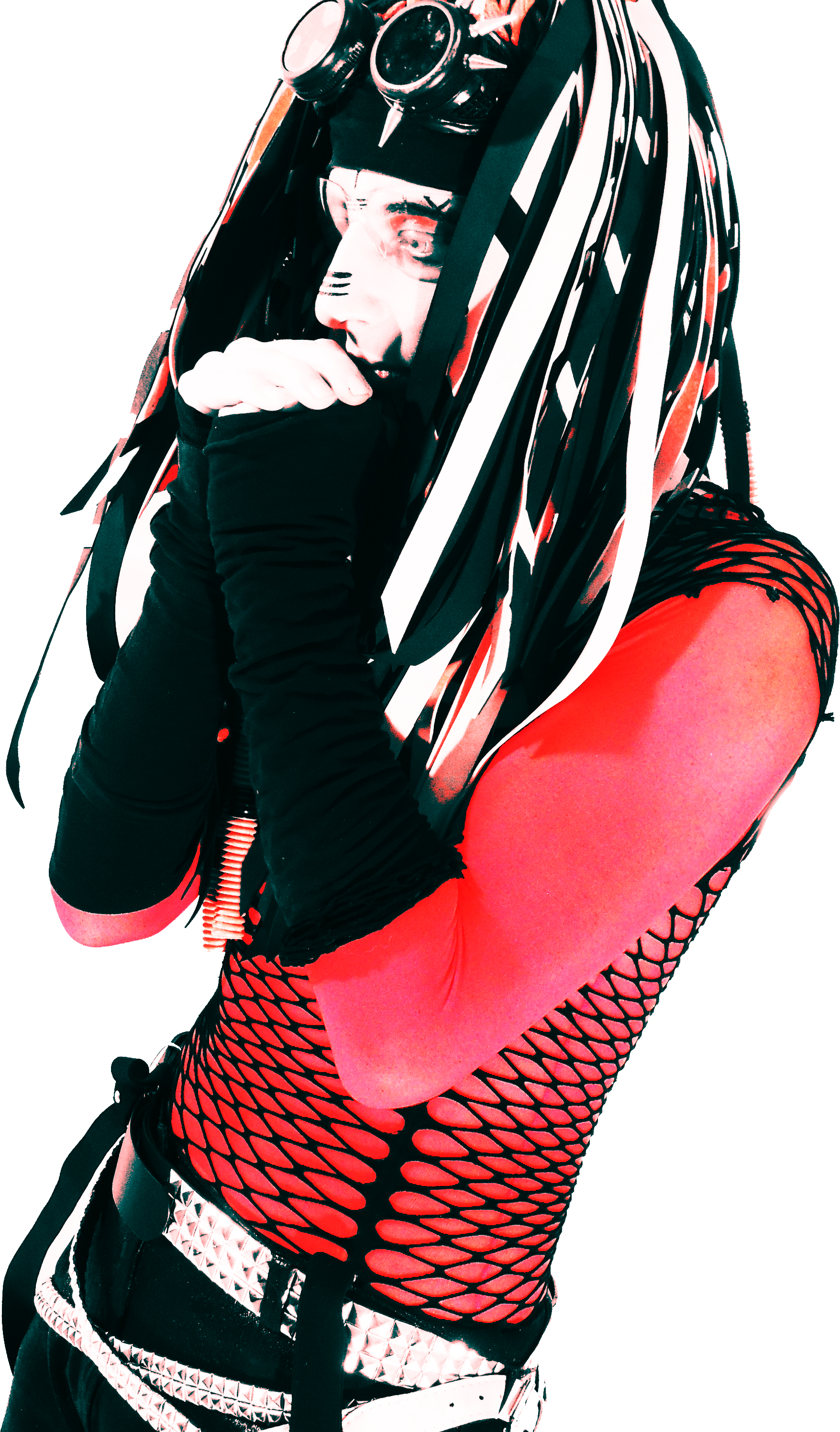
- Mesh and Netting: Often used in layers, creating depth and a sense of exposed circuitry or skeletal structures.
- LEDs and Lights: Integrated LED strips, fiber optics, and even electroluminescent panels are frequently incorporated into clothing and accessories, creating a dynamic, glowing effect that truly embodies the “cyber” aspect.
Key Garments and Silhouettes
The typical cyber goth ensemble often features:
- Tight-fitting tops: Often adorned with graphic prints, logos, or intricate designs.
- Skirts and dresses: Frequently made of PVC or layered with mesh, often with asymmetrical hemlines or dramatic cuts.
- Pants and leggings: Can range from sleek, shiny materials to more distressed or tactical styles.
- Harnesses and belts: Worn over clothing to add a layer of industrial detail and structure.
- Platform boots: Essential for completing the look, adding height and a sense of formidable presence.
The “Hair and Makeup” Element: Artificiality Amplified
The hair and makeup of a cyber goth are as integral to their identity as their clothing.
- Hair: Bold, unnatural hair colors are a signature. Think electric blues, vibrant pinks, neon greens, and stark whites or blacks. Styles can range from spiked and teased to elaborately braided or dreadlocked, often incorporating synthetic extensions or futuristic accessories.
- Makeup: Characterized by sharp, graphic lines, often in contrasting colors. Heavy eyeliner, bold eyeshadow in artificial hues, and often pale or white foundation create a doll-like or alien visage. Prosthetic elements, face paint, and temporary tattoos depicting circuit board patterns or futuristic symbols are also common.
Tech-Infused Accessories: The Digital Embellishments
Accessories are where the “cyber” truly comes alive, transforming a stylish outfit into a statement of technological integration.
- Goggles and Visors: Often worn as headwear or around the neck, these evoke a sense of preparedness for a digital or post-apocalyptic future, or simply add an industrial edge.
- Cybernetic Jewelry: Pieces that mimic circuitry, metallic components, or have integrated lights are popular. This can include chokers, bracelets, earrings, and even decorative pieces that look like cybernetic enhancements.
- Translucent and Iridescent Items: Bags, accessories, and even colored contact lenses that have a translucent or iridescent quality enhance the artificial and futuristic feel.
- Techwear Integration: Practical yet stylish techwear items like utility vests, messenger bags with multiple compartments, and even wearable tech accessories that are integrated into the aesthetic are common.
The Cyber Goth Lifestyle: Beyond the Visuals
While the striking visual aesthetic is a defining feature of cyber goth, the subculture extends far beyond mere fashion. It encompasses a lifestyle, a mindset, and a community deeply intertwined with technology, creativity, and a particular way of engaging with the world. This lifestyle often intersects with the core tenets of the website’s main topics: Tech, Brand, and Money.
Tech as Identity and Expression
For cyber goths, technology is not just a backdrop; it’s often a medium for self-expression and a core part of their identity.
- Digital Art and Design: Many cyber goths are involved in digital art, graphic design, music production, and web development. The creation of virtual worlds, futuristic visuals, and digital soundscapes are common outlets for their creativity.
- DIY Culture and Customization: A strong DIY ethos is prevalent. This includes customizing clothing with LEDs, building unique accessories, and even modifying existing technology to fit their aesthetic. This hands-on approach to technology reflects a desire to actively shape their digital and physical environment.
- Embracing New Technologies: Cyber goths are often early adopters of new technologies, from virtual reality and augmented reality to AI tools and advanced software. They are fascinated by the potential of these innovations to shape society and individual experience.
- Digital Security and Privacy: With a deep engagement in the digital world, many cyber goths also develop an awareness of digital security and privacy issues, often advocating for greater user control and understanding of technology’s impact.
Brand and Personal Branding: Crafting a Digital Persona
The principles of branding, both personal and corporate, resonate strongly within the cyber goth community, albeit with a distinct subcultural twist.
- Unique Identity Construction: Cyber goth is fundamentally about constructing a unique and impactful identity. The elaborate styling and the integration of technological elements are all part of building a recognizable and often formidable personal brand. This is a conscious effort to stand out in a world that can often feel homogenized.
- Visual Consistency and Aesthetic Cohesion: Just as a brand maintains a consistent visual identity, cyber goths strive for a cohesive aesthetic across their clothing, makeup, online presence, and even their digital creations. This ensures their “brand” is instantly recognizable.
- Marketing and Self-Promotion (Subcultural Context): While not in a traditional marketing sense, cyber goths often “market” their identity within their community and online. This involves sharing their creations, attending events, and engaging with others who appreciate their style and philosophy. Social media platforms become their galleries and networking spaces.
- Corporate Identity Influences: The sleek, often industrial or futuristic aesthetics of certain technology and fashion brands can influence cyber goth styles, and conversely, the bold, unconventional branding of cyber goth aesthetics can inspire designers and artists.

Money and the Digital Economy: Navigating the Cybernetic Marketplace
The financial aspects of being a cyber goth are also shaped by the subculture’s inherent relationship with technology and the digital world.
- Online Income Streams: Many cyber goths leverage their tech skills and creative talents for online income. This can include freelance graphic design, web development, digital art commissions, or even creating and selling customized tech-infused fashion and accessories online.
- Investing in Technology and Digital Assets: With a keen eye for emerging trends, some cyber goths may invest in technology stocks, cryptocurrency, or NFTs, seeing these as extensions of their fascination with the digital frontier.
- Side Hustles in the Digital Realm: The pursuit of online income often takes the form of side hustles. This could be anything from running an Etsy shop selling unique cyber goth accessories to offering tech support or creating digital content.
- The Value of the Unique: In a world saturated with mass-produced goods, the handcrafted, customized, and technologically integrated items favored by cyber goths often hold significant value within the subculture. This appreciation for unique creations can translate into a willingness to invest in quality and originality.
- Financial Tools and Digital Finance: As digitally native individuals, cyber goths are likely to be comfortable with and actively use digital financial tools, online banking, and potentially explore decentralized finance options.
In conclusion, the cyber goth phenomenon is a dynamic and evolving subculture that reflects our increasingly digitized world. It’s a testament to how artistic expression, personal identity, and philosophical outlook can adapt and thrive at the intersection of the analog and the digital, the dark and the luminous, and the past and the perpetually evolving future.
aViewFromTheCave is a participant in the Amazon Services LLC Associates Program, an affiliate advertising program designed to provide a means for sites to earn advertising fees by advertising and linking to Amazon.com. Amazon, the Amazon logo, AmazonSupply, and the AmazonSupply logo are trademarks of Amazon.com, Inc. or its affiliates. As an Amazon Associate we earn affiliate commissions from qualifying purchases.