
Updating your legal name is a significant life milestone, whether it stems from marriage, a divorce, or a personal preference for a new identity. However, once the celebrations or legal proceedings conclude, the administrative reality sets in. Among the most critical institutions to notify is your bank. Your financial identity is tied to your legal name through a complex web of Social Security records, credit reporting agencies, and federal Know Your Customer (KYC) regulations.
Changing your name with the bank is not merely a matter of updating a profile setting; it is a formal process that ensures your assets remain secure, your transactions stay valid, and your credit history remains contiguous. Failing to sync your bank records with your legal identity can lead to frozen accounts, rejected direct deposits, and significant hurdles when applying for future credit or mortgages.

The Essential Documentation: Preparing Your Legal Proof
Before approaching your financial institution, you must have your legal “paper trail” in order. Banks are federally regulated entities that must verify the identity of their account holders to prevent fraud and money laundering. Consequently, they will not accept a verbal request or a simple handwritten note to change a name on an account.
Primary Legal Documents
The specific document you need depends on the reason for your name change. In the case of marriage, a certified copy of your marriage certificate is the standard requirement. For a divorce, you will typically need the divorce decree specifically stating that your name has been legally restored to a previous name. If the change is due to a personal preference or gender transition, you will need a formal court order granting the name change. It is important to note that banks usually require “certified” copies with an official seal, rather than photocopies.
Updating the Social Security Administration (SSA)
For most residents in the United States, the bank will require you to update your records with the Social Security Administration before they can finalize the change in their systems. The bank’s internal software often cross-references your Social Security Number (SSN) with the name on file at the SSA. You should apply for a new Social Security card reflecting your new name first. Once you have the new card—or at least the official receipt of the application—the bank’s verification process becomes much smoother.
Government-Issued Photo Identification
You cannot update your bank account without a valid, government-issued photo ID that matches your new name. This usually means a trip to the DMV to update your driver’s license or a request for a new passport. Because your bank will likely scan this ID into their permanent records, ensuring it is current and accurate is a non-negotiable step in the process.
Navigating the Bank’s Procedures: In-Person vs. Digital
Different banks have varying protocols for handling name changes. While the shift toward digital banking has made many tasks easier, name changes often remain one of the few procedures that require a higher level of authentication.
The In-Person Appointment
For traditional “brick-and-mortar” banks, the most efficient way to change your name is to visit a local branch. It is often wise to call ahead and schedule an appointment with a personal banker. During this meeting, the banker will review your original documents, scan them into the system, and have you sign a new signature card. This signature card is a vital legal document that the bank uses to verify checks and authorized transactions. If you have joint accounts, your co-owner may need to be present or sign updated documentation as well, depending on the bank’s specific policy.
Managing Online-Only and Neo-Banks
If you use a digital-first bank or a neo-bank with no physical branches, the process is handled through secure upload portals. You will typically be required to log in to your secure banking dashboard, navigate to “Account Settings,” and initiate a name change request. You will then be prompted to upload high-resolution scans or photos of your legal documents and updated ID. Some digital banks may also require a “selfie” or video verification to ensure the person making the request matches the photo on the new identification.
Updating Account Titles and Beneficiaries
A name change is an ideal time to review how your accounts are titled. If you have “In Trust For” (ITF) or “Payable on Death” (POD) designations, you must ensure these are updated to reflect your new legal name to avoid probate complications for your heirs. Similarly, if you serve as a trustee or an executor for someone else’s account, the bank will need to update those records to ensure you maintain your fiduciary access without interruption.
The Ripple Effect: Managing Your Broader Financial Ecosystem
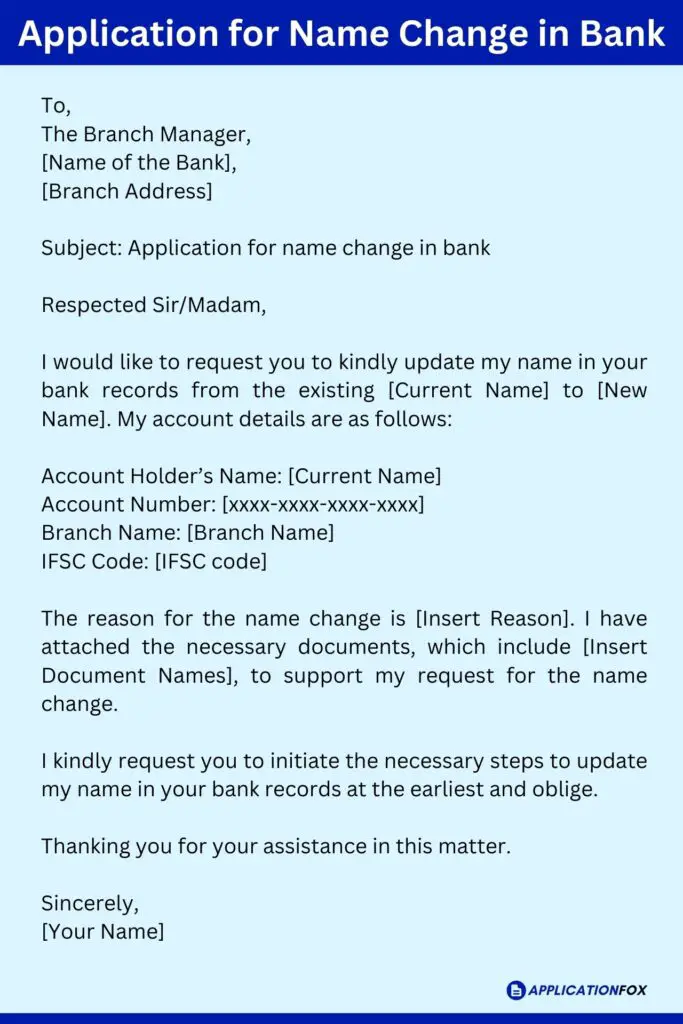
Changing your name at the bank is only the first domino. Once your primary checking and savings accounts are updated, you must address the surrounding financial structures that interact with those accounts daily.
Direct Deposits and Payroll
One of the most common points of failure during a name change is the payroll system. If your bank account name is “Jane Smith” but your employer attempts to send a direct deposit to “Jane Doe,” the bank’s automated system may flag the transaction as a mismatch and reject the funds. To prevent a delay in your paycheck, notify your HR or payroll department as soon as you have your new Social Security card and have initiated the change with your bank. You may need to submit a new direct deposit authorization form.
Automated Payments and Subscriptions
Review your monthly statements for any automated clearing house (ACH) transfers or recurring debit card payments. Insurance premiums, utility bills, and mortgage payments are often tied to the name on the account. While some automated payments will continue to process based on the account and routing numbers alone, others may fail if the name on the payment instruction does not match the bank’s record. It is safer to proactively update your billing profile with every service provider.
Credit Cards and Loans
If you have credit cards with the same bank where you hold your checking account, the name change may happen simultaneously. However, for external credit cards and loans (such as student loans or auto loans), you will need to contact each lender individually. Much like the bank, these lenders will require proof of the name change. Updating your name on credit accounts is essential for maintaining an accurate credit report, as the credit bureaus (Equifax, Experian, and TransUnion) rely on lender data to compile your financial history.
Impact on Credit Reporting and Financial History
A common concern among consumers is whether a name change will “reset” or negatively impact their credit score. Fortunately, your credit history is tied primarily to your Social Security Number and date of birth, not just your name.
Maintaining Continuity
When you update your name with your creditors, they report the change to the credit bureaus. The bureaus then add your new name to your file as the “primary” name while retaining your previous name as an “alias.” This ensures that your years of diligent on-time payments and credit utilization history follow you into your new legal identity. You do not lose your credit age or your score because of a name change.
Monitoring Your Credit Report
It is advisable to pull a copy of your credit report approximately 60 to 90 days after you have changed your name with your bank and creditors. Verify that the new name is appearing correctly and that all accounts are still reporting accurately. If you notice any discrepancies—such as a “split file” where some accounts are under the old name and others under the new name—you will need to contact the credit bureaus to request a file merger.
Physical Security and Fraud Prevention During the Transition
The period during which you are changing your name is a time of high administrative activity, which can inadvertently create windows of opportunity for identity theft or fraud.
Disposing of Old Financial Tools
Once your bank processes your name change, they will issue you new debit cards and, if requested, new checkbooks. It is vital to destroy your old debit cards by cutting through the chip and magnetic stripe. Old checkbooks should be shredded. Even if the account number remains the same, having physical items with an outdated name can cause confusion or be exploited if they fall into the wrong hands.
Guarding Sensitive Documentation
Throughout this process, you will be carrying and mailing highly sensitive documents, including marriage licenses, divorce decrees, and Social Security cards. When mailing these documents to financial institutions, always use a trackable, insured service. Never send original documents unless explicitly required, and if you must, ensure you have certified copies as backups.

Updating Digital Wallets
In our increasingly cashless society, do not forget to update your digital wallets such as Apple Pay, Google Pay, or Samsung Pay. These services verify the name on the card with the issuing bank during the “provisioning” process. If you update your name with the bank but do not refresh the card in your digital wallet, you may find your mobile transactions being declined at the point of sale.
By systematically addressing each of these areas, you ensure that your transition to a new legal name is a professional and seamless evolution of your financial life. Taking the time to do it correctly at the start prevents the long-term headaches of mismatched records and ensures your financial identity remains as robust as ever.
aViewFromTheCave is a participant in the Amazon Services LLC Associates Program, an affiliate advertising program designed to provide a means for sites to earn advertising fees by advertising and linking to Amazon.com. Amazon, the Amazon logo, AmazonSupply, and the AmazonSupply logo are trademarks of Amazon.com, Inc. or its affiliates. As an Amazon Associate we earn affiliate commissions from qualifying purchases.