
Changing your name is a significant life event that carries substantial administrative weight, particularly within the financial sector. Whether the change stems from marriage, divorce, a court-ordered legal name change, or gender transition, ensuring your banking records are accurate is a critical step in maintaining your financial health and security. Your legal name is the primary identifier used by financial institutions to report to credit bureaus, verify identity for anti-money laundering (AML) compliance, and secure your assets.
While the prospect of updating your financial identity may seem daunting, it is a structured process that, when executed correctly, prevents disruptions in direct deposits, bill payments, and credit reporting. This guide provides an exhaustive roadmap for navigating the name change process across various banking platforms and financial instruments.

The Legal Foundation and Required Documentation
Before approaching your bank, you must establish your new identity with the government. Financial institutions operate under strict “Know Your Customer” (KYC) regulations, which means they cannot update your account based on a verbal request or a simple informal note. The process begins with federal and state-level updates.
The Social Security Prerequisite
In the United States, the Social Security Administration (SSA) is the first point of contact. Your bank will likely verify your Social Security Number (SSN) against the name on file with the SSA. You must apply for a corrected Social Security card by providing proof of identity, citizenship, and the legal document that facilitates the name change. Once the SSA processes your request, it typically takes 24 to 48 hours for the records to sync, though having the physical card in hand is the most reliable way to proceed with your bank.
Essential Legal Documents
Banks require original or certified copies of legal documents to initiate a name change. Standard requirements include:
-
Marriage Certificate: A certified copy issued by the county or state.
-
Divorce Decree: Specifically, the section of the decree that grants the restoration of a previous name.
-
Court Order: A formal decree issued by a judge for a legal name change.
-
Naturalization Certificate: If the name change occurred during the citizenship process.
Updated Government-Issued Identification
Most banks will not accept a name change request unless you also present a valid, unexpired government-issued photo ID reflecting your new name. This usually means obtaining a new driver’s license or state ID. If you are a frequent traveler, updating your passport is also recommended, though the driver’s license is the primary document used for domestic banking transactions.
Navigating the Banking Update Process
The actual process of changing your name varies depending on whether you bank with a traditional brick-and-mortar institution, a credit union, or an online-only bank. However, the core requirement remains the same: you must provide a “wet signature” or a verified digital signature to update your signature card.
Traditional Brick-and-Mortar Banks
For national banks like Chase, Bank of America, or Wells Fargo, the most efficient way to change your name is to visit a local branch. Bringing your documentation in person allows a personal banker to scan the originals, verify your identity, and update the system immediately. During this visit, you will sign a new signature card. This is a vital legal document that the bank uses to verify checks and authorized transactions. If you have joint accounts, both parties may need to be present or provide consent, depending on the bank’s specific bylaws regarding account ownership.
Online-Only Banks and Neobanks
Institutions like Ally, SoFi, or Chime do not have physical branches, so the process is handled digitally or via mail. Usually, this involves uploading scanned copies of your legal documents through a secure portal. Some online banks may require you to mail a notarized “Name Change Affidavit” along with certified copies of your documents. Because you cannot sign a physical signature card in person, these banks often use multi-factor authentication and digital signature software (like DocuSign) to finalize the update.
Credit Unions
Credit unions often have a more personalized approach but may have stricter membership bylaws. If your membership was based on a specific employer or association under your previous name, you might need to provide proof that your status remains unchanged despite the name update. Like traditional banks, credit unions typically prefer an in-person visit to their branch offices.
Updating Credit Cards, Loans, and Investment Portfolios
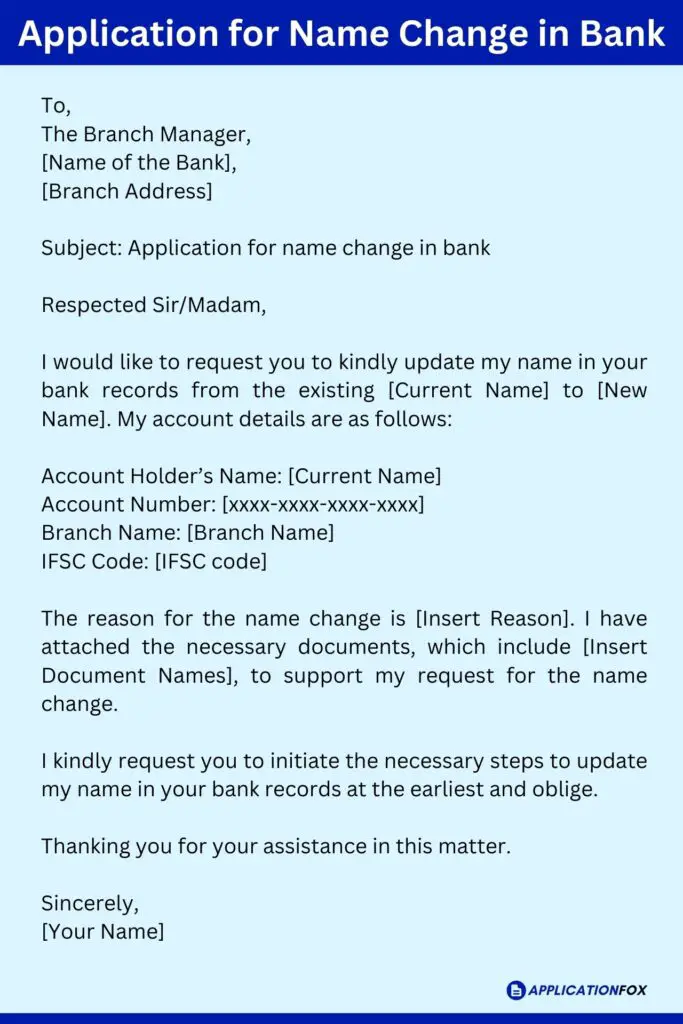
A name change at your primary checking or savings account is only the first step. To ensure a cohesive financial profile, you must extend these updates to all credit and debt instruments. Failure to do so can result in mismatched data, which might trigger fraud alerts or cause issues during identity verification for new lines of credit.
Credit Card Accounts
Once your bank account is updated, contact your credit card issuers. Most major issuers allow you to initiate this process through their mobile app or website, though they will still require you to upload your legal documentation. Once the change is processed, the issuer will mail you a new physical card with your updated name. It is important to destroy your old cards immediately to prevent any confusion or potential fraud.
Mortgages and Personal Loans
Updating a name on a mortgage or a long-term loan is slightly more complex. While the internal records of the lending institution can be updated relatively easily, the legal deed to a home is a public record held at the county level. Changing your name on a mortgage does not automatically change it on the property deed. You may need to consult with a real estate attorney to file a quitclaim deed to ensure the property title matches your new legal name. For personal or auto loans, the process is generally simpler and mirrors the credit card update process.
Brokerage and Retirement Accounts
Investment accounts, including 401(k)s, IRAs, and taxable brokerage accounts, require careful attention. Because these accounts are tied to tax reporting, the name must match the records held by the IRS and the SSA. If you have an employer-sponsored 401(k), you must first update your name with your HR department. They will then transmit that data to the plan administrator. For individual accounts at firms like Fidelity, Vanguard, or Charles Schwab, you will typically need to submit a specific “Letter of Instruction” or a name change form along with your legal documentation.
Impact on Credit Scores and Financial Security
One of the most common concerns regarding a name change is its effect on credit history. Fortunately, your credit score is primarily linked to your Social Security Number, not your name.
Credit Bureau Reporting
When you change your name at the bank and with credit card issuers, those institutions report the new information to the three major credit bureaus: Equifax, Experian, and TransUnion. The bureaus will add your new name to your credit file as the primary name while retaining your previous name as an “alias.” This ensures that your entire credit history—including the length of credit, payment history, and credit utilization—remains intact and continues to build seamlessly under your new identity.
Identity Theft and Fraud Prevention
The period following a name change is a time of increased vulnerability. You will be receiving new cards, checks, and sensitive documents in the mail. It is advisable to monitor your credit report closely during the transition. If a lender sees a sudden change in name and address simultaneously, it may trigger a temporary freeze or a request for additional verification. This is a standard security measure designed to protect you from identity theft. Maintaining a clear paper trail of your legal name change documents will help you quickly resolve any such inquiries.
Post-Update Checklist: Ensuring Seamless Transitions
After the bank has officially updated your records, there are several “ripple effect” tasks that require your attention to ensure your daily financial life continues without interruption.
Checks and Debit Cards
Your old debit cards will eventually be deactivated, and your old checks will become technically obsolete (though some banks may honor them for a short period). Order a new set of checks and ensure your new debit card is activated. Remember to update your card information on any digital wallets like Apple Pay, Google Pay, or Samsung Pay.
Direct Deposits and Automated Payments
One of the most frequent points of failure after a name change is the direct deposit system. Notify your employer’s payroll department as soon as your bank account is officially updated. If the name on the incoming payroll transfer does not match the name on the bank account, some automated systems may reject the deposit. Similarly, review your recurring bill payments (utilities, streaming services, insurance). If these are tied to a debit or credit card that has been replaced with a new number or name, you must update the payment info to avoid late fees.

Insurance and Beneficiary Designations
Finally, ensure that your name change is reflected in your insurance policies—auto, home, and life. Perhaps even more importantly, check your beneficiary designations on your bank and investment accounts. If you changed your name due to marriage or divorce, you may also want to update who is listed as a beneficiary, in addition to updating your own name on the policy.
By approaching the name change process with a systematic plan, you can ensure that your transition is professional, legally compliant, and financially secure. While it requires an initial investment of time and paperwork, the result is a consolidated and accurate financial identity that will serve you for years to come.
aViewFromTheCave is a participant in the Amazon Services LLC Associates Program, an affiliate advertising program designed to provide a means for sites to earn advertising fees by advertising and linking to Amazon.com. Amazon, the Amazon logo, AmazonSupply, and the AmazonSupply logo are trademarks of Amazon.com, Inc. or its affiliates. As an Amazon Associate we earn affiliate commissions from qualifying purchases.