
In the modern financial landscape, your physical address serves as more than just a place of residence; it is a critical anchor for your financial identity. Whether you are moving across town or relocating to a different state, updating your banking address is a foundational task that ensures the continuity of your financial life. Failing to synchronize your address with your financial institution can lead to significant disruptions, ranging from missed credit card statements and late fees to more severe consequences like identity theft or the freezing of your accounts.

This guide explores the multifaceted process of changing your banking address, examining why it is a financial priority, the various methods available for the update, and the broader implications this change has on your personal finance ecosystem.
Why Keeping Your Address Current Is a Financial Priority
Many consumers view a change of address as a mere administrative hurdle. However, from a personal finance perspective, an accurate address is a vital component of your security profile and regulatory compliance.
Avoiding Missed Statements and Legal Notices
While the world has moved toward paperless billing, banks are still legally required to send certain documents via physical mail. This includes annual tax forms (such as 1099-INTs), updated terms of service agreements, and new physical debit or credit cards upon expiration. If these documents are sent to an old address, you risk sensitive financial data falling into the hands of the new residents. Furthermore, missing a legal notice regarding a change in interest rates or account fees can lead to unexpected financial losses.
Fraud Prevention and Security Verification
Banks use your address as a primary data point for “Know Your Customer” (KYC) regulations and fraud detection algorithms. When you make an online purchase, the billing address you provide is cross-referenced with the address on file at your bank. If these do not match, the transaction may be declined. More importantly, if a fraudster attempts to take over your account, having a verified, current address on file allows the bank to send physical verification codes or alerts that can prevent unauthorized access.
Tax Implications and Residency
For those moving across state lines, your banking address can serve as secondary evidence of your state residency. Tax authorities often look at financial records to determine which state has the right to tax your income. Maintaining an outdated address in a high-tax state while living in a low-tax state could trigger an audit or result in complex tax filing issues. Ensuring your bank reflects your true domicile is a simple way to maintain a clean paper trail for your tax obligations.
Step-by-Step Methods to Update Your Information
Financial institutions have evolved to offer multiple channels for updating personal information. The method you choose often depends on the level of security required by the bank and your personal preference for digital or physical interaction.
Online Banking and Mobile Apps
For most modern consumers, the quickest way to update an address is through an online portal or mobile application.
-
Log In: Securely access your account using multi-factor authentication (MFA).
-
Navigate to Profile/Settings: Look for sections labeled “Personal Information,” “Contact Details,” or “Profile Settings.”
-
Edit Address: Enter the new street address, city, state, and zip code.
-
Verification: The bank may send a one-time passcode (OTP) to your registered phone number or email to confirm that you are the person making the change.
Phone Support and Verbal Verification
If you prefer speaking with a representative, or if your bank requires verbal confirmation for high-security accounts, calling the customer service number on the back of your debit card is an effective route. During this call, be prepared to answer security questions, such as your Social Security number, recent transaction history, or mother’s maiden name. This method is particularly useful if you have multiple accounts (e.g., checking, savings, and a mortgage) that need to be updated simultaneously.
In-Person Branch Visits
For those who value a paper trail and face-to-face confirmation, visiting a local branch remains the gold standard. This is often required for specific types of accounts, such as business accounts or those involving a power of attorney. You will likely need to present a government-issued photo ID and, in some cases, proof of the new address, such as a utility bill or a signed lease agreement.
Mail-in Forms and Notarized Requests
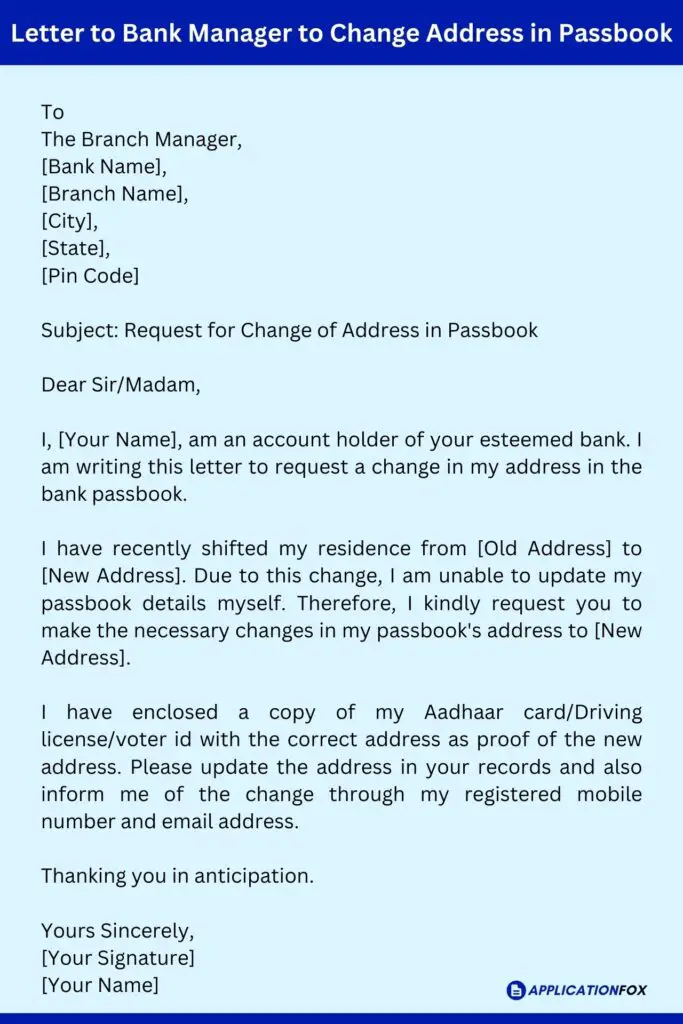
Some traditional or smaller community banks may require a written request. If you choose this route, it is advisable to send the request via certified mail. Some institutions may even require the signature on the form to be notarized to ensure that a third party has verified your identity before the address is altered in their system.
A Checklist for a Seamless Transition
Changing your address with the bank is only one part of the equation. Because your bank account is the hub of your financial life, an address change necessitates a review of all connected services.
Identifying Linked Accounts and Direct Deposits
Your bank account is likely linked to your employer’s payroll system. While the bank will update your account information, you must also notify your HR department. An incorrect address on a W-2 or a paystub can create headaches during tax season. Additionally, check for any secondary accounts, such as Health Savings Accounts (HSAs) or Flexible Spending Accounts (FSAs), which are often managed by third-party providers but linked to your main bank.
Updating Automated Clearing House (ACH) Transfers
Many people use ACH transfers to pay for utilities, gym memberships, or insurance premiums. While the transfer itself relies on routing and account numbers, the billing address associated with the account is often used as a secondary verification layer. Update your address with every service provider that pulls funds directly from your checking account to avoid “payment failed” notifications.
Notifying Secondary Authorized Users
If you have a joint account or authorized users on your credit cards (such as a spouse or child), ensure their information is also updated. Banks often maintain separate profile records for secondary users. If an authorized user lives with you and moves to the new address, their specific profile must be updated to ensure their replacement cards are delivered to the correct location.
Beyond the Bank: Coordinating Your Financial Ecosystem
A banking address change should trigger a series of updates across your entire financial landscape. Personal finance is an interconnected web, and your bank is often the first domino.
Credit Bureaus and Identity Monitoring
The three major credit bureaus—Equifax, Experian, and TransUnion—receive updated address information from your lenders. However, this process can take one to two billing cycles. If you are planning to apply for a major loan (like a mortgage or auto loan) shortly after moving, you may want to manually check your credit reports to ensure the new address is appearing correctly. This ensures that lenders can accurately pull your credit history without delays caused by “no file found” errors.
Investment Platforms and Brokerages
Investment accounts, such as 401(k)s, IRAs, and brokerage accounts, are subject to strict SEC and FINRA regulations regarding communication. Unlike a standard checking account, missing a communication from a brokerage could mean missing a “proxy vote” or an important notification about a corporate action (like a stock split or merger). Ensure your address is updated on platforms like Vanguard, Fidelity, or Charles Schwab to maintain full control over your portfolio.
Insurance Providers and Premium Adjustments
Your physical address is a primary factor in determining insurance premiums for auto and homeowners/renters policies. Moving even a few miles away can change your risk profile based on crime rates, weather patterns, or proximity to fire stations. Failing to update your address with your insurance provider could potentially lead to a denial of a claim if the insurer discovers you are no longer residing at the location listed on the policy.
Common Pitfalls and How to Avoid Them
Even with the best intentions, the process of changing a banking address can hit snags. Understanding common pitfalls can help you navigate the transition smoothly.
Timing Your Update During a Move
One of the biggest mistakes is updating the address too early or too late. If you update it two weeks before you move, your current statements might be sent to an empty house or a new tenant. If you wait too long, your mail forward from the postal service may expire (as they usually only last 6-12 months). The ideal time to update your banking address is 2–3 days before your official move-in date.
Temporary vs. Permanent Address Changes
If you are moving for a short-term assignment or a seasonal relocation (such as a “snowbird” moving south for the winter), you should inquire if your bank offers a “seasonal address” feature. This allows you to flip between two addresses without permanently changing your primary domicile, which helps maintain the integrity of your long-term financial records and tax residency.

International Address Transitions
Moving abroad presents the most significant challenge. Many U.S.-based banks will not allow you to maintain an account with a foreign address due to compliance costs associated with the Patriot Act and FATCA. If you are moving internationally, consult with your bank’s “Expat” or “International” division. You may need to maintain a U.S. “address of record” (such as a family member’s home) or transition to a global bank that specializes in multi-currency accounts.
By treating the change of your banking address as a strategic financial task rather than a chore, you protect your assets, ensure your privacy, and maintain the seamless operation of your economic life. Taking the time to be thorough now prevents the costly and time-consuming “financial firefighting” that results from lost documents and identity vulnerabilities in the future.
aViewFromTheCave is a participant in the Amazon Services LLC Associates Program, an affiliate advertising program designed to provide a means for sites to earn advertising fees by advertising and linking to Amazon.com. Amazon, the Amazon logo, AmazonSupply, and the AmazonSupply logo are trademarks of Amazon.com, Inc. or its affiliates. As an Amazon Associate we earn affiliate commissions from qualifying purchases.