
Moving to a new home involves a daunting checklist of logistical challenges, from coordinating movers to setting up utilities. Amidst the physical transition, updating your financial records is one of the most critical steps for maintaining your personal security and ensuring uninterrupted service. Your bank account is the hub of your financial life; failing to update your address promptly can lead to missed statements, compromised privacy, and even disruptions in your ability to use credit or debit cards.
Changing your address in your bank account is not merely an administrative chore—it is a fundamental aspect of modern financial hygiene. In an era where digital banking is the norm, the physical address on file remains a primary data point for identity verification, credit reporting, and regulatory compliance.
Why Keeping Your Banking Address Current Matters
The importance of maintaining an accurate address with your financial institution cannot be overstated. While many consumers believe that switching to paperless statements negates the need for a physical address update, the reality is that your address serves as a cornerstone for several backend banking processes.
Financial Security and Fraud Prevention
One of the most significant risks associated with an outdated bank address is identity theft. If your bank continues to send sensitive documents—such as replacement credit cards, tax forms (1099s), or annual account summaries—to your previous residence, that information could fall into the hands of new occupants or mail thieves. Even if you have opted for digital delivery, certain legal notices and high-security items are mandated by law or internal policy to be sent via physical mail.
Furthermore, banks use your address as a component of their fraud detection algorithms. When you make a purchase online or at a terminal, the system often checks the billing ZIP code against the one on file. If there is a mismatch because you moved without updating your records, your transaction may be declined, or your card may be flagged for suspicious activity.
Regulatory Compliance and KYC Norms
Financial institutions are bound by strict “Know Your Customer” (KYC) and Anti-Money Laundering (AML) regulations. These laws require banks to verify the identity and residency of their customers to prevent financial crimes. An incorrect address can trigger internal flags in a bank’s compliance system, potentially leading to temporary account freezes or requests for additional documentation to prove your identity.
Maintaining an accurate address also ensures that you are taxed correctly. For accounts that earn interest, the bank must report that income to the relevant tax authorities. If you move between states or countries, your tax residency changes, which can have significant implications for your annual filings.
Avoiding Disruption in Essential Correspondence
Beyond security and regulation, there is the simple matter of logistical continuity. Banks often send out new debit or credit cards several weeks before an old one expires. If the bank doesn’t have your current address, your new card will be mailed to your old home, leaving you without a means of payment once your current card reaches its expiration date. Similarly, if there are changes to your account terms, fee structures, or privacy policies, the bank is legally required to notify you at your address of record.
Standard Methods for Updating Your Address
Most modern banks offer multiple channels to update your personal information. Depending on your comfort level with technology and the complexity of your accounts, you can choose the method that best fits your needs.
Using Online Banking and Mobile Apps
For the vast majority of personal banking customers, the most efficient way to change an address is through an online portal or a mobile banking app. This method is usually instantaneous and can be done at any time.
To update your address online, you typically need to:
-
Log in to your secure banking portal.
-
Navigate to “Profile Settings,” “Account Management,” or “Contact Information.”
-
Select the option to edit your address.
-
Enter the new details and verify the change through a secondary authentication method, such as a One-Time Password (OTP) sent to your mobile phone or email.
Most apps allow you to toggle between “Mailing Address” and “Residential Address.” It is crucial to ensure both are updated if they are the same, or clearly differentiated if you use a P.O. Box for mail but live elsewhere.
In-Person Branch Visits
If you manage high-balance accounts, business accounts, or if you prefer a face-to-face interaction, visiting a local branch is a reliable option. In some cases, specifically for commercial accounts or trust accounts, banks may actually require an in-person visit to verify the identity of the account holder before changing sensitive information.
When visiting a branch, ensure you bring a valid government-issued photo ID. The banker will likely ask you to sign a change-of-address form, which provides a physical paper trail for the update. This method also allows you to ask questions about how the change might affect other linked services, such as safe deposit boxes or local branch-specific perks.
Traditional Mail and Phone Banking
While less common in the digital age, many banks still allow address changes via telephone or mail. If you choose to call, be prepared to answer several security questions to prove your identity. The representative will walk you through the process, but keep in mind that they may still require you to upload a proof of residence document through a secure link afterward.
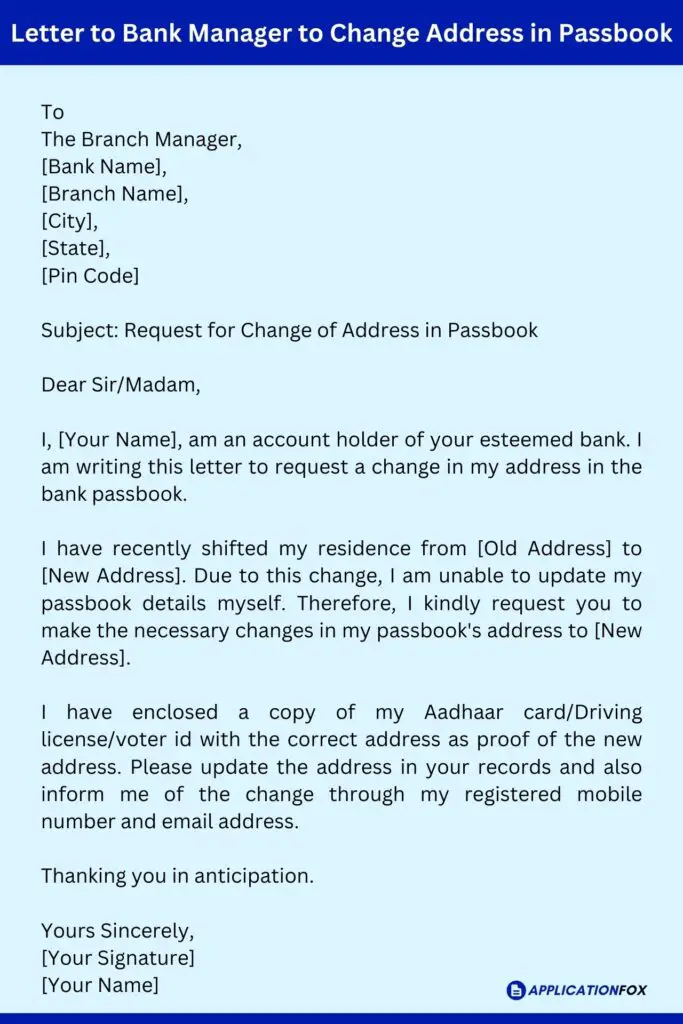
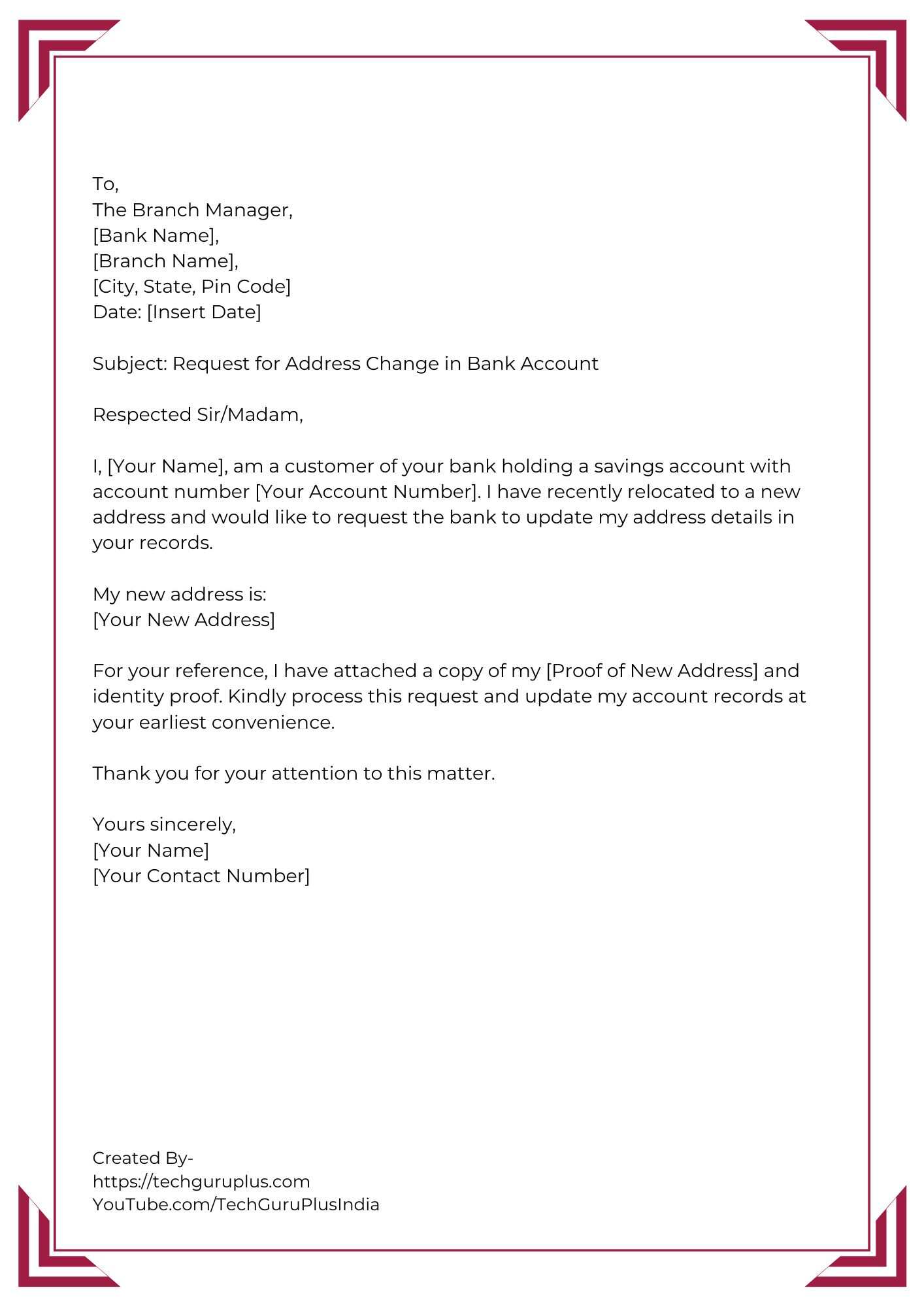
Changing an address via mail involves sending a signed letter or a specific form provided by the bank. While this is the slowest method, it is sometimes necessary for individuals living in remote areas or those who do not use digital banking tools.
Essential Documentation Required for Address Changes
While many digital updates are processed without immediate proof, banks reserve the right to request documentation to verify your move. This is especially true if the move involves changing states or moving to a different country.
Primary Proof of Residence
If your bank requests proof of your new address, they generally look for documents issued by recognized entities. Common acceptable documents include:
-
Utility Bills: A recent water, electricity, or gas bill in your name.
-
Lease or Mortgage Statements: A signed rental agreement or a recent statement from your mortgage lender.
-
Government Correspondence: Letters from the Social Security Administration, tax authorities, or a voter registration card.
-
Insurance Policies: Homeowners or renters insurance documents showing the new property address.
Secondary Identification
In addition to proof of residence, you must always have your primary identification ready. This includes a valid Driver’s License, Passport, or State ID. Note that some banks may require you to update your Driver’s License address before they accept it as a primary form of verification for a bank record change, though a temporary paper permit from the DMV is often accepted as a bridge.
The Ripple Effect: Other Financial Institutions to Notify
Updating your primary checking or savings account is just the first step. Because the modern financial ecosystem is highly interconnected, failing to update your address across all platforms can cause a “split” in your financial identity.
Credit Card Issuers and Lenders
If you have credit cards with institutions other than your primary bank, those must be updated individually. Credit card issuers report your data to credit bureaus (such as Equifax, Experian, and TransUnion) monthly. If your bank has one address and your credit card issuer has another, it can create “clutter” on your credit report, making it harder for lenders to verify your identity when you apply for a loan or a new line of credit in the future.
Additionally, mortgage lenders, auto loan providers, and personal loan companies need your current address for billing and legal notifications. A missed payment notice sent to the wrong address can result in late fees and a significant hit to your credit score.
Investment Accounts and Brokerages
For those with 401(k)s, IRAs, or brokerage accounts (like Vanguard, Fidelity, or Charles Schwab), address updates are vital for tax reporting. These institutions issue 1099 forms at the end of the year. If these forms are sent to an old address, you may miss critical information needed for your tax returns, potentially leading to audits or penalties from the IRS. Furthermore, investment firms have strict escheatment rules; if they lose contact with you for a certain period because of undeliverable mail, they may be legally required to turn your “abandoned” assets over to the state.
Insurance Providers
Whether it is auto, life, or health insurance, your premiums are often calculated based on your location. Moving to a different ZIP code can change your risk profile. Failing to update your address with an insurance provider doesn’t just result in missed mail—it could potentially void a claim if the company discovers you are no longer living at the location listed on the policy.
Common Pitfalls and How to Avoid Them
Even with the best intentions, the process of changing a bank address can hit snags. Understanding these common pitfalls can help you navigate the transition smoothly.
Delayed Updates and Misdirected Mail
A common mistake is assuming that a mail forwarding order with the postal service is sufficient. While the USPS or other national postal services will forward most mail for a set period (usually 6 to 12 months), they do not notify your bank of your move. Furthermore, many financial documents are marked “Do Not Forward” for security reasons. These items are returned to the sender (the bank) rather than being sent to your new home. To avoid this, update your bank account before or on the day of your move.
International Address Changes
If you are moving abroad, the process becomes significantly more complex. Many domestic banks are not equipped to handle international addresses for standard personal accounts due to the regulatory requirements of the foreign country. In some cases, a bank may require you to close your account and move your funds to an international or “Expat” banking division. It is essential to speak with a specialist at your bank well before an international move to understand their specific policies.

The “Billing vs. Shipping” Confusion
In the digital commerce world, your “billing address” is what the bank uses to authorize payments. If you update your address with the bank but forget to update it in the “Saved Payments” section of your favorite online retailers, your orders may be declined. After updating your bank account, take ten minutes to log into your most-used shopping sites and update your saved credit card information to match your new billing ZIP code.
By treating the change of address as a high-priority financial task rather than a minor errand, you protect your assets, maintain your credit standing, and ensure that your transition to a new home is as seamless as possible. Consistency across all financial touchpoints is the key to long-term stability and security.
aViewFromTheCave is a participant in the Amazon Services LLC Associates Program, an affiliate advertising program designed to provide a means for sites to earn advertising fees by advertising and linking to Amazon.com. Amazon, the Amazon logo, AmazonSupply, and the AmazonSupply logo are trademarks of Amazon.com, Inc. or its affiliates. As an Amazon Associate we earn affiliate commissions from qualifying purchases.