
Knowing the exact amount of money in your bank account is more than just a matter of curiosity; it is the fundamental cornerstone of effective financial management. In a world defined by instant transactions, subscription models, and digital payments, the “number” in your account is a shifting target. Understanding how to access this information, interpret the nuances of different balance types, and strategically manage that capital is essential for anyone looking to build long-term wealth and maintain daily financial stability.
The Psychology and Practice of Financial Monitoring
For many, checking a bank balance is an exercise fraught with emotion. It can bring a sense of relief, a jolt of anxiety, or a feeling of accomplishment. However, moving beyond the emotional response and treating your bank balance as a data point is the first step toward financial mastery.

Overcoming Financial Avoidance
Financial avoidance—the tendency to ignore bank statements or avoid checking balances out of fear—is a common hurdle. When individuals do not know their balance, they often overspend or miss fraudulent activity. Proactive monitoring transforms the bank account from a source of stress into a tool for empowerment. By checking your account daily or weekly, you normalize the data, making it easier to spot trends, adjust spending habits in real-time, and catch errors before they escalate into significant problems.
Tracking for Security and Accuracy
In an era of rising cybercrime, your bank balance serves as a primary indicator of your digital security. Frequent checks allow you to identify unauthorized transactions immediately. Whether it is a small “test” charge from a sophisticated hacker or a double-billing error from a reputable merchant, early detection is the key to a successful dispute process. Most financial institutions have strict windows for reporting fraud; if you wait until the end of the month to review your statement, you may find yourself outside the protection period offered by federal regulations.
Navigating the Mechanics: Current vs. Available Balance
One of the most frequent sources of confusion for consumers is the discrepancy between the “Current Balance” and the “Available Balance.” Understanding the difference is critical to avoiding overdraft fees and ensuring that your payments clear successfully.
The Impact of Pending Transactions
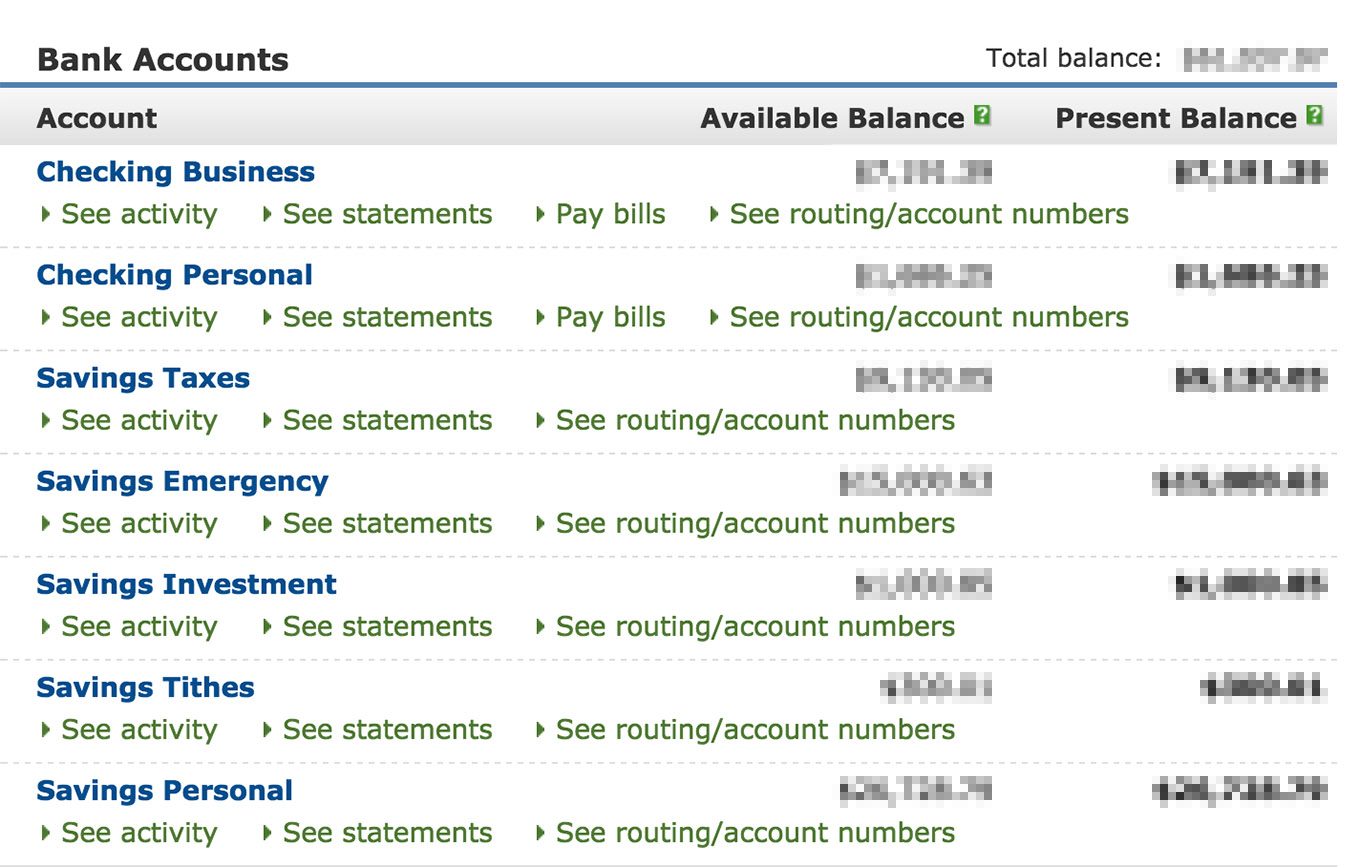
Your current balance represents the total amount of money in your account at any given moment, including transactions that have not yet fully processed. The available balance, however, is the amount you can actually spend right now. When you swipe a debit card at a grocery store, the bank places an “authorization hold” on those funds. The money is still technically in your account (Current Balance), but it is no longer yours to spend (Available Balance).
Transactions can remain in a “pending” state for several business days. This delay is often due to the merchant’s processing cycle or the communication time between different banking networks. If you rely solely on your current balance, you risk spending money that has already been spoken for, leading to declined transactions or costly non-sufficient funds (NSF) fees.
Merchant Holds and Their Duration
Certain industries—specifically gas stations, hotels, and car rental agencies—use “pre-authorization holds” that can significantly skew your available balance. For instance, a gas station may place a $100 hold on your account when you swipe your card at the pump, even if you only purchase $30 worth of fuel. This hold ensures the merchant that you have enough funds to cover a full tank. Until the transaction settles, that $100 remains unavailable to you. Being aware of these holds is vital when managing a tight budget, as a series of temporary holds can unexpectedly deplete your spending power for several days.
Modern Tools for Instant Access
The days of waiting for a monthly paper statement to arrive in the mail are long gone. Technology has provided a suite of tools that allow for real-time visibility into your financial status.
The Evolution of Mobile Banking
Mobile banking apps are the most direct way to answer the question: “How much money is in my bank account?” These apps offer more than just a balance summary; they provide categorized spending insights, search functions for past transactions, and the ability to transfer funds between accounts instantly. For the modern consumer, the mobile app serves as a financial dashboard that should be integrated into daily routines.
Push Notifications and SMS Alerts
To minimize the manual effort of checking your balance, most banks offer customizable alerts. You can set up push notifications or text messages to trigger whenever a transaction over a certain amount occurs, or more importantly, when your balance drops below a specific threshold. These “low balance alerts” act as a safety net, giving you a proactive warning to stop spending or transfer funds before an overdraft occurs.
Third-Party Financial Aggregators
For individuals with multiple accounts across different institutions, third-party financial aggregators offer a holistic view of net worth. Tools like Monarch Money, YNAB (You Need A Budget), or Empower allow users to link checking accounts, savings accounts, credit cards, and investment portfolios into a single interface. These tools provide a “true” balance by factoring in upcoming bills and savings goals, helping you understand not just how much is in the account, but how much of that money is actually “free” to be spent.
Determining Your Ideal Bank Balance
Once you know how much money is in your account, the next logical question is: “How much should be there?” Keeping too little money in a checking account leads to stress and fees, while keeping too much leads to “lazy money” that isn’t working for you.
The Checking Account Buffer
A checking account is a transactional hub, not a long-term storage unit. A professional approach to cash management involves maintaining a “buffer”—usually equal to one or two months of essential expenses. This buffer ensures that even if a paycheck is delayed or an unexpected bill arrives, your core lifestyle remains uninterrupted. Anything significantly above this buffer should generally be moved to an account that earns a higher rate of return.
The Emergency Fund Threshold
While your checking account balance covers daily needs, your overall liquid cash should include an emergency fund held in a High-Yield Savings Account (HYSA). Most financial experts recommend holding three to six months of living expenses in these liquid, accessible accounts. Knowing your bank balance helps you identify when you have reached this threshold, signaling that it is time to move from “saving” mode into “investing” mode.
Avoiding the Opportunity Cost of Idle Cash
In a high-interest-rate environment, leaving excessive amounts of money in a standard checking account is a missed opportunity. Most traditional checking accounts offer near-zero interest. If your balance is consistently high, you are losing purchasing power to inflation. By monitoring your balance, you can identify “excess liquidity” and redirect it toward brokerage accounts, retirement contributions, or high-yield vehicles where the money can compound over time.
Protecting Your Balance in a Digital World
A healthy bank balance is only useful if it is secure. As digital banking becomes the standard, the responsibility for safeguarding that balance falls largely on the account holder.
Multi-Factor Authentication (MFA)
The single most effective way to protect your bank account balance is to enable Multi-Factor Authentication. This requires a second form of verification—such as a code sent to your mobile device or a biometric scan—before access is granted. Even if a bad actor obtains your login credentials, MFA acts as a final barrier to entry, preventing unauthorized transfers and protecting your capital.
Safe Browsing and Public Wi-Fi Habits
How you access your bank information is just as important as how often you check it. You should never check your bank balance over public, unsecured Wi-Fi networks, such as those found in coffee shops or airports. These networks are vulnerable to “man-in-the-middle” attacks where hackers can intercept your data. Instead, use a private cellular connection or a Virtual Private Network (VPN) to ensure your connection is encrypted.
Spotting Phishing and Social Engineering
No bank will ever call, text, or email you asking for your password or PIN to “verify your balance.” Phishing attempts often use a sense of urgency—claiming your account has been frozen or a large withdrawal is pending—to trick you into revealing sensitive information. Always go directly to the official bank app or website rather than clicking links in a message. By maintaining a high level of skepticism and verifying communications through official channels, you protect the integrity of your financial accounts.
In conclusion, knowing how much money is in your bank account is the baseline of financial literacy. By mastering the tools available, understanding the technical differences in balance reporting, and maintaining a strategic buffer, you move from a reactive state of “hoping for the best” to a proactive state of financial control. Your bank balance is not just a number; it is a reflection of your current liquidity, a guardrail for your spending, and a foundation upon which you can build a more secure financial future.
aViewFromTheCave is a participant in the Amazon Services LLC Associates Program, an affiliate advertising program designed to provide a means for sites to earn advertising fees by advertising and linking to Amazon.com. Amazon, the Amazon logo, AmazonSupply, and the AmazonSupply logo are trademarks of Amazon.com, Inc. or its affiliates. As an Amazon Associate we earn affiliate commissions from qualifying purchases.