
In the modern landscape of digital commerce and global finance, the concept of a “billing address” has evolved from a simple mailing instruction into a cornerstone of financial security and identity verification. For many consumers, the question “how do I know my billing address?” may seem elementary at first glance, yet it carries significant weight in the context of credit card processing, fraud prevention, and personal financial management. Your billing address is the specific location associated with your financial accounts—the place where your bank or credit card issuer believes you reside and where they send your official correspondence.
Understanding how to locate, verify, and manage this piece of information is essential for maintaining a seamless financial life. Whether you are troubleshooting a declined online transaction, updating your records after a move, or auditing your digital security, your billing address is a primary data point that bridges your physical location with your virtual financial presence.
Understanding the Role of a Billing Address in Personal Finance
To effectively manage your financial profile, you must first understand why the billing address is distinct from other types of addresses. In the realm of personal finance, your billing address serves as a primary identifier within the Address Verification System (AVS), a tool used by merchants to detect suspicious credit card transactions.
Billing Address vs. Shipping Address: Why the Distinction Matters
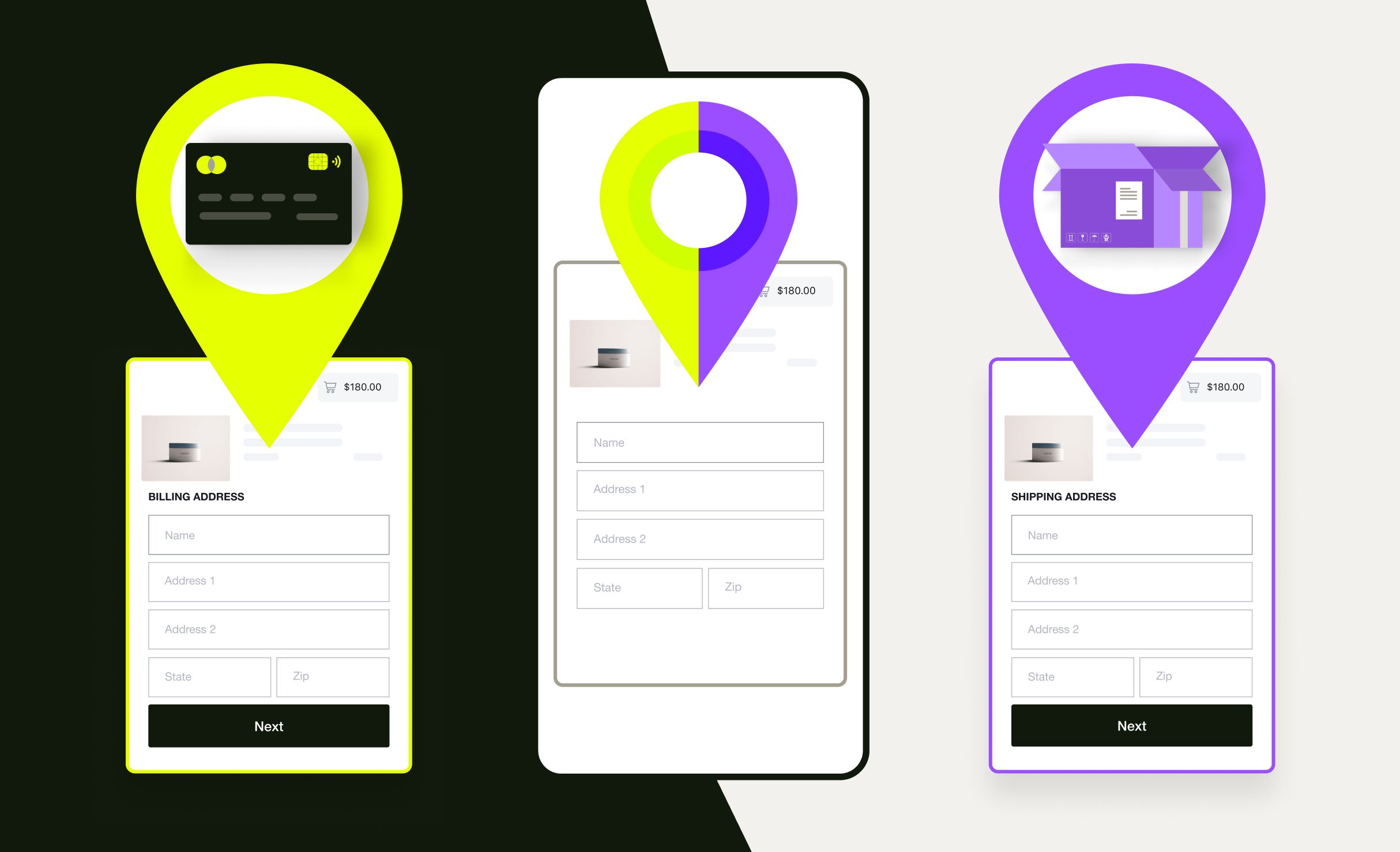
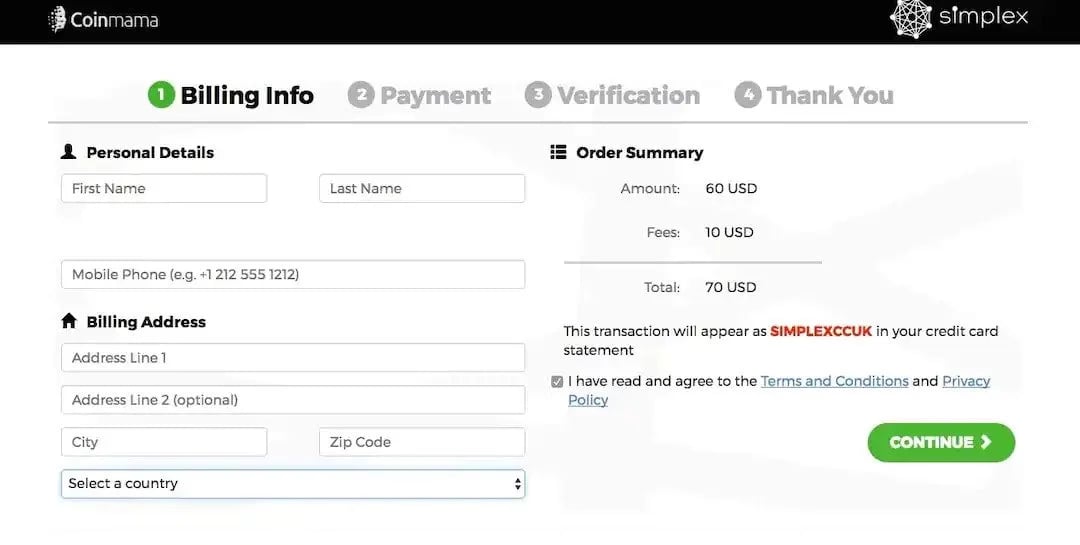
One of the most frequent points of confusion for consumers is the difference between a shipping address and a billing address. A shipping address is purely logistical—it is where you want your physical goods delivered. A billing address, however, is a security measure. When you enter a billing address during a checkout process, the merchant’s payment processor compares that information against the data on file with your issuing bank.
If there is a mismatch, the transaction may be flagged or declined entirely. This distinction is crucial because it allows you to send gifts to friends or have packages delivered to your office while ensuring that the person using the card has access to the account holder’s private financial details. In your personal finance strategy, maintaining this distinction helps keep your accounts secure by adding a layer of verification that goes beyond just the card number and CVV code.
The Address Verification System (AVS) and Fraud Prevention
The Address Verification System is a cornerstone of digital financial security. When you make a purchase, the merchant sends a request to your bank to verify that the numeric portions of the billing address (such as the house number and zip code) match what is in the bank’s database.
From a personal finance perspective, knowing your exact billing address—down to the specific formatting used by your bank—is vital. Small discrepancies, such as “Street” versus “St.” or a missing apartment number, can occasionally trigger AVS mismatches. By ensuring you know the precise address on file, you minimize the risk of being locked out of your accounts or facing “soft declines” that can disrupt your cash flow and purchasing power.
Methods for Verifying Your Current Billing Address
If you are unsure of which address is currently linked to your financial accounts—perhaps due to a recent move or the use of multiple residences—there are several definitive ways to verify this information through your financial service providers.
Analyzing Your Monthly Credit Card and Bank Statements
The most authoritative source for your billing address is your monthly statement. Whether you receive paper statements in the mail or access digital versions through an online portal, the address listed at the top of the document is your official billing address.
For those looking to streamline their personal finances, reviewing these statements regularly is a best practice. When you download a PDF statement, look at the header; the address printed next to your name is the one recognized by the Address Verification System. This is also a good time to ensure that your name is spelled correctly and that your zip code includes the “plus-four” extension if your bank requires it for high-security transactions.
Utilizing Mobile Banking Apps and Online Portals
In the age of fintech, most banking institutions provide immediate access to your profile information via mobile apps. To find your billing address, navigate to the “Profile,” “Settings,” or “Account Details” section of your banking application. Usually, under a tab labeled “Contact Information” or “Personal Details,” you will find the primary address associated with the account.
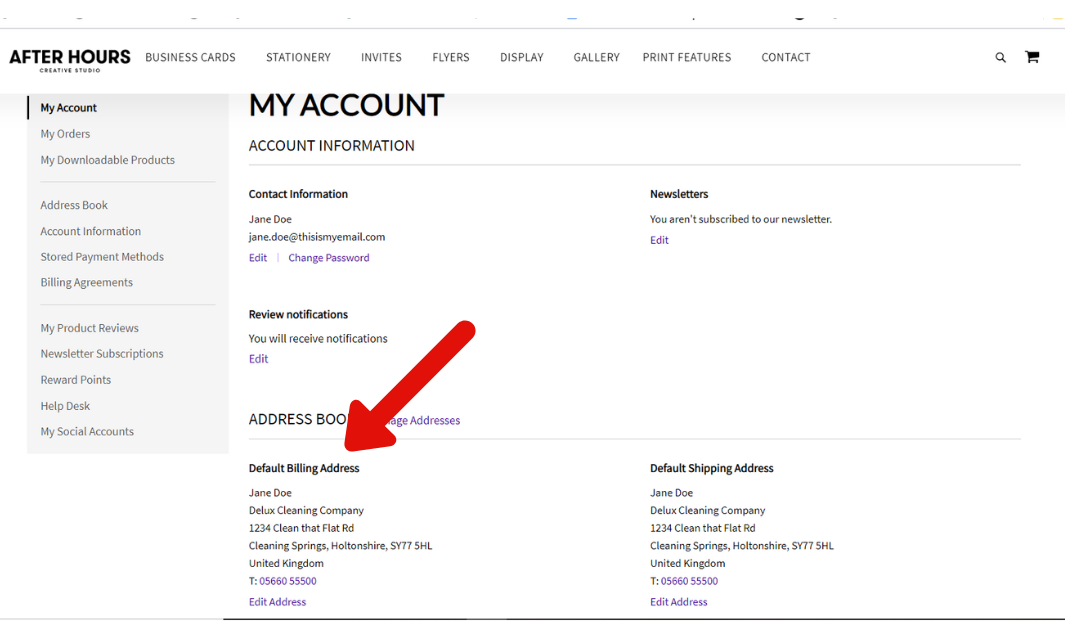
It is important to note that if you have multiple accounts with the same bank (e.g., a checking account, a savings account, and a credit card), they may all be linked to the same primary address. However, in some cases, specific credit cards may have different billing addresses if they were opened at different times or for specific business purposes. Always verify the specific card you intend to use.
Contacting Financial Institutions Directly
If digital tools fail or if you are dealing with a complex move, contacting your bank’s customer service department is the most direct way to confirm your billing information. This is particularly useful if you have recently submitted a change-of-address request and want to verify that the update has propagated through their internal systems. During this call, you can also ensure that your “legal address” (where you live) and your “mailing address” (where you receive statements) are synchronized, as discrepancies between these two can sometimes cause confusion during the AVS process.
Managing Your Billing Information Across Financial Tools
Knowing your billing address is only the first step; the second is ensuring that this information is consistently applied across all your financial tools and e-commerce profiles. Inconsistency is a frequent cause of financial friction.
Keeping Digital Wallets and E-commerce Profiles Updated
Services like PayPal, Apple Pay, Google Pay, and Amazon Store your billing information to facilitate “one-click” checkouts. However, these services do not automatically update when you change your address at your bank. If you move, you must manually update your billing address in each of these digital wallets.
Failure to do so can lead to a frustrating cycle of declined transactions. Because these platforms act as intermediaries, an outdated billing address in Apple Pay might result in a merchant receiving a “decline” message from your bank, even if your bank account has sufficient funds. From a personal finance management standpoint, creating a checklist of digital platforms to update during a move is an essential task to maintain your financial health.
The Impact of Address Changes on Credit Reporting
Your billing address is also a key component of your credit profile. The major credit bureaus (Equifax, Experian, and TransUnion) use your address history to track your credit behavior and verify your identity. When you update your billing address with a credit card issuer, that information is eventually reported to the bureaus.
Frequent changes in billing addresses can sometimes be a red flag for identity theft or financial instability, though moving is a common life event. More importantly, if you forget to update your billing address, you might miss physical mail regarding credit limit changes, interest rate adjustments, or—most critically—late payment notices. Ensuring your billing address is current and known to you is a fundamental part of protecting your credit score.
Security Best Practices for Your Financial Address Data
While your billing address is a tool for verification, it is also sensitive personal data. Protecting this information is a key aspect of digital security and personal finance.
Protecting Your Statement Privacy
Identity thieves often look for billing addresses on discarded mail to begin the process of “account takeover.” If you still receive paper statements, ensure they are delivered to a secure mailbox. Many financial experts recommend switching to “paperless billing” not just for environmental reasons, but for security. By moving your statements to a digital-only format, you eliminate the risk of physical mail theft, ensuring that only you have access to the address and account details on file.
Virtual Mailboxes and Privacy-Conscious Solutions
For digital nomads, frequent travelers, or individuals concerned with privacy, using a virtual mailbox or a P.O. Box as a billing address is a common strategy. However, be aware that some financial institutions require a physical residential address for “Know Your Customer” (KYC) regulations. In these cases, you may have a residential address on file for legal purposes and a separate billing/mailing address for your statements.
Understanding this distinction is vital for those who value privacy. If you use a different address for your billing than your residence, you must be certain which one is linked to each specific card to avoid transaction errors. In the context of online income and side hustles, keeping a dedicated billing address for business-related accounts can also help in organizing tax documents and separating personal and professional liabilities.
In conclusion, knowing your billing address is a fundamental requirement for navigating the modern financial world. It serves as your primary identifier in the eyes of banks and merchants, acts as a shield against fraud, and ensures the smooth operation of your credit and payment systems. By regularly verifying this information through bank statements and digital portals, and by maintaining consistency across your financial tools, you can ensure that your personal finances remain secure, organized, and accessible.
aViewFromTheCave is a participant in the Amazon Services LLC Associates Program, an affiliate advertising program designed to provide a means for sites to earn advertising fees by advertising and linking to Amazon.com. Amazon, the Amazon logo, AmazonSupply, and the AmazonSupply logo are trademarks of Amazon.com, Inc. or its affiliates. As an Amazon Associate we earn affiliate commissions from qualifying purchases.