
The concept of “banker’s hours” has long been a point of frustration for the modern consumer. Historically, financial institutions operated on a rigid 9-to-5 schedule from Monday through Friday, leaving those with traditional work hours struggling to find time for essential in-person services. However, as the competitive landscape of personal finance has evolved, so too have the operational hours of major retail banks. For individuals managing complex portfolios, small business owners handling cash deposits, or families looking to secure a mortgage, knowing which bank is open on Saturday is not just a matter of convenience—it is a critical component of financial planning and liquidity management.
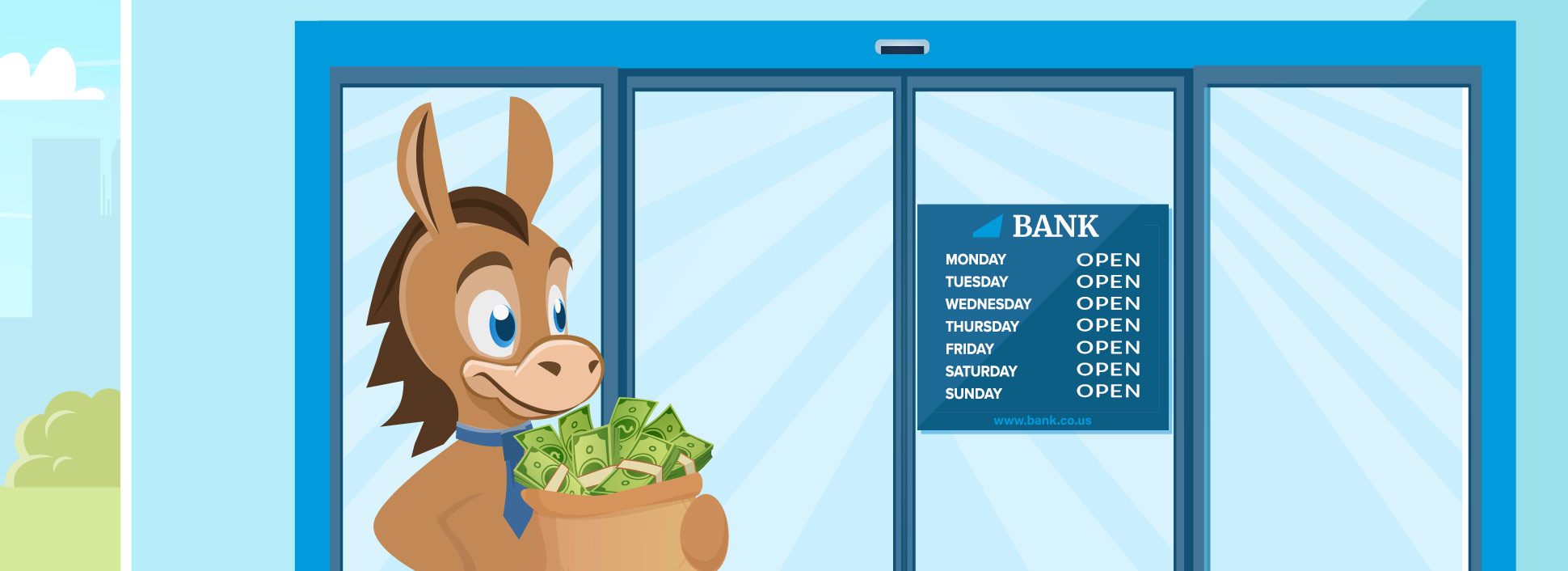
While the digital revolution has migrated many banking functions to mobile apps, certain high-stakes transactions and specialized services still necessitate a face-to-face interaction. Understanding the availability of weekend banking requires a deep dive into the policies of major national institutions, the rise of “retail-centric” banking models, and the strategic alternatives available when physical branches are locked.
The Shift Toward Weekend Accessibility in Retail Banking
The transition toward Saturday banking was driven primarily by consumer demand and the rise of “convenience banking” in the early 2000s. As retail giants like TD Bank and Chase began to view their branches not just as vaults, but as service centers, they realized that staying closed when their customers were most available was a missed opportunity for brand loyalty and customer acquisition.
Today, the availability of Saturday hours typically depends on the bank’s size, its geographic location, and the specific needs of the local market. In urban centers and high-traffic suburban shopping districts, Saturday hours are almost a standard requirement. In contrast, rural branches or those located in business districts that empty out on weekends may remain closed.
The Business Case for Saturday Operations
From a financial management perspective, banks keep their doors open on Saturdays to capture “high-intent” customers. People visiting a bank on a weekend are often there for significant life events: applying for a home loan, opening a first savings account for a child, or seeking investment advice. By providing access during these times, banks can secure long-term relationships that might otherwise go to a more accessible competitor. For the consumer, this accessibility reduces “financial friction”—the time and effort required to manage one’s money effectively.
Services Available vs. Services Restricted
It is important to note that while a branch may be open on Saturday, the “back office” of the global financial system often remains closed. For example, while you can deposit a check or consult with a personal banker, outbound domestic and international wire transfers initiated on a Saturday will typically not process until the following Monday. Understanding these nuances is vital for those managing time-sensitive business payments or real estate closings.
Major National Banks with Saturday Hours
If you are looking for a reliable institution with weekend availability, several national players have built their reputation on being accessible outside of standard business hours. Below are the leaders in the weekend banking space.
TD Bank: “America’s Most Convenient Bank”
TD Bank is perhaps the most famous proponent of extended hours. Under their “Most Convenient Bank” branding, a vast majority of their branches are open on Saturdays, and many even offer limited hours on Sundays. Their Saturday schedule often extends from 9:00 AM to 2:00 PM or 3:00 PM, making them a top choice for individuals whose schedules are entirely booked during the workweek.
Chase Bank
As the largest retail bank in the United States, JPMorgan Chase maintains a massive physical footprint. Most Chase branches in metropolitan and suburban areas offer Saturday hours, typically from 9:00 AM to 1:00 PM or 2:00 PM. Chase uses its Saturday availability to cater to its massive base of small business clients who need to make deposits after the Friday evening rush.
Wells Fargo
Wells Fargo follows a similar model to Chase, with a significant number of branches staying open on Saturdays. Their hours are generally consistent across regions, usually opening at 9:00 AM and closing in the early afternoon. They prioritize Saturday staffing for personal bankers who can assist with account openings and credit card applications.
PNC Bank and Capital One
PNC Bank often operates on Saturdays, particularly in its high-growth markets. Capital One has taken a unique approach with its “Capital One Cafés.” These hybrid spaces, which combine a coffee shop with a banking center, are almost always open on Saturdays and Sundays, providing a relaxed environment for customers to discuss their financial goals with “Ambassadors” while managing their accounts digitally.
Regional Banks and Credit Unions
While national banks offer consistency, many regional banks and local credit unions offer Saturday hours to remain competitive. In fact, credit unions often have more flexible, member-focused hours than traditional commercial banks. If you live in a specific region, such as the Southeast with Regions Bank or the West with U.S. Bank, you will find that Saturday morning operations are a standard part of their service suite.
The Strategic Importance of Physical Banking in a Digital Age
With the rise of fintech and “neobanks” like Chime, Ally, and Varo, some may wonder why Saturday physical banking still matters. In the realm of personal finance and wealth management, the “physicality” of a bank provides several irreplaceable benefits.
Complex Financial Consultations
When it comes to wealth management, retirement planning, or complex debt restructuring, most consumers prefer a face-to-face conversation. A Saturday morning meeting with a financial advisor at a local branch allows for a focused, uninterrupted discussion that is difficult to replicate over a Zoom call or a chat bot.
Notary Services and Medallion Signatures
Many legal and financial documents require a Notary Public or a Medallion Signature Guarantee—a specialized stamp used for the transfer of securities. These services are almost exclusively provided in person. Having access to these services on a Saturday can be the difference between meeting a legal deadline and facing a costly delay.
Safe Deposit Box Access
For those who store physical gold, legal deeds, or heirloom jewelry in safe deposit boxes, weekend access is a security and convenience priority. If a bank is closed on Saturday, those assets are effectively “locked away” for 48 hours, which may not be acceptable for all investors.
Immediate Cash Management
For small business owners, particularly those in the retail or hospitality sectors, Saturday is a high-volume day. Being able to drop off a night deposit or pick up change and small bills on a Saturday morning is essential for maintaining operational liquidity.
Digital Alternatives: Banking When Everything is Closed
While finding a bank open on Saturday is the goal for many, it is equally important to understand the digital ecosystem that supports 24/7 financial management. If your local branch is closed, or if you use an online-only bank, there are several tools to bridge the gap.
Mobile Check Deposits and ATM Networks
The advent of mobile check deposit technology has significantly reduced the need for Saturday branch visits. Most major banks now allow for high-limit deposits through their apps. Furthermore, participating in an inter-bank ATM network (like Allpoint or MoneyPass) allows consumers to withdraw cash or make deposits at thousands of locations, including pharmacies and grocery stores, regardless of whether a traditional bank building is open.
The Role of Neobanks
Online-only banks have no physical branches, which means they are “open” 24/7 in a digital sense. For those who do not require physical cash services or notary stamps, the superior interest rates on savings accounts and lower fees of neobanks often outweigh the benefit of a physical Saturday branch. However, for a balanced financial strategy, many experts recommend a “hybrid” approach: maintaining a local account at a bank with Saturday hours for physical needs, while keeping the bulk of savings in a high-yield online account.
Peer-to-Peer (P2P) Transfers
On weekends, tools like Zelle, Venmo, and Cash App serve as the primary movers of liquidity. Because Zelle is integrated directly into the infrastructure of most major banks (Chase, Bank of America, Wells Fargo), it allows for near-instant movement of funds even on a Saturday afternoon when traditional ACH transfers are stagnant.

Choosing the Right Bank for Your Lifestyle
When selecting a banking partner, accessibility should be a top-tier consideration alongside interest rates and fee structures. To determine if a bank’s Saturday availability aligns with your financial needs, consider the following checklist:
-
Proximity vs. Hours: A bank that is open on Saturday but located 30 minutes away may be less useful than a bank with a robust 24/7 ATM and mobile suite five minutes away.
-
Specific Service Availability: Always call ahead to confirm if the specific service you need (like a notary or a loan officer) is available on Saturdays. Often, teller lines are open, but specialized staff are not.
-
The “Business Day” Rule: Remember that transactions made on a Saturday are usually credited to the next business day (Monday). If you need funds to clear for a Sunday payment, a Saturday deposit might not suffice.
-
ATM Sophistication: Look for banks that offer “Smart ATMs.” These machines allow for check cashing, specific bill denominations, and even live video teller assistance on weekends, providing a middle ground between a closed lobby and a full-service branch.
In conclusion, while the world moves toward an increasingly digital future, the demand for Saturday banking remains robust. Institutions like TD Bank, Chase, and Wells Fargo continue to lead the way in providing physical accessibility. By strategically utilizing these Saturday hours for complex tasks and supplementing them with digital tools for daily transactions, you can ensure your financial management is never sidelined by the calendar. Whether you are a side hustler depositing the week’s earnings or a family planning a major purchase, knowing which bank is open on Saturday is a vital piece of the personal finance puzzle.
aViewFromTheCave is a participant in the Amazon Services LLC Associates Program, an affiliate advertising program designed to provide a means for sites to earn advertising fees by advertising and linking to Amazon.com. Amazon, the Amazon logo, AmazonSupply, and the AmazonSupply logo are trademarks of Amazon.com, Inc. or its affiliates. As an Amazon Associate we earn affiliate commissions from qualifying purchases.