
For the modern consumer, the concept of “borderless” finance has become an expectation. Whether you are a frequent traveler, a digital nomad, or a business owner operating across state lines, the desire for a single, reliable financial institution that exists wherever you step foot is a common priority. However, the answer to the question “What bank is in all 50 states?” is more nuanced than a simple name on a building. While the banking industry has consolidated significantly over the last three decades, the physical “brick-and-mortar” presence of banks still faces geographical and regulatory hurdles.
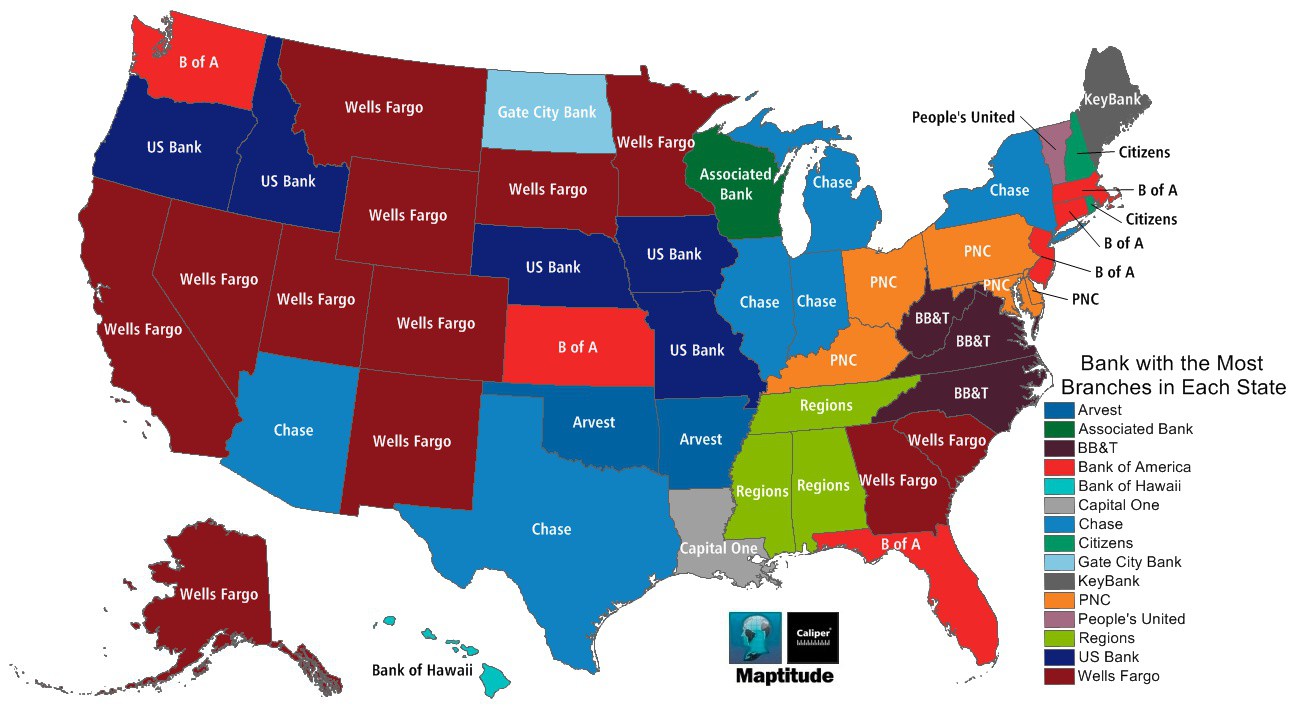
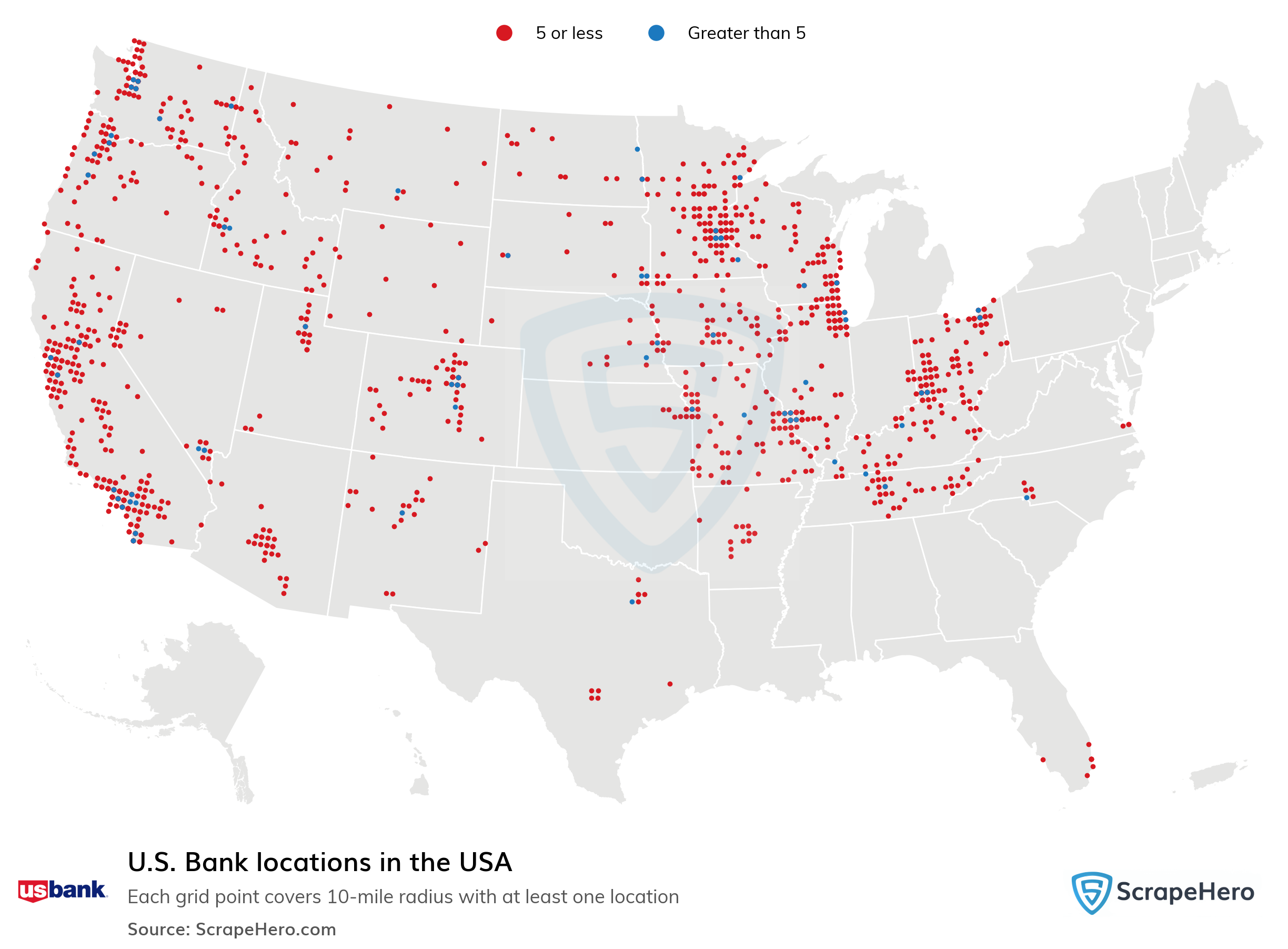
To understand which banks offer the most comprehensive coverage, one must distinguish between physical branch locations, ATM networks, and digital accessibility. In the current financial ecosystem, only one major institution has successfully planted its flag with physical retail branches in nearly every corner of the continental United States, while several others use digital infrastructure to bridge the gap.
The Reality of National Banking Presence
Historically, the United States banking system was highly fragmented. Until the late 20th century, restrictive laws prevented banks from operating across state lines, leading to a landscape dominated by local and regional players. The Riegle-Neal Interstate Banking and Branching Efficiency Act of 1994 changed the trajectory of American finance, allowing for the “mega-banks” we recognize today. Despite this deregulation, building a physical network that spans 50 states is a monumental logistical and capital-intensive challenge.
The Chase Milestone: Physical Presence in the Lower 48
When discussing a physical presence, JPMorgan Chase stands as the current industry leader. In 2021, Chase achieved a historic milestone by becoming the first bank to have a physical retail branch in all 48 contiguous U.S. states. This aggressive expansion strategy was part of a multi-year plan to enter new markets like Boston, Philadelphia, and Charlotte—regions traditionally dominated by other incumbents.
While Chase has a presence in the lower 48, it is important to note the distinction regarding Hawaii and Alaska. While Chase provides robust digital services and some commercial operations in these states, the “retail branch on every corner” model is not yet a reality there. For a consumer seeking a teller-manned office in every single state including the non-contiguous ones, the search becomes even more restricted.
The Distinction Between Physical Branches and Digital Access
In the modern era, the definition of a “national bank” has shifted. For many users, a bank is “in all 50 states” if they can deposit a check via a smartphone, withdraw cash without fees at a local pharmacy, and speak to a representative 24/7. This digital-first perspective allows institutions like Capital One, Ally, and SoFi to claim a national footprint without the overhead of thousands of physical buildings.
However, for small business owners who need to deposit cash daily or individuals who require notarized documents and safe deposit boxes, physical proximity remains king. The “Big Four”—Chase, Bank of America, Wells Fargo, and Citibank—are the primary contenders for this level of service, though their strategies for geographical coverage differ significantly.
The Big Four and Their Geographical Footprints
The landscape of American personal finance is dominated by four institutions that hold a staggering percentage of the nation’s deposits. Understanding their geographical strengths helps consumers align their banking choices with their lifestyle and travel patterns.
JPMorgan Chase: The Expansion Leader
As mentioned, Chase is the closest to the 50-state goal. Their strategy focuses on “omnichannel” banking, where physical branches serve as showrooms for digital products. Chase’s expansion into all 48 contiguous states was not just about coverage; it was about capturing high-growth markets where they previously lacked a retail footprint. For a customer who moves frequently for work, Chase offers the most consistent face-to-face experience across the mainland.
Bank of America: High-Tech Meets High-Touch
Bank of America maintains a massive footprint, with a presence in approximately 38 states. Rather than chasing every single state, Bank of America has focused on deep penetration in major metropolitan hubs and high-traffic areas. They have heavily invested in their digital interface—Erica, their AI assistant—and their mobile app, which is widely considered one of the best in the industry. For BofA, the goal is to be in the states where the majority of the population lives and works, rather than achieving a symbolic 50-state presence.
Wells Fargo: The Historic Reach
Wells Fargo has long been known for having one of the largest branch networks in the United States. Historically, they had a stronger presence in the Western and Midwestern U.S. than their competitors. While they have closed some branches in recent years as part of a pivot toward digital efficiency, they still maintain a presence in 36 states and the District of Columbia. Wells Fargo’s strength lies in its suburban and rural reach, often having branches in locations where more “urban-centric” banks like Citibank do not venture.
Citibank: A Global Focus with Selective Domestic Footprints
Citibank takes a different approach. While it is a global powerhouse, its domestic retail footprint is surprisingly concentrated. It focuses on major “global cities” like New York, Los Angeles, Chicago, Miami, and Washington D.C. If you live in a rural state, you are unlikely to find a Citi branch. However, Citi compensates for this by participating in massive ATM networks, ensuring that their customers can access cash in all 50 states through partner machines at retailers like CVS or Target.
Digital Banking: The Only Way to Truly Reach All 50 States
If the criteria for being in all 50 states is the ability to conduct every facet of your financial life seamlessly, then online-only banks and neobanks are the true winners. These institutions are designed from the ground up to operate without physical boundaries.
Neobanks and Online-Only Institutions
Banks such as Ally, SoFi, and Chime do not have traditional branches. Instead, they leverage technology to provide services that were once the sole province of local banks. Because they don’t have the overhead costs of maintaining thousands of buildings, they often offer higher interest rates on savings accounts and lower fees. For a resident of Alaska or Hawaii, an online bank provides the exact same level of service as it does for someone in New York City, making them the most “geographically neutral” options available.
The Role of ATM Networks
The “secret weapon” for both online banks and regional banks looking to go national is the shared ATM network. Networks like Allpoint, MoneyPass, and Star allow a customer of a small credit union in Oregon to withdraw money in Florida without paying a surcharge. Many online banks, such as Capital One (which does have some branches and “Cafés”) and Discover, provide access to over 60,000 to 70,000 ATMs nationwide. This effectively puts a “service point” for the bank in all 50 states, even if it’s just a machine inside a convenience store.
Why “All 50 States” Matters for Your Personal Finances
Choosing a bank with a wide geographical reach is not just about the convenience of finding an ATM. It has significant implications for long-term financial management and business scalability.
Accessibility for Travelers and Digital Nomads
For individuals who spend their lives on the move, a national bank provides a safety net. If you lose your debit card while on a cross-country road trip, a bank with a national presence like Chase or Bank of America can often print a replacement card on the spot at a local branch. An online-only bank would have to mail a new card to a permanent address, which can be a significant disruption for someone without a fixed location.
Consistency in Small Business Operations
For business owners, banking across state lines presents unique challenges. If you operate a franchise or a service business with employees in multiple states, having a single national bank simplifies payroll, tax filings, and cash management. National banks are well-versed in the various state-level regulations and can provide a unified platform for managing accounts receivable and payable, regardless of where the specific transaction occurs.
The Trade-off: Personal Service vs. National Convenience
While national banks offer unparalleled reach, there is often a trade-off in the “personal touch.” Local community banks and credit unions are known for their ability to make lending decisions based on personal relationships and local market knowledge. A national bank uses standardized algorithms and centralized underwriting. For a consumer, the choice is often between the convenience of a branch in every state and the personalized service of a bank that knows their name.
Choosing the Right Financial Institution for Your Mobility Needs
When evaluating whether you need a bank that exists in all 50 states, you must assess your specific financial behaviors.
Comparing National Banks vs. Credit Unions
If your primary concern is avoiding fees and having a “local” feel while still traveling, many credit unions participate in “shared branching.” This is a cooperative network where members of one credit union can walk into a different credit union and perform transactions as if they were at their home branch. This network includes thousands of locations across all 50 states, offering a compelling alternative to the Big Four banks for those who prioritize community-focused banking.
Hybrid Models: Local Checking with National Savings
A popular strategy among savvy personal finance enthusiasts is the hybrid approach. This involves keeping a checking account with a large national bank (like Chase) for the convenience of branches and ATMs across the country, while keeping the bulk of one’s savings in a high-yield online account (like Ally or Marcus by Goldman Sachs). This allows the consumer to enjoy the 50-state physical infrastructure of a mega-bank while capturing the superior interest rates offered by digital-only institutions.
In conclusion, while no single bank has a traditional brick-and-mortar branch in every single town across all 50 states, the gap is closing. JPMorgan Chase leads the way in physical expansion, while the rise of fintech and robust ATM networks has made the geographical location of your bank’s headquarters almost irrelevant. For the modern consumer, the “bank in all 50 states” is less of a single building and more of a digital ecosystem that moves with them.
aViewFromTheCave is a participant in the Amazon Services LLC Associates Program, an affiliate advertising program designed to provide a means for sites to earn advertising fees by advertising and linking to Amazon.com. Amazon, the Amazon logo, AmazonSupply, and the AmazonSupply logo are trademarks of Amazon.com, Inc. or its affiliates. As an Amazon Associate we earn affiliate commissions from qualifying purchases.