
The year 1994 remains a pivotal moment in the history of global commerce. While the internet was still a nascent landscape populated by academic researchers and tech hobbyists, Jeff Bezos recognized a statistical anomaly: the World Wide Web was growing at a rate of 2,300% per year. This insight did not just lead to the creation of a retail website; it birthed one of the most sophisticated brand strategies in modern history. When Amazon started, it wasn’t just about selling books; it was about establishing a framework for a brand that could eventually encompass everything.

The transition from a garage startup in Bellevue, Washington, to a multi-trillion-dollar ecosystem is not merely a story of technological prowess. It is a masterclass in brand positioning, identity management, and the relentless pursuit of a singular corporate philosophy. By examining the early days of Amazon through the lens of brand strategy, we can uncover the blueprint that allowed a small online bookstore to redefine the global consumer experience.
The Genesis of the “Everything Store”: From Garage to Global Giant
When Amazon was founded in July 1994, its first iteration was far from the polished, algorithm-driven platform we recognize today. Jeff Bezos initially considered naming the company “Cadabra,” as in “abracadabra,” but his lawyer cautioned that the name sounded too much like “cadaver” over the phone. This early pivot highlights an essential branding lesson: the importance of phonetic clarity and brand sentiment.
Identifying the Minimum Viable Brand
Bezos settled on “Amazon” for two strategic reasons. First, the Amazon River is the largest in the world, mirroring his ambition to create the world’s largest store. Second, in the mid-90s, website listings were often alphabetized; a name starting with “A” ensured that the company would appear at the top of search directories.
The choice to start with books was equally strategic from a brand perspective. Books were a commodity—the product inside the box was the same regardless of where it was purchased. This allowed Amazon to focus its brand promise on the experience of buying: selection, convenience, and price. By dominating a single niche, Amazon built the foundational trust necessary to eventually expand into music, electronics, and beyond. This “Minimum Viable Brand” allowed them to perfect their logistics and customer service before the “Everything Store” narrative was even introduced to the public.
The Strategic Choice of “Amazon” as a Name
The name “Amazon” suggested a vast, flowing, and unstoppable force of nature. It moved away from the tech-heavy or literal names common in the early dot-com era. Instead of focusing on the “e-commerce” or “digital” aspect, the brand leaned into a metaphor of scale and power. This choice provided the brand with an elastic identity. If they had named the company “BookNet,” the subsequent move into cloud computing and grocery delivery would have been a branding nightmare. By choosing a name based on a metaphor rather than a product, Amazon gave itself the room to grow into any industry it chose.
Customer Obsession as a Brand Pillar
From its inception, Amazon’s brand identity was built on a singular, unwavering pillar: customer obsession. While many companies focus on their competitors or their stock price, Amazon’s internal and external branding has always centered on the user. This focus has become the defining characteristic of the Amazon brand, influencing everything from their user interface to their delivery speeds.
The Empty Chair Philosophy
In the early days of corporate meetings, Bezos was known for leaving an empty chair in the room. He informed his executives that the chair was occupied by the most important person in the company: the customer. This was not just a symbolic gesture; it was a branding exercise designed to align every employee with the brand’s core value.
This philosophy translated into tangible brand assets, such as “one-click” shopping and personalized recommendations. These features weren’t just technological innovations; they were brand promises kept. They told the customer, “We know you, we value your time, and we are making your life easier.” This consistency between the brand’s internal culture and the external customer experience is what built the immense brand equity Amazon enjoys today.
Building Trust through Logistics and Reliability
A brand is essentially a promise made and a promise kept. When Amazon started, the biggest hurdle for online retail was a lack of trust. Consumers were hesitant to share credit card information and skeptical that their orders would actually arrive. Amazon’s brand strategy addressed this by prioritizing reliability over immediate profitability.
The introduction of features like order tracking and a robust return policy helped solidify Amazon as a “safe” brand. While competitors were focused on flashy marketing, Amazon focused on the “last mile” of the brand experience—the moment the box arrived on the doorstep. The brown box with the smile logo became a physical touchpoint of the brand’s reliability, turning a mundane logistics event into a recognizable brand interaction.
The Evolution of Visual Identity and Corporate Narrative
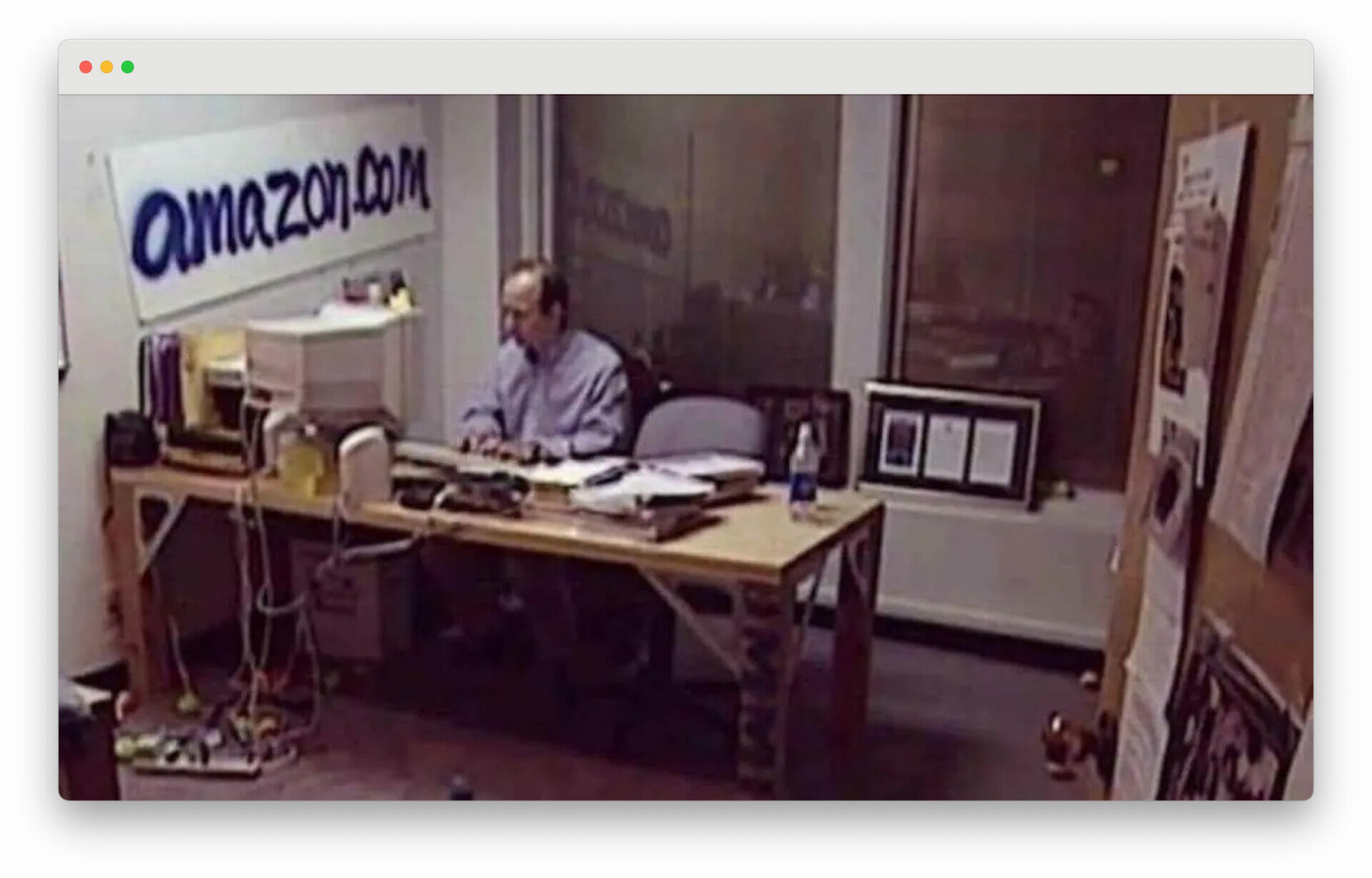
A brand’s visual identity must evolve alongside its business model. Amazon’s logo history is a fascinating study in how a brand can signal its changing ambitions through design.
From River to Smile: Decoding the Logo
The original Amazon logo featured a stylized “A” with a river path flowing through it, a literal interpretation of the name. However, as the company expanded its inventory, the brand needed a visual identity that signaled variety and friendliness. In 2000, the current “smile” logo was introduced.
This logo is a masterpiece of brand communication. The arrow connects the letters ‘a’ and ‘z,’ indicating that the company carries everything from A to Z. Furthermore, the arrow is shaped like a smile, subtly reinforcing the brand’s focus on customer satisfaction. This visual shorthand allows the brand to communicate its two core value propositions—selection and happiness—without saying a word.
Narrative over Numbers: The Power of Annual Letters
While most companies use annual reports for dry financial disclosure, Amazon has used its annual shareholder letters to craft a powerful brand narrative. Since the first letter in 1997, Bezos has consistently emphasized “Day 1” thinking. This narrative brands Amazon as a perpetual startup—a company that refuses to become complacent or stagnant.
The “Day 1” philosophy is a brilliant piece of corporate branding. It manages expectations for investors (prioritizing long-term growth over short-term profits) while simultaneously acting as a recruitment tool for talent who want to work in an innovative environment. By framing the brand’s history as a continuous beginning, Amazon has protected itself from the “legacy brand” trap that often slows down older corporations.
Scaling the Ecosystem: Brand Extension and Diversification
One of the greatest challenges for any brand is maintaining a cohesive identity while diversifying into radically different markets. Amazon’s expansion into Prime, AWS, and hardware like the Kindle and Echo represents some of the most successful brand extensions in history.
Amazon Prime as a Loyalty Engine
Launched in 2005, Amazon Prime is more than a subscription service; it is the ultimate brand loyalty engine. By charging an upfront fee for “free” shipping, Amazon fundamentally changed consumer behavior. Once a customer is a Prime member, the Amazon brand becomes their default choice for any purchase.
Prime successfully shifted the brand perception from a “place to shop” to a “membership to belong to.” It added a layer of exclusivity and premium value to the brand identity. The psychological “sunk cost” of the membership fee encourages customers to maximize their value, which in turn deepens their relationship with the brand ecosystem.
Maintaining Brand Consistency Across Sub-brands
When Amazon launched Amazon Web Services (AWS) in 2006, it was a major departure from B2C retail. However, the branding of AWS remained consistent with the core Amazon values: cost-efficiency, scale, and customer-centricity. Even though the “customer” was now a software developer rather than a book reader, the brand promise remained the same.
Similarly, hardware products like the Kindle were branded as gateways to the Amazon ecosystem. The Kindle wasn’t just a device; it was a physical manifestation of the “everything store” for books. By ensuring that every new venture—whether it was streaming video, cloud computing, or smart home devices—aligned with the core identity of “making life easier through technology and selection,” Amazon avoided brand dilution.
Lessons in Long-Termism: The Enduring Legacy of the 1994 Launch
Reflecting on when Amazon started reveals a profound lesson in brand longevity: the most successful brands are those that are built on timeless human needs rather than fleeting trends. Jeff Bezos famously noted that while people often ask what will change in the next ten years, they rarely ask what won’t change. Amazon’s brand is built on the things that won’t change: people will always want lower prices, faster delivery, and a wider selection.
This commitment to long-term brand building required immense discipline. During the dot-com crash of 2000, Amazon’s stock plummeted, and critics predicted the brand’s demise. However, because the brand was built on functional utility and deep-seated customer trust rather than speculative hype, it survived and thrived.
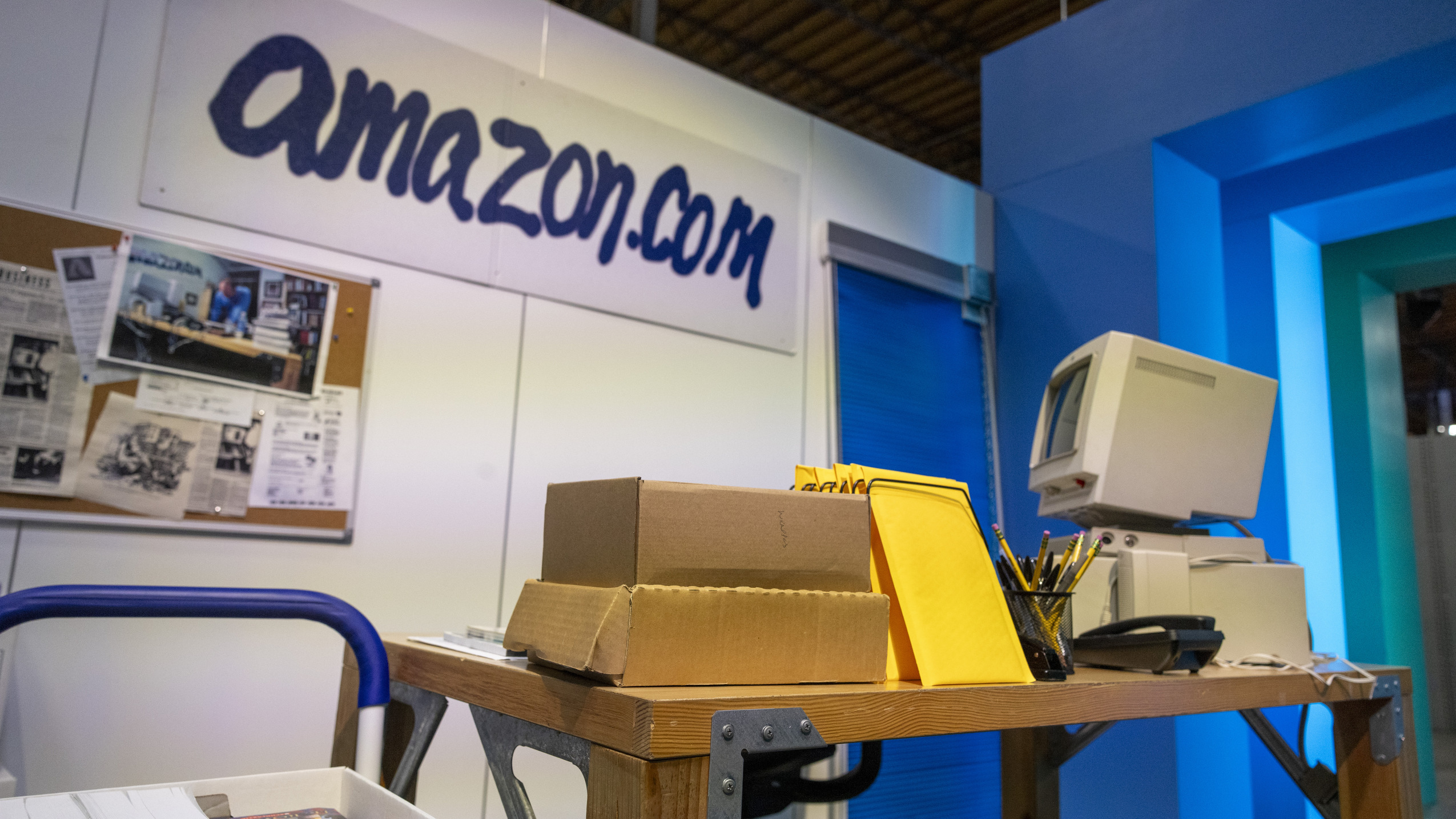
Today, the Amazon brand occupies a unique space in the global consciousness. It is a utility, a destination, and an innovator. The brand’s journey from a small office with a spray-painted sign to a global infrastructure giant serves as a definitive case study for any organization looking to scale. It proves that a brand is not just a logo or a slogan; it is the sum total of every customer interaction, every strategic pivot, and a relentless commitment to a core philosophy. When Amazon started, it planted the seeds of a brand that would eventually grow to shade the entire world of commerce, reminding us that the most expansive brands often start with a very small, very focused, and very well-executed idea.
aViewFromTheCave is a participant in the Amazon Services LLC Associates Program, an affiliate advertising program designed to provide a means for sites to earn advertising fees by advertising and linking to Amazon.com. Amazon, the Amazon logo, AmazonSupply, and the AmazonSupply logo are trademarks of Amazon.com, Inc. or its affiliates. As an Amazon Associate we earn affiliate commissions from qualifying purchases.