
Apple Inc. (AAPL) is not just a consumer electronics giant; it is a cornerstone of the global financial markets. Since its initial public offering in 1980, the company has transformed from a niche computer manufacturer into a multi-trillion-dollar ecosystem spanning hardware, software, and services. For many individual investors, owning a piece of Apple is a rite of passage in building a diversified portfolio. Whether you are a first-time investor or a seasoned veteran looking to increase your exposure, understanding the mechanics of how to invest in Apple stock is essential for maximizing returns and managing risk.
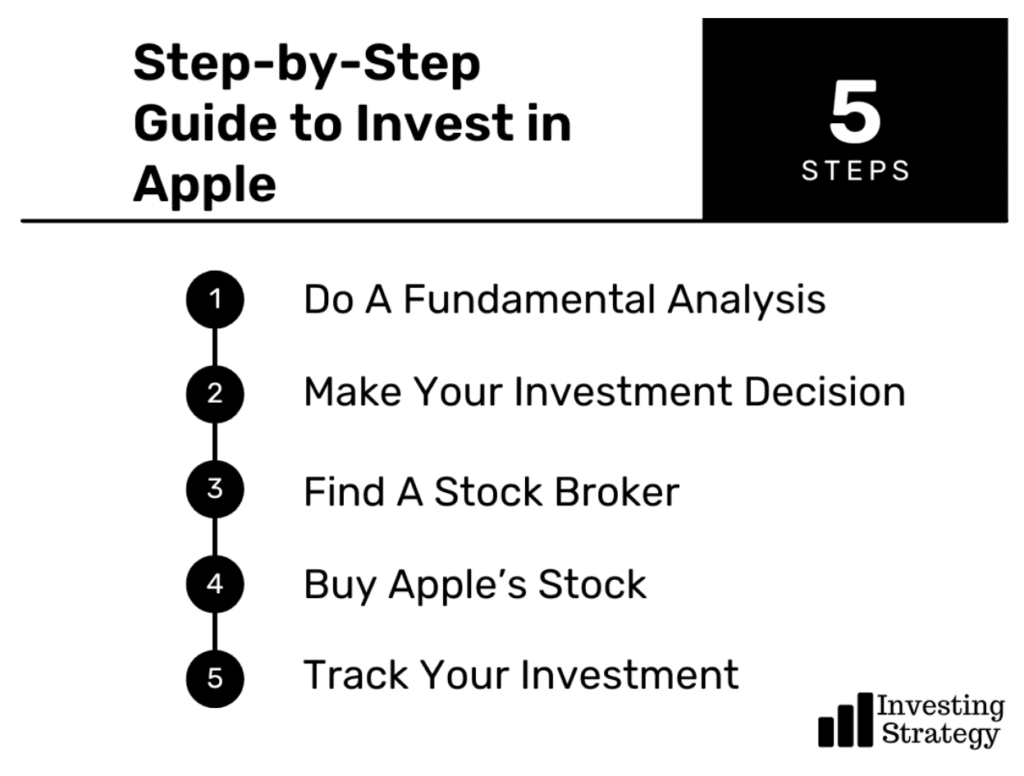
The process of investing in Apple has become significantly more accessible over the last decade. Gone are the days when you needed a high-net-worth broker to execute trades. Today, with a smartphone and a few dollars, anyone can participate in the growth of one of the world’s most profitable companies. However, accessibility does not negate the need for a strategic approach. Investing in Apple requires more than just clicking a “buy” button; it requires an understanding of brokerage platforms, investment vehicles, and the fundamental financial health of the company itself.
Choosing the Right Brokerage Platform
The first step in your journey to owning Apple stock is selecting a brokerage. A brokerage is a regulated financial institution that acts as an intermediary between you and the stock exchange. Because Apple is listed on the NASDAQ, virtually every major brokerage in the world offers access to its shares.
Traditional vs. Online-Only Brokerages
Investors generally choose between traditional full-service firms and modern online-only discount brokers. Full-service firms offer personalized financial advice and comprehensive wealth management but often charge higher commissions or management fees. On the other hand, online-only platforms like Fidelity, Charles Schwab, and Vanguard have largely moved to a zero-commission model for domestic stock trades. These platforms are ideal for the self-directed investor who wants to buy Apple shares without losing a portion of their capital to transaction costs.
Mobile Trading Apps and Accessibility
In recent years, mobile-first platforms like Robinhood and Public have gained popularity among younger investors. These apps focus on ease of use and often offer “fractional shares,” which allow you to buy a portion of an Apple share if the full price is out of your current budget. When choosing an app, ensure it is a member of the Securities Investor Protection Corporation (SIPC), which protects your assets if the brokerage goes bankrupt.
Account Types: Taxable vs. Tax-Advantaged
Before you fund your account, decide which type of account is best for your goals. A standard taxable brokerage account offers the most flexibility, allowing you to withdraw money at any time. However, if you are investing for the long term, you might consider buying Apple stock within an Individual Retirement Account (IRA) or a Roth IRA. These accounts offer significant tax advantages, either through tax-deductible contributions or tax-free growth, which can substantially increase your net wealth over several decades.
Different Ways to Own Apple Stock
While buying individual shares of AAPL is the most direct method, it is not the only way to gain exposure to the company’s performance. Depending on your risk tolerance and investment strategy, you may prefer a more diversified approach.
Direct Purchase of Individual Shares
Buying individual shares of Apple gives you a direct stake in the company. As a shareholder, you benefit directly from price appreciation and receive dividend payments. This method is best for investors who have high conviction in Apple’s long-term business model and are comfortable with the volatility that comes with owning a single stock. When you buy individual shares, you have total control over when to sell and how to manage your tax liabilities.
Investing via Exchange-Traded Funds (ETFs)
For many, the safest way to invest in Apple is through an Exchange-Traded Fund (ETF) that holds Apple as a primary component. Because of Apple’s massive market capitalization, it is a top holding in many broad-market funds. For example, ETFs that track the S&P 500 (like VOO or SPY) or the NASDAQ-100 (like QQQ) devote a significant percentage of their weight to Apple. By investing in these funds, you gain exposure to Apple’s growth while mitigating the risk associated with any single company. If Apple has a bad quarter, the performance of the other hundreds of companies in the fund can help stabilize your portfolio.
Fractional Shares: Investing with Limited Capital
Apple’s stock price has undergone several splits over the years to keep share prices accessible, but it can still be high for those just starting out. Fractional shares allow you to invest as little as $1 or $5 into Apple. This “dollar-based” investing means you own a percentage of a single share. It is an excellent way for beginners to practice “dollar-cost averaging” without needing thousands of dollars upfront.
Fundamental Analysis: Evaluating Apple’s Financial Health
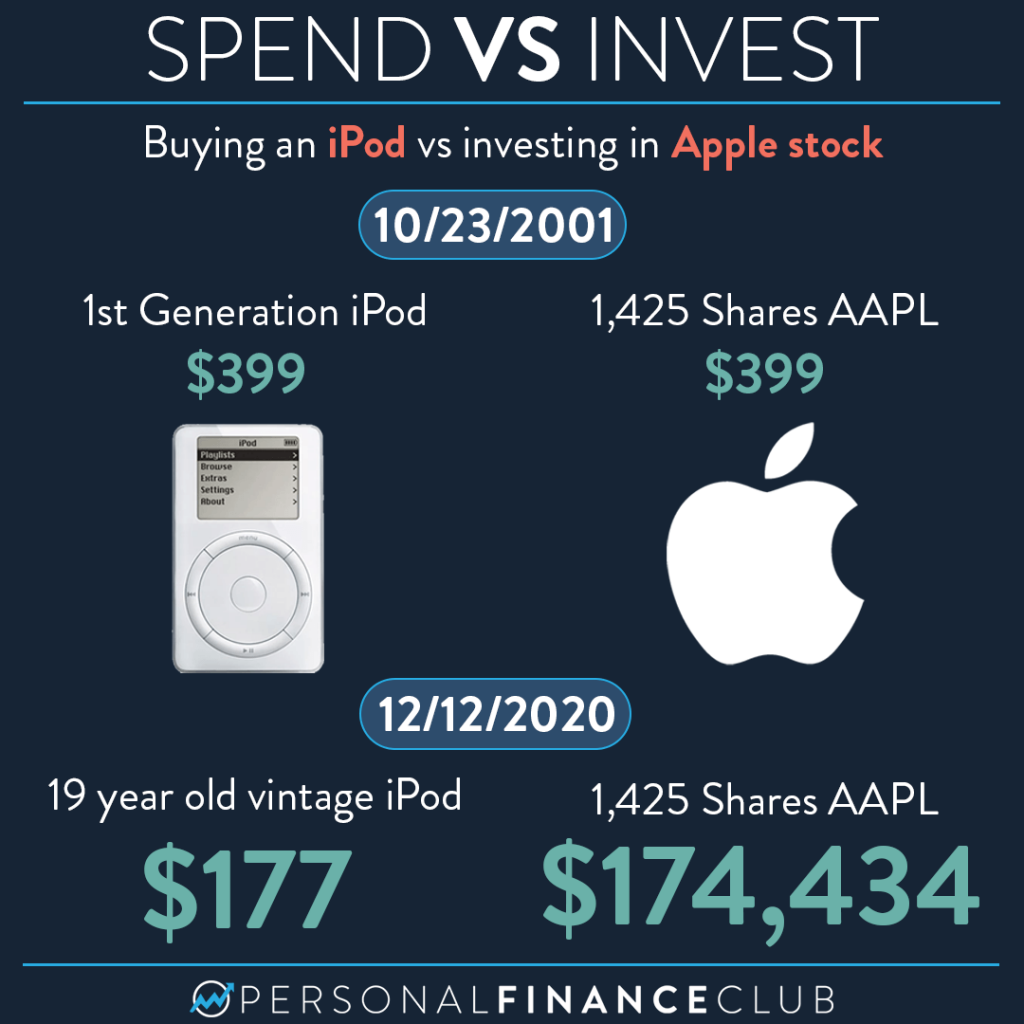
Before committing capital to any stock, a prudent investor performs fundamental analysis. This involves looking under the hood of the company to ensure its financial engine is running smoothly. Apple’s financial strength is legendary, but it is important to understand where the value comes from.
Revenue Streams and the Services Pivot
Historically, Apple was viewed primarily as a hardware company, dependent on iPhone sales. While the iPhone remains its flagship product, Apple has successfully pivoted toward a “Services” model. This includes the App Store, iCloud, Apple Music, Apple Pay, and Apple TV+. The Services division is high-margin and generates recurring revenue, making the company’s earnings more predictable and less reliant on annual hardware upgrade cycles. Investors should monitor the growth of this segment, as it often dictates the stock’s valuation premium.
Understanding the Price-to-Earnings (P/E) Ratio
The P/E ratio is a standard metric used to determine if a stock is overvalued or undervalued relative to its earnings. When investing in Apple, you should compare its current P/E ratio to its historical average and to the broader tech sector. A high P/E might suggest that the market expects high growth in the future, while a lower P/E might indicate that the stock is a bargain. However, because Apple is a mature company with massive cash reserves, it often trades at a premium compared to smaller, more volatile tech firms.
Cash Flow, Dividends, and Share Buybacks
One of Apple’s most attractive features for investors is its massive cash flow. The company generates more cash than it knows what to do with, which has led to a robust program of returning capital to shareholders. Apple pays a quarterly dividend, making it a favorite for income-focused investors. Furthermore, the company aggressively buys back its own shares. Share buybacks reduce the total number of shares outstanding, which increases the percentage of the company owned by the remaining shareholders and typically boosts the stock price over time.
Strategic Approaches to Building Your Position
Once you have chosen a broker and analyzed the financials, you need a strategy for execution. Entering the market all at once can be risky, especially during periods of high volatility.
The Power of Dollar-Cost Averaging (DCA)
Dollar-cost averaging is a strategy where you invest a fixed amount of money at regular intervals (e.g., $200 every month) regardless of the stock price. When the price of Apple is high, your $200 buys fewer shares; when the price is low, it buys more. Over time, this lowers your average cost per share and removes the emotional stress of trying to “time the market.”
Lump Sum Investing and Market Dips
If you have a large amount of capital ready to deploy, you might consider a lump sum investment. Historically, the market tends to go up over the long term, so getting your money in early can be beneficial. However, seasoned investors often keep some “dry powder” (cash) on the sidelines to buy more shares during market corrections. When the broader market panics and Apple’s stock price drops despite no change in its fundamental business, it is often viewed by value investors as a buying opportunity.
Portfolio Diversification and Risk Management
Even though Apple is a “blue-chip” stock, it is not without risk. Regulatory pressures, supply chain disruptions, and global economic downturns can all impact the share price. Financial experts generally recommend that no single stock should make up more than 5% to 10% of your total investment portfolio. By diversifying across different sectors—such as healthcare, energy, and consumer staples—you protect yourself against tech-specific volatility.
Taxes, Regulations, and Long-Term Maintenance
Investing is not a “set it and forget it” activity. You must be aware of the ongoing responsibilities that come with share ownership, particularly regarding taxes and portfolio rebalancing.
Capital Gains and Dividend Taxes
When you sell Apple stock for more than you paid for it, you realize a capital gain. If you held the stock for more than a year, it is taxed at the “long-term capital gains” rate, which is typically lower than your standard income tax rate. If you sell in less than a year, it is a “short-term” gain and taxed at a higher rate. Additionally, the dividends Apple pays you are generally taxable in the year you receive them, unless the stock is held in a tax-advantaged account like a Roth IRA.

Monitoring and Rebalancing
As Apple’s stock price fluctuates, it may grow to represent a larger portion of your portfolio than you originally intended. If Apple has an exceptional year, you might find that it now constitutes 20% of your wealth. Periodic rebalancing—selling a small portion of your winners to buy undervalued assets in other sectors—is a disciplined way to manage risk.
Investing in Apple is a long-term commitment to a company that has consistently defined the modern technological landscape. By choosing the right platform, understanding the various ways to buy, and maintaining a disciplined financial strategy, you can turn a simple interest in a brand into a cornerstone of your personal financial independence. Whether the market is bullish or bearish, the key to success lies in professional analysis, patience, and a focus on the fundamental value that the company continues to provide to the global economy.
aViewFromTheCave is a participant in the Amazon Services LLC Associates Program, an affiliate advertising program designed to provide a means for sites to earn advertising fees by advertising and linking to Amazon.com. Amazon, the Amazon logo, AmazonSupply, and the AmazonSupply logo are trademarks of Amazon.com, Inc. or its affiliates. As an Amazon Associate we earn affiliate commissions from qualifying purchases.