
In the ever-evolving landscape of personal care and beauty, certain products emerge that redefine our routines and offer a more effective, often surprisingly simple, approach to achieving desired results. Cleansing oil is one such innovation. While the name might initially evoke images of greasy textures or a complex application process, the reality is far more elegant and beneficial. At its core, a cleansing oil is a facial cleanser formulated primarily with oils, designed to effectively remove makeup, impurities, and excess sebum without stripping the skin of its natural moisture.
But what exactly makes cleansing oil so revolutionary, and how does it fit into a modern beauty regimen? To understand this, we need to delve into the fundamental principles of skincare and how different ingredients interact with our skin. This exploration will not only demystify the product itself but also highlight its versatility and the science behind its efficacy, drawing parallels to the principles of innovation and effectiveness we often see in technology, branding, and even financial strategies.
The Science of “Like Dissolves Like”
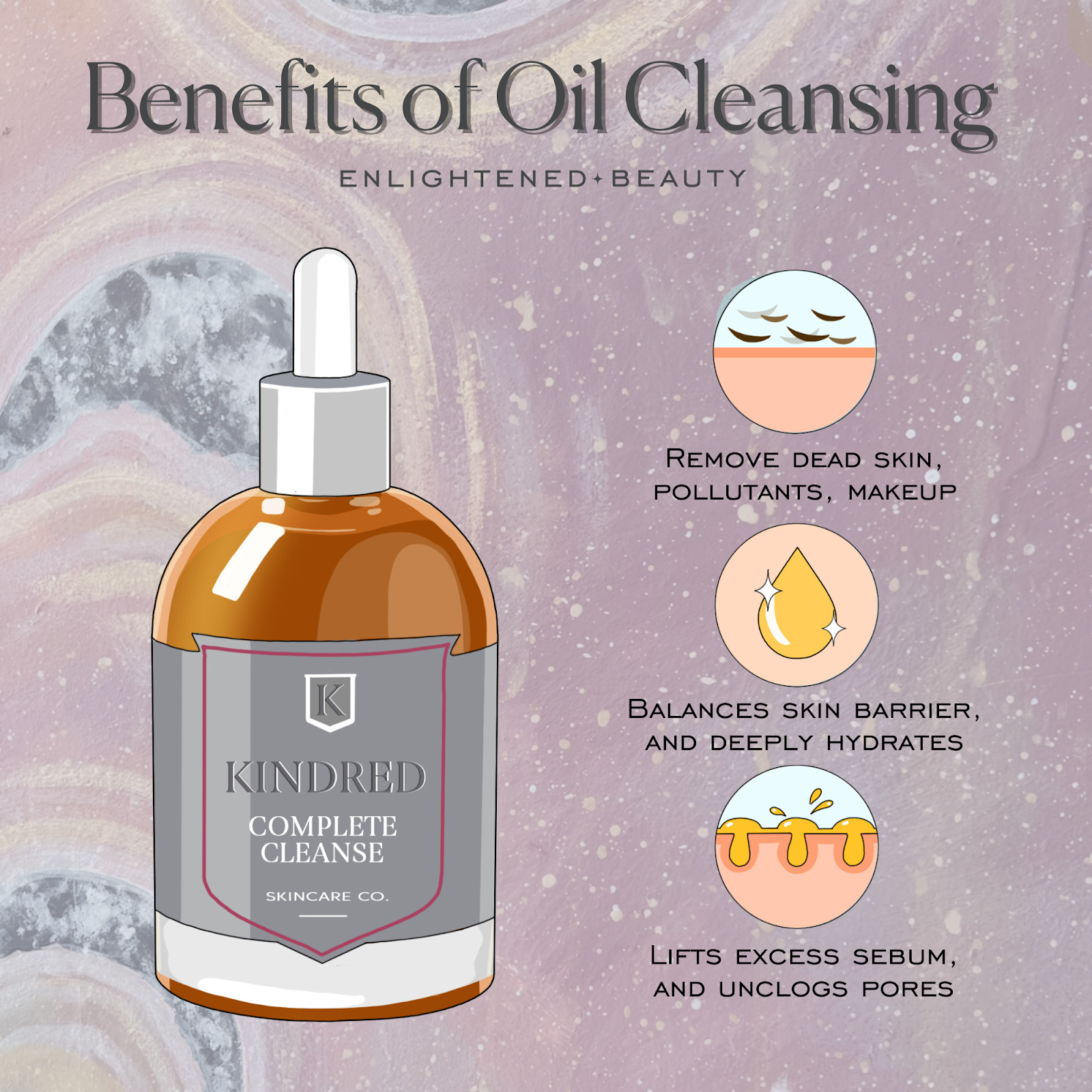
The efficacy of cleansing oils is rooted in a fundamental scientific principle: “like dissolves like.” This means that oil-based substances are best at dissolving other oil-based substances. Our skin naturally produces sebum, an oily substance that lubricates and protects. While sebum is essential, it can also trap makeup, dirt, pollutants, and dead skin cells. Traditional water-based cleansers, often containing surfactants, work by creating foam that can lift away impurities. However, these surfactants can sometimes be too harsh, stripping away not only the unwanted debris but also the skin’s natural oils, leading to dryness, irritation, and a compromised skin barrier.
Cleansing oils, on the other hand, leverage the “like dissolves like” principle by using their oil base to effectively break down and lift away oil-soluble impurities. This includes:
- Makeup: Especially long-wear foundations, waterproof mascaras, and lipsticks, which are often formulated with oils and silicones that water-based cleansers struggle to fully remove.
- Sebum: The excess oil your skin naturally produces, which can clog pores and contribute to breakouts.
- Sunscreen: Many sunscreens are oil-based to provide effective UV protection, making them resistant to water and harder to remove with conventional cleansers.
- Environmental Pollutants: Microscopic particles of dirt and grime that accumulate on the skin throughout the day are often oil-soluble and can be efficiently captured by cleansing oils.
How the “Oil Dissolves Oil” Mechanism Works
When you apply a cleansing oil to dry skin, the oils in the cleanser begin to emulsify with the sebum and other oil-soluble impurities on your skin’s surface. This creates a solution where the impurities are suspended within the oil. As you massage the product, the oils work to gently break down the bonds between the impurities and your skin.
The magic truly happens when water is introduced. Most modern cleansing oils are formulated to be emulsifiable, meaning they will transform into a milky, lotion-like consistency when mixed with water. This transformation is crucial because it allows the oil-and-impurity mixture to be easily rinsed away with water. Without this emulsification step, the oil would simply sit on your skin, leaving a greasy residue. The emulsifiers in the formula bridge the gap between oil and water, making the entire mixture water-soluble and easy to wash off.
The Benefits of Incorporating Cleansing Oil into Your Routine
The effectiveness of cleansing oils extends beyond just makeup removal. Their unique formulation offers a multitude of benefits that contribute to healthier, more balanced skin. This holistic approach to skincare mirrors how successful brands build a strong identity and how innovative technologies aim for comprehensive solutions rather than isolated fixes.
1. Deep Yet Gentle Cleansing
Unlike some foaming cleansers that can leave your skin feeling tight and stripped, cleansing oils provide a deep clean without compromising the skin’s natural moisture barrier. This gentle approach is crucial for maintaining skin health. By effectively removing impurities without stripping essential lipids, cleansing oils help to:
- Prevent Dryness and Dehydration: For those with dry or dehydrated skin, cleansing oils are a revelation. They replenish lost moisture rather than stripping it away, leaving the skin feeling soft, supple, and hydrated.
- Reduce Irritation and Redness: Harsh surfactants can trigger sensitivity in many individuals. The mild nature of oil-based cleansers makes them suitable for even the most sensitive skin types, minimizing redness and irritation.
- Balance Sebum Production: Ironically, by effectively removing excess sebum, cleansing oils can help to signal to your skin that it doesn’t need to overproduce oil. This can be particularly beneficial for those with oily or acne-prone skin who might be hesitant to use an oil cleanser, fearing it will worsen their breakouts.
2. Enhanced Makeup Removal

For anyone who wears makeup, especially heavy or long-lasting formulations, a cleansing oil is a game-changer. It tackles even the most stubborn products with ease, reducing the need for excessive rubbing or harsh scrubbing, which can lead to skin damage. This efficiency in tackling complex problems is a hallmark of effective technological solutions.
- Waterproof and Long-Wear Makeup: These products are designed to adhere to the skin for extended periods, making them notoriously difficult to remove with regular cleansers. Cleansing oils break down the oils and silicones within these formulations, dissolving them effectively.
- Less Tug and Pull: The smooth texture of cleansing oils allows for a gentle massage, minimizing the stress and strain on delicate facial skin. This is akin to how user-friendly interfaces in software reduce friction for the user.
3. Versatility for All Skin Types
While the “oil” in the name might deter individuals with oily or acne-prone skin, modern cleansing oils are formulated with a variety of oils, many of which are non-comedogenic and can actually benefit these skin types.
- Oily/Acne-Prone Skin: Lightweight oils like jojoba oil (which mimics the skin’s natural sebum) and grapeseed oil can effectively cleanse pores without exacerbating breakouts.
- Dry/Mature Skin: Richer oils such as avocado oil, almond oil, and olive oil provide nourishment and hydration, plumping the skin and reducing the appearance of fine lines.
- Sensitive Skin: Formulations with minimal ingredients and soothing oils like chamomile or calendula are ideal for sensitive complexions.
This adaptability highlights a key principle in product development and branding: understanding the diverse needs of your audience and creating solutions that cater to them effectively.
How to Use Cleansing Oil for Maximum Benefit
Just as understanding the best practices for using a new app or a financial tool can maximize its utility, learning the proper technique for cleansing oil application is key to unlocking its full potential. The process is simple yet requires a slight shift from traditional cleansing methods.
The Double Cleansing Method: A Synergistic Approach
Cleansing oil is often the first step in a technique known as “double cleansing.” This method involves using an oil-based cleanser followed by a water-based cleanser. This layered approach ensures that all types of impurities are thoroughly removed, leading to exceptionally clean and balanced skin.
- Apply to Dry Skin: Dispense a generous amount of cleansing oil into your dry hands. Gently massage the oil onto your dry face, covering all areas, including your hairline and jawline. Spend time massaging in circular motions to allow the oil to break down makeup and impurities.
- Emulsify with Water: Dampen your hands with a small amount of lukewarm water. Continue to massage the oil onto your face. You will notice the oil transforming into a milky, lotion-like emulsion. This step is crucial for lifting the dissolved impurities from your skin.
- Rinse Thoroughly: Rinse your face completely with lukewarm water. Ensure all traces of the cleansing oil and emulsified impurities are washed away.
- Follow with a Water-Based Cleanser (Optional but Recommended): For a truly deep clean and to remove any residual oil, follow up with your preferred water-based cleanser. This step will further refine your skin and prepare it for subsequent skincare products. For those with drier skin, the oil cleanse alone might be sufficient.
Tips for Optimal Results
- Choose the Right Oil for Your Skin Type: As mentioned, different oils offer different benefits. Researching or consulting with a skincare professional can help you select the best formulation for your specific needs.
- Don’t Be Afraid of the “Oily” Texture: The initial application feels oily, but the emulsification and rinse-off process leave your skin feeling clean and refreshed, not greasy.
- Massage Gently: Allow the oil to do the work. Avoid harsh scrubbing, which can irritate the skin.
- Consider Your Climate and Season: In humid climates or during summer, you might opt for lighter oil formulations. In drier climates or during winter, richer oils might be more beneficial.

Cleansing Oil: A Modern Essential for Healthy Skin
The concept of a cleansing oil might seem straightforward, but its impact on skincare routines is profound. By embracing the principle of “like dissolves like,” these formulations offer a deep yet gentle cleanse, effectively tackle stubborn makeup, and cater to a wide range of skin types. The rise of cleansing oils reflects a broader trend in personal care towards efficacy, science-backed ingredients, and personalized solutions.
In essence, understanding and incorporating cleansing oil into your routine is akin to adopting smart technology for productivity, employing strategic branding for a business, or utilizing financial tools for wealth building. It’s about understanding the underlying principles, choosing the right tools for the job, and applying them with intention to achieve optimal results. Cleansing oil isn’t just another product; it’s a foundational step towards healthier, more radiant skin, making it a modern essential for anyone seeking a truly effective and enjoyable cleansing experience.
aViewFromTheCave is a participant in the Amazon Services LLC Associates Program, an affiliate advertising program designed to provide a means for sites to earn advertising fees by advertising and linking to Amazon.com. Amazon, the Amazon logo, AmazonSupply, and the AmazonSupply logo are trademarks of Amazon.com, Inc. or its affiliates. As an Amazon Associate we earn affiliate commissions from qualifying purchases.