
The landscape of personal finance has undergone a significant transformation over the last decade. As consumers seek alternatives to traditional checking accounts—whether for budgeting, privacy, or accessibility—prepaid debit cards have emerged as a versatile and essential tool. Unlike credit cards that rely on borrowed funds or standard debit cards linked to a traditional bank account, prepaid cards require you to load money onto them before use. This “pay-as-you-go” model offers a level of control and security that appeals to a wide demographic, from students learning to manage money to frequent travelers and those looking to minimize their footprint in the traditional banking system.

Knowing where to get a prepaid debit card is the first step toward reclaiming control over your spending. These cards are more accessible than ever, available through a variety of channels including major retailers, financial institutions, and innovative digital platforms. Understanding the nuances of each source is critical to selecting a card that aligns with your financial goals while minimizing unnecessary costs.
Physical Retail Locations: The Convenience of Big-Box Stores and Pharmacies
For many, the most immediate way to acquire a prepaid debit card is by visiting a local brick-and-mortar retailer. This method offers the advantage of instant gratification; you can walk into a store with cash and walk out with a functional payment tool.
Major Retail Chains and Supermarkets
Retail giants like Walmart, Target, and Kroger are among the most common distributors of prepaid cards. Walmart, in particular, has positioned itself as a hub for alternative financial services through its MoneyCenter. Here, you can find branded options such as the Walmart MoneyCard, which often includes perks like cash-back rewards on store purchases. These retailers typically carry a wide array of cards from major networks like Visa, Mastercard, and American Express. When purchasing at a supermarket, you generally pay an initial “purchase fee” or “activation fee” at the register, which can range from $3.00 to $6.00, depending on the card brand and features.
Drugstores and Pharmacies
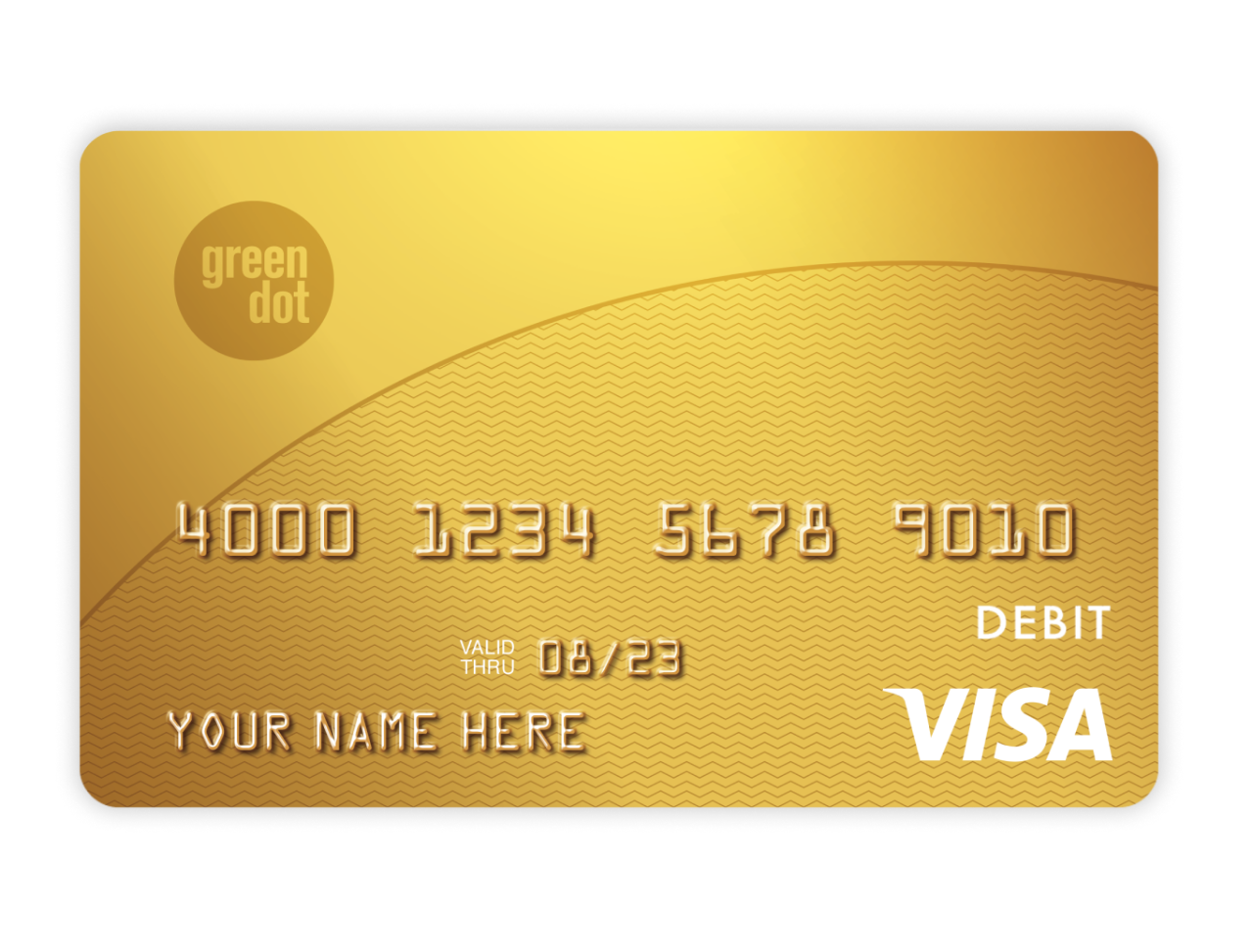
National pharmacy chains like CVS, Walgreens, and Rite Aid are another reliable source. These locations are particularly useful because they often have extended hours, making it easy to pick up a card in a pinch. The selection at drugstores is usually concentrated on well-known providers such as Green Dot, Netspend, and Vanilla Visa. While these cards are sold “off the rack,” it is important to remember that they are usually temporary cards. Once you purchase and register them, the issuer will mail a personalized card with your name on it to your permanent address, which unlocks the full features of the account, such as higher spending limits and direct deposit capabilities.
Convenience Stores and Gas Stations
For those in more rural areas or those needing a card outside of standard business hours, convenience stores like 7-Eleven, Speedway, and Circle K are frequent distributors. While the selection might be smaller than that of a superstore, they provide the essential utility of a prepaid card. Many of these locations also serve as “reload networks,” where you can add cash to an existing card using services like Green Dot @ the Register or Western Union.
Digital Platforms and Online Issuers: Security and Management at Your Fingertips
While physical stores offer immediate access, the digital space has revolutionized the prepaid card industry by integrating advanced technology and lower fee structures. Online-issued cards often come with robust mobile apps that allow for real-time tracking, automated savings, and enhanced security features.
Financial Technology (FinTech) Companies
The rise of FinTech has introduced a new generation of prepaid accounts that feel and function like high-tech bank accounts. Companies such as Bluebird (by American Express), Netspend, and Movo offer cards that can be ordered directly through their websites or mobile apps. These cards are often shipped for free, eliminating the initial purchase fee found in retail stores. Furthermore, FinTech providers often lead the market in features, offering things like “early direct deposit,” which allows users to access their paychecks up to two days early, and virtual cards for safer online shopping.
Virtual Prepaid Cards for Online Security
A subset of the online market is the virtual prepaid card. Services like Privacy.com or the virtual offerings from major issuers allow you to generate a card number that is not tied to a physical piece of plastic. These are ideal for managing recurring subscriptions or shopping on unfamiliar websites. Because you only load the amount you intend to spend, or set “spend limits” on the virtual card, your primary financial assets remain protected from data breaches or unauthorized charges.
Digital Wallets and Payment Apps
Many popular peer-to-peer (P2P) payment apps now offer their own branded prepaid debit cards. Venmo and Cash App, for example, allow users to order a debit card that draws directly from their app balance. While these are technically linked to your app account, they function as prepaid tools because you must have the funds available in your balance (or a linked source) to complete a transaction. These cards are highly convenient for those who already receive payments from friends or freelance clients through these platforms.
Banking Institutions and Credit Unions: Bridging the Gap to Traditional Finance
Many consumers are surprised to learn that traditional banks and credit unions also offer prepaid debit cards. While banks generally prefer customers to open standard checking accounts, they recognize the demand for “second-chance” banking or tools for those who want to avoid overdraft fees.
Traditional Branch Services
Large national banks, such as Chase and Wells Fargo, have historically offered prepaid products like the Chase Secure Banking or similar reloadable cards. These products provide the security and infrastructure of a major bank—including access to their ATM networks and physical branches—without the requirement of a traditional credit check or ChexSystems review. For individuals who have had difficulties with bank accounts in the past, these bank-issued prepaid cards can be a vital bridge toward re-entering the formal financial system.
The Advantage of Credit Union Offerings
Credit unions, which are member-owned cooperatives, often provide prepaid cards with some of the lowest fee structures in the industry. Because credit unions are not-for-profit entities, their prepaid products are frequently designed with the member’s financial health in mind. These cards may offer lower monthly maintenance fees and more accessible customer service. If you are already a member of a credit union, checking their prepaid options is often the most cost-effective route.
Navigating the Selection Process: Fees, Features, and Fine Print
Selecting where to get your card is only half the battle; the more critical task is evaluating the terms of the card itself. Because the prepaid market is less strictly regulated than traditional banking in certain jurisdictions, fee structures can vary wildly.
Understanding Common Fee Structures
When comparing cards from different sources, pay close attention to the following:
-
Monthly Maintenance Fees: Many cards charge a flat fee every month (often between $5 and $10). Some issuers will waive this fee if you load a certain amount of money each month via direct deposit.
-
Reload Fees: If you add cash to your card at a retail location, the retailer (not necessarily the card issuer) will often charge a fee, typically around $3.95 to $5.95 per transaction.
-
ATM Fees: Using an ATM to withdraw cash can incur fees from both the card issuer and the ATM operator. Look for cards that offer a “fee-free” ATM network.
-
Inactivity Fees: Some cards charge a fee if the account is dormant for a certain period, usually 90 days.
Security Features and Fraud Protection
One of the primary reasons to use a prepaid card is to limit financial exposure. Ensure the card you choose is FDIC-insured (or the equivalent in your region) through the issuing bank. This protects your balance in the event the financial institution fails. Additionally, look for cards that offer “Zero Liability” policies from Visa or Mastercard, which ensure you aren’t held responsible for unauthorized charges if the card is lost or stolen.
The Strategic Role of Prepaid Cards in Personal Financial Management
Beyond the simple “where” and “how,” it is important to consider “why” certain sources for prepaid cards might be better for specific financial strategies. These tools are no longer just for the unbanked; they are sophisticated instruments for wealth management and security.
Budgeting and Expense Tracking
For those struggling with overspending, a prepaid card obtained through an online FinTech app can serve as a “discretionary spending” bucket. By loading only your weekly “fun money” onto a prepaid card, you create a hard ceiling on your spending. Because most of these apps provide instant push notifications for every transaction, they offer a level of psychological reinforcement that traditional banking often lacks.
Safe Travel and International Use
Travelers often prefer to get prepaid cards from major networks like American Express or Visa because they can be used globally while keeping their primary bank account isolated from potential skimming or theft abroad. If you are getting a card for travel, prioritize those that offer low or no foreign transaction fees. Some cards even allow you to hold multiple currencies, making them an excellent choice for international business or vacations.

Youth Financial Education
Many parents choose to get prepaid cards for their teenagers as a way to teach financial literacy. Specialized providers like Greenlight or Copper offer cards designed specifically for kids and teens, allowing parents to automate allowances, set spending limits at specific stores, and monitor transactions in real-time. This “controlled independence” is a powerful tool for building healthy financial habits before a young person enters the world of credit.
In summary, the question of where to get a prepaid debit card depends largely on your immediate needs and long-term financial goals. Whether you opt for the convenience of a local retailer, the tech-forward features of a FinTech app, or the stability of a traditional bank, the prepaid card remains a cornerstone of modern personal finance. By carefully vetting the fee structures and leveraging the unique features of each platform, you can transform a simple piece of plastic into a robust engine for financial security and discipline.
aViewFromTheCave is a participant in the Amazon Services LLC Associates Program, an affiliate advertising program designed to provide a means for sites to earn advertising fees by advertising and linking to Amazon.com. Amazon, the Amazon logo, AmazonSupply, and the AmazonSupply logo are trademarks of Amazon.com, Inc. or its affiliates. As an Amazon Associate we earn affiliate commissions from qualifying purchases.