
In the modern financial landscape, the prepaid debit card has evolved from a niche tool for the unbanked into a versatile instrument for budgeting, online security, and controlled spending. Unlike traditional debit cards linked to a checking account or credit cards that rely on a line of credit, prepaid cards require you to load funds onto the card before use. Because they do not typically require a credit check or a pre-existing banking relationship, they are among the most accessible financial products available today. However, the experience of using a prepaid card—and the costs associated with it—often begins with where you choose to purchase it.
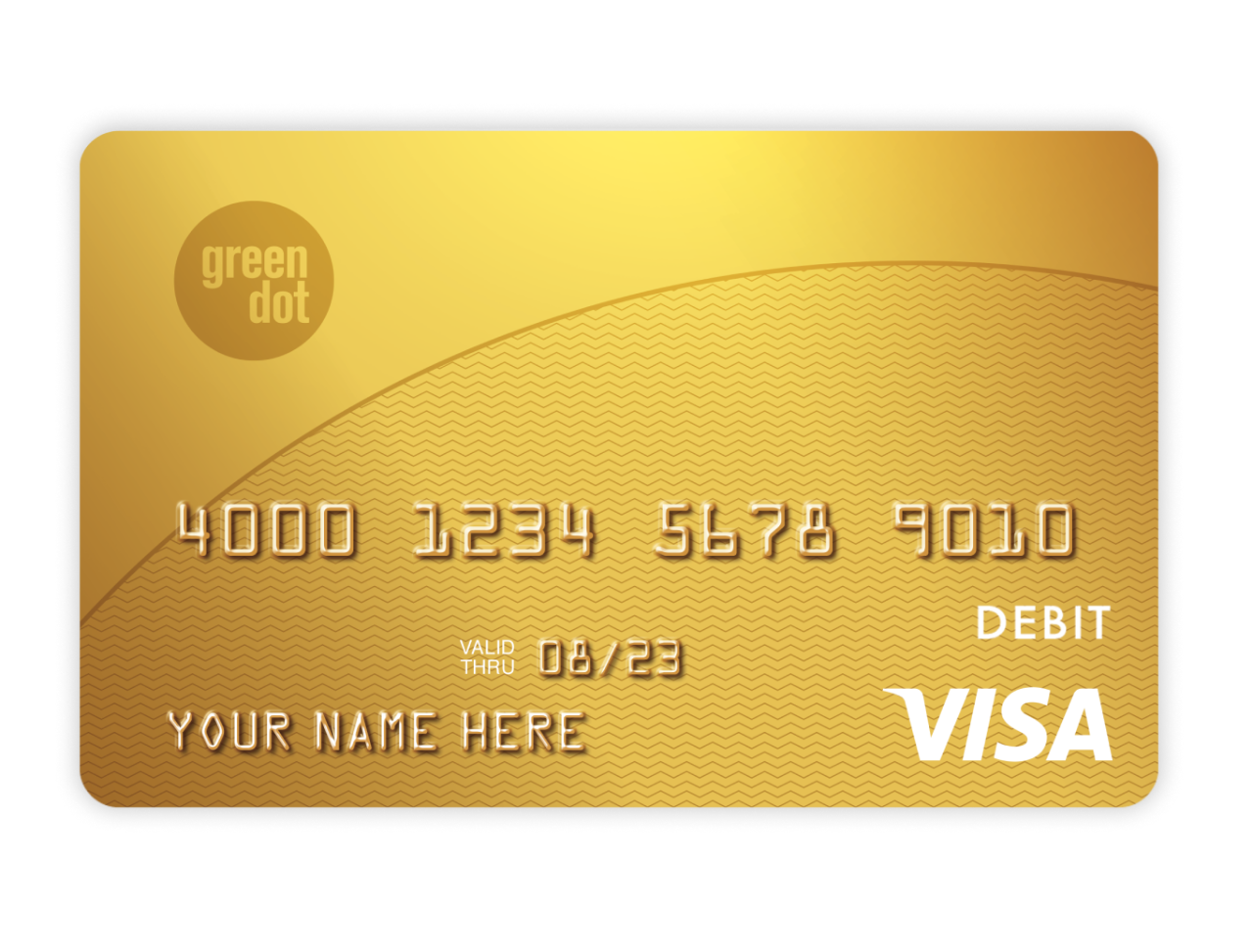
Whether you are looking for a quick solution for a one-time purchase or a long-term alternative to a traditional bank account, knowing where to buy a prepaid debit card and understanding the nuances of each acquisition channel is essential for maintaining financial health.
Physical Retail Locations: The Convenience of In-Person Acquisition
The most common way to acquire a prepaid debit card is through a brick-and-mortar retailer. This method is ideal for those who need a card immediately or those who prefer to use cash to fund their initial balance. Most retail-purchased cards are “temporary” cards that must be registered online to receive a personalized permanent card with full features.
Major Big-Box Retailers and Supermarkets
Retail giants like Walmart, Target, and Kroger are the primary hubs for prepaid financial products. Walmart, in particular, has positioned itself as a quasi-bank for many consumers through its “MoneyCenter.” Here, you can find a wide variety of cards, including the Walmart MoneyCard, Green Dot, and Netspend. The advantage of buying at these locations is the ability to compare multiple brands side-by-side on the “J-hook” displays, usually located near the checkout lanes or the customer service desk.
Drugstores and Pharmacies
National pharmacy chains such as CVS, Walgreens, and Rite Aid are ubiquitous and often open 24/7, making them convenient spots to pick up a card at any hour. These locations typically carry popular options like the Vanilla Visa or various Mastercard-branded prepaid products. While the selection might be slightly more limited than at a massive department store, the convenience factor for a quick gift or emergency online purchase is unmatched.
Convenience Stores and Gas Stations
For those in rural areas or those on the move, convenience stores like 7-Eleven, Speedway, and Circle K offer a streamlined selection of prepaid cards. These are often used for “load and go” scenarios. However, consumers should be wary of higher-than-average activation fees at these locations, as convenience often comes at a premium.
Online Platforms and Digital Issuers
In the digital age, purchasing or signing up for a prepaid debit card online is often the most cost-effective and feature-rich route. When you “buy” a card online, you are usually signing up for an account, and the physical card is mailed to you within five to ten business days.
Fintech Companies and Neobanks
The rise of financial technology has introduced a new generation of prepaid accounts that behave almost exactly like traditional checking accounts. Companies like Chime, Current, and Revolut offer “prepaid-style” debit cards that can be managed entirely through a smartphone app. While these are technically debit cards linked to digital accounts, they serve the same purpose for many users. The primary benefit of choosing a digital issuer is the elimination of many traditional fees, such as activation fees or monthly maintenance charges, which are common with store-bought cards.
Direct from Card Networks and Dedicated Brands
Many consumers choose to go directly to the source. American Express, for example, offers the Bluebird and Serve cards, which can be ordered directly from their websites. Similarly, brands like Netspend and Green Dot allow users to sign up for accounts on their official portals. Ordering directly often allows for more customization and provides immediate access to “virtual card” numbers, which can be used for online shopping before the physical plastic arrives in the mail.
Digital Wallets and Marketplace Apps
Platforms like PayPal and Venmo now offer their own branded prepaid or debit cards that draw directly from your digital balance. If you already receive payments through these platforms, obtaining their card is a seamless way to access your funds at ATMs or retail points of sale without having to transfer money to an external bank.
Financial Institutions and Specialized Service Centers

While the trend has shifted toward retail and digital, traditional financial institutions and specialized service centers remain reliable places to obtain a prepaid card, often with added layers of security and professional guidance.
Local Banks and Credit Unions
Some traditional banks offer prepaid cards to non-customers as a way to introduce them to their ecosystem. For example, Chase formerly offered the Liquid card (now replaced by the Secure Banking account), and many regional credit unions offer “Reloadable Prepaid Cards” to their members. The benefit of buying through a bank is the security of a physical branch where you can resolve issues in person. These cards are often more strictly regulated and may offer better fraud protection than a generic card found at a gas station.
Check Cashing and Currency Exchange Centers
Businesses that specialize in alternative financial services, such as MoneyGram locations, Western Union branches, and local check-cashing storefronts, are major distributors of prepaid cards. These locations are particularly useful for individuals who receive paper checks and wish to load the funds directly onto a card without carrying large amounts of cash. They often carry “pay-as-you-go” cards that are tailored for high-volume transactions and frequent reloads.
Critical Factors to Consider Before You Buy
Choosing where to buy your card is only half the battle; understanding the terms of the card you are purchasing is what determines its long-term value. Not all prepaid cards are created equal, and the “Money” niche is rife with hidden costs that can erode your balance.
The Fee Structure
The most significant disadvantage of many prepaid cards is the “fee creep.” When buying a card, you must look for the following:
-
Activation Fee: A one-time fee paid at the register (typically $2.95 to $6.95).
-
Monthly Maintenance Fee: A recurring charge (typically $5.00 to $9.95) that can sometimes be waived with a minimum monthly deposit.
-
Reload Fees: The cost to add more money to the card, which can vary depending on the reload method (e.g., Green Dot @theRegister vs. Direct Deposit).
-
ATM Fees: Charges for withdrawing cash, which may be in addition to the fee charged by the ATM owner.
Reload Accessibility
A card is only as good as your ability to put money on it. Before buying, consider how you intend to fund the card. If you plan to use direct deposit from an employer, almost any registered card will work. However, if you plan to load cash, you should choose a card that is part of a large reload network like Reloadit, MoneyPak, or Vanilla Direct. Ensure the retail locations near your home or work support the specific reload network used by your card.
Security and Fraud Protection
Store-bought cards that are not registered offer very little protection if lost or stolen; they are essentially cash. To protect your money, you must choose a card that allows for full registration and identity verification. Once registered, most prepaid cards are protected by the Consumer Financial Protection Bureau’s (CFPB) “Regulation E,” which limits your liability for unauthorized transactions. Additionally, check if the funds are held in an FDIC-insured account through the issuing bank, which protects your balance in the event of a bank failure.
Matching the Card to Your Financial Strategy
The “where” and “what” of your purchase should be driven by your specific financial goals. Prepaid cards are no longer one-size-fits-all; they are specialized tools for different money management strategies.
For Budgeting and Controlled Spending
If you are using a prepaid card to stick to a budget (e.g., a “grocery card” or a “discretionary spending card”), look for cards with robust mobile apps that offer real-time alerts and spending categorization. Digital-first cards are often better for this, as their interfaces are designed for active money management rather than just passive storage.
For Travel and International Use
When buying a card for travel, focus on those with low or zero foreign transaction fees. Many store-bought cards are restricted to domestic use only. Ensure the card you purchase specifically states it is “International” and is backed by a major network like Visa or Mastercard, which are accepted globally.
For Building a Financial Foundation
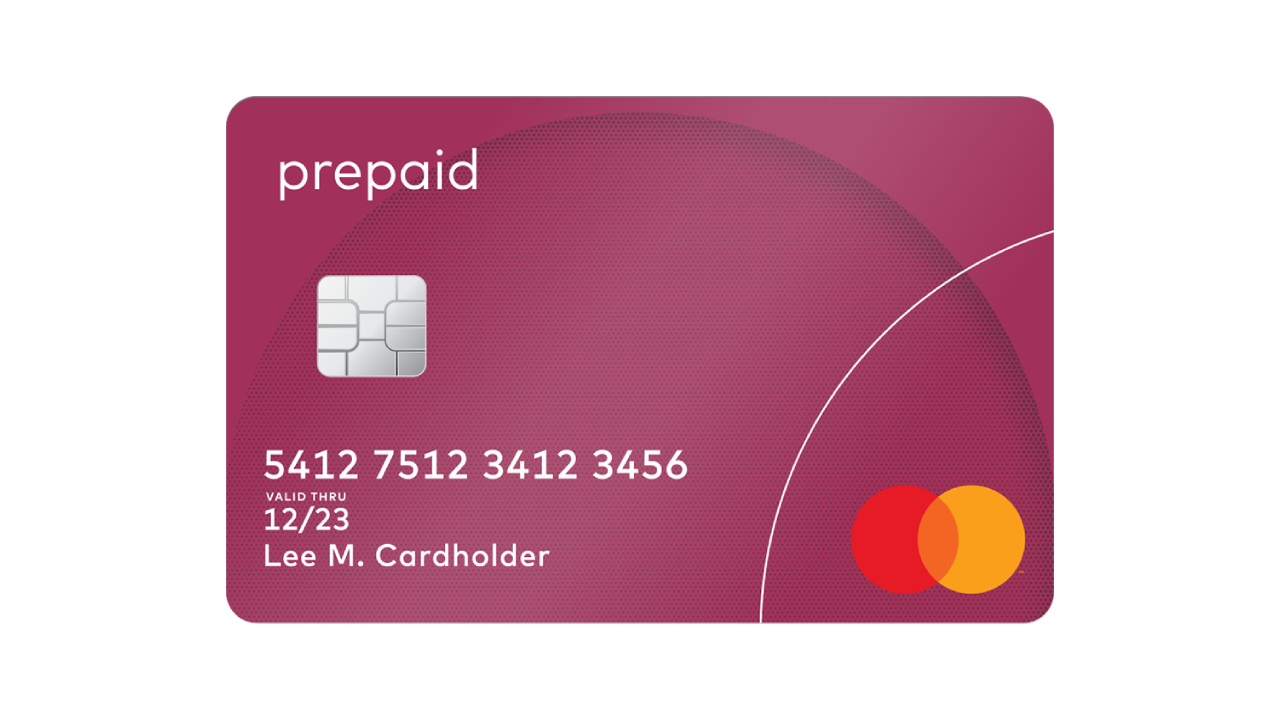
If you are unbanked and looking to build a bridge toward traditional banking, look for prepaid cards that offer features like “sub-accounts” for savings or those that offer a path to a secured credit card. While most prepaid cards do not report to credit bureaus (since they are not credit products), using one responsibly can help you manage the cash flow necessary to eventually fund a secured card that will build your credit history.
In conclusion, while you can buy a prepaid debit card at almost any corner store or with a few clicks online, the “best” place to buy depends on your urgency, your budget for fees, and your long-term financial objectives. By prioritizing low-fee structures, ease of reloads, and regulatory protections, you can turn a simple prepaid card into a powerful asset for your personal financial toolkit.
aViewFromTheCave is a participant in the Amazon Services LLC Associates Program, an affiliate advertising program designed to provide a means for sites to earn advertising fees by advertising and linking to Amazon.com. Amazon, the Amazon logo, AmazonSupply, and the AmazonSupply logo are trademarks of Amazon.com, Inc. or its affiliates. As an Amazon Associate we earn affiliate commissions from qualifying purchases.