
The landscape of personal finance has undergone a radical transformation over the last decade. While the traditional image of a debit card is one issued by a brick-and-mortar bank tied to a checking account, the reality for today’s consumer is far more diverse. Whether you are looking for a way to manage a strict budget, provide a financial tool for a family member, or secure an alternative to traditional banking, knowing where to buy debit cards—and which type to choose—is a critical component of modern financial literacy.
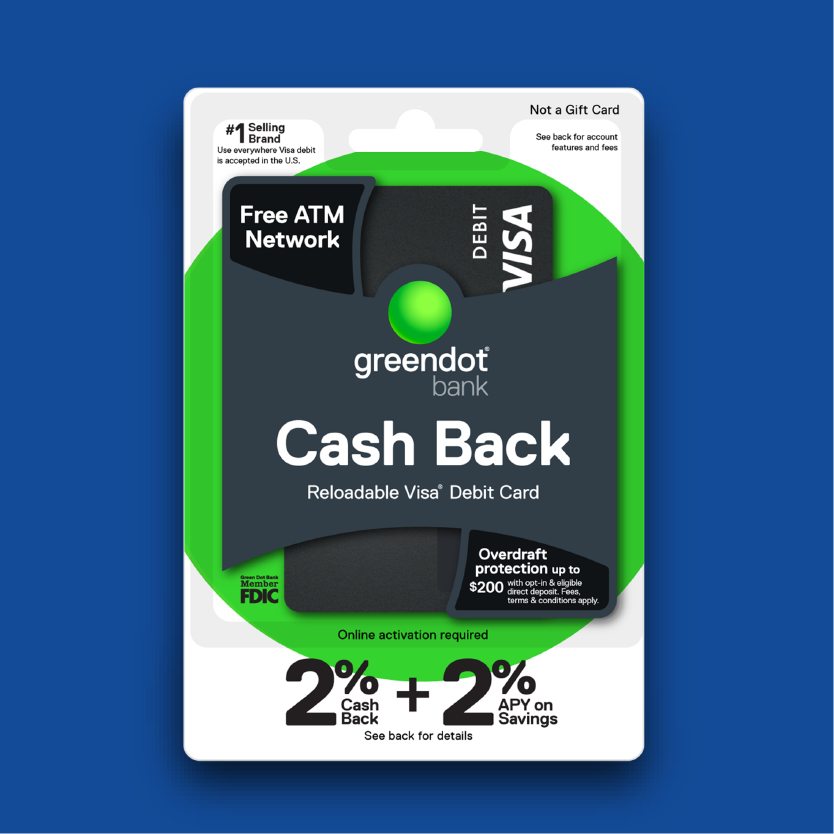
“Buying” a debit card typically refers to purchasing a prepaid or reloadable card. These tools function similarly to standard debit cards but are not always tethered to a traditional bank account. They offer flexibility, security, and accessibility for a wide range of financial needs.
Primary Locations to Purchase Prepaid Debit Cards
When the need for a liquid, card-based payment method arises, consumers have several reliable avenues to explore. The convenience of these locations ensures that almost anyone can access a debit-style payment tool within minutes.
Major Retail Chains and Big-Box Stores
The most common place to buy a debit card is at a local retail pharmacy or big-box store. Chains like Walmart, Target, CVS, Walgreens, and Rite Aid maintain extensive “Gift Card Malls” that include general-purpose reloadable (GPR) cards. These cards, often branded by major processors like Visa, Mastercard, or American Express, are available right off the shelf.
Buying a card at a retail location is straightforward. You select the card, take it to the register, and pay the “purchase fee”—which usually ranges from $3.00 to $6.00—along with the initial amount you wish to load onto the card. It is important to note that while these cards are available immediately, they often require online registration to unlock full “reloadable” features and higher spending limits.
Grocery Stores and Convenience Hubs
Supermarkets such as Kroger, Publix, and Safeway, as well as convenience store chains like 7-Eleven, are also primary hubs for purchasing debit cards. These locations are particularly useful for those who need to reload their cards frequently using cash. Many of these stores participate in networks like Green Dot or Vanilla Direct, allowing users to add funds to their existing cards at the point of sale.
Online Platforms and FinTech Providers
For those who do not require a physical card immediately, online FinTech (Financial Technology) companies offer some of the most sophisticated debit card products on the market. Providers like Netspend, Bluebird by American Express, and Chime allow users to request a card online. While you “buy” into the service by signing up, many of these cards do not have an upfront purchase fee if ordered through their websites. The card is then mailed to your residence, usually arriving within seven to ten business days.
Understanding the Different Types of Debit Cards Available
Not all debit cards are created equal. Depending on where you buy them and how they are structured, they serve very different financial purposes.
Prepaid Reloadable Cards (GPR)
General-purpose reloadable cards are the closest substitute for a traditional bank account. When you buy these cards, you are essentially opening a limited-service financial account. Once registered, these cards allow for direct deposit of paychecks, government benefits, and mobile check deposits. They are designed for long-term use and are a staple for the “unbanked” or “underbanked” population, as they do not typically require a credit check.
Non-Reloadable Prepaid Cards
Often sold as “Temporary” or “Gift” cards, these are purchased with a fixed amount of money and cannot be topped up once the balance is exhausted. These are ideal for one-time online purchases where you want to keep your primary bank details hidden, or as a controlled spending tool for travel. While they are convenient, they lack the robust features—such as ATM access or recurring bill pay—found in reloadable versions.
Virtual Debit Cards
In the digital age, you can “buy” a debit card that never physically exists. Virtual debit cards are generated through apps and online platforms. These are specifically designed for e-commerce security. Users can load funds onto a virtual card number, use it for a specific transaction, and then delete the card. This prevents retailers from holding your permanent financial information, significantly reducing the risk of fraud in the event of a data breach.
Business and Payroll Cards
Some debit cards are purchased or acquired through corporate channels. Business owners may buy sets of prepaid cards to distribute to employees for travel expenses or supplies. Similarly, some employers offer “payroll cards” as an alternative to paper checks, allowing employees to receive their earnings directly onto a debit card that can be used at any merchant accepting major credit cards.
Key Factors to Consider Before You Buy

While the ease of purchasing a debit card at a local store is a major benefit, consumers must exercise due diligence. Because these cards are financial products, they come with terms, conditions, and costs that can impact your bottom line.
The Fee Structure
The most significant disadvantage of many store-bought debit cards is the fee schedule. Before purchasing, look at the back of the packaging for the following:
-
Purchase Fee: The one-time cost to buy the physical card.
-
Monthly Maintenance Fee: A recurring charge for keeping the account active.
-
Reload Fees: The cost associated with adding more cash to the card at a retail location.
-
ATM Fees: Charges for withdrawing cash, which may be in addition to the fee charged by the ATM owner.
-
Inactivity Fees: Charges applied if the card is not used for a specific period (usually 90 days).
Network Compatibility
Ensure the card you buy is backed by a major network like Visa or Mastercard. This ensures universal acceptance at millions of merchants worldwide. Cards that operate on proprietary or smaller networks may limit your ability to use the card at certain gas stations, restaurants, or international websites.
Consumer Protections
Traditional debit cards linked to bank accounts are protected by Regulation E, which limits your liability for unauthorized transactions. Many high-quality prepaid cards offered by reputable brands provide similar protections, but only after the card has been registered with your personal information. If you buy a card and use it anonymously, you may have no recourse if the card is lost or stolen.
The Strategic Role of Purchased Debit Cards in Personal Finance
Beyond mere convenience, buying a debit card can be a savvy financial move. For many, these cards act as a “financial firewall” or a sophisticated budgeting tool.
Budgeting and Controlled Spending
One of the most effective ways to use a purchased debit card is for discretionary spending. By “buying” a card and loading it with a set amount of “fun money” each month, you create a hard limit on your spending. Once the card is empty, the spending stops. This is an excellent strategy for managing variable expenses like dining out, hobbies, or entertainment without the risk of overdrawing a main checking account.
Teaching Financial Responsibility
For parents, buying a prepaid debit card for a teenager is an excellent introductory step to financial management. It allows the minor to experience the digital economy—making online purchases or using a card at a store—while the parent maintains control over the funding. Many modern prepaid cards designed for families include apps that allow parents to track spending in real-time and set merchant restrictions.
Enhancing Privacy and Security
In an era of frequent cybersecurity threats, using a dedicated “purchased” debit card for online shopping adds a layer of security. If a website’s database is compromised, the hackers only gain access to a card with a limited balance, leaving your primary savings and checking accounts untouched. This “siloed” approach to money management is increasingly recommended by financial security experts.
How to Activate and Manage Your New Card
Once you have decided where to buy your debit card and have made the purchase, there are several steps to ensure the card is functional and secure.
The Activation Process
Retailers typically “activate” the card at the point of sale, meaning the funds you paid are now associated with the card. However, this does not mean the card is ready for all types of use. Most reloadable cards require a second step: calling a toll-free number or visiting a website to provide your Social Security Number and date of birth. This is a federal requirement under the USA PATRIOT Act to prevent money laundering and fraud.
Mobile App Integration
Almost every major prepaid card issuer provides a mobile app. After buying your card, downloading the associated app is essential. These apps allow you to:
-
Check your balance instantly.
-
Freeze the card if it is misplaced.
-
Set up alerts for every transaction.
-
Find the nearest low-cost or free reload locations.
Strategic Reloading
To minimize costs, plan your reloads. If your card charges $4.95 per cash reload, it is more cost-effective to load $500 once than $100 five times. Additionally, check if your card allows for free transfers from a traditional bank account or free direct deposit, as these methods can save you hundreds of dollars in retail fees over the course of a year.
Final Considerations on the Debit Landscape
Buying a debit card is no longer a niche activity for those without bank accounts; it is a mainstream financial choice for anyone seeking flexibility and security. Whether you pick one up at a local grocery store for a quick trip or carefully select a FinTech provider online for long-term budgeting, these tools offer a level of control that traditional banking sometimes lacks. By understanding the fee structures, network limitations, and security features, you can turn a simple store-bought card into a powerful asset in your personal finance toolkit.
aViewFromTheCave is a participant in the Amazon Services LLC Associates Program, an affiliate advertising program designed to provide a means for sites to earn advertising fees by advertising and linking to Amazon.com. Amazon, the Amazon logo, AmazonSupply, and the AmazonSupply logo are trademarks of Amazon.com, Inc. or its affiliates. As an Amazon Associate we earn affiliate commissions from qualifying purchases.