
Gift cards have evolved from simple last-minute presents into sophisticated financial instruments. For the modern consumer, knowing where to buy gift cards is no longer just about convenience; it is about understanding a complex ecosystem of retail channels, secondary markets, and digital platforms that can be leveraged for budgeting, reward optimization, and even secondary income. Whether you are looking to secure a gift for a loved one or seeking to maximize your personal finance strategy, the destination you choose for your purchase determines the level of security, value, and utility you receive.
Primary Retail Channels and Direct Acquisition
The most traditional and secure method for purchasing gift cards remains the primary retail market. This includes physical storefronts, big-box retailers, and the official websites of specific brands. Understanding the nuances of these channels is essential for anyone looking to integrate gift cards into their financial planning.
Big-Box Retailers and Supermarkets
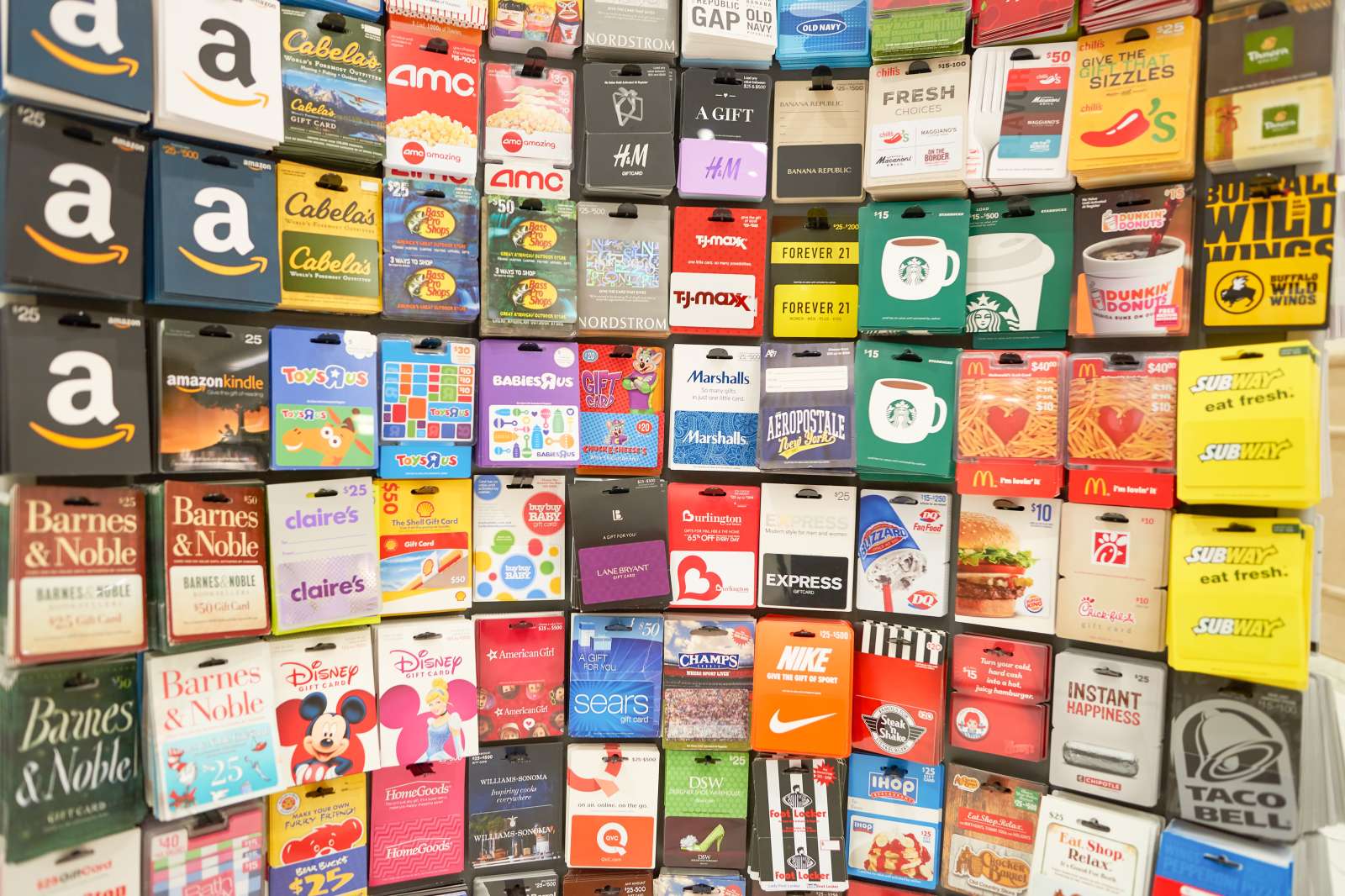
Big-box stores like Walmart, Target, and Costco, along with major supermarket chains such as Kroger, Safeway, and Publix, serve as central hubs for gift card distribution. These locations often feature “Gift Card Malls”—massive displays containing cards from hundreds of external brands ranging from restaurants and clothing stores to streaming services and gaming platforms.
From a financial perspective, buying gift cards at supermarkets is a high-utility move. Many credit cards offer category bonuses (often 3% to 6%) for spending at grocery stores. By purchasing gift cards for gasoline, home improvement, or electronics at a supermarket, a savvy consumer can effectively extend their grocery reward rate to categories that would otherwise only earn a standard 1% cashback.
Direct Brand Portals
Purchasing directly from a brand’s official website—such as Apple.com, Starbucks.com, or Amazon—is the gold standard for security. When you buy directly, the chain of custody is direct, minimizing the risk of tampering or fraud. This is particularly important for high-value cards. Furthermore, many brands offer “e-gift cards” that are delivered instantly via email, making them the most efficient choice for immediate needs or digital gifting.
Warehouse Clubs and Bulk Discounts
For those looking to maximize their purchasing power, warehouse clubs like Costco and Sam’s Club offer a unique financial advantage. These retailers frequently sell bundles of gift cards at a discount. For example, it is common to find $100 worth of restaurant or movie theater gift cards priced at $79.99 or $84.99. This represents an immediate 15% to 20% return on investment, a margin that is difficult to find through traditional savings or standard cashback programs.
Strategic Financial Benefits of Gift Card Integration
Integrating gift cards into your broader personal finance strategy offers more than just a convenient way to pay. It provides a structured approach to budgeting and an opportunity to exploit “financial arbitrage” through reward programs.
Leveraging Credit Card Rewards and Multipliers
As mentioned previously, the strategic purchase of gift cards can “manufacture” higher reward rates. If your financial institution offers a rotating 5% cashback category that currently includes home improvement stores, you can purchase gift cards for your favorite coffee shop or clothing retailer at that home improvement store. By doing so, you have effectively secured a 5% discount on all future purchases at those specific venues.
Budgeting and Controlled Spending
Gift cards are an excellent tool for the “envelope system” of budgeting, updated for the digital age. By purchasing a set amount in gift cards at the beginning of the month for discretionary spending categories—such as dining out, gaming, or apparel—you create a hard limit for your budget. Once the card balance is zero, the spending for that category stops. This prevents “budget creep” and helps individuals maintain strict control over their cash flow without needing to track every minor transaction in real-time.
Sinking Funds and Pre-Paid Expenses
Financial planners often recommend “sinking funds” for predictable future expenses. Gift cards can act as a physical or digital version of these funds. If you know you spend $200 every December on holiday decorations or $50 a month on a specific subscription service, pre-loading those funds onto gift cards during a period of high cash flow (like a bonus month or tax refund season) ensures those expenses are covered without impacting your future monthly liquidity.
The Secondary Market: Discounts and Arbitrage
One of the most dynamic sectors of the gift card industry is the secondary market. This is where unwanted gift cards are sold by their original owners and bought by savvy shoppers at a discount.

Discounted Gift Card Resellers
Platforms like Raise, CardCash, and GiftCardGranny have revolutionized how consumers view gift cards. These sites allow individuals to sell cards they don’t want for cash, which the platform then resells to other users at a discount. For a buyer, this is an opportunity to save anywhere from 1% to 30% on everyday purchases.
For instance, if you are planning a home renovation, purchasing a discounted Home Depot or Lowe’s gift card from a reseller can shave hundreds of dollars off your project costs. However, it is vital to use reputable platforms that offer a money-back guarantee (typically 45 to 90 days) to protect against cards that may have been drained by the original seller after the transaction.
Peer-to-Peer Exchange Platforms
Beyond dedicated reseller sites, peer-to-peer marketplaces like Reddit’s r/gcrexchange or various Facebook groups exist for the purpose of trading gift cards. While these platforms can offer even steeper discounts because they bypass middleman fees, they carry significantly higher risks. These transactions lack the institutional protections of a dedicated reseller, making them suitable only for experienced users who understand how to verify the legitimacy of a trade.
The Arbitrage Potential
For those interested in “side hustles” or minor online income, gift card arbitrage is a viable path. This involves buying cards during major sales events or through high-reward credit card windows and reselling them when demand is high. Alternatively, some users specialize in “trading up”—exchanging cards for brands that have higher liquidity or higher resale value.
Digital Ecosystems and Mobile Integration
The shift from physical plastic to digital codes has changed the “where” of buying gift cards. Now, the most common marketplace is often the device in your pocket.
Digital Wallets and Instant Issuance
Apple Wallet, Google Pay, and Samsung Pay have integrated gift card management directly into their ecosystems. Many third-party apps, such as Bitmo or Fold, allow users to buy digital gift cards instantly while standing in the checkout line. These apps often provide their own internal rewards (in the form of points or even Bitcoin), adding a third layer of savings on top of the merchant’s discount and the credit card’s rewards.
Subscription Management and App Stores
For many, the primary use of gift cards is to manage digital subscriptions. Buying Apple or Google Play gift cards allows users to maintain a balance that covers iCloud storage, Netflix, Spotify, or mobile games. This is a particularly effective strategy for families; parents can provide children with a set amount of “app store credit” via a gift card, eliminating the risk of unauthorized charges on a primary credit card.
Corporate and Incentive Portals
Many employees have access to “perk” portals through their workplace (such as Perkspot or Fond). These portals often offer gift cards at a 5% to 10% discount as part of an employee benefits package. Before looking at public retailers, checking a corporate portal is a professional necessity for any worker looking to maximize their income’s purchasing power.
Security Protocols and Fraud Prevention
While gift cards are powerful financial tools, they are also targets for sophisticated fraud. Protecting your capital requires a disciplined approach to where and how you purchase these assets.
Identifying and Avoiding Common Scams
The most prevalent gift card scam involves “tampering” in physical retail stores. Scammers will visit a store, record the numbers and CVVs of cards on the rack, and wait for a customer to activate them. Once the card is loaded with funds at the register, the scammer uses the recorded information to drain the balance online before the customer even gets home. To prevent this, always inspect the packaging for signs of tampering and, if possible, buy cards from behind the counter or from a high-traffic area where the racks are under constant surveillance.
Digital Security and Storage
For e-gift cards, the primary risk is email compromise. If a fraudster gains access to your email account, they can easily search for gift card delivery notices and steal the codes. Utilizing two-factor authentication (2FA) on your email and storing your gift card codes in a dedicated, password-protected digital wallet or a secure password manager is essential.

Verification and Receipts
Whenever you buy a gift card, especially a high-value one, retain the physical receipt until the balance is fully spent. In the event of a technical error or a balance discrepancy, the receipt is your only proof of purchase. Many retailers and card issuers cannot assist with a missing balance unless you can provide the transaction details found on the original paper receipt.
By viewing gift cards through a financial lens, they stop being a simple commodity and start being a strategic asset. Whether you are leveraging grocery store multipliers, hunting for 20% discounts at warehouse clubs, or managing your monthly discretionary spending through digital wallets, the “where” of your gift card purchase is the foundation of a smarter, more efficient financial life.
aViewFromTheCave is a participant in the Amazon Services LLC Associates Program, an affiliate advertising program designed to provide a means for sites to earn advertising fees by advertising and linking to Amazon.com. Amazon, the Amazon logo, AmazonSupply, and the AmazonSupply logo are trademarks of Amazon.com, Inc. or its affiliates. As an Amazon Associate we earn affiliate commissions from qualifying purchases.