
American Express, often referred to simply as Amex, has long been a symbol of financial prestige and premium rewards. For decades, the brand was synonymous with luxury travel and high-end dining, often carrying a reputation for limited acceptance compared to its competitors, Visa and Mastercard. However, the landscape of global commerce has shifted dramatically. In recent years, American Express has undergone a massive expansion of its merchant network, aiming for “parity acceptance” in the United States and significantly bolstering its footprint internationally. For the modern consumer or business owner, understanding exactly where Amex is accepted is no longer just about finding a place to swipe a card; it is about strategically managing a financial tool to maximize cash back, Membership Rewards points, and consumer protections.
The Evolution of the American Express Merchant Network
To understand where Amex is accepted today, one must first understand the financial mechanics that historically limited its reach. American Express operates as both a card issuer and a payment network. Unlike Visa or Mastercard, which act as intermediaries between banks, Amex traditionally handled every step of the transaction. This closed-loop system allowed them to charge higher merchant discount rates—the fees businesses pay to process a transaction—in exchange for delivering “high-spending” customers to the merchant’s door.
The Push for Domestic Parity
In the mid-2010s, American Express launched an aggressive campaign to close the acceptance gap in the United States. Through initiatives like the OptBlue program, which allowed third-party processors to set rates for small businesses, the company made it more affordable and accessible for local “mom-and-pop” shops to accept the card. As of the current financial year, American Express claims that 99% of merchants in the U.S. who accept credit cards now accept Amex. This includes virtually every major national retailer, grocery chain, and service provider.
International Expansion and Global Partnerships
While domestic acceptance has reached near-total saturation, international acceptance remains a more nuanced topic. In regions like Western Europe, Canada, and Australia, acceptance is high in metropolitan areas and tourist hubs. However, Amex has been working feverishly to expand in emerging markets. By partnering with local banks and payment processors in Asia and Latin America, they have increased their merchant count by millions of locations annually. For the international traveler, the rule of thumb has shifted: while a backup Visa or Mastercard is still recommended for rural areas, the “Amex-only” lifestyle is increasingly viable in global financial centers.
Navigating Major Merchant Categories
For the savvy cardholder, knowing that a card is “accepted” is the baseline. The real financial value lies in knowing which categories offer the best returns on spend. American Express cards are often tiered to provide outsized rewards at specific types of merchants, making the question of acceptance a gateway to optimized personal finance.
Major Retailers and Big-Box Stores
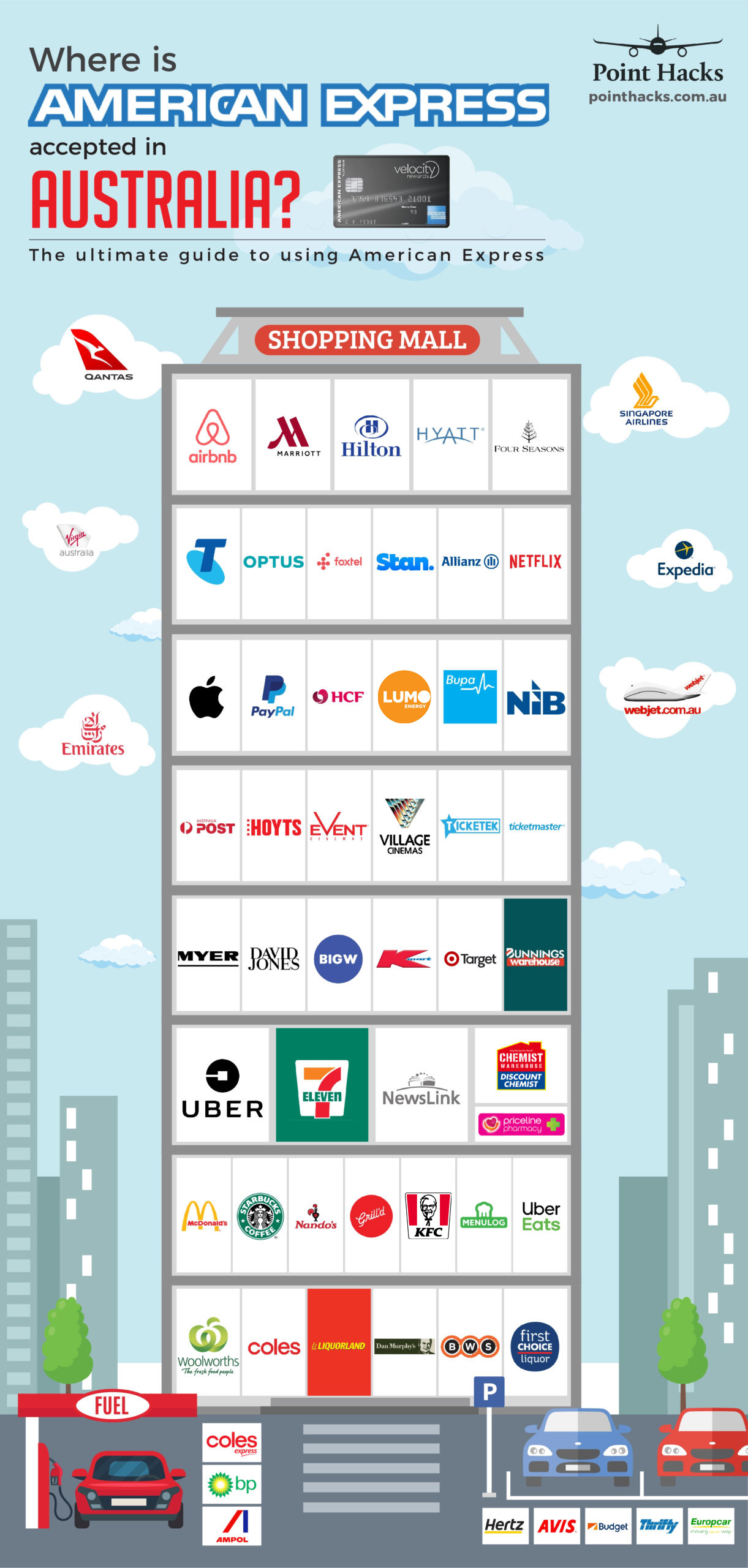
In the United States, acceptance among major retailers is essentially universal. This includes giants like Amazon, Walmart, Target, Home Depot, and Best Buy. For personal finance management, this is critical because these retailers often represent the bulk of a household’s discretionary spending. Furthermore, wholesale clubs like Sam’s Club accept Amex, though it is worth noting that Costco famously maintains an exclusive partnership with Visa, making it one of the few major holdouts in the retail sector.
Travel and Hospitality: The Amex Stronghold
The travel industry remains the home turf for American Express. Almost every major airline, from Delta and United to international carriers like Emirates and Lufthansa, accepts Amex for ticket purchases. Similarly, global hotel chains such as Marriott, Hilton, and Hyatt are fully integrated into the Amex ecosystem. Because Amex cards often provide travel insurance, car rental loss and damage insurance, and trip delay protections, using the card at these merchants is not just about acceptance—it is a risk management strategy.
Dining and Small Businesses
The dining sector has seen the most significant growth in Amex acceptance over the last decade. From Michelin-starred restaurants to fast-food chains like McDonald’s and Starbucks, the “Blue Box” logo is ubiquitous. To support smaller merchants, Amex established the “Shop Small” movement and Small Business Saturday. This initiative incentivizes cardholders to spend at local boutiques and independent cafes, further encouraging these small business owners to keep Amex in their payment stack.
Understanding the “Why” Behind Acceptance Gaps
Despite the 99% parity in the U.S., you may still encounter the occasional “No Amex” sign. Understanding why this happens is essential for business finance and personal planning.

The Merchant Discount Rate (MDR)
The primary reason a business might decline Amex is the cost. Historically, Amex charged merchants between 2.5% and 3.5% per transaction, while Visa and Mastercard were often closer to 1.5% to 2.5%. For a business operating on thin margins—such as a local grocery store or a discount wholesaler—that 1% difference can represent a significant portion of their net profit. While Amex has lowered these fees to become more competitive, the perception of high costs still lingers in some sectors.
Regional Infrastructure and Local Networks
In many European and Asian countries, local debit networks dominate the market. For instance, in Germany, many smaller shops prefer the “Girocard” system, and in China, AliPay and WeChat Pay are the primary modes of commerce. In these environments, any international credit card (including Visa and Mastercard) might face hurdles. However, as digital wallets like Apple Pay and Google Pay become more common, Amex acceptance often follows, as these wallets can bridge the gap between the physical card and the merchant’s terminal.
Strategic Spending: Maximizing Rewards Through Acceptance
Identifying where Amex is accepted is the first step toward a sophisticated rewards strategy. If you are using an Amex Gold Card, for instance, your goal should be to direct as much of your “Dining” and “U.S. Supermarket” spend as possible to merchants that accept the card to earn 4x Membership Rewards points.
Utilizing Digital Wallets
One of the most effective ways to test Amex acceptance without the social friction of a declined card is through a digital wallet. If a merchant’s point-of-sale (POS) system accepts contactless payments, there is a high probability it will process an Amex card stored in your phone. This technology hides the specific “brand” of the card from the merchant’s immediate view until the transaction is authorized, often bypassing older restrictions that might have been manually set by a shop owner.
The Role of Amex Offers
Acceptance also extends into the digital realm via “Amex Offers.” These are targeted discounts and point bonuses available through the American Express app or website. By checking these offers, cardholders can find specific merchants—ranging from insurance providers to clothing retailers—where using their card provides an immediate financial return, such as $50 back on a $200 purchase. This turns the question of “where is Amex accepted?” into “where can I get the most value for my Amex spend?”
The Future of the Amex Ecosystem
As we look toward the future of business finance and consumer spending, the reach of American Express is poised to grow even further. The company is heavily investing in fintech partnerships and B2B (business-to-business) payment solutions.
B2B and Corporate Spending
For business owners, Amex is increasingly accepted by suppliers and service providers. Many B2B companies now accept the Amex Business Gold or Business Platinum cards for high-spend categories like online advertising, shipping, and cloud computing services. This allows businesses to float their expenses for up to 30-60 days while earning massive amounts of points that can be reinvested into travel or employee perks.
The Global Standardization of Payments
As global payment standards like EMV (chip technology) and NFC (contactless) become the worldwide norm, the technical barriers to accepting American Express are dissolving. Most modern credit card terminals come pre-configured to accept all major networks. The financial friction is moving from “can we accept it?” to “should we accept it?”, and for most businesses, the answer is increasingly “yes” because of the high average transaction value associated with Amex cardholders.
Conclusion: A Tool for the Informed Consumer
While the days of wondering if your American Express card will be “taken” are largely over in the United States, the strategic cardholder remains vigilant. In the world of personal finance, the goal is to align your spending with your rewards goals. Knowing that Amex is accepted at your local supermarket, your favorite airline, and your business’s primary shipping vendor allows you to consolidate your spending and accelerate your path to financial rewards.
Whether you are navigating the streets of New York or a capital city abroad, American Express has worked tirelessly to ensure that its “Member Since” badge is backed by a network that spans the globe. By understanding the mechanics of merchant fees, the benefits of digital wallets, and the specific categories where Amex shines, you can turn every transaction into a calculated step toward your broader financial objectives. The “Blue Box” is no longer an exclusive club with a narrow door; it is a global key to a vast and rewarding financial landscape.
aViewFromTheCave is a participant in the Amazon Services LLC Associates Program, an affiliate advertising program designed to provide a means for sites to earn advertising fees by advertising and linking to Amazon.com. Amazon, the Amazon logo, AmazonSupply, and the AmazonSupply logo are trademarks of Amazon.com, Inc. or its affiliates. As an Amazon Associate we earn affiliate commissions from qualifying purchases.