
The culinary world is a vast landscape, filled with a myriad of cuts, preparations, and cooking techniques. For many, the term “steak” evokes images of prime ribeye, elegant filet mignon, or the robust flavor of a New York strip. However, beyond these well-trodden paths lies a treasure trove of less celebrated, yet equally delicious and often more accessible, cuts. Among these is the chuck tender steak, a cut that has been gaining traction for its versatility, flavor, and surprisingly affordable price point.
But what exactly is a chuck tender steak, and why should it matter to you, whether you’re a home cook looking to elevate your weeknight dinners or a savvy investor keeping an eye on market trends and consumer behavior? This article will delve deep into the nature of this cut, exploring its origins, its culinary merits, and how understanding such niche products can even offer insights into broader economic and branding landscapes.
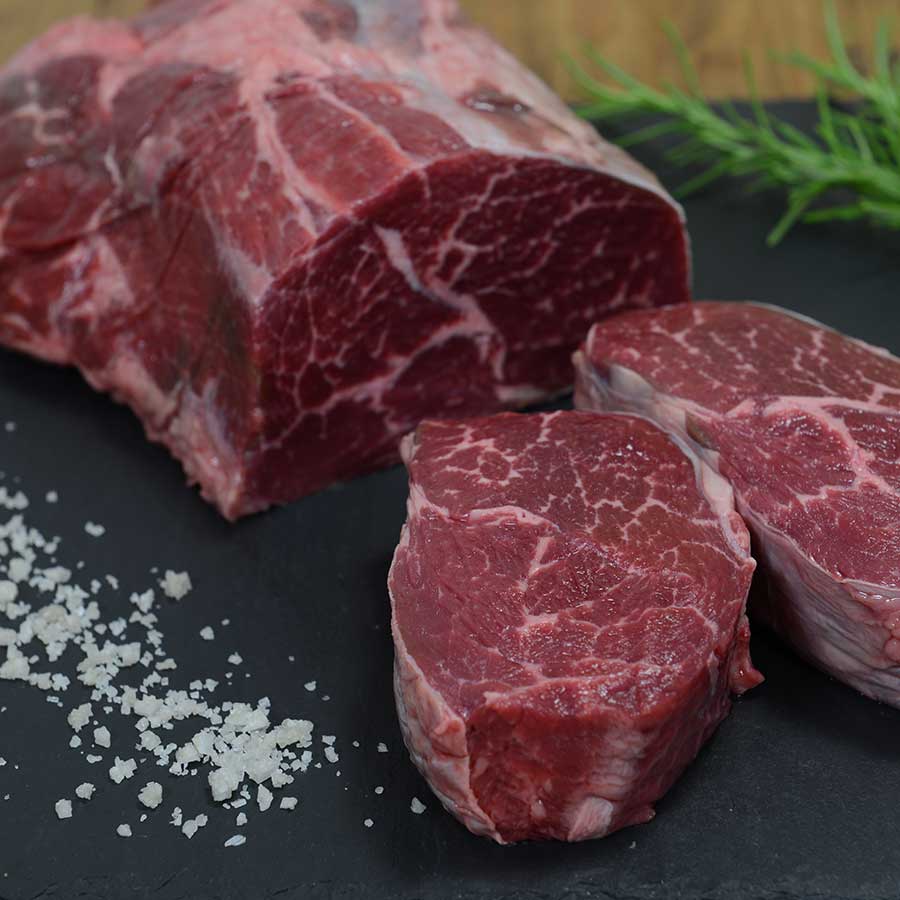
Understanding the Anatomy: Where Does Chuck Tender Steak Come From?
To truly appreciate the chuck tender steak, we must first understand its anatomical origins. This cut hails from the chuck primal, a large section of beef located in the shoulder area of the cow. The chuck is known for its rich marbling, connective tissue, and robust flavor – characteristics that lend themselves to slow-cooking methods. However, within this broader primal, specific muscles are identified and separated for different culinary purposes.
The Chuck Primal: A Foundation of Flavor
The chuck primal is a significant contributor to the overall beef carcass, representing a substantial portion of the animal. It’s characterized by its well-developed muscles, as the cow’s shoulder and neck are constantly in use. This muscular activity means that some cuts from the chuck can be tougher than those from more docile areas like the loin. However, this also means they often possess a deeper, more intense beefy flavor.
Traditionally, many cuts from the chuck primal have been destined for ground beef, roasts, or stew meat. This is due to the presence of connective tissues that, when subjected to prolonged, moist heat, break down into gelatin, resulting in tender and succulent dishes. However, advancements in butchery and a growing appreciation for nuanced beef cuts have led to the identification and marketing of specific steaks within the chuck.
The “Tender” in Chuck Tender: Identifying the Muscle
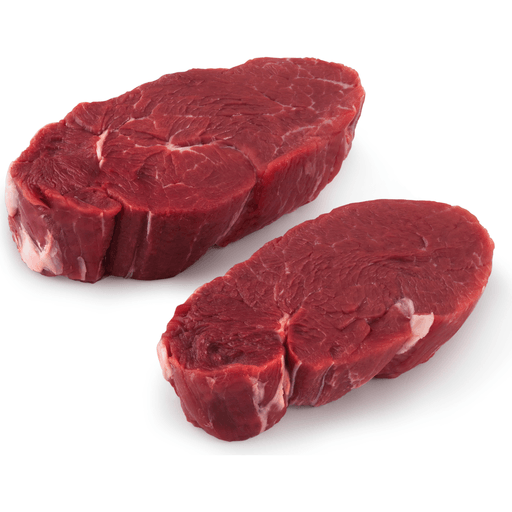
The chuck tender steak, also known by various other names such as the flat iron steak, oyster blade steak, or top blade steak (though there can be subtle distinctions between these depending on the butcher), is derived from the top blade muscle within the chuck primal. This muscle lies just above the shoulder blade.
What makes the chuck tender stand out from other chuck cuts is its relative tenderness. Unlike some of its chuck brethren, the top blade muscle is less worked, meaning it has less tough connective tissue. Furthermore, its intramuscular fat, or marbling, can be significant, contributing to both flavor and moisture. While it might not possess the same buttery tenderness as a filet mignon, it offers a satisfying chew and a rich, beefy taste that many steak enthusiasts find compelling.
The butchering process is crucial here. Often, the chuck tender is meticulously separated from the surrounding connective tissue and the thin membrane that can run through it. This careful preparation is what elevates it from a less desirable cut to a steak worthy of pan-searing or grilling.
The Culinary Appeal: Why Choose Chuck Tender?
The rise in popularity of the chuck tender steak is not accidental. It’s a confluence of factors that appeal to both the home cook and the discerning diner. Its flavor profile, adaptability to different cooking methods, and, crucially, its economic advantage make it a compelling choice.
Flavor and Texture: A Deeper, Richer Experience
When cooked correctly, the chuck tender steak delivers a powerful, classic beefy flavor. This is due to the muscle’s inherent characteristics and its marbling. The fat melts during cooking, basting the meat from within and carrying flavor compounds throughout the steak. This results in a more robust and complex taste compared to leaner, more premium cuts that might prioritize tenderness over depth of flavor.
In terms of texture, the chuck tender offers a pleasant chew. It’s not as melt-in-your-mouth as a filet mignon, nor is it as firm as a flank steak. Instead, it presents a satisfying bite that is tender enough to be enjoyable while still offering a sense of substance. This makes it a steak that feels substantial and fulfilling.
Versatility in the Kitchen: From Weeknight to Weekend
One of the hallmarks of a great cut of meat is its versatility, and the chuck tender steak truly shines in this regard. It can be prepared in several ways, making it adaptable to various culinary occasions and preferences.
- Pan-Searing: This is perhaps the most popular method for cooking a chuck tender steak. A hot cast-iron skillet, a touch of oil, and a few minutes per side are all that’s needed to achieve a beautiful crust and a perfectly cooked interior. Resting the steak afterward is crucial to allow the juices to redistribute.
- Grilling: Similar to pan-searing, grilling imparts a smoky flavor and attractive grill marks. Medium-high heat is recommended to achieve a good sear without overcooking the interior.
- Marinating: While chuck tender is flavorful on its own, a marinade can further enhance its taste and tenderness, especially if you’re looking to experiment with different flavor profiles. Acidic ingredients in marinades, like vinegar or citrus juice, can help break down some of the muscle fibers, contributing to tenderness.
- Stir-frying and Slicing: Thinly sliced chuck tender steak is excellent for stir-fries, fajitas, or even philly cheesesteaks. Its ability to hold up to quick cooking without becoming tough makes it an ideal choice for these applications.
The Economic Advantage: Value for Money
Perhaps one of the most significant drivers of the chuck tender steak’s growing popularity is its economic value. Compared to prime cuts like ribeye, New York strip, or filet mignon, the chuck tender is considerably more affordable. This price difference doesn’t necessarily reflect a compromise in quality, but rather a reflection of its origin and market perception.
For consumers looking to enjoy a delicious steak dinner without breaking the bank, the chuck tender offers an exceptional balance of flavor, texture, and price. This economic accessibility democratizes the steak experience, making it more achievable for a wider audience.
The Broader Implications: Beyond the Butcher Block
Understanding the chuck tender steak isn’t just about satisfying your culinary curiosity. It can offer valuable insights into broader economic and branding trends, especially within the context of the website’s core topics of Tech, Brand, and Money.
Brand Building and Consumer Perception: The Rise of the “Underdog”
The journey of the chuck tender steak from a less recognized cut to a popular choice is a compelling case study in brand strategy and consumer perception. For years, certain cuts were relegated to specific uses due to ingrained perceptions. However, through effective marketing, culinary education, and a willingness of butchers and chefs to showcase their potential, the chuck tender has been “rebranded” as a desirable option.
This mirrors how many tech startups and innovative products begin as “underdogs.” By focusing on quality, unique selling propositions, and smart communication, they can carve out a significant market share. The “brand” of the chuck tender has evolved from “stew meat” or “ground beef” to “flavorful, affordable steak.” This shift is driven by:
- Product Differentiation: Highlighting its unique flavor and texture attributes.
- Targeted Marketing: Reaching out to home cooks seeking value and flavor.
- Education: Providing recipes and cooking tips to showcase its potential.
- Perception Management: Shifting the narrative from “tough” to “flavorful and tender when prepared properly.”
This evolution is a testament to how understanding and manipulating consumer perception, coupled with a solid product, can lead to significant success. It’s a lesson applicable to anything from a new software application (how to position its features) to a personal brand (how to highlight unique skills).
Technology’s Role in the Food Industry: From Farm to Table and Beyond
While the chuck tender steak itself is a traditional product, the technology surrounding its production, distribution, and even appreciation is rapidly evolving.
- Precision Butchery: Advanced butchery techniques, often informed by anatomical understanding and potentially aided by digital tools that analyze muscle structure, allow for more precise identification and separation of cuts like the chuck tender.
- Supply Chain Management: Technology plays a vital role in the efficient tracking and transportation of meat products, ensuring freshness and quality from farm to consumer. This includes sophisticated logistics software and temperature-controlled supply chains.
- Consumer Education and Discovery: Online platforms, social media, and dedicated food blogs are crucial in educating consumers about different cuts of meat, like the chuck tender. AI-powered recipe generators and personalized cooking apps can even suggest optimal ways to prepare it based on user preferences and available ingredients.
- Digital Security in Food Production: While less direct, the broader tech landscape’s emphasis on digital security impacts all industries. Ensuring the integrity of data within food production and supply chains, from farm records to point-of-sale systems, is increasingly important.
Financial Insights: Value Investing in Everyday Choices
The economic aspect of the chuck tender steak resonates strongly with principles of personal finance and value investing. For individuals, choosing a chuck tender steak over a more expensive cut is a form of “value investing” in their own meals. It’s about making a smart financial decision that prioritizes taste and satisfaction without overspending.
On a larger scale, the popularity of affordable yet high-quality products like the chuck tender steak can reflect broader economic conditions. When consumers are more price-conscious, they gravitate towards options that offer the best bang for their buck. This trend can be an indicator for businesses about where consumer spending is shifting.
From a business finance perspective, understanding these niche product trends can inform inventory management, marketing strategies, and product development. A butcher shop or a grocery store that recognizes the growing demand for chuck tender can strategically stock and promote it, leading to increased sales and profitability. This is akin to identifying an undervalued asset in the stock market – a product with high potential that is currently priced attractively relative to its perceived value.
Conclusion: A Savvy Choice for Your Plate and Your Pocket
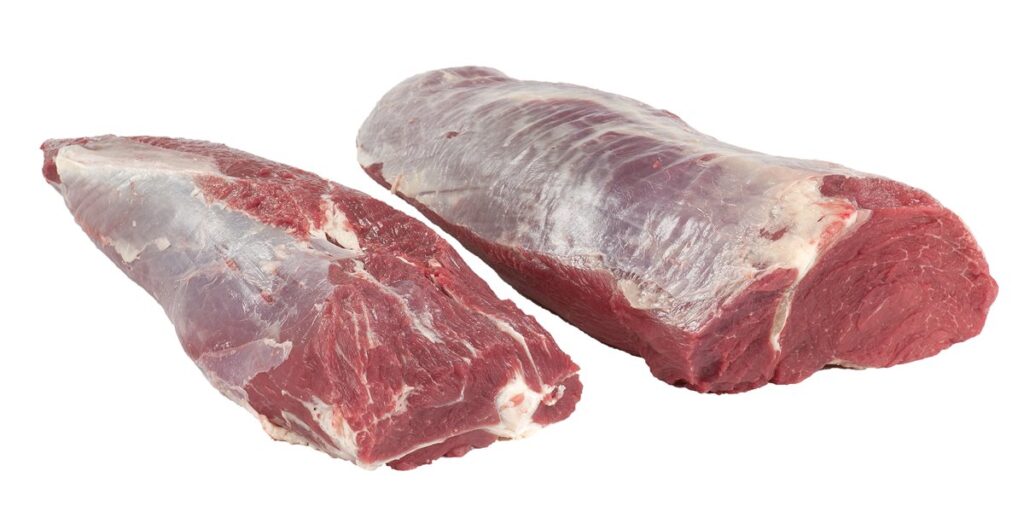
The chuck tender steak, a gem from the humble chuck primal, is far more than just a cut of meat. It represents a delicious intersection of flavor, affordability, and culinary versatility. For the home cook, it offers a gateway to impressive steak dinners without the premium price tag. For the discerning consumer, it’s a testament to the fact that exceptional taste doesn’t always come with an exorbitant cost.
Beyond the kitchen, understanding the rise of the chuck tender steak provides a fascinating lens through which to view market dynamics. It showcases the power of strategic branding, the pervasive influence of technology in even the most traditional industries, and the fundamental principles of making financially savvy choices. Whether you’re deciding what to grill for dinner or analyzing consumer behavior, the humble chuck tender steak offers valuable lessons for us all. So, the next time you’re at the butcher counter, don’t overlook this flavorful and budget-friendly option – you might just discover your new favorite steak.
aViewFromTheCave is a participant in the Amazon Services LLC Associates Program, an affiliate advertising program designed to provide a means for sites to earn advertising fees by advertising and linking to Amazon.com. Amazon, the Amazon logo, AmazonSupply, and the AmazonSupply logo are trademarks of Amazon.com, Inc. or its affiliates. As an Amazon Associate we earn affiliate commissions from qualifying purchases.