
In the modern financial landscape, gift cards have evolved from simple birthday gestures into a significant alternative currency. Billions of dollars are loaded onto these plastic and digital instruments annually, representing a massive pool of consumer purchasing power. However, a staggering percentage of this value remains unspent, often due to a lack of awareness regarding remaining balances. In the context of personal finance and asset management, a gift card is not merely a “coupon”; it is a cash equivalent that requires diligent tracking to ensure no value is lost to expiration or inflation.
Checking your gift card balance is the first step in effective financial hygiene. Whether you are holding a “closed-loop” card specific to a single retailer or an “open-loop” card like a Visa or Mastercard prepaid debit card, understanding how to verify and manage these funds is essential for maximizing your net worth and optimizing your household budget.
The Financial Importance of Tracking Your Gift Card Balances
From a personal finance perspective, an unchecked gift card balance represents “dormant capital.” While $10 or $20 may seem insignificant in isolation, the aggregate value of forgotten balances across a household can be substantial. Understanding the mechanics of these balances is crucial for several reasons.
Gift Cards as Liquid Assets
Financial literacy involves recognizing all forms of liquidity. A gift card is a pre-funded instrument that reduces the need for cash outlays for specific categories of spending. For instance, a $50 grocery store gift card is functionally identical to $50 in a checking account when it comes to meeting essential needs. By checking your balances regularly, you can incorporate these funds into your monthly budget, allowing you to divert the equivalent amount of cash into high-yield savings accounts or investment vehicles.
Avoiding the Pitfalls of Unused Balances and Escheatment
One of the greatest risks to gift card value is “breakage”—a term retailers use to describe the revenue they recognize from gift cards that are never redeemed. Furthermore, depending on the jurisdiction and the type of card, funds can eventually be subject to escheatment laws, where unclaimed property is turned over to the state.
While the Federal CARD Act of 2009 provided significant protections—stipulating that gift cards generally cannot expire for at least five years—inactivity fees can still erode the balance of certain “open-loop” cards if they are not used within a specific timeframe (usually 12 months). Regularly checking your balance ensures that you remain aware of the asset’s status and can deploy it before fees begin to diminish its value.
Standard Methods for Verifying Gift Card Funds
The process of verifying a balance varies depending on the issuer and the technology behind the card. Most modern financial instruments offer three primary avenues for balance inquiries, each with its own set of security considerations.
Official Issuer Websites and Portals
The most direct and common method for checking a balance is through the issuer’s official website. For major retailers like Amazon, Target, or Starbucks, this typically involves logging into a customer account and navigating to a “Gift Cards” or “Payments” section.
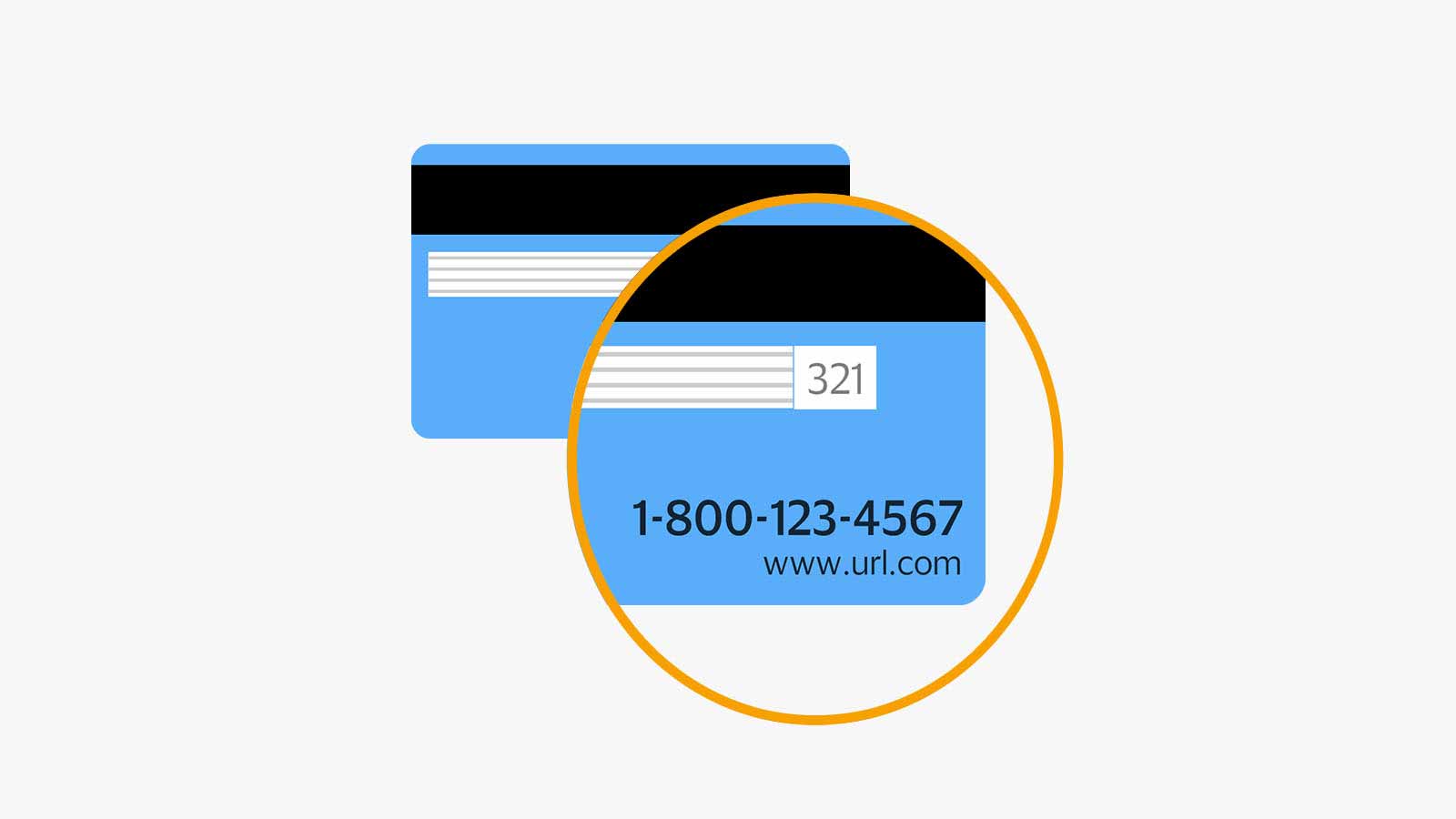
For “open-loop” cards (Visa, Mastercard, American Express), the back of the card will list a specific URL dedicated to balance management. When using these portals, you will generally be required to enter the 16-digit card number and a security code (CVV or PIN), which is often hidden under a scratch-off coating. It is a best practice to check these balances on a private, secure connection to prevent the interception of card data.
Mobile Banking and Dedicated Wallet Apps
In the era of fintech, many consumers manage gift cards through digital wallets such as Apple Wallet, Google Pay, or proprietary merchant apps. These apps often provide real-time balance updates. For example, once a gift card is “loaded” into a coffee shop or fast-food app, the balance is tracked automatically after every transaction. This method is highly recommended for personal finance management because it provides a visual reminder of the available funds every time you open the app, reducing the likelihood that the balance will be forgotten.
In-Store Verification and Customer Service

For those who prefer a traditional approach, almost any physical retail location can check the balance of their own brand’s gift card at the point of sale. A cashier can scan the barcode and provide a printed receipt showing the remaining funds. Additionally, most cards feature a toll-free customer service number on the back. While automated phone systems can be more time-consuming than a website, they are a reliable fallback if an online portal is down or if the card’s physical condition makes the web address difficult to read.
Protecting Your Financial Security During the Verification Process
As gift cards are effectively cash, they are prime targets for fraudsters. Managing your balances requires a level of security awareness similar to that used for online banking.
Recognizing “Balance Checker” Scams
A common pitfall for many consumers is the use of third-party “balance checker” websites. These sites often appear in search engine results and claim to offer a one-stop shop for checking any gift card balance. In reality, many of these sites are phishing operations designed to steal your card number and PIN.
Once you enter your information into a fraudulent site, the scammers can instantly drain the funds before you have a chance to spend them. To protect your finances, only use the official website printed on the back of the card or the retailer’s verified mobile app. Never provide gift card details to an unverified third party.
The Importance of Physical Security and Receipt Retention
Treat a physical gift card with the same care you would treat a $100 bill. If the card is lost or stolen, the funds are usually gone unless you have registered the card or kept the original purchase receipt. From a financial management standpoint, it is wise to take a photo of the front and back of the card and save it alongside the digital or physical receipt. Many issuers will replace a lost card if you can provide the original purchase data and the card identification numbers, preserving your asset in the event of a mishap.
Strategic Ways to Use Small or Remaining Balances
One of the most common challenges in gift card management is the “micro-balance”—the $1.43 or $0.75 left on a card that isn’t enough to cover a full purchase. These small amounts are a major source of “breakage” for corporations and a missed opportunity for the consumer.
Consolidating Balances into Digital Wallets
Certain platforms allow you to “sweep” small balances into a single account. For example, Amazon allows users to “Reload Your Balance” with the exact amount remaining on a prepaid Visa or Mastercard. If you have a $3.12 balance on a prepaid card, you can use it to buy an Amazon gift card for exactly $3.12, which is then added to your main account. This consolidates fragmented funds into a more usable pool of capital.
Gift Card Exchange Platforms and Secondary Markets
If you have a balance on a card for a retailer you do not frequent, consider the secondary market. Various reputable platforms allow you to sell gift cards for cash (usually at 80% to 92% of the face value) or trade them for cards from other retailers. While you take a small haircut on the value, converting a $100 card you won’t use into $85 in cash is a net positive for your liquid savings.
Charitable Contributions and Micro-Investing
Some organizations allow you to donate small gift card balances to charity. This not only clears the “clutter” from your financial portfolio but may also provide a small tax deduction, depending on your local regulations and the platform’s status. Alternatively, some micro-investing apps allow for the integration of rewards or gift card values to be funneled into fractional shares of stock, turning a stagnant gift card into a productive, growing asset.

Maximizing the Value of Your Gift Card Portfolio
To truly master your personal finances, you must view gift cards as a component of your overall wealth. This means maintaining an inventory—perhaps a simple spreadsheet or a note in your phone—listing the issuer, the current balance, and the expiration date (if any).
By checking your gift card balances regularly, you ensure that you are not leaving money on the table. You transform these often-overlooked slivers of value into a strategic tool for budgeting, saving, and spending. In a world where every dollar counts toward your financial goals, “finding” money you already own is the simplest investment return you will ever achieve. Consistent monitoring, secure verification practices, and creative redemption strategies are the hallmarks of a financially savvy consumer who understands that even a small balance is a resource worth protecting.
aViewFromTheCave is a participant in the Amazon Services LLC Associates Program, an affiliate advertising program designed to provide a means for sites to earn advertising fees by advertising and linking to Amazon.com. Amazon, the Amazon logo, AmazonSupply, and the AmazonSupply logo are trademarks of Amazon.com, Inc. or its affiliates. As an Amazon Associate we earn affiliate commissions from qualifying purchases.