
Gift cards have evolved from simple last-minute presents into a massive secondary economy. Often referred to as “stored value cards,” they represent billions of dollars in consumer purchasing power. However, a significant portion of this wealth remains stagnant in drawers and digital wallets because consumers lack a streamlined process for tracking and verifying their balances. Understanding how to check the balance of a gift card is more than a simple administrative task; it is a fundamental component of modern personal finance management and asset optimization.
Whether you are holding a “closed-loop” card specific to a single retailer or an “open-loop” card that functions like a debit card across multiple platforms, knowing exactly how much liquidity you have is the first step toward preventing “breakage”—the industry term for funds that go unspent and eventually revert to the issuer or the state.
Understanding the Landscape of Gift Card Types
Before diving into the mechanics of checking a balance, it is essential to categorize the financial instrument in your hand. Not all gift cards are created equal, and their verification methods vary based on their underlying financial architecture.
Open-Loop vs. Closed-Loop Cards
An open-loop gift card is one that is issued by a major credit card network such as Visa, Mastercard, American Express, or Discover. These cards are essentially prepaid debit cards that can be used anywhere the network is accepted. Because they are processed through global banking systems, checking their balance often requires visiting a specific portal managed by the issuing bank (such as MetaBank or Pathward) rather than a retail store.
Closed-loop cards, conversely, are restricted to a specific merchant or a family of brands. Examples include Amazon, Starbucks, or Home Depot cards. These are managed through the retailer’s internal ledger system. The process for checking these balances is typically more integrated into the brand’s own website or mobile application.
The Role of the CVV and Security Code
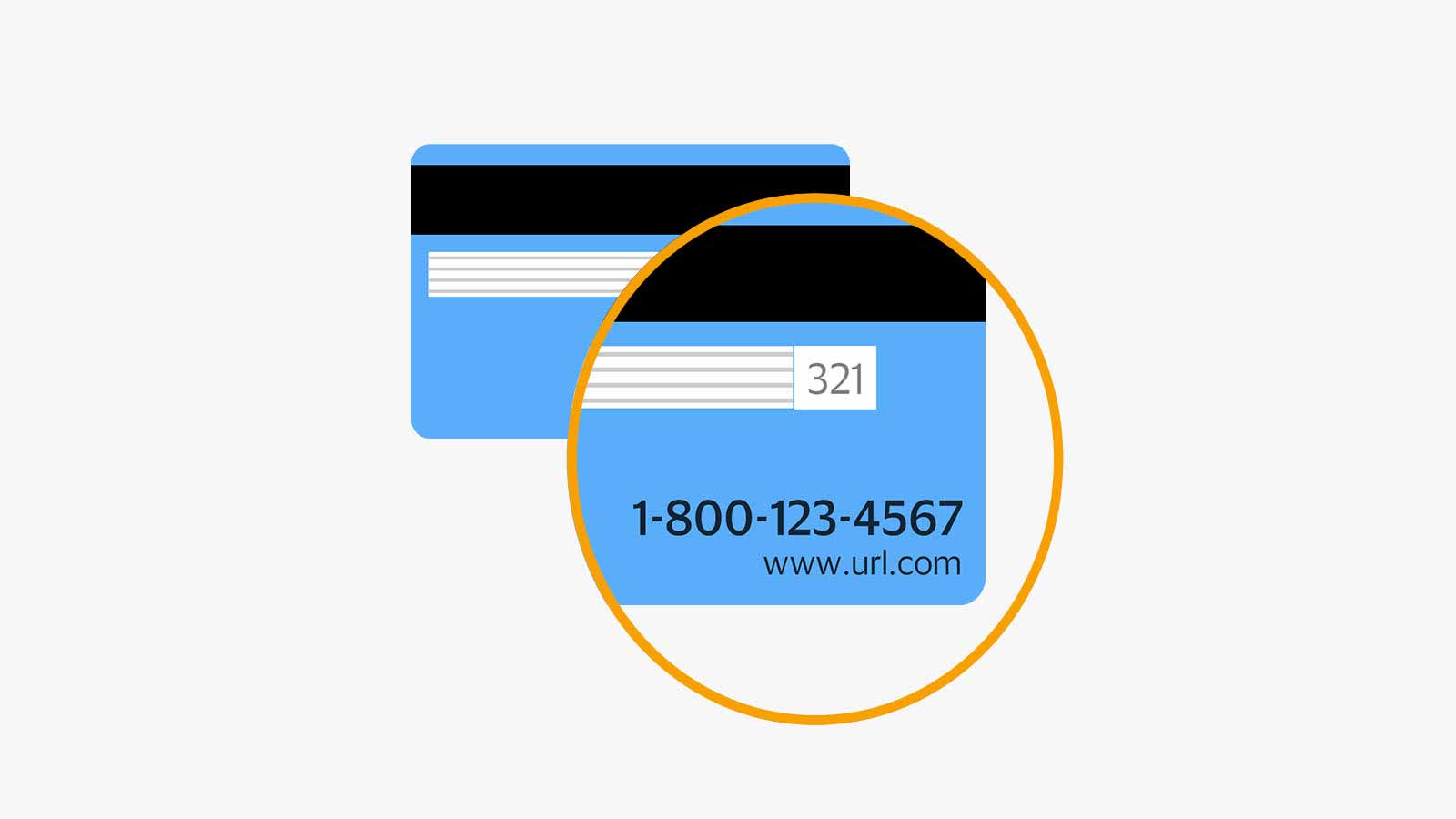
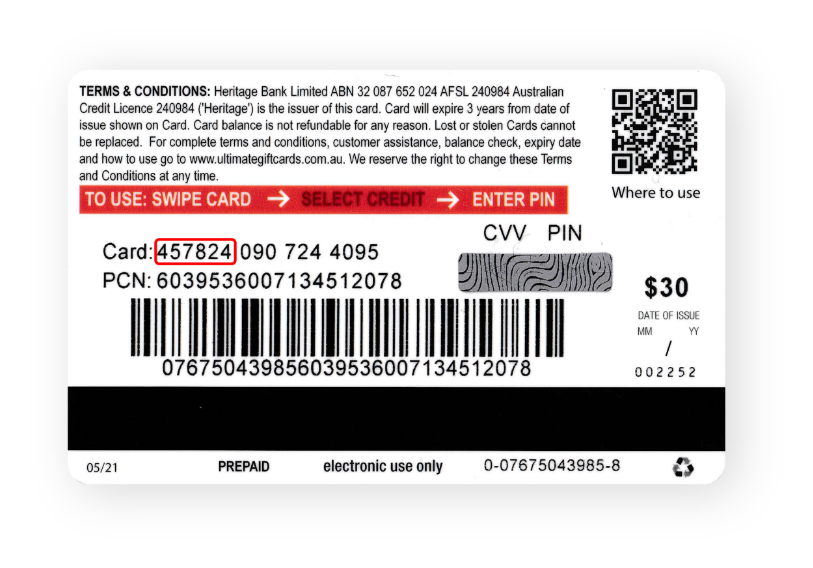
Regardless of the type, almost every modern gift card utilizes a dual-factor identification system for balance inquiries. You will typically find a 16-digit card number and a secondary security code, often labeled as a “PIN” or “CVV.” This code is usually hidden behind a scratch-off silver coating to prevent “skimming”—a practice where thieves record card numbers in-store before the card is even purchased. When checking your balance online, having this code ready is mandatory to ensure the security of the funds.
Primary Methods for Checking Your Gift Card Balance
Managing your personal finance requires efficiency. There are three primary avenues to verify your funds, each with its own level of convenience and security.
Utilizing Official Issuer Websites
The most reliable method for checking a balance is through the official website of the card issuer. For major retailers, this link is usually found in the footer of their homepage under “Gift Cards” or “Help.” When you navigate to these pages, you will be prompted to enter the card number and the security PIN.
For open-loop cards (Visa/Mastercard), you should look at the back of the card for a specific URL, such as “vanillagift.com” or “giftcardmall.com.” It is critical to ensure you are on the legitimate site, as many phishing websites mimic these portals to steal card data. Always look for the padlock icon in the browser address bar and verify that the URL matches the one printed on the physical card.
Mobile Banking and Retailer Apps
In the age of digital finance, mobile apps have become the most efficient way to track stored value. Many retailers allow you to “load” a gift card into your account. Once a card is linked to your profile on an app like Target, Walmart, or Starbucks, the balance is updated in real-time. This not only allows you to check the balance instantly but also protects you if the physical card is lost, as the value is now tethered to your digital identity.
In-Store Verification and Customer Service
If you prefer a more traditional approach, or if a website is malfunctioning, any cashier at the issuing retailer can scan the card and provide a printed receipt showing the remaining balance. Additionally, almost all gift cards feature a toll-free number on the back. This automated phone system is a robust fallback option, especially for those who may not have immediate access to the internet.

Strategic Asset Management: Why Balance Tracking Matters
From a personal finance perspective, a gift card is an interest-free loan you have given to a corporation. Every day that money sits on a card is a day it is not working for you in a high-yield savings account or an investment portfolio.
Avoiding the Trap of “Ghost Balances”
A common issue in financial planning is the “ghost balance”—the small, awkward amounts left on a card, such as $2.43 or $0.87. Many consumers view these amounts as negligible and discard the card. However, across several cards, these remnants can add up to a significant sum. By checking your balances regularly, you can identify these small amounts and strategically apply them to a larger purchase or “sweep” them into a digital account. For instance, Amazon allows users to reload their gift card balance with the exact change remaining on a prepaid Visa card, effectively consolidating fragmented funds into a single, usable pool.
Budgeting and Liquidity
Incorporating gift card balances into your monthly budget is a hallmark of sophisticated financial tracking. If you have $200 in grocery store gift cards, that is $200 of your liquid cash that can be diverted toward debt repayment or emergency savings. Failing to check and record these balances often leads to “accidental” spending, where the gift card is treated as “free money” rather than a strategic asset.
Security Practices for Protecting Your Gift Card Funds
As gift cards are effectively cash, they are prime targets for fraudulent activity. Protecting your balance requires a proactive approach to digital security.
Identifying Balance-Checking Scams
A frequent scam involves third-party websites that claim to check balances for all gift card brands in one place. These sites are almost universally fraudulent. They are designed to harvest your card number and PIN, allowing the scammers to drain the funds before you can use them. Only use the official website printed on the back of the card or the retailer’s verified mobile app.
Documentation and Recovery
Treat your gift card like a checkbook. When you first receive or purchase a card, take a photograph of the front and back, and keep the original purchase receipt. If the card is lost or stolen, most issuers will replace the funds if you can provide the original receipt and the card number. Without knowing your balance or having proof of ownership, that money is likely gone forever.
Optimizing the Value of Your Gift Cards
If you check your balance and realize you have funds for a store you do not frequent, you have several options to convert that asset into a more useful form of capital.
The Secondary Market and Resale
There is a robust secondary market for gift cards. Platforms like CardCash or Raise allow you to sell your unused gift card balances for a percentage of their face value—typically between 70% and 92%. While you take a small haircut on the total value, receiving 80% in cash that can be invested or used for bills is often a better financial move than letting 100% of the value expire or go unused.
Strategic Gifting and Charity
Another way to “liquidate” a gift card is to use it for expenses you were already planning to incur, such as purchasing a gift for someone else. This preserves your cash flow. Alternatively, if you find a small balance that is difficult to use, many non-profit organizations accept gift card donations. This not only clears the balance from your books but may also provide a small tax deduction, depending on your local regulations.
Expiration Dates and Fees
While the Credit CARD Act of 2009 in the United States protects consumers by mandating that gift cards cannot expire for at least five years, some cards (especially open-loop prepaid cards) may begin to incur “inactivity fees” after 12 months. Checking your balance at least once a quarter ensures that you are aware of any ticking clocks that might erode your asset’s value.
By viewing gift cards through the lens of financial tools rather than mere tokens of appreciation, you can ensure that every dollar you own is accounted for. Regular balance checks, digital consolidation, and vigilant security practices are the keys to mastering this corner of your financial life. Don’t let your money sit idle; identify its value, track its movement, and put it to work.
aViewFromTheCave is a participant in the Amazon Services LLC Associates Program, an affiliate advertising program designed to provide a means for sites to earn advertising fees by advertising and linking to Amazon.com. Amazon, the Amazon logo, AmazonSupply, and the AmazonSupply logo are trademarks of Amazon.com, Inc. or its affiliates. As an Amazon Associate we earn affiliate commissions from qualifying purchases.