
Gift cards have evolved from simple last-minute presents into a massive sub-sector of the global financial ecosystem. Every year, billions of dollars are loaded onto plastic and digital vouchers, representing a significant portion of consumer spending power. However, a staggering amount of this value goes unspent. For the individual consumer, a gift card is not just a token of appreciation; it is a financial asset. Understanding how to check your balance, manage these funds, and integrate them into your broader personal finance strategy is essential for maintaining a healthy bottom line.
When you ask, “How much money is in my gift card?” you are performing an act of personal auditing. Whether it is a $5 remnant on a coffee shop card or a $500 prepaid Visa, that capital belongs in your budget. Failing to track these balances is equivalent to leaving cash on the sidewalk. This guide explores the financial implications of gift card management and provides a comprehensive framework for maximizing the value of every cent you hold.
The Financial Impact of Unused Gift Card Balances
In the world of corporate finance, there is a term known as “breakage.” Breakage refers to the revenue recognized by retailers from gift cards that are never redeemed. Industry reports suggest that billions of dollars in gift card value go unused annually. From a personal finance perspective, breakage is a loss. When you allow a gift card to sit in a drawer with an unknown balance, you are essentially giving a zero-interest loan to a corporation—one that you may never call in.
The Psychology of “Found Money”
One of the primary reasons people fail to track their gift card balances is the psychological categorization of these funds. Behavioral economics suggests that we treat “found money” or gifts differently than the income we earn through labor. This “mental accounting” often leads to waste. By shifting your perspective and viewing a gift card balance as an extension of your checking account, you become more disciplined in its use. Knowing exactly how much money is on your card allows you to plan purchases and avoid the “surprise” of a declined transaction at the register.
Inflation and the Eroding Value of Credits
Time is the enemy of the gift card. While federal laws in many jurisdictions have limited the ability of companies to set aggressive expiration dates or “dormancy fees,” the value of the money on the card is still subject to inflation. A $50 gift card for a grocery store or gas station bought three years ago holds significantly less purchasing power today. Promptly checking your balance and deploying those funds is a strategic move to preserve the real value of your assets.
Practical Strategies for Checking and Tracking Your Balances
The process of determining “how much money is in my gift card” varies depending on the type of card you hold. Generally, gift cards fall into two categories: “Closed-Loop” (retailer-specific, like Starbucks or Amazon) and “Open-Loop” (network-branded, like Visa, Mastercard, or American Express).
The Direct Verification Route
The most reliable way to check a balance is through the issuer’s official channels.
-
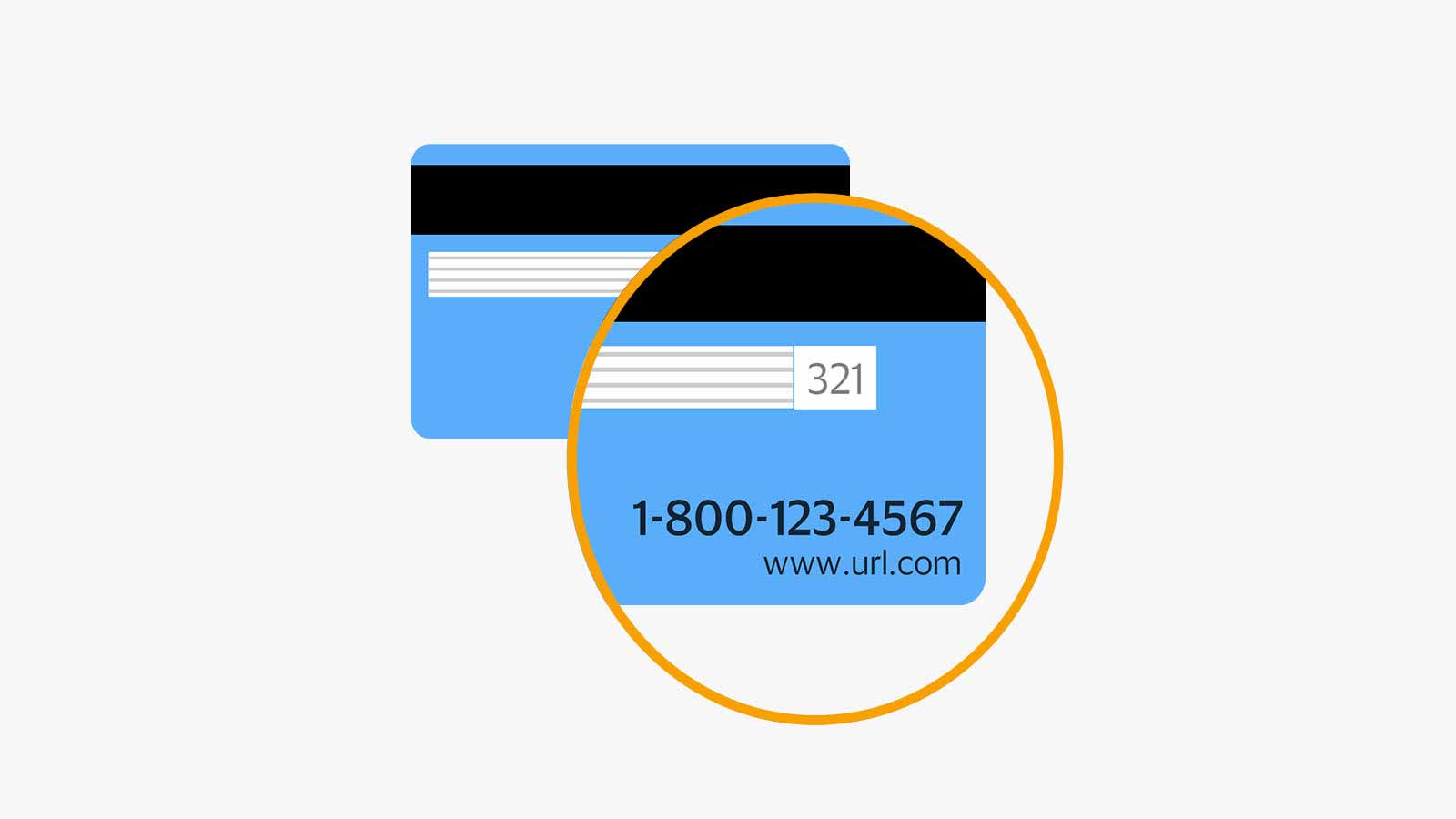
Official Websites: Most major retailers have a dedicated “Balance Checker” page. You will typically need the 16-digit card number and the Security Code (CVV or CSC) often hidden under a scratch-off panel.
-
Mobile Apps: For frequent shoppers, adding a gift card to a retailer’s mobile app is the most efficient way to track funds. The app provides real-time updates as you spend, turning the gift card into a digital debit account.
-
Telephone Systems: Every gift card has a customer service number on the back. While less convenient than a website, these automated systems are highly secure and provide the most accurate data directly from the merchant’s ledger.
Utilizing Digital Wallets for Aggregation
In modern personal finance, fragmentation is a major hurdle. Having balances spread across ten different cards makes it difficult to assess your total liquid net worth. Using digital wallets like Apple Wallet, Google Pay, or specialized financial tracking apps allows you to centralize these assets. By scanning your cards into a digital interface, you create a single point of reference, ensuring that no balance—no matter how small—is forgotten.
Physical Verification at the Point of Sale
If you are already at a brick-and-mortar location, a cashier can scan your card to provide a printed balance inquiry. This is particularly useful for older cards where the online portal might be difficult to navigate. Always ask for a “balance slip” to keep in your wallet with the card; this physical reminder serves as a prompt to use the remaining funds during your next visit.
Maximizing Value: Turning Plastic into Liquidity

Once you have identified the balances on your cards, the next step is optimization. Not every gift card is for a store you frequent. In these cases, the money is “trapped” in a specific ecosystem. Part of a sophisticated financial strategy involves liberating that value so it can be used for more pressing needs, such as debt repayment or emergency savings.
The Secondary Market and Resale Platforms
If you have a high-value gift card for a brand you do not use, consider the secondary market. Various reputable platforms allow you to sell gift cards for a percentage of their face value (usually 70% to 92%). While you take a small haircut on the total value, receiving 90% of a card’s value in cash is mathematically superior to letting 100% of the value sit unused in a drawer. This cash can then be diverted into a high-yield savings account or used to pay down high-interest credit card debt.
Consolidating Small Balances
We often find ourselves with “dust” balances—cards with $1.43 or $2.10 remaining. These amounts seem negligible, but collectively, they represent significant lost value. Many online retailers, most notably Amazon, allow you to use a gift card to “reload” your account balance with the exact remaining cents on the card. By transferring these small amounts into a single, frequently used account, you consolidate your “financial dust” into usable capital.
Strategic Gifting and Expense Offsetting
Another way to maximize a card’s value is to use it to offset planned expenses. If you have a $25 gift card to a home improvement store and a friend’s birthday is approaching, using that card to buy their gift saves you $25 in out-of-pocket cash. This is a form of “internal arbitrage,” where you use restricted assets to preserve your unrestricted cash flow.
Security and Fraud Prevention
The gift card market is, unfortunately, a prime target for financial scams. Because gift cards lack the same federal protections as credit cards (such as the Fair Credit Billing Act), once the money is gone, it is often impossible to recover. Protecting your balance is as important as knowing what it is.
Avoiding the “Empty Card” Scam
A common scam involves fraudsters recording the card numbers and security codes of cards still on the rack in stores. They wait for a consumer to purchase and activate the card, then immediately drain the balance online. To prevent this, always inspect the packaging for signs of tampering. If the scratch-off silver strip is compromised, do not buy the card. Furthermore, once you purchase a card, check the balance immediately and, if possible, register it to your name or account on the retailer’s website to lock it down.
The Danger of Third-Party “Balance Checkers”
When searching for “how much money is in my gift card” online, be wary of third-party websites that promise to check multiple brands at once. Many of these are phishing sites designed to steal your card information. Only use the official URL printed on the back of the card or the retailer’s verified corporate website. Giving your card number and PIN to an unverified site is the fastest way to lose your balance.
Integrating Gift Cards into a Professional Budget
To truly master your personal finances, you must account for every dollar. Gift cards should not be “invisible” money.
Asset Documentation
When you receive or purchase a gift card, it should be logged in your budget or net worth tracker. If you use software like Mint, YNAB, or a custom spreadsheet, create a “Gift Card Assets” line item. This ensures that when you are calculating your available liquidity for the month, you have a clear picture of your total resources.
The “Use It or Lose It” Mentality
The best financial advice regarding gift cards is to use them as quickly as possible. Unlike a stock or a bond, a gift card is a depreciating asset in terms of real-world purchasing power. By establishing a rule—such as “all gift cards must be used within 60 days of receipt”—you prevent the buildup of stagnant capital and ensure that your gifts are serving their intended purpose: improving your financial flexibility or providing a specific utility.
In conclusion, knowing how much money is in your gift card is the first step toward reclaiming lost value in your financial life. By treating these cards with the same rigor you apply to your bank accounts and investments, you eliminate waste, protect yourself from fraud, and ensure that every dollar you own is working for you. Stop viewing them as plastic tokens and start viewing them as the liquid assets they are.
aViewFromTheCave is a participant in the Amazon Services LLC Associates Program, an affiliate advertising program designed to provide a means for sites to earn advertising fees by advertising and linking to Amazon.com. Amazon, the Amazon logo, AmazonSupply, and the AmazonSupply logo are trademarks of Amazon.com, Inc. or its affiliates. As an Amazon Associate we earn affiliate commissions from qualifying purchases.