
Gift cards have evolved from simple last-minute presents into a sophisticated multibillion-dollar sector of the global financial ecosystem. Whether you have received a retail-specific card or a network-branded prepaid card, understanding how to activate and manage these assets is a critical component of modern personal finance. Activation is the bridge between a useless piece of plastic and a liquid financial instrument. Without proper activation, the funds remain locked in the issuer’s ledger, unavailable for your use and potentially vulnerable to various forms of financial friction.
From a financial perspective, a gift card is essentially a zero-interest loan you or a donor has provided to a retailer or a bank. To ensure you receive the full value of that loan, you must navigate the activation process correctly, secure the balance against fraud, and integrate the asset into your broader spending plan.
The Financial Logic Behind Gift Card Activation
To understand how to activate a gift card, one must first understand why the process exists. At the point of manufacture, gift cards carry no inherent value. They are distributed to store shelves as inactive “shells.” This is a fundamental security feature designed to prevent theft during the supply chain process. If a batch of cards is stolen from a delivery truck or a store shelf, the thieves gain nothing because the cards have not yet been “loaded” or “activated” within the merchant’s financial database.
The Point-of-Sale (POS) Trigger
For most store-bought gift cards, activation occurs automatically at the register. When the cashier scans the card’s barcode and processes the payment, the retailer’s Point-of-Sale system sends a signal to the issuer’s database. This digital handshake verifies that the funds have been paid and moves the specific identification number of that card from a “void” status to an “active” status. As a consumer, your primary responsibility during this phase is to ensure you receive and retain the activation receipt. This document is your financial proof of purchase and is often the only way to recover funds if the digital activation fails.
Internal vs. External Ledgers
Financial institutions categorize gift cards into two main types: closed-loop and open-loop. Closed-loop cards are merchant-specific (e.g., a coffee shop or a clothing retailer). Their activation is handled internally. Open-loop cards, such as those issued by Visa, Mastercard, or American Express, operate on global payment networks. These often require a secondary layer of activation by the end-user to verify identity or to set a Personal Identification Number (PIN) for security, especially if the card is intended for use at ATMs or for recurring transactions.
Standard Activation Protocols: Step-by-Step Instructions
While many cards are activated at the moment of purchase, a significant portion of the market—particularly digital “e-gift cards” and network-branded prepaid cards—requires manual intervention by the recipient. Following the correct protocol ensures that the funds are available when you reach the checkout counter.
Online Activation Portals
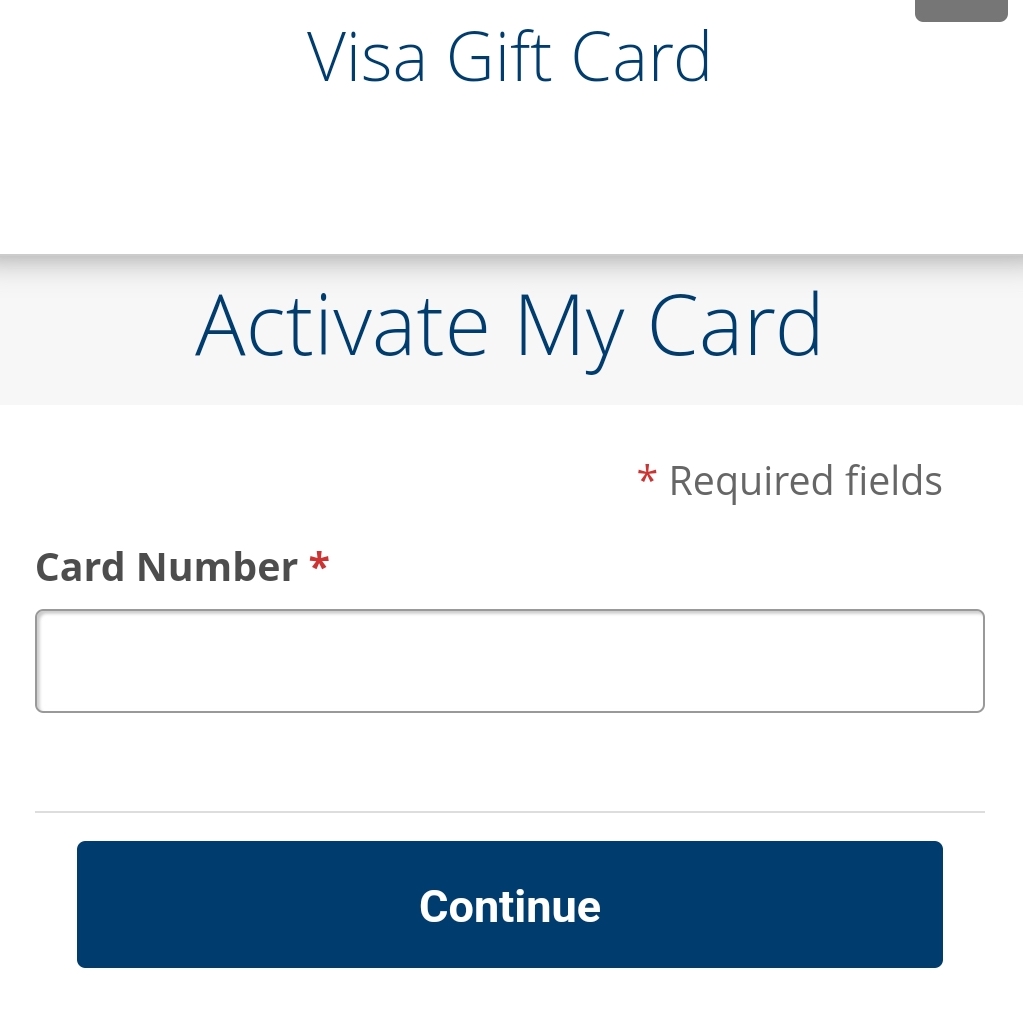
The most common method for manual activation is through a dedicated web portal. The URL for this portal is almost always printed on the back of the physical card or included in the delivery email for a digital card. When using these portals, you will typically need three pieces of information:
-
The 16-digit Card Number: The primary identifier for the account.
-
The Expiration Date: Required to verify the specific card series.
-
The CVV/CVC Code: The 3-digit security code, often hidden under a scratch-off panel, which proves you have physical possession of the card.
Financial discipline dictates that you should only enter this information on the official website of the issuer. Avoid using third-party “balance checker” sites, which are frequently used as phishing tools to drain card balances.
Phone-Based Activation
For those who prefer a non-digital route or for cards that require a higher level of security, automated phone systems are available. This method is particularly useful for setting a PIN. When you call the activation number, you are interacting with an Interactive Voice Response (IVR) system that updates the issuer’s ledger in real-time. This is often the most secure way to activate high-value prepaid cards, as it bypasses potential keyloggers on a compromised computer.
Sticker-Instruction Cards
Many open-loop cards come with a prominent sticker on the front. Do not remove this sticker until you are ready to use the card. It often contains a unique activation code or a specific phone number that must be utilized before the card can be swiped at a merchant. Removing the sticker prematurely or ignoring its instructions is the leading cause of “declined” transactions at the register.
Protecting Your Balance: Security and Fraud Prevention

In the world of personal finance, gift cards are often referred to as “cash-like” instruments. This means that if they are lost or stolen, they are significantly harder to recover than a standard debit or credit card. Activation is the first line of defense, but it must be followed by rigorous security habits.
The Importance of Registration
Many consumers overlook the “Register This Card” option provided during activation. From a financial management standpoint, registration is vital. By linking your name and address to the card, you gain the ability to report the card as lost or stolen and potentially have the remaining balance transferred to a new card. Without registration, the issuer has no way of verifying that you are the rightful owner of the funds, and the money is effectively lost.
Identifying Activation Scams
A common financial scam involves “tampered” cards. Fraudsters will record the card numbers and CVVs of inactive cards on store shelves and then wait for a consumer to purchase and activate them. Once the card is activated at the register, the scammer—who has been monitoring the balance online—drains the funds before the legitimate owner can use them. To prevent this, always inspect the packaging for signs of tampering, particularly the scratch-off area covering the security code. If the silver film is compromised, do not buy or activate that card.
Digital Security for E-Gift Cards
Electronic gift cards are sent via email or text. Activation usually occurs by clicking a link that adds the balance to a specific merchant app or digital wallet. To secure these assets, ensure your email account uses multi-factor authentication (MFA). A compromised email account is a gateway for thieves to intercept and activate your digital financial assets before you even see the notification.
Optimizing the Financial Value of Gift Cards
Once a gift card is activated, it should be treated as a strategic component of your budget. Many people treat gift cards as “bonus money,” leading to impulsive spending or, conversely, forgetting about the card entirely until it expires or is eroded by fees.
The “Use It or Lose It” Principle
While the Credit Card Accountability Responsibility and Disclosure (CARD) Act of 2009 provides significant protections—such as ensuring gift cards don’t expire for at least five years—it does not eliminate all risks. Many cards carry “inactivity fees” if not used for a period of 12 months. These fees can slowly deplete the balance to zero. To optimize your finances, the best practice is to use the card as soon as possible after activation or to load the balance immediately into a merchant app (like Amazon or Starbucks) where it cannot be lost or forgotten.
Gift Cards as Budgeting Tools
Gift cards can be used as a modern version of the “envelope system” for budgeting. For example, if you struggle with overspending on groceries or dining out, you can buy and activate a gift card for a specific amount at the beginning of the month. Once that card is exhausted, your spending in that category is finished. This creates a hard ceiling on discretionary spending that is easier to manage than a standard debit card.
Secondary Markets and Liquidity
If you receive a gift card for a retailer you do not frequent, the asset is illiquid. However, you can convert that card into cash or more useful credits through secondary market platforms. These platforms allow you to sell your activated gift card for a percentage of its face value (usually 80% to 92%). While you take a small financial haircut, gaining 90% of the value in cash is a superior financial move compared to letting 100% of the value sit unused in a drawer.
Legal Protections and Consumer Rights in the Gift Card Market
A professional approach to managing gift cards requires an understanding of your rights as a consumer. The financial regulations surrounding prepaid assets vary by jurisdiction, but several universal principles apply.
The CARD Act Protections
As mentioned, federal law provides a safety net for gift card holders. Beyond the five-year expiration minimum, the law limits the types of fees that can be charged. For example, issuers cannot charge an activation fee, a sign-up fee, or an issuance fee unless it is clearly disclosed. They are also prohibited from charging more than one fee per month. Knowing these rules allows you to challenge unfair deductions from your balance.
Merchant Bankruptcy
One of the greatest risks to a gift card’s value is merchant insolvency. If a company files for Chapter 11 bankruptcy, they often seek court permission to stop honoring gift cards. In such cases, gift card holders become “unsecured creditors,” standing at the back of the line behind banks and suppliers. Therefore, the most prudent financial advice is to activate and spend cards from struggling retailers immediately.
Dealing with Defective Cards
If you follow all activation steps and the card still fails to work, you have the right to a remedy. This is where your activation receipt and the card’s serial number are essential. Most issuers have a customer service protocol for “defective magnetic stripes” or “invalid codes.” By providing proof of activation, you can usually have a replacement card issued.
In conclusion, activating a gift card is more than a technical hurdle; it is a fundamental act of financial management. By understanding the mechanics of activation, implementing robust security measures, and strategically managing the card’s liquidity, you ensure that these prepaid assets serve your broader financial goals rather than becoming lost value in the retail economy. Treatment of gift cards with the same diligence as a bank account or an investment portfolio is the hallmark of a savvy consumer in the modern marketplace.
aViewFromTheCave is a participant in the Amazon Services LLC Associates Program, an affiliate advertising program designed to provide a means for sites to earn advertising fees by advertising and linking to Amazon.com. Amazon, the Amazon logo, AmazonSupply, and the AmazonSupply logo are trademarks of Amazon.com, Inc. or its affiliates. As an Amazon Associate we earn affiliate commissions from qualifying purchases.