
The digital asset market has evolved from a niche experimental interest into a cornerstone of the modern financial landscape. As cryptocurrency matures into a recognized asset class, the infrastructure surrounding it has expanded significantly. For the modern investor, the question is no longer just “what” to buy, but “where” to trade to ensure security, liquidity, and cost-effectiveness. Navigating the myriad of available platforms requires an understanding of how different venues align with specific financial goals, risk tolerances, and technical capabilities.
Whether you are a retail investor looking to diversify a personal portfolio or a more active trader seeking high-frequency tools, the choice of platform serves as the foundation of your investment journey. This guide explores the primary categories of trading venues, the nuances of their operations, and the critical factors that should influence your decision-making process.

Centralized Exchanges (CEX): The Mainstream Gateway
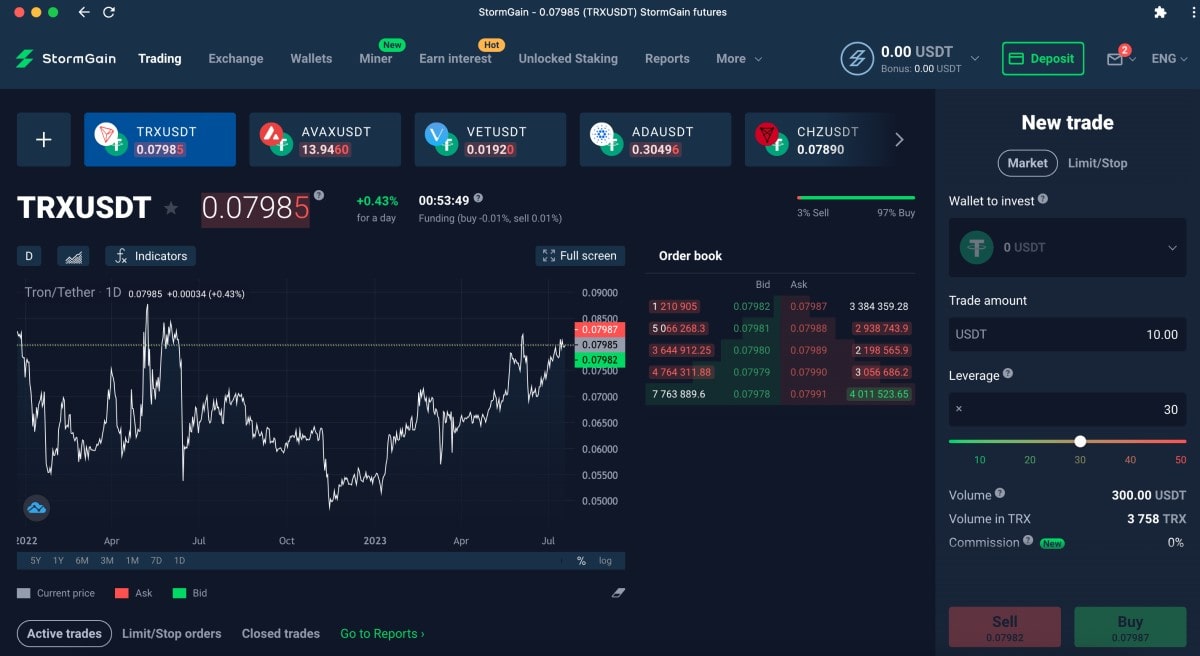
Centralized exchanges remain the most popular entry point for the vast majority of cryptocurrency participants. These platforms function similarly to traditional stock brokerages, acting as an intermediary between buyers and sellers. By providing a managed environment, they simplify the onboarding process for those moving from fiat currency—such as US Dollars or Euros—into the digital ecosystem.
The Industry Leaders: Liquidity and Reliability
When selecting a centralized exchange, liquidity is the most vital financial metric. High liquidity ensures that you can execute trades quickly and at prices close to the market rate without significant “slippage.” Global giants like Binance, Coinbase, and Kraken dominate this space.
Coinbase is often cited as the premier choice for beginners due to its user-friendly interface and strong regulatory standing in the United States. Kraken, known for its robust security protocols and professional trading features, appeals to those who prioritize safety and advanced order types. Binance, while facing various regulatory hurdles globally, offers the widest selection of altcoins and some of the highest liquidity levels in the world, making it a hub for active traders.
Security and Regulatory Compliance
One of the primary benefits of using an established CEX is the layer of institutional security they provide. Most reputable exchanges utilize cold storage—keeping the majority of customer funds offline—to protect against hacking. Furthermore, many carry insurance policies to cover potential losses from platform-wide breaches.
From a financial perspective, regulation is a double-edged sword. Regulated exchanges require “Know Your Customer” (KYC) and Anti-Money Laundering (AML) documentation. While this reduces anonymity, it provides a level of legal recourse and financial transparency that is essential for long-term wealth management and tax compliance.
Fee Structures and Cost Management
Every trade incurs a cost, and over time, these fees can significantly erode investment returns. Centralized exchanges typically employ a “maker-taker” fee model. Makers, who provide liquidity by placing limit orders, often pay lower fees than takers, who remove liquidity by executing market orders. It is essential to analyze the fee tiers of a platform, as many offer discounts based on trading volume or the holding of a native platform token.
Decentralized Exchanges (DEX) and the World of DeFi
For those who prioritize financial sovereignty and privacy, Decentralized Exchanges (DEXs) offer a compelling alternative. Unlike centralized counterparts, DEXs operate without a central authority, using smart contracts on blockchain networks to facilitate peer-to-peer trading.
The Mechanics of Peer-to-Peer Trading
In a decentralized environment, you do not deposit your funds into an exchange-controlled wallet. Instead, you trade directly from your own private wallet (such as MetaMask or Trust Wallet). This embodies the “not your keys, not your coins” philosophy, ensuring that you maintain total control over your assets at all times.
Platforms like Uniswap (on Ethereum), PancakeSwap (on BNB Chain), and Raydium (on Solana) use Automated Market Makers (AMMs). Instead of an order book, these platforms use liquidity pools where users provide the assets and earn a portion of the trading fees in return. This creates a unique opportunity for “yield farming,” allowing investors to earn passive income on their holdings while facilitating the ecosystem’s liquidity.
Privacy and Asset Diversity
DEXs do not typically require KYC procedures, making them the preferred choice for privacy-conscious investors. Furthermore, because there is no central gatekeeper, new and experimental tokens are often listed on DEXs long before they reach centralized exchanges. This provides early-stage investment opportunities, though it comes with a significantly higher risk of volatility and fraudulent projects.
The Challenges: Gas Fees and Complexity
The primary hurdle for decentralized trading is the technical barrier to entry. Managing a private wallet requires a higher level of digital literacy. Additionally, every transaction on a DEX requires a “gas fee” paid to the network’s validators. On the Ethereum mainnet, these fees can become prohibitively expensive during times of high congestion, making small trades financially unviable. Investors must weigh the benefits of decentralization against these operational costs.

Specialized Financial Apps and Neobanks
As cryptocurrency has gone mainstream, traditional fintech companies and “neobanks” have integrated crypto trading into their existing suites of financial tools. This has bridged the gap between traditional banking and digital assets.
Integrated Wealth Management
Apps like Revolut, Robinhood, and PayPal have made it possible to buy Bitcoin and Ethereum with a single tap. For the casual investor, the appeal lies in consolidation. Having your stocks, savings, and cryptocurrency visible in one dashboard simplifies financial planning and portfolio tracking.
Limitations of “Closed” Ecosystems
While convenient, many of these platforms operate as “walled gardens.” In some cases, you may be able to buy and sell the price action of the cryptocurrency, but you might not be allowed to withdraw the actual digital assets to an external wallet. This limits your ability to use the crypto for payments or participate in decentralized finance (DeFi) protocols. For a serious investor, these limitations can be a significant drawback, as they restrict the utility of the asset.
Professional Trading Desks and OTC
For high-net-worth individuals and institutional investors, standard retail platforms may not suffice. Over-the-Counter (OTC) desks provide a way to execute large block trades without moving the market price. These services offer personalized support and deep liquidity, catering to those looking to move millions of dollars into or out of the market with minimal impact on the prevailing exchange rates.
Factors to Consider When Choosing Your Venue
Choosing where to trade is not a one-size-fits-all decision. It requires a careful assessment of your personal financial strategy and the specific features offered by each platform.
Asset Availability and Trading Pairs
Not all platforms carry every coin. If your strategy involves investing in established “Blue Chip” assets like Bitcoin and Ethereum, almost any platform will suffice. However, if you are looking for specific mid-cap or small-cap projects, you must ensure the exchange supports the necessary trading pairs (e.g., SOL/USDT or LINK/BTC).
User Experience and Mobile Accessibility
The volatility of the crypto market often requires quick reactions. A platform with a buggy interface or a poor mobile app can lead to missed opportunities or costly errors. Evaluate the platform’s uptime history and the responsiveness of its mobile interface, especially if you intend to manage your investments while on the go.
Customer Support and Reputation
In the world of finance, trust is the ultimate currency. Before committing significant capital, research the platform’s reputation within the investment community. Do they have a responsive customer support team? How have they handled past security incidents? Reading independent reviews and community forums can provide insight into the actual user experience beyond the marketing materials.
Developing a Sound Investment Strategy
Where you trade is just as important as how you trade. Success in the cryptocurrency market requires a disciplined approach to money management and a clear understanding of the financial risks involved.
Risk Management and Diversification
Cryptocurrency should typically represent only a portion of a well-diversified investment portfolio. Given its high volatility, it is prudent to use “cold storage” for long-term holdings. This involves moving assets off an exchange and into a hardware wallet (like a Ledger or Trezor), which protects them from exchange-side failures or hacks. Only the capital you intend to trade actively should remain on the exchange.
Tax Implications and Record Keeping
In most jurisdictions, cryptocurrency is treated as property for tax purposes, meaning every trade is a taxable event. When choosing where to trade, consider platforms that offer robust reporting tools. Being able to export your trade history in a format compatible with tax software will save significant time and potential legal headaches during tax season.
The Importance of Continuous Education
The financial tools and platforms available today are vastly different from those available five years ago, and they will likely look different five years from now. Staying informed about new security features, shifting fee structures, and emerging decentralized platforms is essential for any investor looking to maximize their returns in the digital age.
By carefully selecting a platform that aligns with your financial objectives—whether it be the security of a centralized exchange, the autonomy of a DEX, or the convenience of a fintech app—you position yourself to navigate the complexities of the cryptocurrency market with confidence and precision. Regardless of the venue, the principles of sound financial management remain the same: prioritize security, minimize unnecessary costs, and never invest more than you can afford to lose.
aViewFromTheCave is a participant in the Amazon Services LLC Associates Program, an affiliate advertising program designed to provide a means for sites to earn advertising fees by advertising and linking to Amazon.com. Amazon, the Amazon logo, AmazonSupply, and the AmazonSupply logo are trademarks of Amazon.com, Inc. or its affiliates. As an Amazon Associate we earn affiliate commissions from qualifying purchases.