
For years, Coinbase Pro stood as the primary gateway for serious cryptocurrency investors seeking lower fees and more sophisticated trading tools than the standard Coinbase retail app could offer. It was the successor to GDAX (Global Digital Asset Exchange) and served as the cornerstone for high-volume traders who demanded limit orders, real-time depth charts, and a maker-taker fee model. However, in late 2022 and throughout 2023, users began receiving notifications that the standalone Pro experience was being phased out.
The disappearance of Coinbase Pro wasn’t a sign of the company scaling back its professional offerings. Rather, it represented a strategic pivot toward a unified financial ecosystem. By merging the professional capabilities of Coinbase Pro into the main Coinbase interface under a new moniker—Advanced Trade—the company aimed to resolve a long-standing friction point for investors: the need to constantly move funds between two separate accounts and apps to manage a single portfolio.
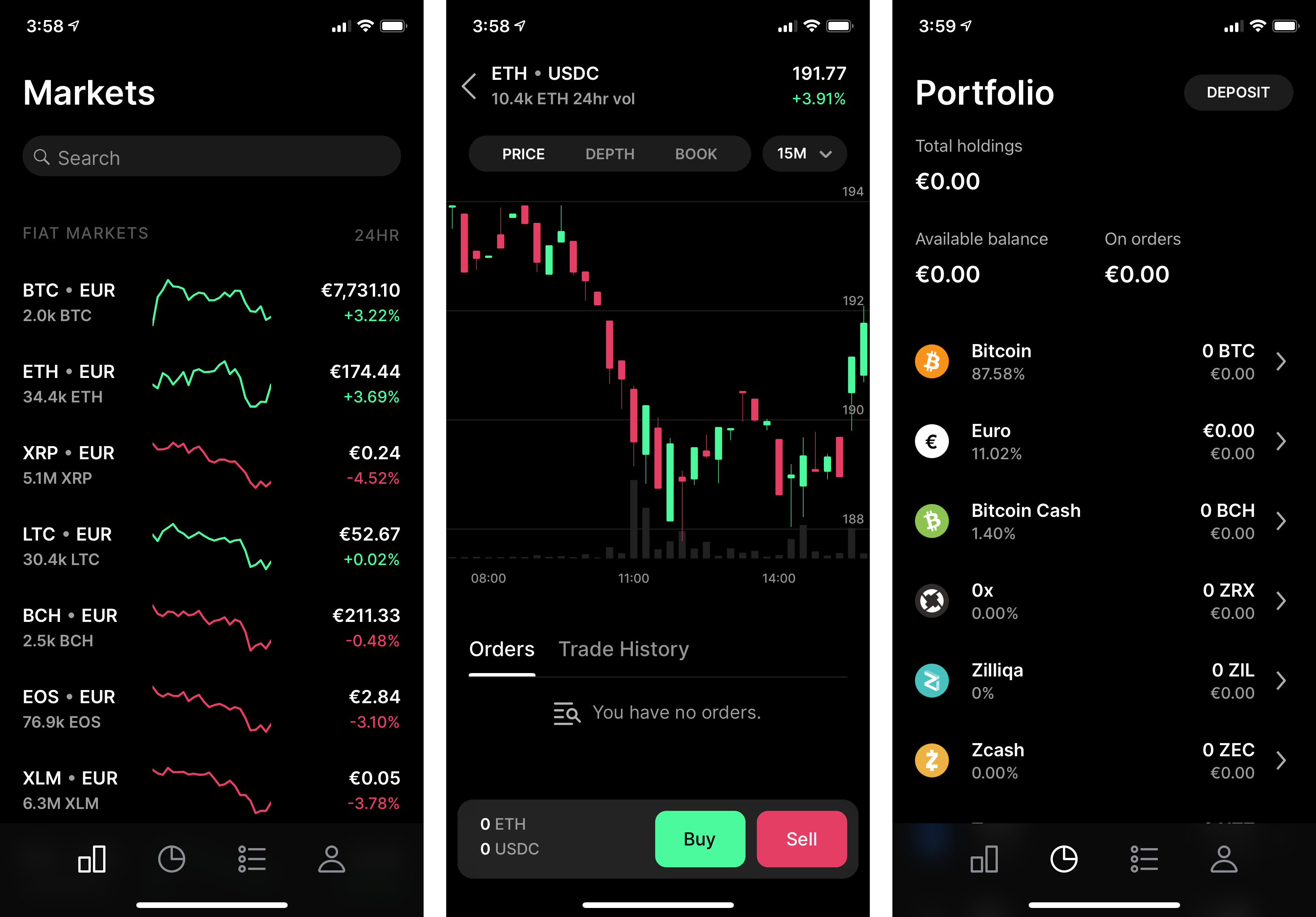
The Sunset of Coinbase Pro: A Strategic Financial Consolidation
The decision to sunset Coinbase Pro was driven by the need for capital efficiency. In the previous era, Coinbase operated two distinct platforms with separate back-end infrastructures. This created a fragmented user experience. If an investor wanted to buy Bitcoin using a simple market order, they stayed on the retail app, but they paid a premium in the form of higher transaction fees and wider spreads. If that same investor wanted to place a limit order to catch a specific price dip, they had to transfer their USD or crypto to the Pro app.
This “two-wallet” system was not just an aesthetic annoyance; it was a hurdle to effective wealth management. It delayed the speed at which capital could be deployed and made tax reporting more cumbersome, as users had to reconcile data from two different sources. By sunsetting Pro and integrating its features into the primary platform, Coinbase eliminated the “Pro” silo, allowing investors to access professional-grade tools without the friction of internal transfers.
The Evolution from GDAX to Advanced Trade
To understand the financial logic behind this move, one must look at the history of the platform. GDAX was built for institutional-grade trading. When it rebranded to Coinbase Pro, it became more accessible to the “prosumer”—the retail investor who was becoming savvy enough to use technical analysis. However, as the crypto market matured, the gap between “retail” and “pro” investors began to close. Modern investors expect professional tools as a standard feature, not a premium add-on. Advanced Trade was designed to meet this demand, bringing the depth of the order book directly into the primary interface.
Transitioning to Advanced Trade: What Investors Need to Know
The migration from Coinbase Pro to Advanced Trade was more than a rebranding; it was a structural overhaul of how financial tools are delivered to the end-user. For those who relied on Pro for their side hustles or full-time trading, the move brought several significant upgrades to the financial toolkit.
Enhanced Order Types and Technical Analysis
The core of the “Pro” experience was the ability to use limit and stop-limit orders. These are essential for any disciplined investment strategy, allowing traders to automate their entries and exits based on specific price targets. Advanced Trade kept these features and expanded upon them. By integrating TradingView charts, the platform provided investors with over 100 technical indicators and drawing tools directly within the interface. For the investor focused on maximizing ROI, these tools are vital for identifying support and resistance levels, reducing the emotional bias that often leads to poor financial decisions in volatile markets.
Fee Structure Parity
Perhaps the most critical concern for Coinbase Pro users was whether the low-fee model would survive the transition. Coinbase Pro was famous for its tiered fee structure, which significantly undercut the standard retail fees. Fortunately, Advanced Trade was built with the same volume-based pricing model. This means that as an investor’s monthly trading volume increases, their fee percentage decreases. For those managing substantial portfolios or executing frequent trades, the “maker” and “taker” fee schedules remain the most cost-effective way to interact with the crypto market, often saving investors hundreds or thousands of dollars in transaction costs annually compared to simple “Buy/Sell” buttons.
The Financial Mechanics of Professional Trading

When evaluating the shift from Coinbase Pro, it is essential to look at the mechanics of the “Maker-Taker” system that transitioned to Advanced Trade. This system is the heartbeat of professional financial exchanges and is crucial for anyone looking to optimize their investment performance.
Understanding Maker vs. Taker Fees
In the world of professional finance, liquidity is king. A “Maker” is an investor who provides liquidity to the book by placing an order that is not immediately matched (like a limit order). A “Taker” is someone who removes liquidity by placing an order that is instantly filled (like a market order).
On the Advanced Trade platform, maker fees are generally lower than taker fees. This incentivizes investors to use limit orders, which not only helps the exchange maintain a healthy order book but also allows the investor to keep a larger portion of their capital. When you move from the standard retail interface—where fees are often a flat percentage plus a spread—to the Advanced Trade model, you are effectively moving from a “convenience” pricing model to an “institutional” pricing model.
Capital Velocity and Unified Balances
One of the most significant financial benefits of the new unified system is the increase in capital velocity. In the Coinbase Pro era, if an investor saw an opportunity in the market but had their funds in the retail wallet, they had to initiate a transfer. While these transfers were instant, the extra steps added “latency” to the investment process. In a unified ecosystem, your entire balance is available for either a simple swap or a complex trade. This allows for faster rebalancing of portfolios and the ability to capitalize on market volatility in real-time.
Portfolio Management and Risk Mitigation
Managing a crypto portfolio requires a different set of risk management tools than traditional equities. The transition to Advanced Trade brought about several improvements in how investors can protect their wealth and manage their financial exposure.
Security and Institutional-Grade Infrastructure
Coinbase has long positioned itself as the “safest” regulated exchange in the United States. By moving Pro users into the main ecosystem, the company could apply its most advanced security protocols—including multi-factor authentication (MFA), cold storage solutions, and vault features—across a single, unified architecture. From a financial security perspective, this reduces the “attack surface” for an investor. Instead of managing security settings across two platforms, they focus on one robust account.
Tax Reporting and Financial Transparency
For anyone generating online income or managing a business finance account through crypto, tax season is often a nightmare. Coinbase Pro and the retail app previously produced separate statements, making it difficult to calculate the cost basis for assets moved between the two. The move to a unified platform simplifies this immensely. With a single source of truth for all transactions, generating capital gains reports and tracking the performance of an investment portfolio becomes a streamlined process. This transparency is vital for long-term wealth building and staying compliant with evolving financial regulations.
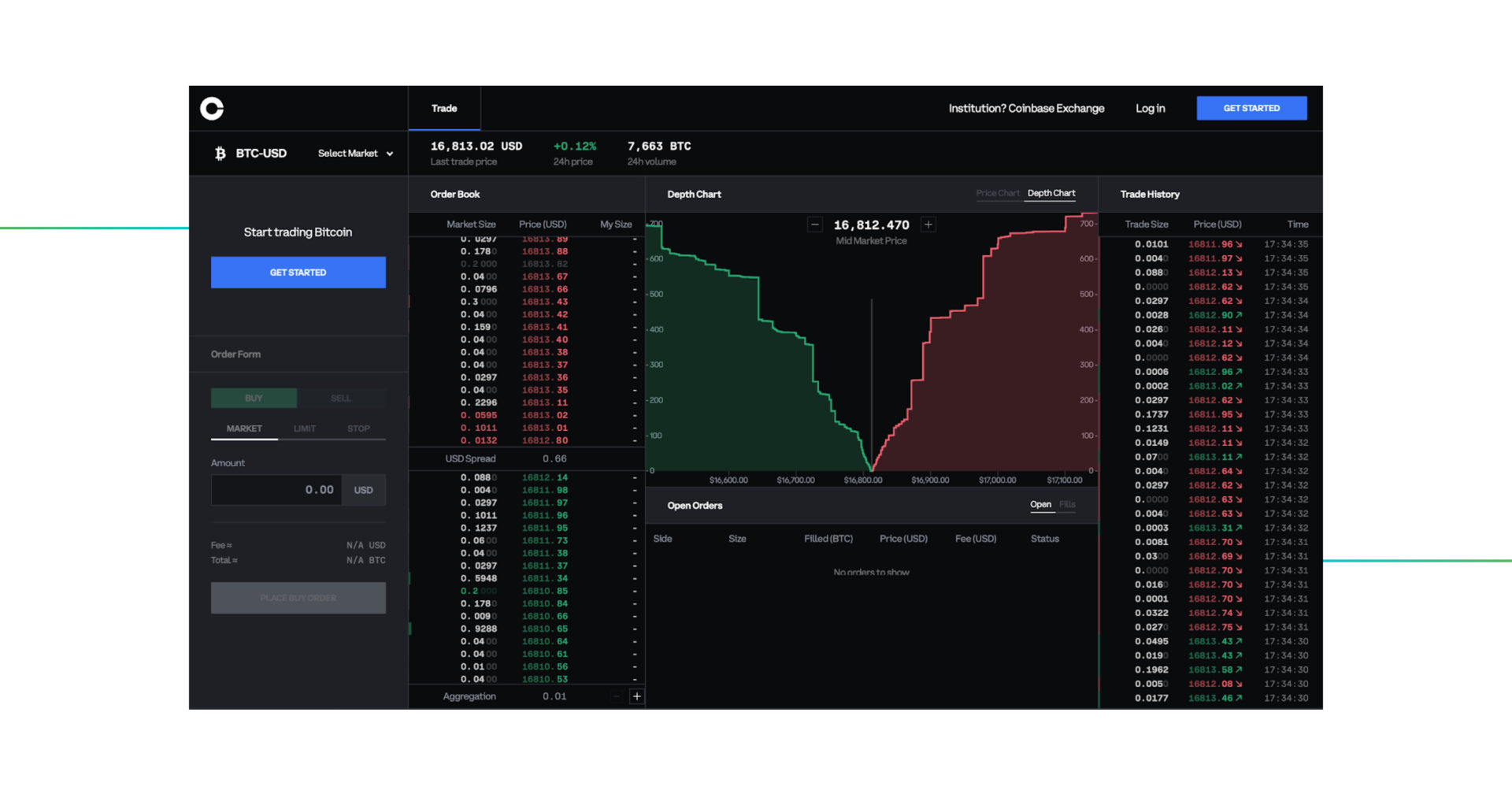
The Future of Professional-Grade Retail Investing
What happened to Coinbase Pro is reflective of a broader trend in the financial world: the “democratization of the terminal.” In the past, high-level trading tools were reserved for those behind a Bloomberg Terminal or those using specialized software. Today, the line between a casual investor and a professional trader is blurring.
The transition to Advanced Trade signifies that professional tools are no longer a “niche” product. As more people look to crypto as a legitimate asset class for retirement accounts, side hustles, or wealth preservation, the demand for sophisticated financial tools will only grow. Coinbase’s decision to integrate these tools into its main platform suggests that the future of personal finance is one where every user has the power of a professional trading desk in their pocket.
By retiring the “Pro” brand and focusing on “Advanced” capabilities, Coinbase has signaled that it wants to be more than just a place to buy Bitcoin. It wants to be a comprehensive financial hub where users can earn interest on their holdings, borrow against their assets, and trade with institutional precision—all from a single, unified balance sheet. For the modern investor, this change represents a maturation of the market, offering a more efficient, cost-effective, and secure way to participate in the digital economy. While the name “Coinbase Pro” may be gone, the financial philosophy it represented is now more integrated and accessible than ever before.
aViewFromTheCave is a participant in the Amazon Services LLC Associates Program, an affiliate advertising program designed to provide a means for sites to earn advertising fees by advertising and linking to Amazon.com. Amazon, the Amazon logo, AmazonSupply, and the AmazonSupply logo are trademarks of Amazon.com, Inc. or its affiliates. As an Amazon Associate we earn affiliate commissions from qualifying purchases.