
Navigating the world of digital finance requires not only a keen eye for investment opportunities but also a clear understanding of how to exit positions and realize gains. For many retail investors, Crypto.com has become a primary hub for managing a digital portfolio due to its user-friendly interface and robust ecosystem. However, the process of selling cryptocurrency—converting a volatile digital asset into a stable fiat currency or a different asset class—is a critical financial maneuver that must be handled with precision to minimize costs and maximize returns.
Selling crypto is more than just a technical execution; it is a fundamental part of a broader personal finance strategy. Whether you are rebalancing your portfolio, securing profits after a market rally, or seeking liquidity for real-world expenses, understanding the mechanisms of the Crypto.com platform is essential. This guide explores the financial intricacies of selling on the platform, the step-by-step logistics of the process, and the strategic considerations every investor should keep in mind.
Evaluating Your Investment Strategy Before You Sell
Before initiating a sale, a disciplined investor must evaluate the “why” behind the transaction. In the realm of personal finance, selling an asset is often dictated by specific financial goals or risk management protocols.
Portfolio Rebalancing and Risk Mitigation
One of the most common reasons to sell crypto is portfolio rebalancing. If a specific asset, such as Bitcoin or Ethereum, has experienced significant growth, it may now represent a disproportionately large percentage of your total net worth. This increases your exposure to market volatility. Selling a portion of these holdings to diversify into other asset classes—or even other cryptocurrencies—is a hallmark of sound financial management. By selling on Crypto.com, you can effectively lock in gains and redistribute your capital to maintain your desired risk profile.
Tax-Loss Harvesting
While selling is often associated with taking profits, selling at a loss can also be a strategic financial move. Tax-loss harvesting involves selling assets that have declined in value to offset capital gains taxes incurred from other investments. Within the Crypto.com ecosystem, identifying underperforming assets and selling them before the end of the fiscal year can significantly reduce your overall tax liability, making it a vital tool for long-term wealth preservation.
Liquidity Needs and Emergency Funds
Digital assets are often viewed as long-term investments, but life sometimes necessitates immediate liquidity. Selling crypto to fund a major purchase, pay down high-interest debt, or bolster an emergency fund is a practical application of your investment gains. However, investors should always account for the time it takes to move funds from the “crypto world” into a traditional bank account, a process known as “off-ramping.”
Navigating the Crypto.com Interface for Financial Transactions
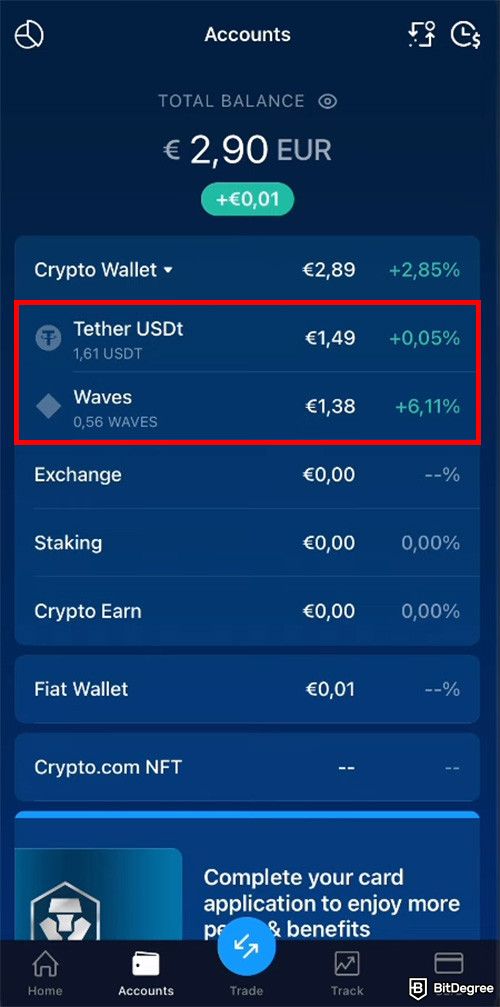
The Crypto.com app is designed to streamline the selling process, offering two primary paths: selling to a Fiat Wallet or converting to another cryptocurrency (often a stablecoin). Understanding the difference between these options is key to managing your liquidity.
Selling to Your Fiat Wallet
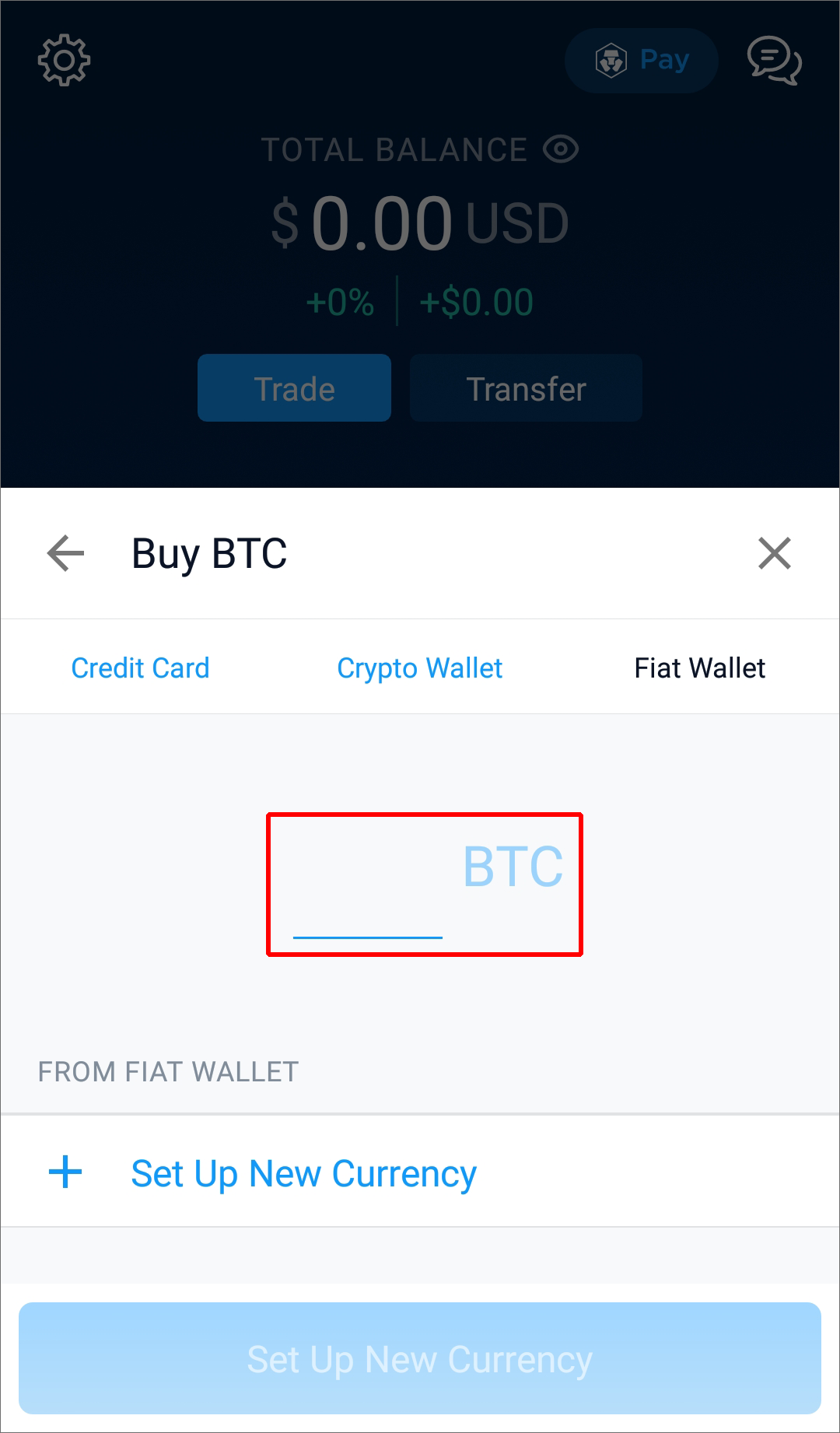
For most users, “selling” means converting crypto into government-issued currency like USD, EUR, or GBP. To do this on Crypto.com, you must first set up a Fiat Wallet. This involves selecting your preferred currency and completing any necessary identity verification or banking links.
Once the Fiat Wallet is active, the process is straightforward:
-
Open the app and tap the “Accounts” button or the main “Sell” button on the home screen.
-
Select the specific cryptocurrency you wish to sell.
-
Choose the “Fiat Wallet” option as the destination for the funds.
-
Enter the amount of crypto you wish to sell. The app will provide a real-time exchange rate.
-
Review the transaction details, including any associated spread, and confirm the sale.
The funds will appear in your Fiat Wallet almost instantly, where they can stay until you decide to withdraw them to a linked bank account.
Converting to Stablecoins
Investors who want to “park” their capital without leaving the digital asset ecosystem often choose to sell their volatile assets for stablecoins like USDC or USDT. Stablecoins are pegged to the value of a fiat currency, providing a haven from market swings while keeping the capital “on-chain.” This allows for faster reinvestment when new opportunities arise. Selling to a stablecoin follows the same logic as selling to fiat, except you select the “Crypto Wallet” and the specific stablecoin as your destination.
Understanding Fees, Spreads, and the Cost of Liquidity
In personal finance, every transaction has a cost. To maximize the amount of money that actually reaches your pocket, you must understand how Crypto.com charges for its services. Unlike some professional exchanges that use a “maker-taker” fee model, the Crypto.com app primarily uses a “spread.”
The Impact of Market Spread
The spread is the difference between the “buy” price and the “sell” price of an asset. When you sell crypto on the app, you are essentially selling it to Crypto.com at their quoted price. This price is often slightly lower than the global spot price you might see on a tracking site like CoinMarketCap. For large transactions, this spread can represent a significant percentage of your total value. To minimize the impact of the spread, some advanced users prefer to move their assets to the Crypto.com Exchange (a separate platform for more technical trading) where they can set “Limit Orders” to sell at a specific price.
Withdrawal Fees and Limits
Once you have sold your crypto for fiat, the final step is moving that money to your bank. While Crypto.com often offers free ACH or SEPA transfers, there may be minimum withdrawal limits. Additionally, your destination bank might charge incoming wire fees. It is crucial to factor these “hidden” costs into your financial planning, especially if you are liquidating smaller amounts where fixed fees can eat into your principal.
Off-Ramping Strategies and Managing Liquidity
Successfully selling your crypto is only half the battle; the other half is integrating those funds back into your traditional financial life. Crypto.com offers several innovative “off-ramps” that cater to different financial needs.
Bank Transfers (The Traditional Route)
The most common off-ramp is a direct transfer from your Fiat Wallet to your bank account. This is the best method for large sums intended for long-term savings or traditional investments like real estate or stocks. Depending on your region and the banking network used (such as ACH in the US or SEPA in Europe), these transfers can take anywhere from a few hours to several business days.
The Crypto.com Visa Card (The Spending Route)
For those who wish to use their crypto profits for daily expenses, the Crypto.com Visa Card is a powerful tool. Instead of withdrawing funds to a bank, you can “top up” your card using the fiat generated from your crypto sale. This allows you to spend your gains directly at millions of merchants worldwide. From a personal finance perspective, this is a highly efficient way to access liquidity without waiting for bank transfer processing times.
Reinvestment and Interest-Bearing Accounts
Selling doesn’t always mean leaving the market. Sometimes, selling a volatile asset is a precursor to moving into a “low-risk” crypto product. While the regulatory landscape for interest-bearing crypto accounts is constantly shifting, many investors use their sale proceeds to engage in “staking” or other reward-based programs within the app, allowing their realized gains to continue earning a yield.
Security and Risk Management in Financial Transactions
When dealing with significant sums of money, security is paramount. The act of selling and withdrawing funds is a high-stakes moment where errors can be costly.
Verifying Destination Details
Whether you are converting crypto to a stablecoin or withdrawing fiat to a bank, always double-check the destination. For bank transfers, ensure your banking details are up to date. For crypto-to-crypto sales, ensure you are using the correct network. A mistake in a wallet address or a bank account number can lead to a permanent loss of funds, a risk that does not exist in traditional banking but is a reality in the digital asset space.
Multi-Factor Authentication (MFA)
Before performing a sale, ensure your account security is at its maximum. Enable Biometric ID and Multi-Factor Authentication (MFA) via an app like Google Authenticator. Crypto.com requires these for withdrawals, but having them active for all transaction types adds a layer of protection against unauthorized liquidations.
Tax Record Keeping
From a financial tool perspective, Crypto.com provides transaction histories that are essential for tax season. Every time you sell crypto, you create a taxable event. It is a best practice to download your transaction logs regularly and use crypto tax software to calculate your gains and losses. Maintaining organized financial records ensures that you remain compliant with local regulations and avoids the stress of manual calculations during tax filings.
By treating the process of selling crypto on Crypto.com as a professional financial operation rather than a simple app interaction, you can protect your wealth, minimize unnecessary costs, and ensure that your digital investments serve your long-term personal finance goals. Understanding the balance between liquidity, fees, and strategy is what separates a casual user from a sophisticated investor.
aViewFromTheCave is a participant in the Amazon Services LLC Associates Program, an affiliate advertising program designed to provide a means for sites to earn advertising fees by advertising and linking to Amazon.com. Amazon, the Amazon logo, AmazonSupply, and the AmazonSupply logo are trademarks of Amazon.com, Inc. or its affiliates. As an Amazon Associate we earn affiliate commissions from qualifying purchases.