
The landscape of global finance has undergone a seismic shift over the last decade. What began as an experimental whitepaper published by an anonymous figure has evolved into a multi-trillion-dollar asset class that challenges traditional notions of value, sovereignty, and banking. Cryptocurrency is no longer a niche interest for technologists; it is a legitimate pillar of modern personal finance and institutional investment strategies. However, for the uninitiated, the point of entry can seem daunting. Navigating the world of digital assets requires more than just technical savvy—it requires a disciplined financial mindset, an understanding of market mechanics, and a robust approach to security.

Investing in cryptocurrency is fundamentally about participating in a new era of decentralized finance. Whether you are looking to hedge against inflation with Bitcoin or explore the utility of smart contract platforms like Ethereum, the process of purchasing these assets must be handled with the same rigor you would apply to the stock market or real estate. This guide outlines the strategic path for acquiring digital assets, ensuring that your journey into the crypto markets is both secure and systematic.
Building a Solid Foundation for Your Digital Portfolio
Before clicking the “buy” button, a prudent investor must establish a framework for their participation in the crypto market. Unlike traditional equities, the cryptocurrency market operates 24/7 and is characterized by significant volatility. This volatility is both its greatest risk and its greatest opportunity for wealth generation.
Understanding the Asset Class
Cryptocurrency is not a monolithic category. To buy effectively, you must understand what you are buying. Bitcoin is often viewed as “digital gold”—a store of value and a hedge against the debasement of fiat currency. Ethereum and its competitors act more like decentralized operating systems, where the value is derived from the utility and the ecosystem of applications built on top of them. Stablecoins, pegged to the value of traditional currencies like the US dollar, provide a bridge between the old and new financial systems. Identifying where a specific asset fits within your broader financial strategy is the first step toward a successful purchase.
Setting Financial Goals and Risk Tolerance
As with any investment, you should never allocate more capital than you can afford to lose. The high-reward potential of digital assets comes with a high-risk profile. Financial advisors often suggest a small percentage allocation—anywhere from 1% to 5% of a total portfolio—for high-growth, high-volatility assets like crypto. Define your timeframe: are you a long-term “HODLer” looking to hold for five to ten years, or are you looking for short-term cyclical gains? Establishing these parameters early prevents emotional decision-making during market swings.
Choosing the Right Cryptocurrency Exchange
The gateway to the world of digital assets is the exchange. This is the platform where you will swap your traditional fiat currency (USD, EUR, GBP) for digital tokens. Not all exchanges are created equal, and your choice will depend on your location, your level of experience, and your security requirements.
Centralized vs. Decentralized Exchanges
Most first-time buyers will start with a Centralized Exchange (CEX). These platforms, such as Coinbase, Kraken, or Binance, act as intermediaries. They offer a user-friendly interface, high liquidity, and regulatory compliance. They are the most straightforward way to link a bank account and convert cash into crypto.
In contrast, Decentralized Exchanges (DEXs) like Uniswap operate without a central authority. While they offer greater privacy and control over your funds, they require a higher level of technical knowledge and generally do not allow for direct fiat-to-crypto purchases. For the purpose of “buying” crypto for the first time, a reputable CEX is the standard recommendation.
Evaluating Security and Fee Structures
When selecting a platform, prioritize security above all else. Look for exchanges that utilize cold storage (keeping the majority of customer funds offline), offer two-factor authentication (2FA), and have a proven track record of rebuffing cyberattacks.
Equally important is the fee structure. Exchanges make money through trading fees, withdrawal fees, and “spreads” (the difference between the buy and sell price). While a 1% fee might seem negligible, it can significantly erode your returns over time, especially if you are making frequent purchases. Compare the tiered fee schedules of various platforms to ensure you are getting the most value for your capital.
The Step-by-Step Purchase Process
Once you have selected an exchange, the actual process of buying involves several administrative and financial hurdles designed to protect both the investor and the integrity of the financial system.
Verifying Your Identity (KYC)
To comply with global financial regulations, reputable exchanges require a process known as Know Your Customer (KYC). This involves providing government-issued identification, such as a passport or driver’s license, and often a “selfie” or proof of residence. While this may feel intrusive to those seeking the anonymity crypto was originally known for, it is a mandatory step for any platform that connects to the traditional banking system. KYC protocols help prevent money laundering and fraud, providing a layer of legal protection for your investment.
Funding Your Account
After your account is verified, you must transfer capital onto the platform. There are several common methods:
-
Bank Transfers (ACH or Wire): Usually the most cost-effective method. While it may take a few days for funds to clear, the fees are typically low or non-existent.
-
Credit and Debit Cards: These offer the advantage of speed, allowing for near-instant purchases. However, they carry the highest fees—often upwards of 3-4%—and some banks may treat crypto purchases as cash advances, incurring additional interest.
-
P2P Trading: Some platforms allow you to buy directly from other individuals, using various payment methods like Venmo or PayPal.
Executing Your First Trade
With funds in your account, you are ready to place an order. You will generally have two main choices:
-
Market Order: You buy the cryptocurrency immediately at the current market price. This is the simplest method but may result in paying a slightly higher price if the market is moving quickly.
-
Limit Order: You set a specific price at which you are willing to buy. The trade only executes if the market hits that price. This is the preferred method for disciplined investors who want to avoid overpaying during “fomo” (fear of missing out) cycles.
Storage and Security: Protecting Your Digital Wealth
The most critical distinction between buying crypto and buying stocks is the concept of custody. In the crypto world, the phrase “Not your keys, not your coins” is a foundational rule. If you leave your assets on an exchange, the exchange technically controls them. To truly “own” your investment, you must understand storage.
Hot Wallets vs. Cold Storage
A “Hot Wallet” is a software application on your phone or computer that is connected to the internet. These are convenient for frequent trading but are vulnerable to hacks and malware.
For significant sums, “Cold Storage” is the gold standard. Hardware wallets, such as those produced by Ledger or Trezor, are physical devices that keep your private keys (the digital signature required to authorize transactions) completely offline. By using cold storage, you eliminate the risk of online theft, ensuring that your wealth remains under your exclusive control.
Managing Private Keys and Seed Phrases
When you set up a private wallet, you will be given a “seed phrase”—a series of 12 to 24 random words. This phrase is the master key to your funds. If you lose your hardware wallet, you can use this phrase to recover your assets. Conversely, if someone else gets your seed phrase, they can steal your entire portfolio instantly. Never store this phrase digitally; write it down on paper or engrave it in metal and store it in a secure, fireproof location.
Strategic Considerations and Long-Term Management
Buying cryptocurrency is not a “set it and forget it” endeavor. Because the market is in a state of constant evolution, your strategy must be dynamic and informed by the broader economic climate.
Dollar-Cost Averaging (DCA)
Trying to time the bottom of a market is a losing game for most investors. A more sophisticated approach is Dollar-Cost Averaging (DCA). This involves investing a fixed amount of money at regular intervals (e.g., $200 every month) regardless of the price. When prices are high, your $200 buys less; when prices are low, it buys more. Over time, this strategy smooths out volatility and lowers your average cost basis, removing the emotional stress of daily price fluctuations.

Portfolio Diversification and Rebalancing
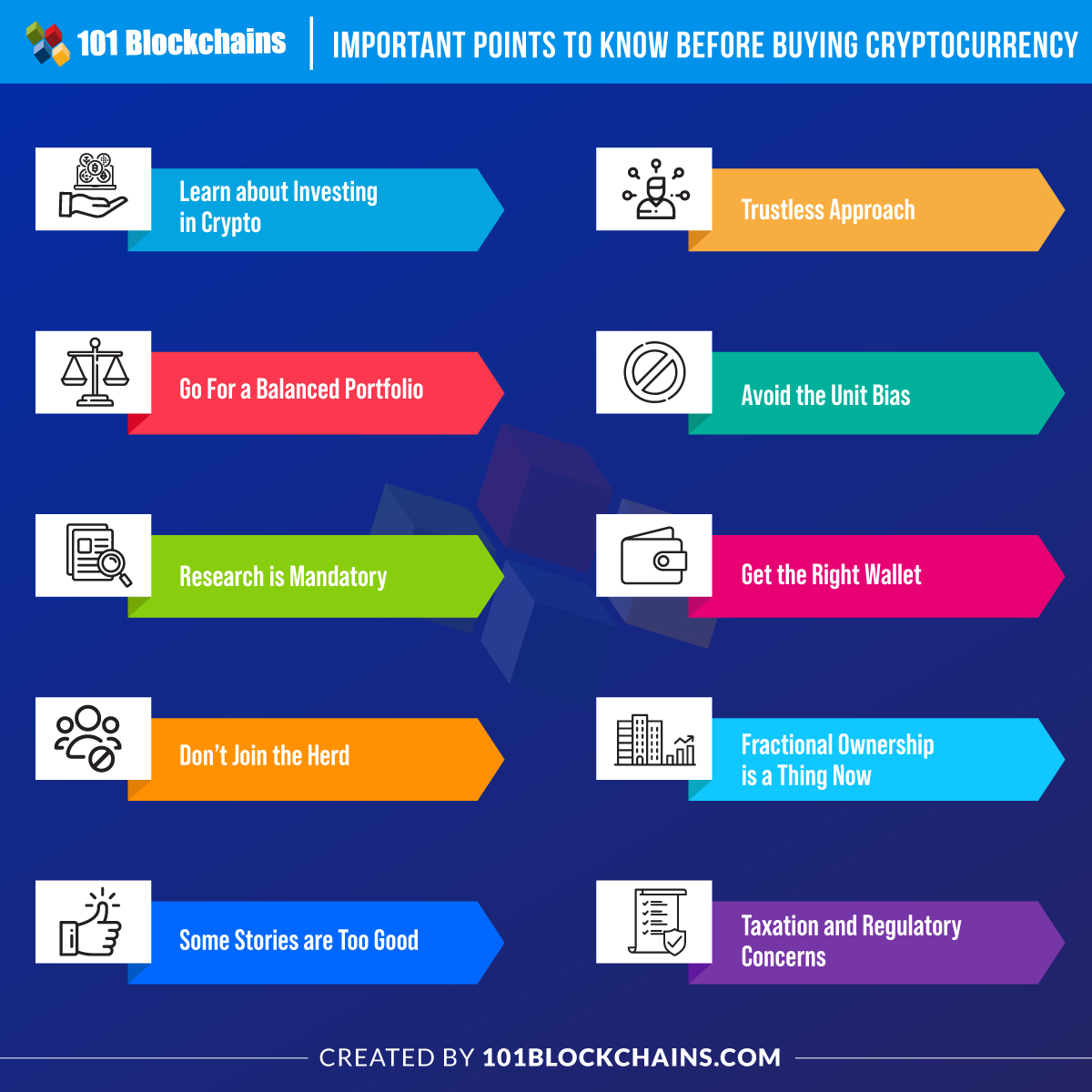
As your portfolio grows, it is essential to rebalance. If you started with a 50/50 split between Bitcoin and Ethereum, but Ethereum’s price surges while Bitcoin remains stagnant, your portfolio may become skewed. Periodically “taking profits” from top-performing assets and reinvesting them into laggards or stablecoins helps maintain your desired risk profile.
Furthermore, stay cognizant of the tax implications. In many jurisdictions, every time you sell or trade one cryptocurrency for another, it is a taxable event. Keeping meticulous records of your purchase prices (cost basis) and sale prices will save you significant headaches during tax season.
Buying cryptocurrency is a gateway into the future of finance. By approaching the market with a focus on security, a commitment to education, and a disciplined investment strategy, you can navigate the complexities of this digital frontier and position yourself to benefit from the ongoing transformation of the global economy.
aViewFromTheCave is a participant in the Amazon Services LLC Associates Program, an affiliate advertising program designed to provide a means for sites to earn advertising fees by advertising and linking to Amazon.com. Amazon, the Amazon logo, AmazonSupply, and the AmazonSupply logo are trademarks of Amazon.com, Inc. or its affiliates. As an Amazon Associate we earn affiliate commissions from qualifying purchases.