
The landscape of personal finance has undergone a seismic shift over the last decade. As traditional savings accounts offer negligible interest rates and the global economy grapples with inflationary pressures, individual investors are increasingly looking toward digital assets to diversify their portfolios. Coinbase has emerged as the premier gateway for these investors, providing a regulated, user-friendly platform that bridges the gap between traditional fiat currency and the burgeoning world of cryptocurrency. Understanding how to navigate this platform is no longer just a technical skill; it is a fundamental component of modern financial literacy.
Investing in digital assets requires more than just an interest in technology; it requires a strategic approach to capital allocation, an understanding of market liquidity, and a commitment to security. This guide explores the comprehensive process of buying on Coinbase, framed through the lens of prudent financial management and long-term wealth creation.
Understanding the Coinbase Ecosystem as a Financial Gateway
Before executing your first trade, it is essential to understand where Coinbase fits within the broader financial infrastructure. Unlike decentralized exchanges, Coinbase operates as a centralized brokerage and custodian. This means it assumes a level of regulatory responsibility that provides a layer of security for those moving significant capital into the crypto market. For the serious investor, Coinbase is not merely an app; it is a sophisticated financial tool that offers deep liquidity and institutional-grade security.
The Role of Coinbase in a Modern Portfolio
Incorporating digital assets like Bitcoin or Ethereum into a traditional investment portfolio is often driven by the desire for non-correlated assets. While the crypto market is known for its volatility, many financial advisors view a small, disciplined allocation—ranging from 1% to 5%—as a way to potentially enhance overall returns. Coinbase facilitates this by providing a transparent pricing model and a wide array of assets. By using Coinbase, investors gain access to a liquid market where they can enter and exit positions with ease, a critical factor when managing a high-growth investment strategy.
Compliance and Security: Protecting Your Capital
From a financial perspective, the security of your principal is paramount. Coinbase is a publicly traded company in the United States, meaning it adheres to rigorous financial reporting standards and regulatory oversight. This includes strict “Know Your Customer” (KYC) and “Anti-Money Laundering” (AML) protocols. While the onboarding process may require personal documentation, this regulatory compliance is what allows Coinbase to maintain partnerships with major banking institutions, ensuring that your transfers of fiat currency—whether USD, EUR, or GBP—are handled with the same scrutiny as a traditional brokerage account.
The Practical Mechanics of Funding Your Account
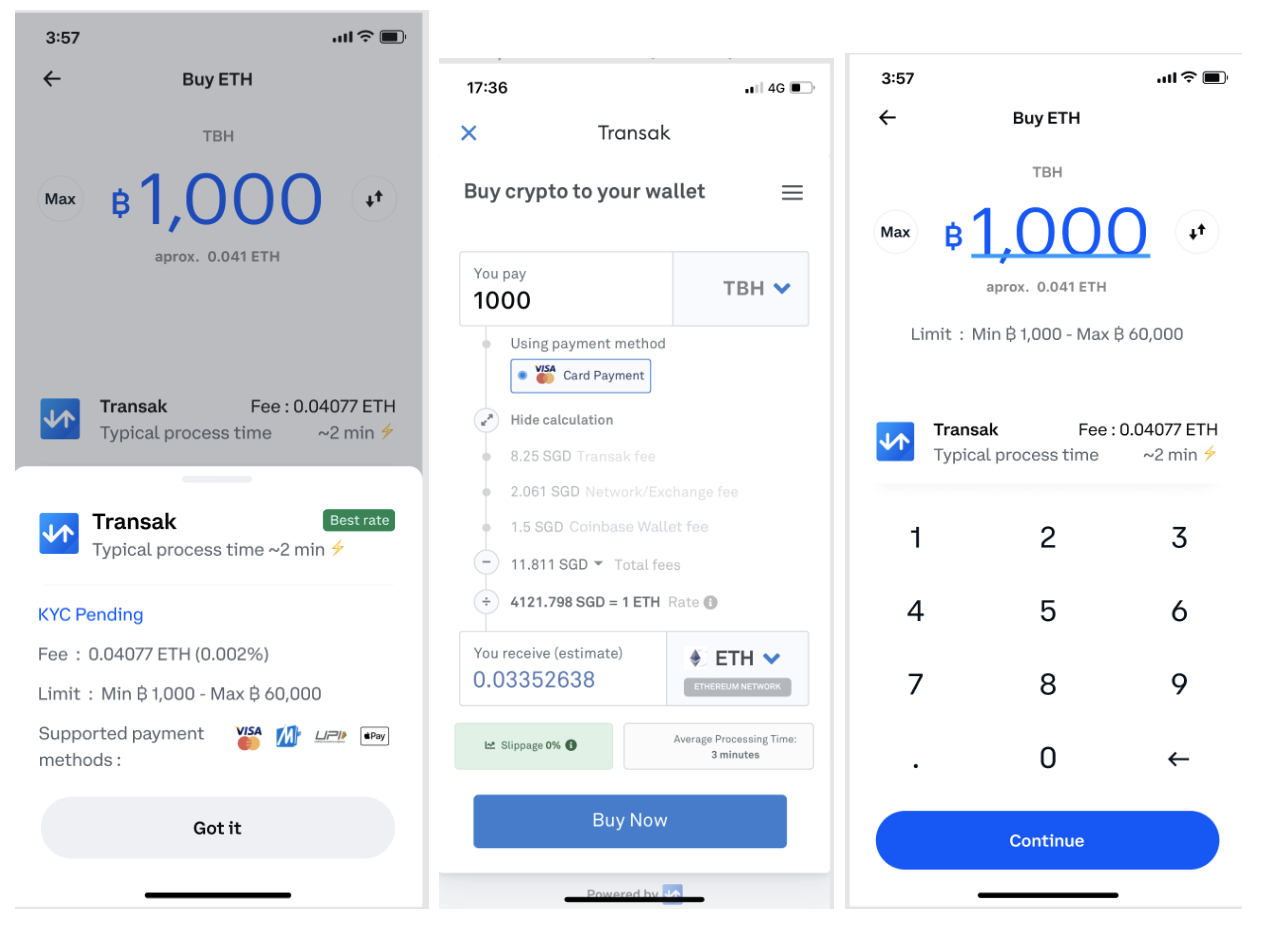
The transition from fiat currency to digital assets is the most critical step in the buying process. Financial efficiency starts here, as the method you choose to fund your account can significantly impact your “drag” or the total cost of your investment due to fees and processing times.
Setting Up a Verified Financial Profile
To begin, you must establish a verified account. This involves providing legal identification and proof of residence. From a wealth management perspective, this step is vital because it establishes the legal bridge between your traditional bank and your digital holdings. Once verified, you can link various payment methods.
For the cost-conscious investor, the choice of funding source is a strategic decision. Linking a bank account via ACH (Automated Clearing House) is typically the most cost-effective method in the United States, often carrying lower fees than debit card purchases. While debit cards offer the advantage of “instant” buys, they frequently command higher transaction fees that can eat into your initial investment capital. For high-net-worth individuals moving larger sums, wire transfers—though they may involve a flat fee from your bank—are often the most efficient way to move capital for immediate deployment into the market.
Understanding the Fee Structure
Every savvy investor knows that fees are the enemy of compound interest. Coinbase utilizes a tiered fee structure that varies based on the size of the transaction and the payment method used. There are two primary ways to buy: the “Simple Buy” interface and the “Advanced” trading platform. The simple interface is designed for ease of use but often includes a spread and a higher flat fee. In contrast, using the “Advanced” feature allows you to participate directly in the order book with maker and taker fees that are significantly lower. Mastering the Advanced interface is one of the quickest ways to improve your investment’s cost-basis.
Executing Trades and Optimizing Entry Points
Once your account is funded, the next step is the actual purchase of assets. In the realm of personal finance, timing and execution are key. However, for most long-term investors, the “how” of buying is often more important than the “when.”
Market vs. Limit Orders: Managing Execution Risk
When you decide to buy, you are presented with several order types. A “Market Order” executes your trade immediately at the current market price. This is useful for those who want to ensure they get into the market right away, regardless of minor price fluctuations. However, in a volatile market, this can lead to “slippage,” where the final execution price is higher than expected.
A “Limit Order” allows you to set a specific price at which you are willing to buy. This is a crucial tool for the disciplined investor. By setting a limit order, you remove the emotional impulse to “chase” a rising price. If the market dips to your specified price, the trade executes automatically. This level of automation is a cornerstone of professional asset management, allowing you to buy at valuations you have pre-determined to be favorable.
Dollar-Cost Averaging (DCA)
Volatility is the most cited concern for new crypto investors. To mitigate the risk of buying at a local “top,” many successful investors utilize a strategy known as Dollar-Cost Averaging (DCA). Coinbase facilitates this through its “Recurring Buy” feature. By setting up an automated purchase of a fixed dollar amount every week or month, you buy more units when prices are low and fewer units when prices are high. Over time, this lowers your average cost-basis and removes the psychological stress of trying to “time the market.” In the world of finance, consistency often outperforms brilliance, and DCA is the ultimate tool for consistency.
Strategic Portfolio Management and Yield Generation
Buying the asset is only the beginning. Proper financial management requires ongoing oversight and the optimization of your holdings to ensure they are working for you.
Diversification Within the Digital Asset Class
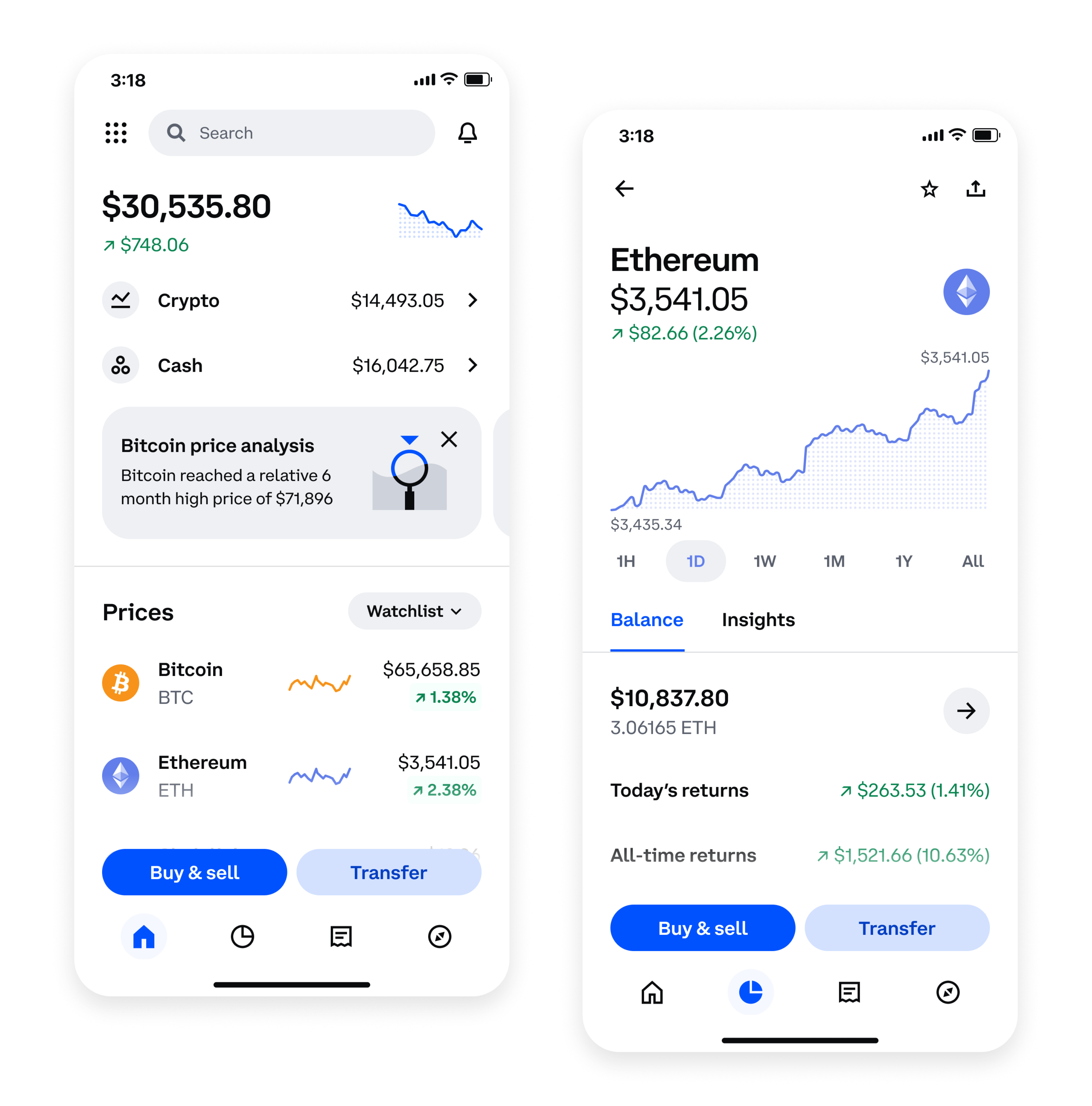
Just as you wouldn’t put all your capital into a single stock, a robust digital asset strategy involves diversification. Coinbase offers hundreds of assets, ranging from established giants like Bitcoin (often viewed as “digital gold”) to smart-contract platforms like Ethereum and Solana. A balanced portfolio might include a core holding of “Blue Chip” cryptocurrencies complemented by smaller allocations to emerging sectors like Decentralized Finance (DeFi) or Layer 2 scaling solutions. Coinbase’s portfolio tracking tools allow you to visualize your allocations and ensure your risk profile remains aligned with your financial goals.
Earning Rewards through Staking
One of the most compelling reasons to use Coinbase as a financial hub is the ability to earn a yield on your idle assets. Through a process called “Staking,” you can participate in the security of certain blockchain networks. In exchange for “locking” your assets, you receive rewards in the form of additional cryptocurrency. This is analogous to earning dividends on a stock or interest on a bond. For assets like Ethereum or Cardano, the annual percentage yield (APY) can significantly outperform traditional savings vehicles, turning a static investment into a productive, cash-flowing asset.
Risk Management and Regulatory Compliance
The final pillar of buying on Coinbase is safeguarding the wealth you have built. As your portfolio grows, so does the importance of advanced security measures and tax compliance.
Protecting Your Digital Wealth
In the digital world, security is the equivalent of a vault. Coinbase provides several layers of protection, but the investor must be proactive. Enabling Two-Factor Authentication (2FA) is a non-negotiable step. However, for maximum security, you should use a hardware-based security key or an authenticator app rather than SMS-based 2FA, which is vulnerable to SIM-swapping attacks. Furthermore, for those with significant holdings, Coinbase offers “The Vault,” a storage solution that requires multiple approvals and a time-delay for withdrawals, providing a safeguard against unauthorized access.
Tax Implications and Reporting
From a business and personal finance perspective, every trade is a taxable event. In many jurisdictions, including the United States, the IRS treats cryptocurrency as property. This means every time you sell or trade one asset for another, you may realize a capital gain or loss. Coinbase simplifies this complex aspect of financial management by providing integrated tax reporting tools. Users can generate gain/loss reports or export their transaction history to specialized tax software. Keeping meticulous records is essential for avoiding regulatory scrutiny and ensuring that your investment strategy remains sustainable in the long term.
Investing through Coinbase is more than a simple transaction; it is an entry into a new financial paradigm. By understanding the nuances of fees, leveraging professional trading tools like limit orders, and utilizing yield-generating strategies like staking, investors can move beyond speculation and toward true wealth building. As digital assets continue to integrate with the global financial system, the ability to navigate platforms like Coinbase with precision and strategic intent will remain a vital asset for any serious investor.
aViewFromTheCave is a participant in the Amazon Services LLC Associates Program, an affiliate advertising program designed to provide a means for sites to earn advertising fees by advertising and linking to Amazon.com. Amazon, the Amazon logo, AmazonSupply, and the AmazonSupply logo are trademarks of Amazon.com, Inc. or its affiliates. As an Amazon Associate we earn affiliate commissions from qualifying purchases.