
The transition of “Mad Men” from a linear cable powerhouse to a digital streaming staple represents more than just a change in viewership habits; it serves as a case study for the evolution of the modern tech stack in the entertainment industry. For those looking to revisit the high-stakes world of Sterling Cooper or for new viewers discovering Don Draper for the first time, the question of where “Mad Men” streams is answered by a complex web of licensing agreements, platform-specific software architectures, and the shifting landscape of Video on Demand (VOD) technology.

Finding “Mad Men” in today’s fragmented digital market requires an understanding of how content libraries are managed across different tech ecosystems. As streaming giants battle for market share, the availability of prestige dramas often hinges on backend negotiations and the technological infrastructure of the platforms hosting them.
The Current Streaming Architecture for Mad Men
As of the current market cycle, “Mad Men” does not live on a single, permanent platform. Instead, it moves through the digital ecosystem based on tiered licensing models. To access the show, users must navigate several distinct types of streaming technology.
Subscription Video on Demand (SVOD) Platforms
The most common way to stream “Mad Men” is through AMC+, the proprietary streaming service of the network that originally aired the show. From a technical standpoint, AMC+ represents a niche SVOD model designed to aggregate specific intellectual properties into a streamlined user interface. The service is often delivered as a “channel” within larger ecosystems like Amazon Prime Video or Apple TV. This integration relies on robust API frameworks that allow third-party platforms to authenticate subscriptions and pull metadata from AMC’s servers seamlessly.
Ad-Supported Video on Demand (AVOD) and FAST Channels
In a significant shift for prestige television, “Mad Men” has also been integrated into Free Ad-Supported Streaming TV (FAST) platforms, such as Amazon Freevee. This model utilizes sophisticated ad-insertion technology. Unlike traditional cable commercials, these platforms use server-side ad insertion (SSAI) to provide a personalized viewing experience. This tech allows the stream to remain fluid while injecting targeted advertisements based on user data, ensuring that the monetization of legacy content remains viable in a post-cable world.
Digital Purchase and Transactional VOD (TVOD)
For viewers who prefer digital ownership over the volatility of subscription libraries, “Mad Men” remains available on TVOD platforms like iTunes, Google TV, and the Microsoft Store. These platforms utilize Digital Rights Management (DRM) software to ensure that the content is locked to a specific user account across various hardware devices. This tech stack prioritizes high-fidelity playback and cloud-based library management, allowing users to access their purchase regardless of the hardware—be it a smartphone, a tablet, or a smart TV.
The Technical Evolution of the Mad Men Viewing Experience
While the narrative of “Mad Men” is set in the 1960s, the technology used to deliver it to modern audiences is cutting-edge. When the show first aired, high-definition (HD) broadcasting was just becoming the standard. Today, the digital files served by streaming platforms have undergone significant technical refinement.
Bitrate Management and Adaptive Bitrate Streaming
One of the most critical components of streaming a visually dense show like “Mad Men” is Adaptive Bitrate Streaming (ABS). Because the show relies heavily on costume textures, subtle lighting, and period-accurate set designs, maintaining visual integrity is paramount. Streaming platforms use H.264 or H.265 (HEVC) codecs to compress video files. ABS technology monitors the viewer’s internet speed in real-time and adjusts the video quality accordingly. If your bandwidth drops, the player switches to a lower-resolution segment to prevent buffering, ensuring the narrative flow remains uninterrupted.
The Preservation of Period Aesthetics Through Upscaling
While “Mad Men” was shot on 35mm film, providing a rich, cinematic look, the digital masters have been optimized for modern displays. Many streaming devices now employ AI-driven upscaling. If you are watching “Mad Men” on a 4K OLED screen via an Apple TV 4K or an Nvidia Shield, the hardware uses machine learning algorithms to fill in missing pixels, sharpening edges and reducing noise without compromising the intentional film grain that gives the show its distinct atmosphere.
Audio Encoding and Soundscapes
The sound design of “Mad Men”—the clinking of ice cubes, the hum of typewriters, and the curated soundtrack—is delivered through advanced audio codecs like Dolby Digital Plus. In the streaming environment, these audio streams are often separated from the video data to allow for multi-channel surround sound configurations, providing an immersive auditory experience that exceeds the capabilities of the original 2007 broadcast.
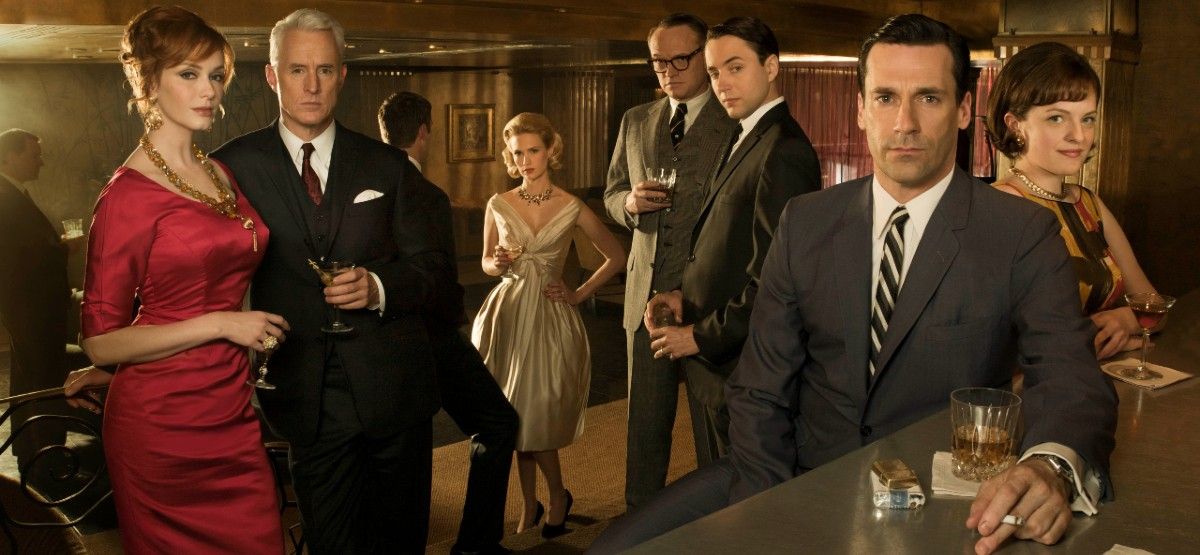
Content Discovery: How Algorithms Lead You Back to 1960s New York
The question of where “Mad Men” streams is often answered by the recommendation engines built into our favorite apps. The tech behind “discovery” is what keeps legacy content from fading into obscurity.
Metadata and Tagging Systems
Streaming platforms utilize extensive metadata tags to categorize content. “Mad Men” isn’t just tagged as a “Drama.” It is indexed under “Period Pieces,” “Mid-Century Modern,” “Anti-Hero Protagonists,” and “Workplace Dynamics.” When you finish a contemporary show with similar themes, the platform’s recommendation engine analyzes your viewing history and uses collaborative filtering to suggest “Mad Men.” This algorithmic nudge is a key driver of the show’s continued relevance in the digital age.
Cross-Platform Search and Voice Integration
Modern smart home ecosystems have simplified the search for “Mad Men.” Using natural language processing (NLP), devices like Alexa, Siri, and Google Assistant can scan multiple streaming apps simultaneously. When a user asks, “Where can I watch Mad Men?”, the device’s software queries the APIs of every installed app, identifies which service has the license, and even checks if the user has an active subscription. This interoperability between different software providers represents a major leap in user experience (UX) design.
Digital Rights and the Tech of Geoblocking
Because of the intricate nature of international media law, “Mad Men” is not available on the same platforms in every country. This is managed through a technology known as geoblocking.
IP Filtering and Content Availability
Streaming services use IP-based geolocation to determine which library a user should see. While “Mad Men” might be on AMC+ in the United States, it may be licensed to Stan in Australia or Sky in the United Kingdom. The platform’s backend checks the user’s IP address against a global database to enforce these licensing restrictions. This digital gatekeeping is a necessary component of the global content economy, ensuring that local distributors maintain the value of their purchased rights.
The Role of VPNs in the Streaming Tech Stack
The use of Virtual Private Networks (VPNs) has become a popular “grey market” solution for tech-savvy viewers looking to access “Mad Men” from regions where it isn’t currently streaming. A VPN encrypts the user’s data and routes it through a server in a different country, effectively masking their true location. However, streaming platforms have fought back with advanced VPN detection software, identifying and blacklisting known VPN server IP ranges to maintain the integrity of their regional licensing agreements.
The Future of Legacy Content in the Cloud
As we look toward the future of where “Mad Men” and similar prestige titles will stream, the technology is moving toward even greater integration and decentralization.
The Shift Toward “Super-Aggregators”
The current “streaming wars” have led to app fatigue. The next technological shift involves “super-aggregation,” where hardware providers like Comcast (via Xfinity) or Apple (via the TV app) act as a single interface for dozens of different streaming services. In this future, the specific app where “Mad Men” lives becomes less important than the centralized hub used to access it. The software will prioritize a unified search and watch-list experience, abstracting the underlying licensing complexities away from the user.
Blockchain and Decentralized Content Distribution
While still in its infancy, some developers are exploring blockchain-based content delivery. This would involve “tokenizing” episodes of “Mad Men,” allowing for a decentralized ledger of ownership and viewing rights. This tech could potentially allow creators to bypass traditional streaming giants, though the massive server infrastructure required for high-bitrate video makes this a long-term theoretical possibility rather than a current reality.

Conclusion: The Permanent Digital Archive
Ultimately, “Mad Men” exists as a massive collection of data hosted on global server farms, distributed via content delivery networks (CDNs) that ensure a viewer in Tokyo experiences the same low-latency stream as a viewer in New York. Whether you are accessing it through a high-end SVOD subscription, a free ad-supported platform, or a permanent digital purchase, the journey of Don Draper is a testament to the power of modern software to preserve and distribute human storytelling. The question of “where” it streams is answered by the sophisticated, ever-changing infrastructure of our digital world.
aViewFromTheCave is a participant in the Amazon Services LLC Associates Program, an affiliate advertising program designed to provide a means for sites to earn advertising fees by advertising and linking to Amazon.com. Amazon, the Amazon logo, AmazonSupply, and the AmazonSupply logo are trademarks of Amazon.com, Inc. or its affiliates. As an Amazon Associate we earn affiliate commissions from qualifying purchases.