
In the landscape of modern personal finance, discretionary spending often represents the most volatile segment of a household budget. While fixed costs like rent and insurance are predictable, entertainment expenses—specifically the cost of a night out at the movies—have undergone a significant transformation. If you are asking “how much is an AMC ticket,” the answer is no longer a single, static figure. Instead, it is a variable cost influenced by geography, technology, timing, and consumer loyalty programs. Understanding these variables is essential for anyone looking to balance a high-quality lifestyle with rigorous financial discipline.

The Variable Cost of the Cinema Experience
The base price of an AMC ticket typically ranges from $10 to $25, but this range is deceptive without context. In the realm of personal finance, we must look at the “true cost” of the transaction, which is dictated by several market-driven factors.
Geographical Price Shifts
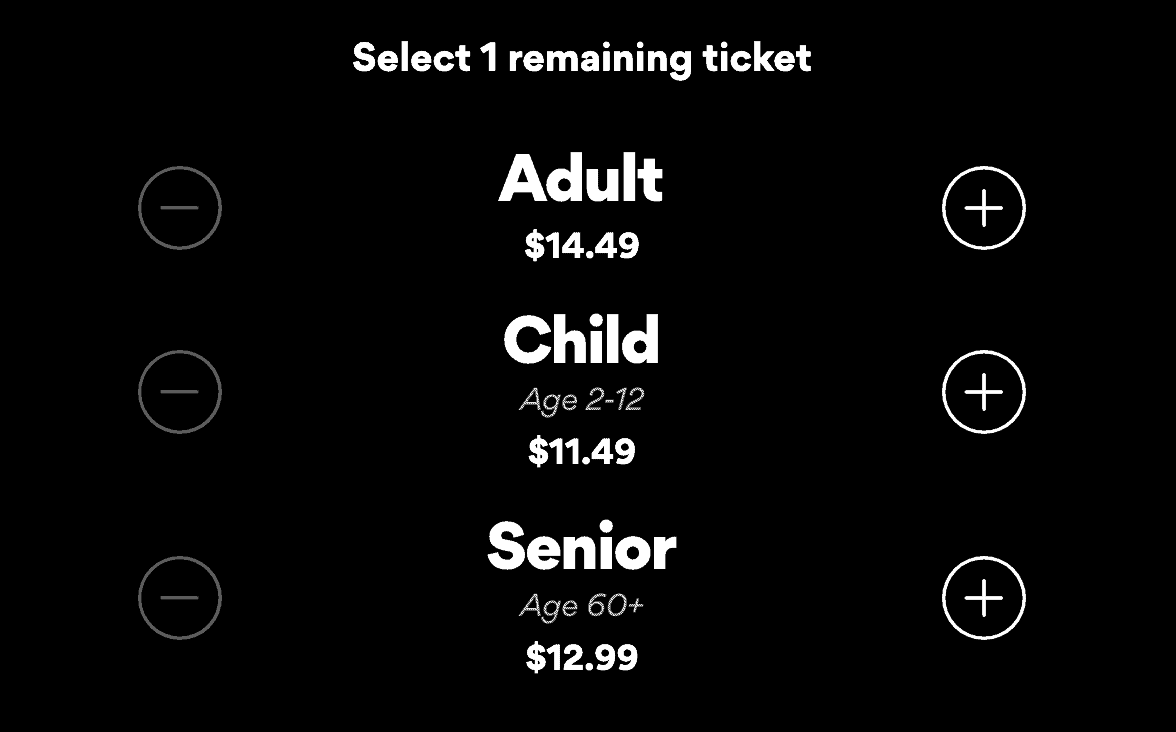
The most immediate determinant of price is location. Much like real estate, cinema pricing is a reflection of local economic conditions and operating overhead. A standard adult ticket at an AMC in Times Square, New York City, or Century City, Los Angeles, will naturally command a premium—often exceeding $20 for a standard screening. Conversely, an AMC Classic theater in a smaller Midwestern market may offer tickets for as low as $10 to $12. For the savvy consumer, understanding that theater location impacts the bottom line is the first step in entertainment budgeting.
Matinee vs. Prime Time
Time-of-day pricing is a classic example of peak-load pricing in business finance. AMC generally offers discounted “Matinee” pricing for shows starting before 4:00 PM. These discounts can range from 25% to 30% off the evening price. For a family of four, choosing a 3:30 PM showing over a 7:00 PM showing can result in a direct savings of $20 to $30—essentially covering the cost of one or two additional tickets or reducing the overall impact on the monthly leisure budget.
Premium Formats: The Cost of Innovation
AMC has heavily invested in premium large formats (PLF), such as IMAX, Dolby Cinema, and RealD 3D. These formats come with a “technology surcharge.” A Dolby Cinema ticket can easily cost $5 to $8 more than a standard digital screening. From a financial perspective, this represents a choice between “utility” and “experience.” While the standard screen provides the same narrative content, the premium formats offer a higher-tier consumer experience at a higher price point. Budget-conscious moviegoers must decide if the marginal utility of a larger screen and better sound justifies the 40% increase in ticket cost.
Strategic Consumerism: Leveraging Membership for Financial Efficiency
In an era of subscription-based economies, AMC has shifted its business model to reward recurring revenue through its Stubs loyalty program. For frequent moviegoers, these programs are not just perks; they are essential financial tools for mitigating the rising cost of tickets.
AMC Stubs Insider and Premiere
The “Insider” tier is free to join and offers immediate financial benefits, such as waived convenience fees on Tuesdays and a $5 reward for every 5,000 points earned. The “Premiere” tier, which carries an annual fee (typically around $15), accelerates point earning and waives online booking fees entirely. For individuals who visit the theater more than five times a year, the savings on convenience fees alone—which usually run $1.50 to $2.00 per ticket—will pay for the annual membership, representing a 100% return on investment within the first few months.
AMC Stubs A-List: The Subscription Pivot
The A-List program is perhaps the most significant disruption in cinema pricing. For a monthly fee—ranging from $19.95 to $24.95 depending on your state—members can see up to three movies per week in any format, including IMAX and Dolby Cinema.
From a personal finance standpoint, A-List converts a variable expense into a fixed cost. If a single IMAX ticket in a major city costs $22, an A-List member reaches the break-even point with just one movie per month. For a cinema enthusiast who watches four movies a month, the “per-ticket” cost drops to approximately $5. This model provides immense value for high-volume consumers and allows for precise monthly budgeting of entertainment expenses.
Discount Tuesdays
A cornerstone of AMC’s pricing strategy is “Discount Tuesdays.” Stubs members (even at the free level) can access significantly reduced ticket prices, often starting at $5 to $7 depending on the location. For those with flexible schedules, anchoring movie outings to Tuesdays is the most effective way to reduce entertainment overhead without sacrificing the theatrical experience.
Hidden Costs and the “Movie Theater Inflation” Factor
When calculating how much an AMC ticket costs, one must look beyond the face value of the ticket. The “all-in” cost of a movie night often includes ancillary expenses that can double or triple the initial investment.
Concessions and Discretionary Spending
The business model of exhibitors like AMC relies heavily on high-margin concessions. Popcorn, soda, and candy often have markups exceeding 800%. While not strictly part of the ticket price, these are “attached costs.” A savvy financial approach involves budgeting for these ahead of time or utilizing Stubs rewards to offset the cost. AMC often provides “Reward Dollars” that can be applied to snacks, effectively lowering the net cost of the outing.
Convenience Fees and Digital Transaction Costs
In the digital age, the convenience of booking through an app comes at a price. Third-party platforms and even the theater’s own site often charge a “convenience fee” per ticket. Over a year, a couple seeing one movie a month could spend $40 to $50 just on fees. This is why joining the Stubs program (where fees are waived for Premiere and A-List members) is a critical move for anyone focused on eliminating “leakage” in their personal finances.
Sightline at AMC: Value-Based Seating
AMC recently experimented with “Sightline,” a pricing model where seats in the center of the auditorium (Preferred Sightline) cost slightly more than seats in the front row (Value Sightline). This is akin to the pricing models used in the airline and live theater industries. While controversial, it introduces a new layer of financial decision-making: is the premium view worth the extra $2 to $3? For the budget-conscious, the “Value” seats provide a way to access the theater at the absolute lowest price point.
Maximizing Your Entertainment ROI: Tips for Savvy Moviegoers
To get the most out of your money at AMC, you must treat entertainment as a category requiring optimization.
-
Audit Your Frequency: If you go to the movies more than once a month, the A-List subscription is almost always the mathematically superior choice. If you go once a quarter, stick to Discount Tuesdays.
-
Use Credit Card Rewards: Many credit cards categorize movie theaters under “Entertainment,” offering 3% to 4% cash back. Pairing a high-yield rewards card with a Stubs membership creates a “double-dip” on savings.
-
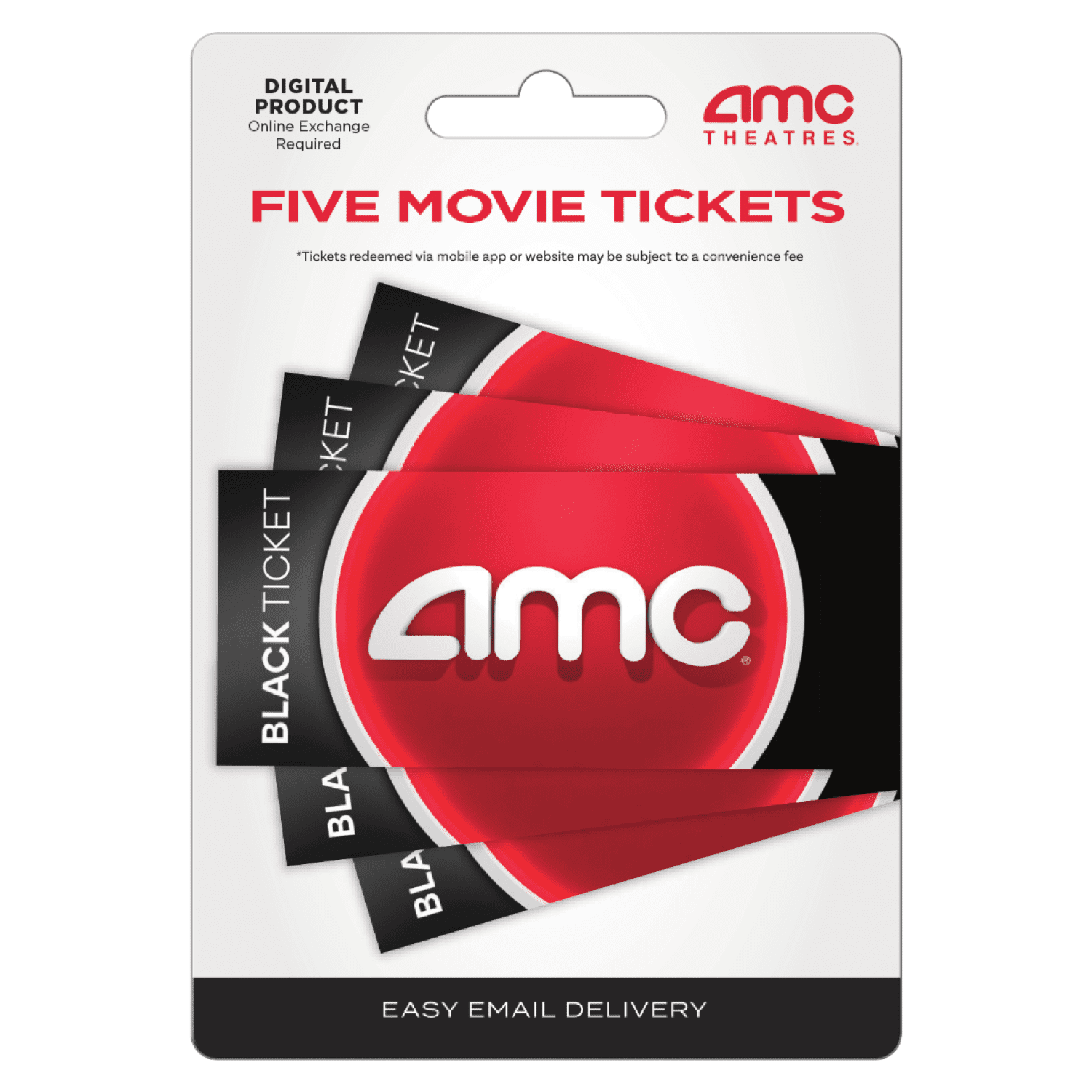
Bulk Purchases and Gift Cards: Warehouse clubs like Costco often sell AMC gift cards at a discount (e.g., $50 of credit for $40). This provides an immediate 20% discount on all future ticket and concession purchases.
-
Corporate and Group Discounts: Many employers and insurance providers offer discounted tickets through portals like “TicketsatWork.” These vouchers can often be redeemed for any standard screening, providing a significant hedge against peak-hour pricing.
The Future of Theatrical Pricing: Dynamic and Value-Based Models
The cost of an AMC ticket is not static because the industry is moving toward dynamic pricing—similar to how Uber or airlines function. Prices may fluctuate based on the popularity of a film, the day of the week, or the time of year. During a major “blockbuster” opening weekend, prices may be slightly higher than they are for a film that has been in theaters for six weeks.
From a business finance perspective, this allows AMC to maximize revenue during high-demand periods and maintain occupancy during lulls. For the consumer, it means that “patience” is a financial asset. Waiting three weeks to see a film can often lead to lower ticket prices and a more comfortable, less crowded environment.
Ultimately, the question of “how much is an AMC ticket” is answered by your own consumer behavior. By utilizing memberships, timing your visits, and understanding the fee structures, you can enjoy the premium cinematic experience of AMC without compromising your broader financial goals. In the modern economy, being an informed consumer is the most effective way to ensure that your “entertainment dollar” works as hard as you do.
aViewFromTheCave is a participant in the Amazon Services LLC Associates Program, an affiliate advertising program designed to provide a means for sites to earn advertising fees by advertising and linking to Amazon.com. Amazon, the Amazon logo, AmazonSupply, and the AmazonSupply logo are trademarks of Amazon.com, Inc. or its affiliates. As an Amazon Associate we earn affiliate commissions from qualifying purchases.