
The landscape of modern entertainment has undergone a radical transformation over the last decade. For the average consumer managing a household budget, the question of “how much are movie tickets today” is no longer answered with a single, flat figure. Instead, it involves a complex calculation of geographic location, viewing format, time of day, and loyalty participation. From a personal finance perspective, the cinema has transitioned from a low-cost casual outing to a significant discretionary expense that requires strategic planning to maintain fiscal health.
Understanding the economics behind the box office is essential for any savvy consumer. As inflation impacts every sector of the economy, the theater industry has adjusted its pricing models to keep pace with rising operational costs, high-tech upgrades, and shifting consumer habits. To manage your entertainment fund effectively, one must look beyond the price tag and analyze the total cost of the cinematic experience in today’s economy.
The Economic Evolution of the Cinema Ticket
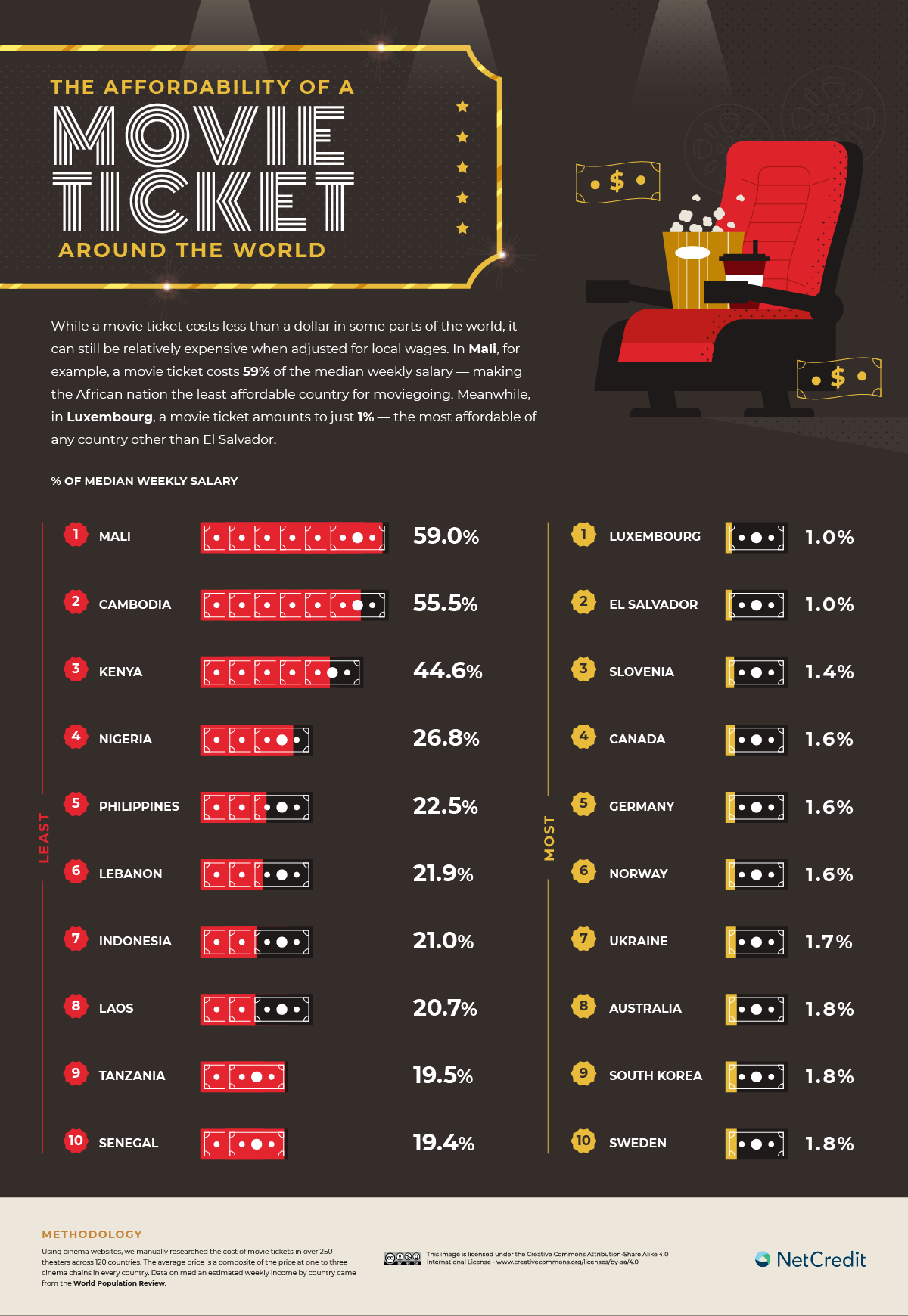
To understand why a movie ticket costs what it does today, we must look at the historical trajectory of cinema pricing through the lens of inflation. In the late 1990s, the national average for a movie ticket hovered around $5.00. Fast forward to the current market, and the national average has climbed significantly, with major metropolitan areas often seeing standard adult tickets priced between $15.00 and $22.00.
The Impact of Inflation and Purchasing Power
While the raw dollar amount has increased, it is crucial to view this through the Consumer Price Index (CPI). When adjusted for inflation, the rise in ticket prices often tracks closely with the increased costs of labor, real estate, and utility expenses faced by theater chains. However, for the individual’s personal finance plan, the “sticker shock” remains a reality. The purchasing power of the dollar in the entertainment sector has decreased, meaning families must allocate a larger percentage of their “fun money” to see the latest blockbuster.
Geographic Price Discrimination
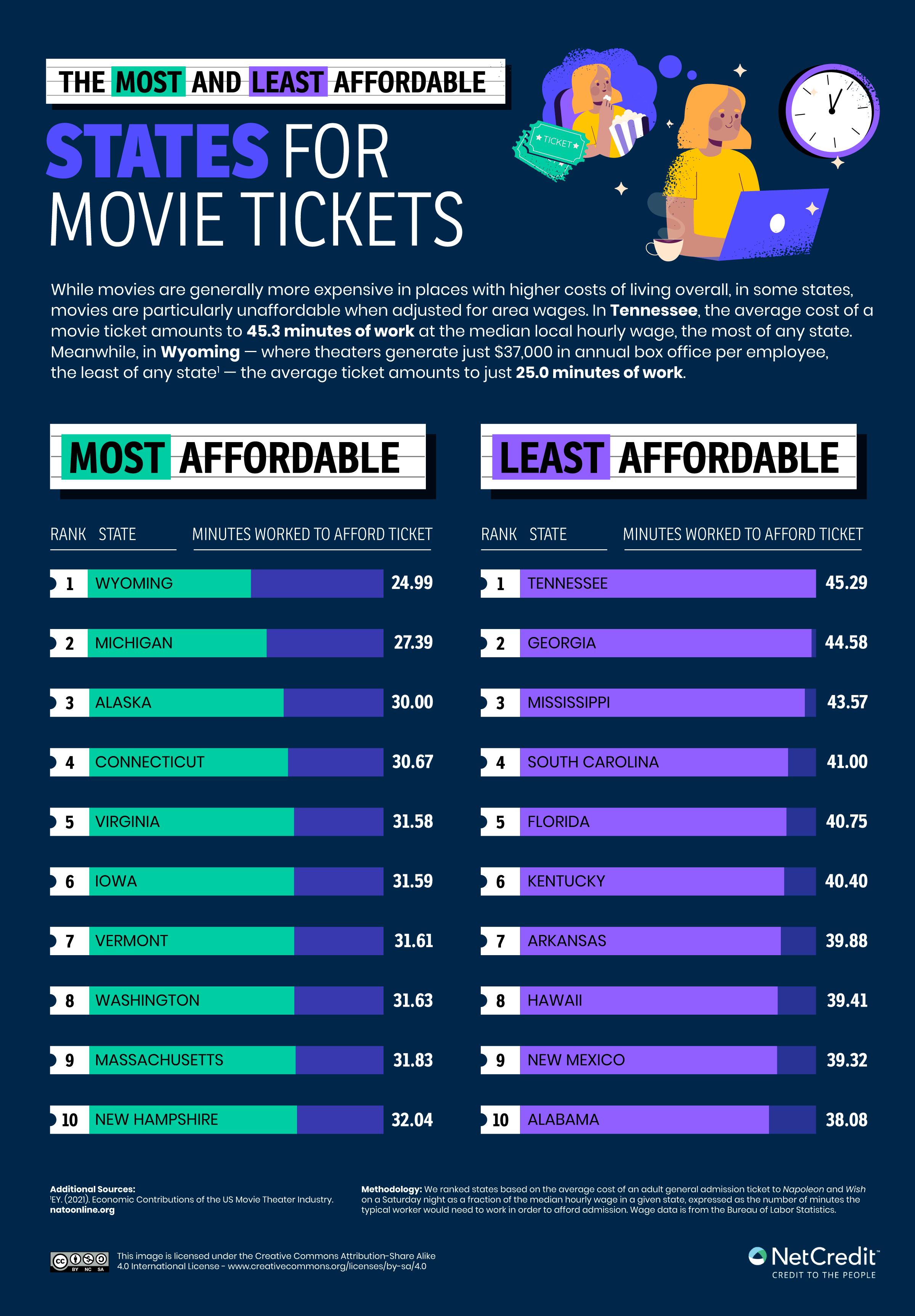
Price varies wildly depending on your zip code. This is a classic example of geographic price discrimination in business finance. A standard screening in a mid-sized town in the Midwest may still cost $10.00, whereas the same film at a flagship theater in Manhattan or Los Angeles can easily command $25.00 for a standard seat. For those traveling or moving, these regional discrepancies can disrupt an established entertainment budget if not accounted for in advance.
The Premium Format Upsell
Today’s theaters are no longer just rooms with a screen; they are high-tech hubs. The introduction of IMAX, Dolby Cinema, 4DX, and ScreenX has created a tiered pricing structure. These premium large formats (PLF) often carry a surcharge of $5.00 to $10.00 over the base ticket price. From a financial standpoint, the consumer is paying for a “luxury good” experience. Choosing the standard digital projection over IMAX is one of the quickest ways to reduce an entertainment line item by 30% or more.
Subscription Models: The New Frontier of Entertainment ROI
As ticket prices climbed, the industry responded with a pivot toward the subscription economy. For the frequent moviegoer, these programs represent the most significant opportunity for a high return on investment (ROI). Analyzing these models through a cost-benefit lens is essential for optimizing monthly spending.
Analyzing the “Big Three” Subscriptions
Major chains like AMC, Regal, and Cinemark have introduced tiered membership programs that fundamentally change the unit cost of a movie ticket.
-
AMC Stubs A-List: For a monthly fee (typically ranging from $20 to $25 depending on the state), members can see up to three movies per week. If you attend just two movies a month in a high-cost area, the subscription has already paid for itself.
-
Regal Unlimited: This model offers truly unlimited movies for a flat monthly fee. For the heavy user—someone seeing five or more films a month—the effective cost per ticket can drop to under $4.00, representing a massive discount over retail prices.
-
Cinemark Movie Club: This follows a “rollover” model, providing one ticket per month for a set fee, with additional tickets available at a discounted rate. This is often better suited for the casual viewer who wants a predictable monthly expense without the pressure to see multiple films.
The Break-Even Analysis
For any personal finance enthusiast, calculating the break-even point is the first step before signing up for a subscription. If your local theater charges $15.00 for a ticket and the subscription is $22.00, your break-even point is 1.47 movies. If your lifestyle only allows for one movie every two months, a subscription is a net loss for your budget. However, for a couple that enjoys a weekly date night, moving from individual tickets to a subscription can save upwards of $1,000 per year.
The Hidden Economics of the Concession Stand
When asking “how much are movie tickets today,” the ticket itself is often only half of the financial story. The business model of most cinema chains relies heavily on the “concession “—the snacks and drinks sold in the lobby.
Why Popcorn Costs More Than the Movie
In the world of business finance, theaters operate on razor-thin margins for ticket sales. A significant portion of the ticket price (often 50% to 70% in the opening weeks) goes back to the film studios. The theater makes its actual profit on the high-margin items: popcorn, soda, and candy. The markup on theater popcorn is famously high, often exceeding 900% above the cost of goods sold.
Budgeting for the “Full Experience”
For a family of four, the tickets might cost $60.00, but a round of sodas and popcorn can easily add another $50.00 to the total. This brings the total cost of a single outing to over $110.00. To manage this from a personal finance perspective, many advisors suggest treating concessions as a “variable luxury” rather than a necessity. Planning to eat a meal before the movie or utilizing theater loyalty points to “purchase” snacks can drastically lower the out-of-pocket cost of the afternoon.
Strategic Cost-Cutting: How to Beat the Average Price
If subscriptions aren’t a fit for your lifestyle, there are several tactical ways to lower the price of movie tickets and keep your entertainment budget in check.
The Matinee and Discount Days
The “time of day” remains one of the most effective levers for price reduction. Most theaters offer matinee pricing for screenings before 4:00 PM or 5:00 PM, which can be 20% to 30% cheaper than evening shows. Furthermore, many chains have designated “Discount Tuesdays,” where tickets are sold at a flat, significantly reduced rate (often $5.00 to $7.00) for members of their free loyalty programs. Aligning your schedule with these windows is a simple way to maximize your purchasing power.
Third-Party Discounts and Warehouse Clubs
Savvy investors in their own well-being often look for “bulk” opportunities. Retailers like Costco and Sam’s Club frequently sell bundles of movie tickets or gift cards at a 10% to 25% discount. Additionally, organizations like AAA or certain credit card rewards programs offer discounted vouchers. Using a credit card that offers “entertainment” as a 3% or 5% cash-back category can further subsidize the cost of your tickets.
Employee and Student Benefits
Always check for corporate or institutional discounts. Many large employers offer “perk” programs where employees can purchase movie vouchers at a steep discount. Similarly, student and senior discounts remain a staple of the industry. While saving $2.00 or $3.00 per ticket might seem marginal, for a frequent moviegoer, these savings compound over the course of a year into a significant sum.
The Future Value of the Cinema Experience
As we look at the financial trajectory of movie ticket prices, it is clear that the industry is moving toward a “premiumization” model. Much like the airline industry, theaters are segmenting their audiences into those seeking the lowest possible price (matinees, discount days) and those willing to pay a premium for luxury (reclining seats, in-theater dining, high-end sound).

Cinema as a Discretionary Investment
In personal finance, every dollar spent is an investment in an experience. While the cost of movie tickets has risen, the quality of the average theater-going experience—from seating comfort to visual fidelity—has also improved. The key to maintaining a healthy financial life while enjoying the arts is intentionality. By understanding the pricing tiers, leveraging subscription ROI, and avoiding high-margin concession traps, consumers can continue to enjoy the magic of the big screen without compromising their long-term financial goals.
Ultimately, the answer to “how much are movie tickets today” is that they are as expensive as you allow them to be. With a strategic approach to theater selection, timing, and loyalty programs, the cost of cinema can remain a sustainable and rewarding part of any modern budget.
aViewFromTheCave is a participant in the Amazon Services LLC Associates Program, an affiliate advertising program designed to provide a means for sites to earn advertising fees by advertising and linking to Amazon.com. Amazon, the Amazon logo, AmazonSupply, and the AmazonSupply logo are trademarks of Amazon.com, Inc. or its affiliates. As an Amazon Associate we earn affiliate commissions from qualifying purchases.