
In the modern landscape of digital media and entertainment, the success of a television series is no longer measured solely by its Nielsen ratings or its critical reception. Instead, successful media properties are viewed through the lens of brand strategy, intellectual property (IP) management, and the ability to scale a narrative into a multi-decade ecosystem. When fans and analysts ask, “how many episodes does The Walking Dead have,” they are inadvertently touching upon one of the most successful corporate branding exercises in television history. The answer—177 episodes for the flagship series alone—is merely the foundation of a sprawling, multi-platform brand strategy that has redefined how networks manage long-term assets.

The Walking Dead is not just a show; it is a masterclass in brand evolution. From its inception as a niche graphic novel to its culmination as a global powerhouse, the brand has navigated shifting consumer habits, technological disruptions in streaming, and the inherent risks of brand fatigue. To understand the significance of those 177 episodes, one must analyze the strategic decisions that allowed AMC to transform a singular narrative into an immortal corporate identity.
The Numerical Power of Narrative: Why 177 Episodes Define a Brand
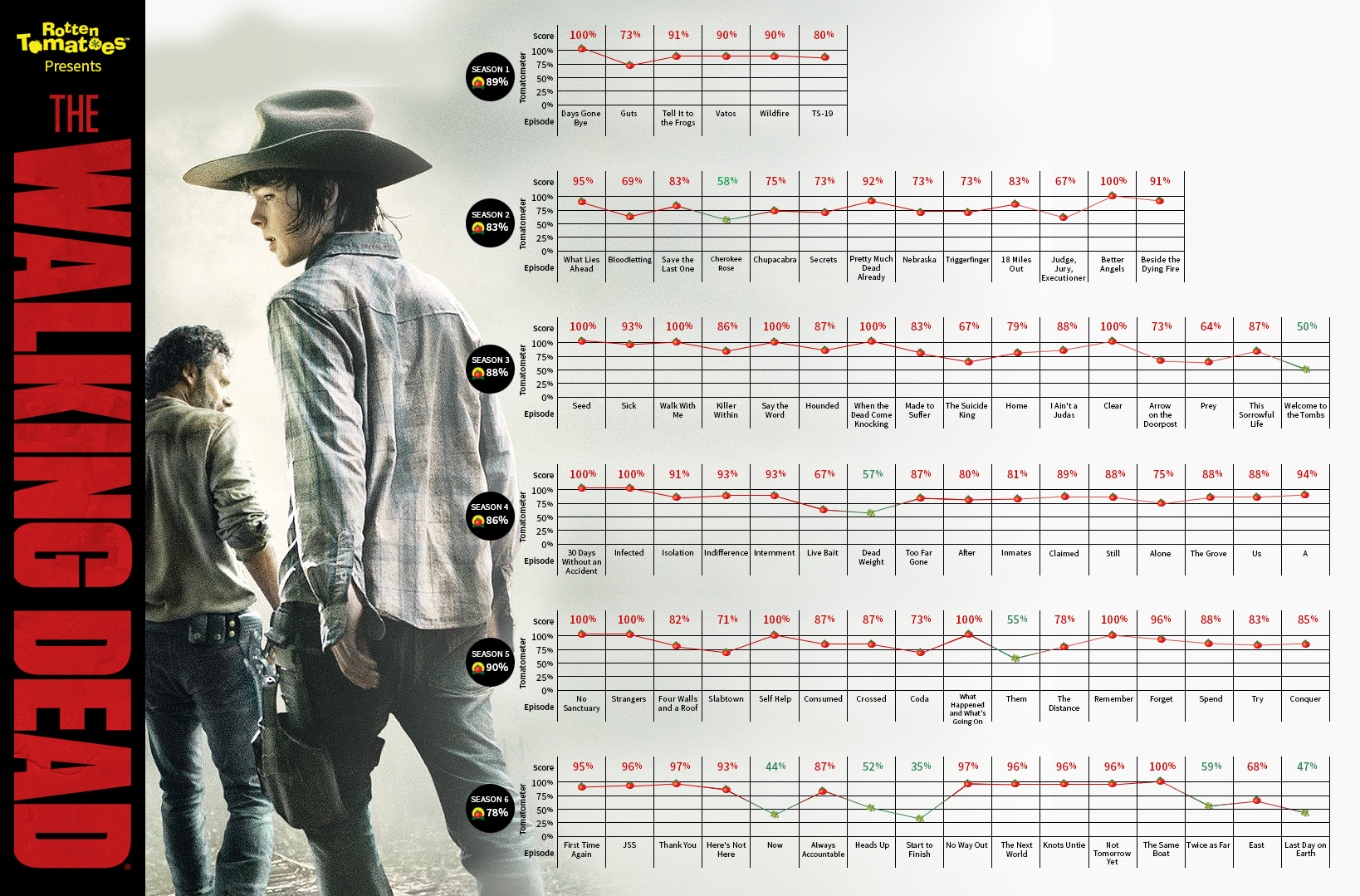
The flagship series of The Walking Dead concluded its run with 177 episodes spanning eleven seasons. From a brand strategy perspective, this volume is significant because it represents a “critical mass” of content that secures a brand’s place in the cultural zeitgeist. In the era of peak TV, where many streaming services cancel shows after two or three seasons, reaching 177 episodes is a signal of stability and market dominance.
For AMC, the flagship series served as the “anchor tenant” for its corporate brand. By maintaining the show for over a decade, the network established a reliable consumer touchpoint that could be used to cross-promote other assets. The longevity of the series allowed for the development of deep brand equity. Audiences didn’t just watch a show; they invested in a lifestyle and a community. This long-form storytelling approach is a classic example of brand deepening, where the goal is to increase the lifetime value of a customer (the viewer) by providing a consistent and evolving product over several years.
Furthermore, the 177-episode count serves a vital function in the syndication and streaming markets. Large episode libraries are significantly more valuable for licensing deals. Whether the show is hosted on Netflix, Disney+, or AMC+, the sheer volume of content ensures high “watch time” metrics, which are the primary currency of the digital age. This volume creates a barrier to entry for competitors; it is difficult to displace a brand that has 177 hours of foundational content backed by a decade of marketing spend.
Diversifying the Portfolio: The Strategy of Franchise Expansion
While the 177 episodes of the original series are the core of the brand, the true genius of AMC’s strategy lies in its move toward a portfolio approach. Recognizing that even the strongest brands face a natural lifecycle and eventual decline, the network began diversifying the Walking Dead IP long before the flagship series ended. This is a standard corporate maneuver: leveraging the equity of a parent brand to launch “sub-brands” that can capture different market segments or refresh the brand’s image.
The Rise of the Spin-Offs
The expansion began with Fear the Walking Dead, which provided a different aesthetic and narrative pace. By the time the flagship series reached its final seasons, AMC had already greenlit and produced several other iterations, including The Walking Dead: World Beyond, Tales of the Walking Dead, Dead City, Daryl Dixon, and The Ones Who Live.
Each of these spin-offs serves a specific strategic purpose:
-
Geographic Expansion: Shows like Daryl Dixon (set in France) allow the brand to appeal to international markets and break the visual monotony of the American Southeast.
-
Demographic Targeting: World Beyond was a clear attempt to engage a younger, “Young Adult” demographic, expanding the brand’s reach to a new generation of consumers.
-
Niche Storytelling: Tales of the Walking Dead adopted an anthology format, allowing for experimental branding and creative risks that wouldn’t fit within the main series’ rigid structure.
Corporate Identity and the “Walking Dead Universe”
By moving away from a single show and toward a “Universe” (the TWDU), AMC effectively protected its corporate identity. The network is no longer just “the channel that has that zombie show”; it is the curator of a vast, interconnected narrative ecosystem. This transition mirrors the strategies used by Disney with Marvel and Star Wars. It shifts the brand’s value from a single product to a platform. When a consumer finishes the 177 episodes of the original series, the brand strategy is designed to funnel them immediately into a spin-off, ensuring the customer never leaves the ecosystem.
The Mechanics of Audience Retention and Brand Loyalty
Maintaining a high episode count requires more than just high-quality production; it requires a sophisticated marketing strategy centered on audience retention. The Walking Dead utilized several innovative tactics to keep its brand relevant for over a decade.
Community Building through “The Talking Dead”
One of the most effective brand-extension tools was the live after-show, The Talking Dead. This was a stroke of marketing brilliance. It turned the act of watching a television show into a communal event. By providing a platform for fans to discuss the brand in real-time, AMC fostered a sense of belonging. In brand strategy terms, this is known as building a “Brand Community.” This community acted as a defensive moat, protecting the show from viewership drops by making the social experience of the brand as important as the content itself.
The “Eventization” of Marketing
With 177 episodes to promote, the marketing team had to find ways to keep each season feeling fresh. They mastered the art of the “Event.” Mid-season finales, season premieres, and major character departures were marketed with the intensity of blockbuster film releases. This “eventization” created a sense of urgency and FOMO (fear of missing out), which is critical for maintaining linear ratings in an increasingly fragmented media market. The brand didn’t just exist; it happened.
Visual Identity and Brand Recognition
The visual branding of The Walking Dead—characterized by its decaying logo, gritty color palette, and the specific iconography of the “Walkers”—is instantly recognizable. Brand consistency was maintained across every touchpoint, from mobile games and comic books to physical attractions and merchandise. This consistency ensures that the brand remains top-of-mind for consumers, regardless of which platform they are using.
Managing Brand Fatigue: Lessons for Modern Executives
Every long-running brand eventually faces the challenge of “Brand Fatigue,” where the target audience becomes overstimulated or loses interest in the core product. The Walking Dead was not immune to this. As the episode count climbed past the 100-episode mark, ratings began to stabilize at a lower level than their peak. However, the way the brand managed this decline offers valuable insights for any business leader.
Pivoting and Rejuvenation
Instead of letting the brand fade away, AMC initiated a series of creative and strategic pivots. The introduction of new showrunners brought fresh perspectives to the narrative, while the “end” of the main series was used as a rebranding opportunity. By “concluding” the flagship show at 177 episodes, the network was able to shed the baggage of a long-running series and relaunch its most popular characters in leaner, high-stakes spin-offs. This is akin to a corporation sunsetting an aging product line and replacing it with modern, specialized versions that carry the same trusted brand name.
Data-Driven Decision Making
The longevity of the franchise has allowed for an immense collection of consumer data. AMC knows exactly which characters drive the most engagement, which plot points cause viewership spikes, and how different global regions react to the brand. This data informs their ongoing brand strategy, ensuring that new investments (like the Daryl Dixon series) are backed by proven consumer demand. In the modern economy, a brand is only as strong as the data it collects, and 177 episodes of the flagship series provided a goldmine of insights.

The Future of the Walking Dead Brand
As we look beyond the 177 episodes of the original series, it is clear that The Walking Dead has successfully transitioned from a television show to a permanent fixture of the entertainment industry. The brand is now in a “maintenance and expansion” phase. The focus has shifted from growing the audience to maximizing the engagement of the existing “super-fans” while occasionally reaching out to lapsed viewers through high-profile reboots and crossovers.
The legacy of The Walking Dead in the world of brand strategy is its proof of concept for the “Franchise First” model. In an era where content is a commodity, the ability to build a recognizable, trusted, and expansive brand is the ultimate competitive advantage. The 177 episodes were not just a run of a show; they were the building blocks of a corporate empire that continues to generate revenue and influence long after the final credits of the series finale rolled.
For businesses and brand managers in any industry, the takeaway is clear: longevity is the result of strategic diversification, community engagement, and a relentless focus on IP management. By treating a creative product as a dynamic brand, one can turn a single story into a decade-spanning ecosystem. Whether in tech, finance, or entertainment, the principles of brand endurance remain the same, and few have demonstrated them as effectively as the team behind The Walking Dead.
aViewFromTheCave is a participant in the Amazon Services LLC Associates Program, an affiliate advertising program designed to provide a means for sites to earn advertising fees by advertising and linking to Amazon.com. Amazon, the Amazon logo, AmazonSupply, and the AmazonSupply logo are trademarks of Amazon.com, Inc. or its affiliates. As an Amazon Associate we earn affiliate commissions from qualifying purchases.