
When consumers search for “how many calories is movie popcorn,” they are usually seeking nutritional information to manage their physical health. However, in the realm of personal and business finance, there is another type of “calorie” to count: the financial weight of discretionary spending and the massive profit margins that keep the cinematic exhibition industry afloat. To understand the true cost of that tub of buttered corn, one must look past the nutritional label and examine the unit economics, the psychology of pricing, and the underlying business model of the modern movie theater.
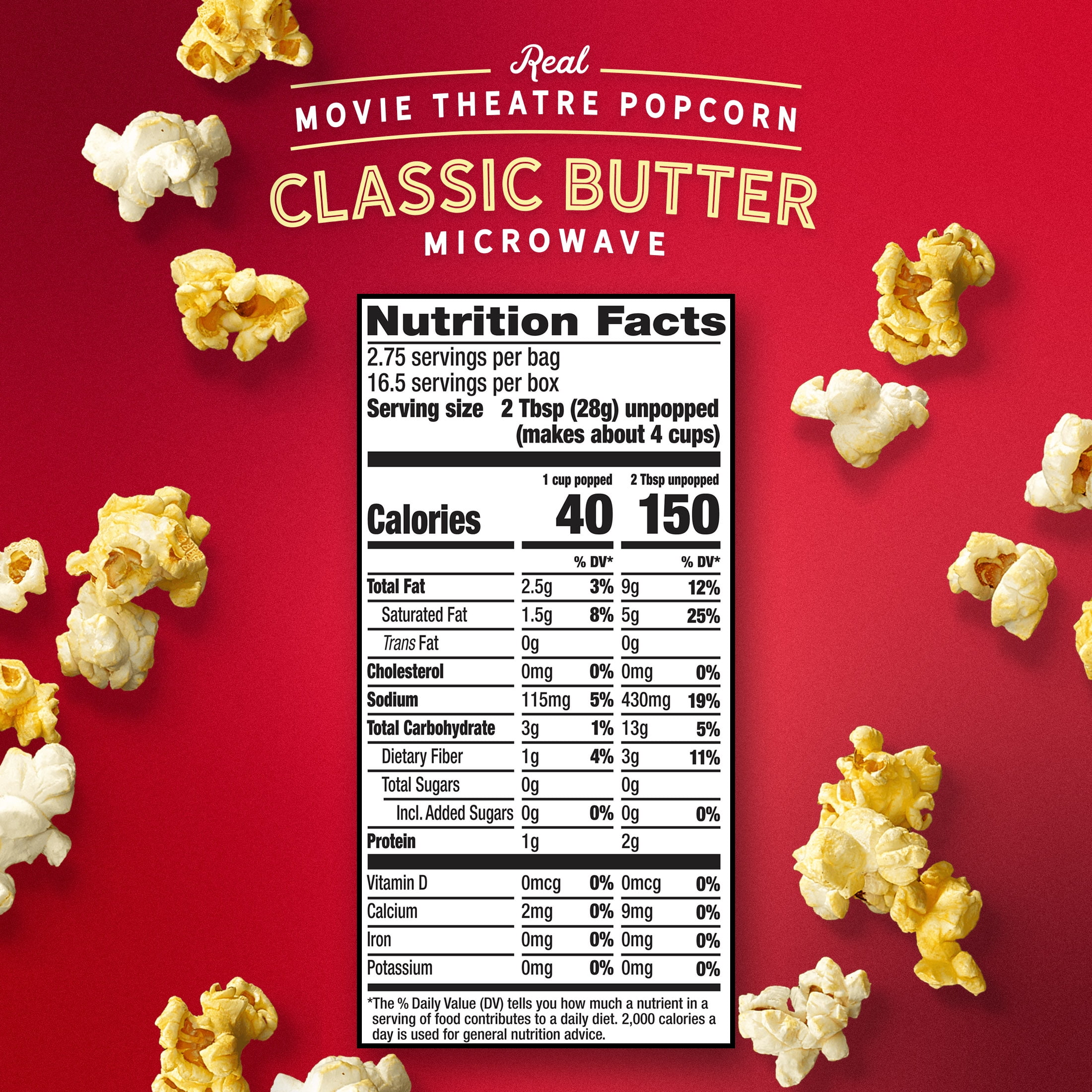
For the average moviegoer, a trip to the cinema is a classic exercise in discretionary spending. But for the theater owner, the popcorn isn’t just a snack; it is a vital organ in a complex financial ecosystem. This article explores the intersection of consumer habits and corporate strategy, deconstructing how movie popcorn serves as a masterclass in high-margin retail.
The Unit Economics of the Concession Stand: Why Popcorn is the Real Star
To understand why a bucket of popcorn costs upwards of $8.00 or $10.00 at a major multiplex, one must first look at the “COGS”—the Cost of Goods Sold. From a business finance perspective, movie popcorn is one of the most profitable retail products in existence.
Analyzing the Profit Margins
The raw materials for movie popcorn—unpopped kernels, coconut oil, “flavacol” seasoning, and a paper bucket—cost the theater approximately $0.15 to $0.45 per serving, depending on the volume of the purchase. When sold for $9.00, the markup is staggering, often exceeding 1,500%. In comparison, a high-end restaurant might aim for a 300% markup on food, and a clothing retailer might aim for 100%.
This massive margin is not driven by greed alone, but by the necessity of the “Two-Tiered Pricing” model. Theaters generally do not make a significant profit on ticket sales. During the opening weeks of a blockbuster film, a studio may take 60% to 70% of the gate revenue. After paying for staff, electricity, rent, and the expensive digital projection equipment, the theater is often at a net loss based on ticket sales alone. The concession stand is where the business moves into the black.
The Subsidy Model of Modern Cinema
In economic terms, the popcorn buyer is effectively subsidizing the ticket price for everyone else. If theaters were forced to rely solely on ticket revenue, the price of entry would likely double, making the experience inaccessible to many. By keeping ticket prices relatively stable and inflating the price of “optional” concessions, theaters utilize a price discrimination strategy. They capture more “consumer surplus” from those willing to spend extra on snacks, while still allowing the budget-conscious viewer to see the film for the base price.
Counting the “Financial Calories”: Personal Finance and Discretionary Spending
While a large tub of popcorn might contain 1,200 physical calories, its impact on a household budget represents “financial calories”—the non-essential expenditures that can bloat a monthly budget if not tracked carefully.
The Opportunity Cost of the Large Tub
For a family of four, a trip to the movies with popcorn and sodas can easily exceed $100. In the context of personal finance, it is essential to view these costs through the lens of opportunity cost. If a frequent moviegoer spends $40 a month on concessions, that equates to $480 a year. If that same $480 were invested in a low-cost index fund with a 7% average annual return, it would grow to nearly $7,000 over ten years.
This is not to say that consumers should never enjoy movie snacks, but rather that “popcorn spending” is a prime example of an invisible leak in many personal budgets. Much like the “Latte Factor” popularized by financial author David Bach, the “Popcorn Factor” demonstrates how small, high-frequency purchases can have a significant impact on long-term wealth accumulation.
Budgeting for the Entertainment Experience
From a financial planning perspective, the key to managing these costs is intentionality. Budgeting apps and tools often categorize movies under “Entertainment,” but the savvy consumer breaks this down further into “Fixed Entertainment” (the ticket) and “Variable Entertainment” (the snacks). By setting a “concession cap” before entering the lobby, consumers can avoid the impulse buy triggered by the strategic scent of butter being pumped through the theater’s HVAC system.

The Psychology of Pricing: How Theaters Maximize Revenue
Movie theaters are experts in behavioral economics. They use several psychological pricing tactics to ensure that when you ask, “how many calories is movie popcorn,” you end up choosing the option with the most—both physically and financially.
Decoy Pricing in Action
Have you ever noticed that the difference in price between a “Medium” popcorn and a “Large” popcorn is often as little as $0.50 or $1.00? This is a classic application of the “Decoy Effect.” The Medium size exists primarily to make the Large size look like a bargain.
When presented with a Small for $6.00 and a Large for $9.00, many consumers will choose the Small to save money. However, by introducing a Medium for $8.50, the theater changes the consumer’s internal logic. Suddenly, the Large seems like a “steal” because it’s “only 50 cents more” than the Medium. The consumer feels they are winning, but the theater has successfully nudged them into the highest possible spend.
Sensory Marketing and Consumer Behavior
The theater lobby is designed as a high-pressure sales environment. Unlike a grocery store where you have time to compare unit prices, the theater uses “sensory marketing”—the smell of the popcorn and the bright, backlit menus—to bypass the analytical part of the brain. Financially, this is known as “frictionless spending.” The goal is to move the customer from the ticket line to the concession line so quickly that the “financial calories” of the purchase are never calculated.
The Investor’s Perspective: Concession Spend as a Key Performance Indicator
For those looking at the business of cinema through an investment lens, the most important metric isn’t the number of people in the seats; it’s the “Concession Spend Per Patron” (CPP).
Diversification of Revenue Streams
Major chains like AMC and Cinemark are constantly looking for ways to increase CPP. This has led to the rise of “luxury” cinemas that offer full-service dining, alcoholic beverages, and expanded menus. From a corporate finance standpoint, this is an attempt to increase the “average basket size” of the customer. Alcohol, in particular, offers even higher margins and less preparation labor than popcorn, making it an attractive segment for investors.
The Impact of Streaming on Concession Revenue
The rise of streaming services like Netflix and Disney+ has disrupted the exhibition industry’s financial model. When consumers watch movies at home, the theater loses 100% of the concession revenue. To combat this, some theater chains have begun selling their branded popcorn in grocery stores. This is a strategic move to turn a “concession” into a “consumer packaged good,” diversifying their income streams and capturing “popcorn calories” even when the customer stays on their couch.

Adapting the Model: The Future of High-Margin Entertainment
As we move further into a digital-first economy, the “popcorn model” of business—where the core product is a loss leader and the accessories are the profit engine—is being adopted across various industries.
-
Software and Apps: Many “Freemium” apps operate on this model. The app (the movie) is free or cheap, while the in-app purchases (the popcorn) provide the high-margin revenue.
-
Gaming: Consoles are often sold at a loss or break-even, with the “calories” coming from digital downloads and subscription services.
-
Personal Branding: Many creators provide free content (the movie) to build an audience, then sell high-margin masterclasses or merchandise (the popcorn).
Understanding the financial structure of movie popcorn allows consumers to make more informed decisions about their discretionary spending and allows entrepreneurs to see the value in high-margin add-ons. The next time you find yourself at the counter asking about the calories in a tub of popcorn, remember that the most important number isn’t the 1,200 on the label—it’s the $10.00 in your budget and the 1,500% margin in the theater’s quarterly earnings report. By counting the financial calories, you can enjoy the show without the subsequent “budget heartburn.”
aViewFromTheCave is a participant in the Amazon Services LLC Associates Program, an affiliate advertising program designed to provide a means for sites to earn advertising fees by advertising and linking to Amazon.com. Amazon, the Amazon logo, AmazonSupply, and the AmazonSupply logo are trademarks of Amazon.com, Inc. or its affiliates. As an Amazon Associate we earn affiliate commissions from qualifying purchases.